
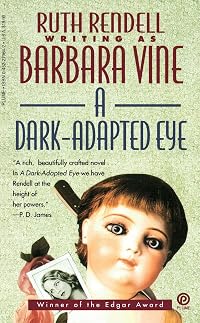
A Dark-Adapted Eye
by Barbara Vine
On This Page
Description
A woman investigates the shocking secrets that brought down her once proud family in this suspenseful Edgar Award winner from a New York Times–bestselling author. Faith Severn has never understood why the willful matriarch of her high-society family, aunt Vera Hillyard, snapped and murdered her own beloved sister. But long after Vera is condemned to hang, a journalist's startling discoveries allow Faith to perceive her family's story in a new light. Set in post–World War II Britain, A show more Dark-Adapted Eye is both a gripping mystery and a harrowing psychological portrait of a complex woman at the head of a troubled family. Called "a rich, beautifully crafted novel" by P. D. James, Time magazine has described its author as "the best mystery writer in the English-speaking world." show lessTags
Recommendations

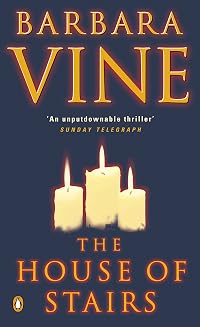

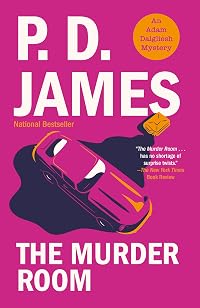
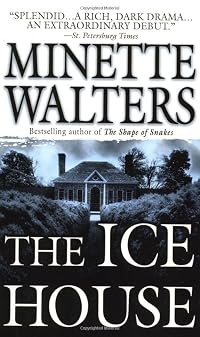

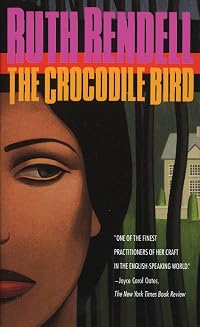
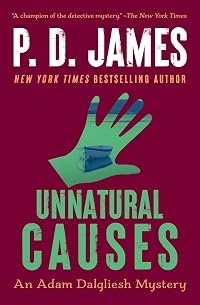
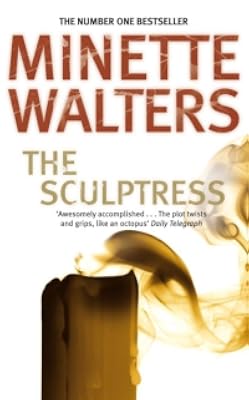

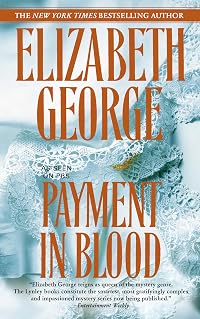




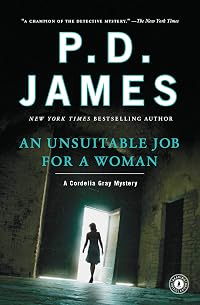

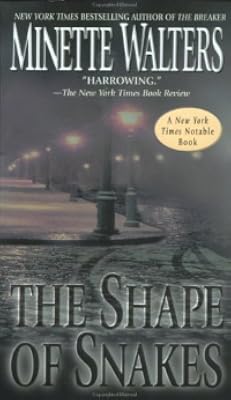
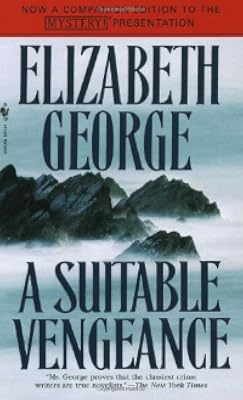
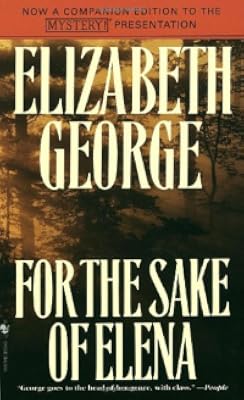



Member Recommendations
kraaivrouw Not the same, but definitely living in the same neighborhood.
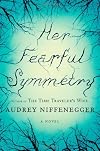
KayCliff Both books are about devoted sisters whose relationship turns sour with deadly results.
03
Member Reviews
This was very good, though not a fast read for me. Dense, packed with detail about a very dysfunctional family and the many tangled webs woven by its members, but with essential facts about the central mystery parceled out in a sometimes maddeningly piecemeal fashion. We begin by learning that the narrator's sister, Vera, has been hanged for murder, a startling enough fact by itself. Then the family history begins to be revealed, with characters mentioned by name as though in conversation with someone who knows them all and understands their relationships to one another. The reader, however, not being in the know, must make multiple deductions as the story unfolds, not the least of which is the identity of Vera's murder victim. I began show more to enjoy the book about one-third of the way in, once I got the hang of how the story was being told and immersed myself in it. It is deceptively "short"-looking in that thin hardcover format so many mystery book club books were once published in. If I hadn't drawn the wrong conclusion from that, expecting to whip through it in a sitting or two, I'd have enjoyed it more right from the start. Intelligent, crafty, and not quite predictable. show less
In Barbara Vine’s A Dark-Adapted Eye, the narrator Faith has spent her life avoiding thinking, talking or reading about at the events that led up to her aunt’s hanging for murder. She only develops a “dark-adapted eye” very slowly when asked by a crime writer for her memories. This is psychological crime fiction, you know right from the beginning who the murderer is, but not why or how the murder was committed. It’s not even clear immediately who the victim is.
Slowly, very slowly, with lots of hints and questions about how things could have turned out differently the family relationships and events that led up to the tragedy are revealed. Because of this it’s not a quick read and I think it’s a book that could stand many show more re-readings, just to work out how everything ties in together and for different perspectives to become clearer. I borrowed this book from the library, but it’s one I’d like to own to delve into its secrets.
Faith and the other members of her family are all so well described and the settings too. This is a book where you can see events and people so clearly through their thoughts and emotions as much as through their actions, but their secrets are so well concealed. Vera, Faith’s aunt, prim, snobbish and obsessional is the murderer. Her brother is shocked and removes all photos of her, refusing to read the newspaper reports or go to her trial, as does Faith. Slowly, it appears that Vera has killed her half-sister, the beautiful, the perfect Eden, but how or why is not clear until near the end of the book, or at least it wasn’t clear to me. Francis, Vera’s elder son changed his name as soon as she was arrested and the younger son, Jamie is living in Italy as the book begins. Jamie has a major part in the story but he was only 6 when his mother was hanged and remembers nothing about the situation.
Eden and Vera have a love/hate relationship, which only gets worse as the years go by. I began by disliking both of them, then swinging from one to the other as Faith describes them and their relationship. In fact I was doing that all the way through this book, never quite sure what to believe. And by the end just when you think you understand it all, Vine throws everything into question yet again and the reader is left to decide just what did happen, just what was the truth. Fantastic. show less
Slowly, very slowly, with lots of hints and questions about how things could have turned out differently the family relationships and events that led up to the tragedy are revealed. Because of this it’s not a quick read and I think it’s a book that could stand many show more re-readings, just to work out how everything ties in together and for different perspectives to become clearer. I borrowed this book from the library, but it’s one I’d like to own to delve into its secrets.
Faith and the other members of her family are all so well described and the settings too. This is a book where you can see events and people so clearly through their thoughts and emotions as much as through their actions, but their secrets are so well concealed. Vera, Faith’s aunt, prim, snobbish and obsessional is the murderer. Her brother is shocked and removes all photos of her, refusing to read the newspaper reports or go to her trial, as does Faith. Slowly, it appears that Vera has killed her half-sister, the beautiful, the perfect Eden, but how or why is not clear until near the end of the book, or at least it wasn’t clear to me. Francis, Vera’s elder son changed his name as soon as she was arrested and the younger son, Jamie is living in Italy as the book begins. Jamie has a major part in the story but he was only 6 when his mother was hanged and remembers nothing about the situation.
Eden and Vera have a love/hate relationship, which only gets worse as the years go by. I began by disliking both of them, then swinging from one to the other as Faith describes them and their relationship. In fact I was doing that all the way through this book, never quite sure what to believe. And by the end just when you think you understand it all, Vine throws everything into question yet again and the reader is left to decide just what did happen, just what was the truth. Fantastic. show less
Faith Severn’s aunt was hanged for murder shortly after World War Two. Forty years later, an author decides to write a book about the infamous Vera Hillyard, and Faith is forced to revisit some of her family’s long-held secrets. This is therefore a whydunnit, not a who/howdunnit. I found much of the “present day” parts of the book to be slow going, and particularly in the early part it was really difficult to keep who was who straight. (We meet multiple generations of a family with various remarriages, half siblings, etc.)
However, the psychological elements of the book—Faith’s reminiscences about Vera and other family members—are masterfully done, and the evocation of a lower-middle-class family 1940s England really engaging.
However, the psychological elements of the book—Faith’s reminiscences about Vera and other family members—are masterfully done, and the evocation of a lower-middle-class family 1940s England really engaging.
I didn't expect to like this book, although I knew it would be well-written from reading Ruth Rendell's Inspector Wexford series. (Rendell writes some of her psychological suspense stand-alones as Barbara Vine, or did at one time; lately she seems to be using one name for everything.) However, I think it will probably be on my 10 Best List for older books for 2009. For one thing, it had two aspects that always draw me in -- it's set mostly in the past (written in the 1980s with the narrator looking back at events from the 1940s and 50s), and it deals extensively with family history. And what a dysfunctional family it is! Faith, the narrator, at the beginning of the book is being asked by a true-crime author for help in writing a book show more about her aunt, who was hanged for the murder of her sister (Faith's aunt also) in the early 50s. Faith experienced the events of the book first as a child and then as a university student; now, in late middle age, she examines old papers and photographs, talks with the few people still living who were involved and will speak with her, and finally reads the trial transcript. The personalities of the sisters and other family members are well delineated and form an ominous undertone in the story. Issues of social class are quite important in the plot. Rendell/Vine also emphasizes the effects a murder has on the family and community of the victim and perpetrator (in this case the same). Highly recommended and well deserving of the Edgar Award for Best Novel, which it won in 1987. show less
If I were asked to recommend a book that would give someone a good idea of what life was like for many British people in the years during and after World War Two, I would give them A DARK-ADAPTED EYE. If I were asked to recommend a novel about old sins having long shadows, and family secrets, and the destructive power of love, I would give them A DARK-ADAPTED EYE. If I were asked to recommend a brilliantly conceived and executed mystery, or even just an exceptional "novel of psychological suspense," I would recommend A DARK-ADAPTED EYE.
This was the first novel by Ruth Rendell under her nom-de-plume, Barbara Vine - it signaled a departure from the other two kinds of novels she was known for at the time, her Chief Inspector Wexfords show more (police procedurals) and novels of psychological suspense such as A JUDGMENT IN STONE and THE TREE OF HANDS. It was also the first novel I read by her under either name. That was over 20 years ago, and my admiration for it only increases with each re-reading (which occur every 3 or 4 years or so).
Ruth Rendell is my favorite writer, period - well, except for Barbara Vine, that is.
6/18/12: Not feeling quite swept away by either of the two books I have going, I picked up A DARK-ADAPTED EYE again to re-read a chapter or two just to 'scout the territory,' so to speak. And before I knew it I'd read three, then four chapters. At such a point I guess I have to say that I'm 'officially' re-reading the book! It gets better with each re-reading, as do many of The Vines.
6/20: This one still gets five stars from me. Although most of the ratings for this book are in the three-to-five-star range, I'm mystified by the ones who rated it lower than that and found it boring. The word that best describes this book is 'masterful' and it very much sets the template for several of the Vines that have followed. show less
This was the first novel by Ruth Rendell under her nom-de-plume, Barbara Vine - it signaled a departure from the other two kinds of novels she was known for at the time, her Chief Inspector Wexfords show more (police procedurals) and novels of psychological suspense such as A JUDGMENT IN STONE and THE TREE OF HANDS. It was also the first novel I read by her under either name. That was over 20 years ago, and my admiration for it only increases with each re-reading (which occur every 3 or 4 years or so).
Ruth Rendell is my favorite writer, period - well, except for Barbara Vine, that is.
6/18/12: Not feeling quite swept away by either of the two books I have going, I picked up A DARK-ADAPTED EYE again to re-read a chapter or two just to 'scout the territory,' so to speak. And before I knew it I'd read three, then four chapters. At such a point I guess I have to say that I'm 'officially' re-reading the book! It gets better with each re-reading, as do many of The Vines.
6/20: This one still gets five stars from me. Although most of the ratings for this book are in the three-to-five-star range, I'm mystified by the ones who rated it lower than that and found it boring. The word that best describes this book is 'masterful' and it very much sets the template for several of the Vines that have followed. show less
Through a Glass, Darkly*
Review of the Penguin Books paperback edition (2016), with an Introduction by Val McDermid, of the original Viking UK hardcover (1986)
This became a 5 rating after a rough start which was making me angry (usually the harbinger of a 1 star rating). I went back and restarted the book and drew a character tree of family and significant associates to help orient myself which was of enormous help. In case it is of show more help to others, I've copied it below.
See image at https://scontent-ord5-2.xx.fbcdn.net/v/t39.30808-6/336532633_218068047425915_528...
A rough family tree for "A Dark-Adapted Eye". Image from my own screenshot.
This is by no means an easy book to follow and I can understand Ruth Rendell deciding to publish it using an alternate penname. It is far more complex than the lighter Inspector Wexford mysteries or the noirish non-Wexford books which were issued under Rendell's own name.
Vine starts the book on the morning of the execution of Vera Hillyard in the late 1940s. We open on a family breakfast with Faith (nee Longley, later Severn) and her father John and mother Vraani. We don't yet know why Vera has been condemned and will only learn about it gradually. A great number of characters are mentioned by name without any introductions, such as Helen, Chad, Francis, Jamie etc. and the confusion starts. Who are these people? And why aren't they being introduced properly? An element of frustration sets in for the reader, so you need to have patience.
Gradually the book takes shape as Faith (in later life) is enlisted as a source by a journalist who is writing a book about the Vera Hillyard case. Periodically we can read chapter excerpts of the planned book as they are passed on to Faith. These are written in a more factual manner which helps fill in the backstory. What seemed at first a case of one murder becomes a complex examination of other possible murders, child abductions, poisonings, abuse and sisterly rivalry within the extended Longley family, mostly taking place during the World War II years when Faith at a young age was sent to spend time with her aunts Vera and Eden in the countryside and away from London which was regularly under bombing attack by Nazi Germany. There are revelations from both those years and from Faith's discoveries in later life.
This was the most complex book yet in my current Ruth Rendell/Barbara Vine binge read/re-read and my first of the Barbara Vine series. It is also my first 5 star for its masterful tension and suspense and complexity. There is a tiny element calling for an Ambiguous Ending Alert™, although I think most readers will have no trouble deciding on a parentage which is left somewhat open to doubt due to contradictory evidence in the book.
See cover image at https://upload.wikimedia.org/wikipedia/en/0/0b/ADarkAdaptedEye.jpg
Cover image for the original Viking UK hardcover edition from 1986. Image sourced from Wikipedia.
Trivia and Links
A Dark-Adapted Eye was adapted for television in a 2-part TV miniseries as A Dark Adapted Eye in 1994 with Helena Bonham Carter in the role of the older Faith Severn. You can watch the entire 2 episodes on YouTube starting with Part One here.
* I used an excerpt from Corinthians 13:12 for my lede. show less
Review of the Penguin Books paperback edition (2016), with an Introduction by Val McDermid, of the original Viking UK hardcover (1986)
A dark-adapted eye is one that has adjusted to darkness so that it is able to discern objects. In the context of the novel, the title refers to Faith's ability, after many years, to examine and analyse her family's history and its tragedy. - an excerpt quoted from the book's Wikipedia page (see link below).
This became a 5 rating after a rough start which was making me angry (usually the harbinger of a 1 star rating). I went back and restarted the book and drew a character tree of family and significant associates to help orient myself which was of enormous help. In case it is of show more help to others, I've copied it below.
See image at https://scontent-ord5-2.xx.fbcdn.net/v/t39.30808-6/336532633_218068047425915_528...
A rough family tree for "A Dark-Adapted Eye". Image from my own screenshot.
This is by no means an easy book to follow and I can understand Ruth Rendell deciding to publish it using an alternate penname. It is far more complex than the lighter Inspector Wexford mysteries or the noirish non-Wexford books which were issued under Rendell's own name.
Vine starts the book on the morning of the execution of Vera Hillyard in the late 1940s. We open on a family breakfast with Faith (nee Longley, later Severn) and her father John and mother Vraani. We don't yet know why Vera has been condemned and will only learn about it gradually. A great number of characters are mentioned by name without any introductions, such as Helen, Chad, Francis, Jamie etc. and the confusion starts. Who are these people? And why aren't they being introduced properly? An element of frustration sets in for the reader, so you need to have patience.
Gradually the book takes shape as Faith (in later life) is enlisted as a source by a journalist who is writing a book about the Vera Hillyard case. Periodically we can read chapter excerpts of the planned book as they are passed on to Faith. These are written in a more factual manner which helps fill in the backstory. What seemed at first a case of one murder becomes a complex examination of other possible murders, child abductions, poisonings, abuse and sisterly rivalry within the extended Longley family, mostly taking place during the World War II years when Faith at a young age was sent to spend time with her aunts Vera and Eden in the countryside and away from London which was regularly under bombing attack by Nazi Germany. There are revelations from both those years and from Faith's discoveries in later life.
This was the most complex book yet in my current Ruth Rendell/Barbara Vine binge read/re-read and my first of the Barbara Vine series. It is also my first 5 star for its masterful tension and suspense and complexity. There is a tiny element calling for an Ambiguous Ending Alert™, although I think most readers will have no trouble deciding on a parentage which is left somewhat open to doubt due to contradictory evidence in the book.
See cover image at https://upload.wikimedia.org/wikipedia/en/0/0b/ADarkAdaptedEye.jpg
Cover image for the original Viking UK hardcover edition from 1986. Image sourced from Wikipedia.
Trivia and Links
A Dark-Adapted Eye was adapted for television in a 2-part TV miniseries as A Dark Adapted Eye in 1994 with Helena Bonham Carter in the role of the older Faith Severn. You can watch the entire 2 episodes on YouTube starting with Part One here.
* I used an excerpt from Corinthians 13:12 for my lede. show less
When a journalist contacts Faith Severn in the interest of writing a book about the execution of her aunt Vera Hillyard, Faith slowly reveals and unravels the story of the Hillyard family complete in it's complicities and claustrophobias. After her parents' death, Vera leaves her young son and military husband in the care of others and undertakes the role of mother to her younger sister, Eden. Vera and Eden's relationship is extremely close and secretive, often excluding all other parties. Living in virtual isolation during World War II, Vera makes Eden her top priority and constant concern, and becomes a profoundly obsessive and controlling woman. It's here that Faith spends many vacations and holidays, enduring Vera's casual cruelty show more and myriad insecurities while secretly idolizing the young and beautiful Eden. As time moves on and Faith grows older, she witnesses multiple changes in Vera and Eden's relationship, the return of Vera's son, Francis (a merciless young man), and Eden's eventual flight from the nest. Even so, things are not what they seem in the Hillyard house, and the family secrets will eventually spark an explosive, painful conclusion that leaves the reader sorting through the myriad clues to find a definitive answer to this intensely satisfying psychological thriller. Is Vera's madness really self-induced, or does it come from a more sinister direction? What are the circumstances behind her execution, and what part does her family truly play?
This was a fascinating and, eventually, quite devastating book. The author has a way of laying out the story and prose in a quietly thorough way, keeping the more disquieting elements couched within the normal everyday attributes of a wartime family. Knowing that a murder had occurred but not knowing the circumstances surrounding it, nor even who the victim was, was a particularly interesting way to tell this story. The technique had me reading with trepidation to discover where the cracks would appear, and how the murder would eventually take place. The story has an aura of foreboding attached to it, it was ominous from it's skeleton to it's details, haunting in a wonderful way. Because Vera was not a particularly pshycopathic person, the murder behind her execution seemed all the more interesting. Yes, she was restrictive and cold, and it was very clear that she was also repressed and secretive, at times she could be embarrassingly hysterical, but her character also seemed to be very controlled and conscious of propriety and modulated. Reading along I became convinced that this murder was an act of desperation and madness, instead of an act of calculated cruelty.
In fact, all the characters in this book were exquisitely portrayed. From the obnoxious and perverse Francis to the furtive and beautiful Eden and the reluctant and inquisitive Faith, each character was finely detailed and and exceptionally rendered. It felt like I knew these people, knew how they would react, where their buttons were and could see what would push them. There was a tremendous amount of exposition given over to these characters, a lot of time spent on the mundane and everyday, but it was far from boring. In fact it was a very illuminating and clever way to get the reader invested in the drama of the storyline, and the eventual destruction of a family.
The story dealt with many sensitive issues, and without giving away the mysteries of the story, it would be hard to touch on and identify them all, but the one that stuck out was the repression and emotional constraint of those in England during that time. It was evident in Vera's entire character, in her sister Eden's choice of lifestyle, and eventually in Faith's reticence to tell the story of her aunt. Repression ran like a thick vein down this haunting and dark story.
Another thing that I liked about this story were the atmospheric touches. There was much discussion of war time rationing and the procurement of luxurys items, such as food and cosmetics, during the lean times of war. I thought this was an interesting touch that gave the story believability and flavor. It seemed that the author accounted for all the variables in this time period and those minute touches really amplified the credibility of the story.
The conclusion of the story was also handled brilliantly. It skipped the exposition and definition and instead recounted and laid bare all the facts for the reader to deduce the motives and culpability of this murder. By doing this, it refrained from passing judgment on the killer and let the reader see that there was more to the story than just the black and white of the slaying. As in some real-life murders, the details were murky, the facts sometimes cloudy. One could almost discount Vera's madness and responsibility, could see from the facts alone that she was vindicated. Almost. And in the end, that is what this story came down to. The confusion and reaction of a somewhat normal woman, spurred into to a hideous act that forever changed the landscape of her family's life.
If you can't tell by now, I thought this book was superb. It had an intensity and control that I truly appreciated. I loved the meandering way that the story was fleshed out, and felt that in this way the suspense was built into an almost unbearable measure. I had heard so many good things about this book, and was so excited to read it. In no way did it disappoint. Though it is written by a mystery writer, this book is more of a psychological suspense story. A very intelligent and thought provoking read. Strongly recommended. show less
This was a fascinating and, eventually, quite devastating book. The author has a way of laying out the story and prose in a quietly thorough way, keeping the more disquieting elements couched within the normal everyday attributes of a wartime family. Knowing that a murder had occurred but not knowing the circumstances surrounding it, nor even who the victim was, was a particularly interesting way to tell this story. The technique had me reading with trepidation to discover where the cracks would appear, and how the murder would eventually take place. The story has an aura of foreboding attached to it, it was ominous from it's skeleton to it's details, haunting in a wonderful way. Because Vera was not a particularly pshycopathic person, the murder behind her execution seemed all the more interesting. Yes, she was restrictive and cold, and it was very clear that she was also repressed and secretive, at times she could be embarrassingly hysterical, but her character also seemed to be very controlled and conscious of propriety and modulated. Reading along I became convinced that this murder was an act of desperation and madness, instead of an act of calculated cruelty.
In fact, all the characters in this book were exquisitely portrayed. From the obnoxious and perverse Francis to the furtive and beautiful Eden and the reluctant and inquisitive Faith, each character was finely detailed and and exceptionally rendered. It felt like I knew these people, knew how they would react, where their buttons were and could see what would push them. There was a tremendous amount of exposition given over to these characters, a lot of time spent on the mundane and everyday, but it was far from boring. In fact it was a very illuminating and clever way to get the reader invested in the drama of the storyline, and the eventual destruction of a family.
The story dealt with many sensitive issues, and without giving away the mysteries of the story, it would be hard to touch on and identify them all, but the one that stuck out was the repression and emotional constraint of those in England during that time. It was evident in Vera's entire character, in her sister Eden's choice of lifestyle, and eventually in Faith's reticence to tell the story of her aunt. Repression ran like a thick vein down this haunting and dark story.
Another thing that I liked about this story were the atmospheric touches. There was much discussion of war time rationing and the procurement of luxurys items, such as food and cosmetics, during the lean times of war. I thought this was an interesting touch that gave the story believability and flavor. It seemed that the author accounted for all the variables in this time period and those minute touches really amplified the credibility of the story.
The conclusion of the story was also handled brilliantly. It skipped the exposition and definition and instead recounted and laid bare all the facts for the reader to deduce the motives and culpability of this murder. By doing this, it refrained from passing judgment on the killer and let the reader see that there was more to the story than just the black and white of the slaying. As in some real-life murders, the details were murky, the facts sometimes cloudy. One could almost discount Vera's madness and responsibility, could see from the facts alone that she was vindicated. Almost. And in the end, that is what this story came down to. The confusion and reaction of a somewhat normal woman, spurred into to a hideous act that forever changed the landscape of her family's life.
If you can't tell by now, I thought this book was superb. It had an intensity and control that I truly appreciated. I loved the meandering way that the story was fleshed out, and felt that in this way the suspense was built into an almost unbearable measure. I had heard so many good things about this book, and was so excited to read it. In no way did it disappoint. Though it is written by a mystery writer, this book is more of a psychological suspense story. A very intelligent and thought provoking read. Strongly recommended. show less
Members
- Recently Added By
Lists

The Guardian's 1000 Novels Everyone Must Read
1,005 works; 547 members

The Top 100 Crime Novels of All Time
100 works; 15 members

British Mystery
469 works; 14 members

Fiction: Crime, Detective, Mystery
350 works; 3 members

TED 2013 Summer Reading List
190 works; 13 members

BBC Radio 4 Bookclub
340 works; 13 members

To Read
617 works; 7 members

Edgar Award
418 works; 15 members

Books With Body Parts in the Title
153 works; 9 members

TML 200 Best Books 1950-1999
202 works; 10 members

The Modern Library (The Two Hundred Best Novels....
202 works; 1 member
Author Information

319+ Works 51,237 Members
Ruth Rendell (1930-2015) Ruth Rendell was born in Essex, England on February 17, 1930. She was educated at Loughton County High School. Rendell began her career as a journalist. She wrote six novels before sending her work in to a publisher. She writes crime novels and psychological thrillers, and is best known for her Inspector Wexford books. show more Rendell also writes under the pseudonym Barbara Vine. Rendell has received many awards for her writing, including the Silver, Gold, and Cartier Diamond Daggers from the Crime Writers' Association, three Edgars from the Mystery Writers of America, The Arts Council National Book Awards, and The Sunday Times Literary Award. She is a fellow of the Royal Society of Literature. Many of her titles have been made into films and made-for-tv movies. Rendell died on May 2, 2015. She was 85 years old. (Bowker Author Biography) show less
Some Editions
Awards and Honors
Awards
Distinctions
Series
Belongs to Publisher Series
Work Relationships
Common Knowledge
- Canonical title
- A Dark-Adapted Eye
- Original title
- A dark-adapted eye
- Original publication date
- 1986
- People/Characters
- Vera Hillyard; James (Jamie) Ricardo (Jamie); Chad Hamner; Frank Loder Hills (Francis); Faith Severn
- Related movies
- A Dark Adapted Eye (1994 | IMDb)
- Epigraph
- Dark adaptation: a condition of vision brought about progressively by remaining in complete darkness for a considerable period, and characterized by progressive increase in retinal sensitivity. A dark-adapted eye is an eye in... (show all) which dark adaptation has taken place. James Drever, A Dictionary of Psychology.
- First words
- On the morning Vera died I woke up very early.
- Quotations
- Jamie had a job in a bar between leaving school and going to Bologna ... the day after he started, an American came in and asked for a dry martini. Jamie hadn't the faintest idea how to make it but he knew Martini was vermout... (show all)h so he did his best. In a little while the American brought it back to him and asked if he had put any gin in it. "Certainly not!" Jamie said, quite indignant.
- Last words
- (Click to show. Warning: May contain spoilers.)I go upstairs and fetch the box and put them all back, laying in last of all, placing on the top of the pile, the picture of us all in Vera's garden in summertime, a united family, wearing our innocent smiles, not yet imagining those births and marriages and deaths to come.
- Original language
- English UK
Classifications
Statistics
- Members
- 1,332
- Popularity
- 17,982
- Reviews
- 46
- Rating
- (3.84)
- Languages
- 10 — Catalan, Danish, Dutch, English, Finnish, French, German, Italian, Spanish, Swedish
- Media
- Paper, Audiobook, Ebook
- ISBNs
- 60
- UPCs
- 3
- ASINs
- 23