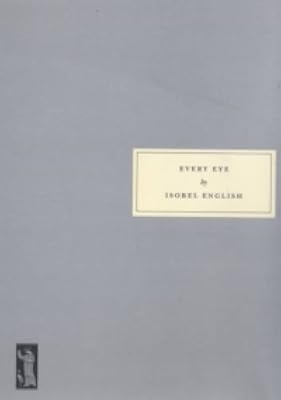
Every Eye
by Isobel English
On This Page
Description
"Exquisite."--The New Yorker Isobel English, a novelist of the 1950s, wrote three brief books about adultery and damnation. Every Eye concerns Hattie, a woman not really at home anywhere, least of all among her manipulative family, which has assigned her the role of shabby-genteel London spinster. She has understood little about her existence, and about her strange, aborted love affair with a much older man--the central mystery of her life. Now, while in Ibiza with her new young husband, the show more meaning of her past is becoming clear, its hidden patterns emerging from gray English shadows into the blazing Mediterranean sun. "It is in Ibiza that the story breaks free from its resentments," said Anita Brookner in praise of this remarkable neglected novel, "a lucidly written account of various kinds of confusion ... and a valuable lesson in where to look for freedom." show lessTags
Recommendations

























Member Reviews
Persephone No. 18 is a novella that seems to be going nowhere until the last line knocks you over the head and changes the tone of the whole book.
The narrator, Hattie, had expected to live life alone, partially because of her family's comments and expectations, until she meets her husband Stephen. They are on their way to Ibiza for a vacation and she ponders her teen years. Her uncle, sort of a stand in for her father who died when she was young, had married a woman named Cynthia from Ibiza. Her relationship with Cynthia, which starts out close and deteriorates, also intersects with a relationship Hattie has with a much older man, Jasper. As we see the present day relationship between Hattie and Stephen and explore Ibiza with them, the show more past starts to reveal the present.
At the beginning of this short book, I was a bit bored. I didn't think it was really going anywhere and the dual timeline was sometimes confusing. But as I approached the end of the novella, I started suspecting something was happening. And as I said at the beginning of my review, the closing sentences cast a new light on all of Hattie's memories, for both the reader and for Hattie herself. This is one I'd like to reread, knowing the ending the second time around. show less
The narrator, Hattie, had expected to live life alone, partially because of her family's comments and expectations, until she meets her husband Stephen. They are on their way to Ibiza for a vacation and she ponders her teen years. Her uncle, sort of a stand in for her father who died when she was young, had married a woman named Cynthia from Ibiza. Her relationship with Cynthia, which starts out close and deteriorates, also intersects with a relationship Hattie has with a much older man, Jasper. As we see the present day relationship between Hattie and Stephen and explore Ibiza with them, the show more past starts to reveal the present.
At the beginning of this short book, I was a bit bored. I didn't think it was really going anywhere and the dual timeline was sometimes confusing. But as I approached the end of the novella, I started suspecting something was happening. And as I said at the beginning of my review, the closing sentences cast a new light on all of Hattie's memories, for both the reader and for Hattie herself. This is one I'd like to reread, knowing the ending the second time around. show less
Given to me by a good friend; Every Eye has been on my tbr for a long time. A slim novella at around 120 pages, I was prompted to read it following a conversation on the Libraything Virago group. A couple of members were discussing the equal brilliance of the last lines of the title story in Roman Fever and the final line of this Persephone novella. Well as I was already reading one I absolutely had to read the other too.
Isobel English is best known for Every Eye, her second novel, she wrote a couple more novels some stories and a play, but as far as I can see none of those are currently available. Isobel English was a pseudonym, her real name was June Braybrooke, and the prologue of this Persephone edition is written by her show more husband.
“Nothing is ever lost that is begun, no word spoken that can ever be broken down to unco-ordinated syllables, no tear shed that will leave only a powdering of white salt. Everything must go on, and on, and on, repeating itself and gathering force for the ever that is still only the bright whiteness of eternity meditated on by mystics and recluses.”
Every Eye is the story of a young woman whose life could have been made unhappier than it eventually turned out. There is however, a quiet sadness in the midst of what we are supposed to see as her final, recent happiness. We meet Hatty, when she is in her thirties, not long married to a younger man, and anticipating a holiday with her husband Stephen to Ibiza, a delayed honeymoon. On the eve of their departure Hatty hears that Cynthia has died (a few pages later we learn Cynthia had married her uncle 19 years earlier). It is six years since Hatty cut herself free of Cynthia – the novel is an exploration of this relationship – and others – and the impact these relationships have upon her.
As Hatty and Stephen travel by train through Europe toward their holiday destination, Hatty reflects on her relationship with Hatty, her Uncle Otway who Cynthia married, and the relationship she had in her twenties with a much older man. The story switches back and forth between the present and the past, Isobel English’s writing is superb. Hatty is a pianist, and it is around the time that Cynthia came into her life, when she was fourteen, that Hatty began to realise she wouldn’t make her living from playing piano on stage – she does instead become a piano teacher. Uncle Otway is a large presence in her life, a big handsome blustering man, a little interfering in the fatherless girl’s life. Hatty, who always feels like a stranger in her family, doesn’t care much for him, though she likes the small, blue eyed woman, Cynthia; who he brings to the house one day. Cynthia has been married before and has a son the same age as Hatty, she has spent time living in Ibiza – a place the fourteen-year-old Hatty can have no idea she too will one day travel.
Hatty has a problem with one eye, a squint or lazy eye, giving her eye the appearance of looking into the side of her nose, Hatty’s mother encourages her to have an operation to fix it, though it is a very expensive proposition – Hatty is not easily persuaded as she is a little squeamish at the thought. Years later when Hatty begins again to consider it, her mother works hard to dissuade her. Hatty has grown up being advised not to draw attention to it, wear broad brimmed hats to help disguise it.
Sight, as perhaps the title refers to in a way, is a recurring theme, clear-sightedness, the eye of the beholder, the way we see others, the way others see us. Hatty sees her eye as being a deformity, it affects her self-esteem, and impacts on the first proper relationship she has, with an older man. Hatty doesn’t believe he can find her attractive, she is charmed and attracted by his interest in her, his affection and kindness but she can’t help but notice his wrinkled sagging skin, his age. Similarly, as she now journeys with Stephen on their late, long looked forward to honeymoon, she can’t help but notice the disparity in their ages – wondering how others see them. Another theme is age, there is a discernible difference in age in three important relationships within the novel.
Cynthia of course we only see through Hatty’s reminiscence, a woman liked by the fourteen-year-old Hatty, but things change – and gradually Cynthia becomes a more negative presence in her life. Sharp, critical, she subverts Hatty’s first relationship – has Hatty doubting herself. Within a few years of marrying Otway, Cynthia has certainly altered physically, a baby born to her in middle age has played a part in that, as has the reduction of her husband’s army pension. She appears changed in other ways too, more cynical and brittle. When their money no longer stretches as far as it used to, Cynthia takes cleaning jobs behind her husband’s back. Cynthia is a survivor.
“ ‘I don’t know why people have their photographs taken,’ I say. ‘Cynthia altered so much in appearance that strangers used to ask who it was in the place of honour on the piano. She used to laugh; obviously she got a kick in keeping the record of the person she had once been always before her eyes.’
‘It must have been her peak period,’ Stephen smiles. ‘People sometimes go through their whole lives without ever reaching the moment when they are exactly the person they want to be.’ “
The sense of place in the novel is wonderful too – France, Spain and Ibiza by train and boat – places evoked beautifully by Isobel English, although Hatty’s view of them is warped by her view of herself and her memories of the past. The one person we never see clearly however is Stephen – I wonder if this is deliberate – I can only assume it is. Stephen is a bit of a mystery remaining an enigma for the reader as the novel comes to its brilliant end. The ending brings the past and present together in such a way the reader almost wants to go back and start all over again, it is the kind of ending you remember, but also makes you want to re-read – well I’m sure I will one day. show less
Isobel English is best known for Every Eye, her second novel, she wrote a couple more novels some stories and a play, but as far as I can see none of those are currently available. Isobel English was a pseudonym, her real name was June Braybrooke, and the prologue of this Persephone edition is written by her show more husband.
“Nothing is ever lost that is begun, no word spoken that can ever be broken down to unco-ordinated syllables, no tear shed that will leave only a powdering of white salt. Everything must go on, and on, and on, repeating itself and gathering force for the ever that is still only the bright whiteness of eternity meditated on by mystics and recluses.”
Every Eye is the story of a young woman whose life could have been made unhappier than it eventually turned out. There is however, a quiet sadness in the midst of what we are supposed to see as her final, recent happiness. We meet Hatty, when she is in her thirties, not long married to a younger man, and anticipating a holiday with her husband Stephen to Ibiza, a delayed honeymoon. On the eve of their departure Hatty hears that Cynthia has died (a few pages later we learn Cynthia had married her uncle 19 years earlier). It is six years since Hatty cut herself free of Cynthia – the novel is an exploration of this relationship – and others – and the impact these relationships have upon her.
As Hatty and Stephen travel by train through Europe toward their holiday destination, Hatty reflects on her relationship with Hatty, her Uncle Otway who Cynthia married, and the relationship she had in her twenties with a much older man. The story switches back and forth between the present and the past, Isobel English’s writing is superb. Hatty is a pianist, and it is around the time that Cynthia came into her life, when she was fourteen, that Hatty began to realise she wouldn’t make her living from playing piano on stage – she does instead become a piano teacher. Uncle Otway is a large presence in her life, a big handsome blustering man, a little interfering in the fatherless girl’s life. Hatty, who always feels like a stranger in her family, doesn’t care much for him, though she likes the small, blue eyed woman, Cynthia; who he brings to the house one day. Cynthia has been married before and has a son the same age as Hatty, she has spent time living in Ibiza – a place the fourteen-year-old Hatty can have no idea she too will one day travel.
Hatty has a problem with one eye, a squint or lazy eye, giving her eye the appearance of looking into the side of her nose, Hatty’s mother encourages her to have an operation to fix it, though it is a very expensive proposition – Hatty is not easily persuaded as she is a little squeamish at the thought. Years later when Hatty begins again to consider it, her mother works hard to dissuade her. Hatty has grown up being advised not to draw attention to it, wear broad brimmed hats to help disguise it.
Sight, as perhaps the title refers to in a way, is a recurring theme, clear-sightedness, the eye of the beholder, the way we see others, the way others see us. Hatty sees her eye as being a deformity, it affects her self-esteem, and impacts on the first proper relationship she has, with an older man. Hatty doesn’t believe he can find her attractive, she is charmed and attracted by his interest in her, his affection and kindness but she can’t help but notice his wrinkled sagging skin, his age. Similarly, as she now journeys with Stephen on their late, long looked forward to honeymoon, she can’t help but notice the disparity in their ages – wondering how others see them. Another theme is age, there is a discernible difference in age in three important relationships within the novel.
Cynthia of course we only see through Hatty’s reminiscence, a woman liked by the fourteen-year-old Hatty, but things change – and gradually Cynthia becomes a more negative presence in her life. Sharp, critical, she subverts Hatty’s first relationship – has Hatty doubting herself. Within a few years of marrying Otway, Cynthia has certainly altered physically, a baby born to her in middle age has played a part in that, as has the reduction of her husband’s army pension. She appears changed in other ways too, more cynical and brittle. When their money no longer stretches as far as it used to, Cynthia takes cleaning jobs behind her husband’s back. Cynthia is a survivor.
“ ‘I don’t know why people have their photographs taken,’ I say. ‘Cynthia altered so much in appearance that strangers used to ask who it was in the place of honour on the piano. She used to laugh; obviously she got a kick in keeping the record of the person she had once been always before her eyes.’
‘It must have been her peak period,’ Stephen smiles. ‘People sometimes go through their whole lives without ever reaching the moment when they are exactly the person they want to be.’ “
The sense of place in the novel is wonderful too – France, Spain and Ibiza by train and boat – places evoked beautifully by Isobel English, although Hatty’s view of them is warped by her view of herself and her memories of the past. The one person we never see clearly however is Stephen – I wonder if this is deliberate – I can only assume it is. Stephen is a bit of a mystery remaining an enigma for the reader as the novel comes to its brilliant end. The ending brings the past and present together in such a way the reader almost wants to go back and start all over again, it is the kind of ending you remember, but also makes you want to re-read – well I’m sure I will one day. show less
As I was browsing my TBR shelves for something to take with me on a business trip (traveling theme and all of that), my eye (no pun intended) was drawn to Every Eye, a slim novella about a woman who marries a much younger man and takes a holiday to Ibiza.
The novel isn’t so much about the holiday as it is about the journey, and it’s a novel that is “based on the premise that life is lived forwards but understood backwards” (from the preface written by Isobel English’s husband, Neville Braybrooke). There are many flashbacks to Hatty’s affair with a much older man, and her relationship with her step-aunt that illuminate certain things about Hatty. There’s not much action per se in this book, but there are some absolutely show more gorgeous descriptions of the scenery as Hatty and Stephen travel along that make me want to book a flight to Ibiza right now!
I am generally not a novella reader; I prefer thick, juicy novels with lots of plot and character development. But this book, for all its shortness, packs a lot into it. You can see Hatty’s development as a person quite clearly, from her unsuitable liaison with an older man to her wiser marriage to Stephen. The novel illustrates to perfection the modern saying that hindsight is 20/20. The tone of the book is very cold, and I thought going into it that I would hate the narrator for being so detached; but the juxtaposition between Hatty’s coldness and the warmth of Ibiza really works for this story. show less
The novel isn’t so much about the holiday as it is about the journey, and it’s a novel that is “based on the premise that life is lived forwards but understood backwards” (from the preface written by Isobel English’s husband, Neville Braybrooke). There are many flashbacks to Hatty’s affair with a much older man, and her relationship with her step-aunt that illuminate certain things about Hatty. There’s not much action per se in this book, but there are some absolutely show more gorgeous descriptions of the scenery as Hatty and Stephen travel along that make me want to book a flight to Ibiza right now!
I am generally not a novella reader; I prefer thick, juicy novels with lots of plot and character development. But this book, for all its shortness, packs a lot into it. You can see Hatty’s development as a person quite clearly, from her unsuitable liaison with an older man to her wiser marriage to Stephen. The novel illustrates to perfection the modern saying that hindsight is 20/20. The tone of the book is very cold, and I thought going into it that I would hate the narrator for being so detached; but the juxtaposition between Hatty’s coldness and the warmth of Ibiza really works for this story. show less
Completely weird, dreamlike, surreal novel. I suspect the writing may merit *5 - there seemed much to tease out of the narrative and I think you could study it in great depth.
Couldn't get into the writing, the alien, distant characters, the strange story at all, so *2 for enjoyment.
Couldn't get into the writing, the alien, distant characters, the strange story at all, so *2 for enjoyment.
I find that many novellas sneak up on me: I spend the first 50 or even 75 pages feeling underwhelmed, struggling against the compression of the form, and just when I've got into the rhythm of the language and begun to be truly invested in the characters...the thing is over. Such was certainly the case with Isobel English's 1956 novella Every Eye. English writes with a careful precision that at first struck me as cold and unapproachable, but later came to seem like a perfect, unassuming vessel for the voice of her main character. She portrays an almost unbridgeable distance between humans, which at first appeared to be a lack of character development, but gradually revealed itself as a conscious philosophical—or at least show more psychological—stance, a portrait of the protagonist Hatty's lived reality. As I turned the final page, I ended up feeling that somehow, while I wasn't paying close enough attention, English's narrative had grown and ripened into itself, filling completely the space it had made.
The 37-year-old Hatty, as English's story opens, is torn between two impulses. She has just gotten word that her uncle's wife Cynthia has died: this brings back complicated feelings of events long past, memories of the ambivalent relationship with Cynthia she had as a young woman. At the same time, she is about to embark on delayed honeymoon through France to Ibiza with her younger husband Stephen, which forces her into the present and all the awkwardness and imperfection of traveling. As she and Stephen make their way south, strings of thought about what happened between her and Cynthia—and, by extension, between her and her uncle, and her mother, and a male friend of her uncle and aunt— occur and recur in Hatty's mind, as she tries to sort out her feelings upon learning that this family member who was once important to her has died. Hatty's memories of her past—from an awkward girl of fourteen, convinced that her skill at the piano marks her out as different from those around her, to a disillusioned twenty-five-year-old teaching piano between the wars, to a post-war emotional convalescent returning to the site of her childhood—intermingle fluidly with the pleasures and obstacles of her and Stephen's journey to Spain.
One of the things that kept striking me about Every Eye up until the last thirty or so pages, was a sense of coldness and unbridgeable distance between people, specifically between Hatty and Stephen (who, one gets the sense, the reader is supposed to feel glad are together). Compared to Hatty's visceral push-pull relationship with Cynthia, Stephen seems like a shadowy presence, asleep in a train car across from her or conversing with their tour guide while she lets her attention wander. While she suffers from shipboard insomnia, he is fast asleep on deck; when she hovers on the doorstep of a dodgy-looking hotel, he dismisses her fears and drags her inside. But although Stephen does comes to life a bit more in the last 30-50 pages of the novella, I came to realize that this distance is part of Hatty's experience of life with everyone—even, it turns out, Cynthia herself. There are moments of connection, of sympathy, and relief, but for the most part humans are set on tracks unknown to one another, which can only be understood much later, if at all. "I was over twenty-five," Hatty writes,
The one relationship she has in her twenties becomes unhappy and ridiculous precisely because she tries to overcome this, tries to make her dealings with her uncle's friend conform to the narrative she has learned about romance, love, proposals, and marriage.
This at first struck me as an overly bleak view, but now I think differently. I think it's less about condemning the whole of humanity to an isolated existence free of meaningful connection, and more about admitting that even between people who imagine themselves quite close, or who society expects to be close, there are still times of great emotional distance. Hatty, by the end of this novella, doesn't reach the romantic ideal of having all her demons exorcised, but she starts to gain the ability to take her interactions with other people for what they are—awkward or relieving, revealing or monotonous—without expecting them to be something different.
When we finally see, toward the end of the book, the scenes of courtship between Hatty and Stephen, we understand better what a relief and accomplishment it can be simply to accept events as they happen, genuinely, without freighting them with expectation or fear. In the same way, Hatty is filled with happiness when she finally meets a villager in her old childhood home who will compliment her on having fixed her formerly lazy eye: she, and by this point the reader, crave a simple, honest interaction that acknowledges the past and exists in the present.
I've seen a few people describe Every Eye as "romantic," but I don't really think that fits, not in the traditional sense of "romantic," anyway. There is no whirlwind passion for Hatty and Stephen, or even, most of the time, a companionable understanding. (After all, they have only known each other two years.) Neither is there, thankfully in my opinion, any notion of "meant to be": Hatty frankly acknowledges that she and Stephen happened to meet at the right time in both their lives, and that if they had met in different circumstances, she would never have connected with him. In English's world, people are icebergs to one another, with only a tiny portion of their vast internal continents perceptible at any given time. Understanding does not come easily to these characters; it's not intuitive. But that doesn't mean they don't try, and that they don't sometimes achieve a moment of true sincerity and connection with one another—and, possibly more importantly, with themselves. In the end, having seen the importance of the time Hatty spends alone in her old childhood town, away from the controlling influences of her early life, I couldn't feel too sorry that she sometimes feels alone even when Stephen is present. If "alone" is separated from "lonely," after all, it becomes more about peace than about pain. show less
The 37-year-old Hatty, as English's story opens, is torn between two impulses. She has just gotten word that her uncle's wife Cynthia has died: this brings back complicated feelings of events long past, memories of the ambivalent relationship with Cynthia she had as a young woman. At the same time, she is about to embark on delayed honeymoon through France to Ibiza with her younger husband Stephen, which forces her into the present and all the awkwardness and imperfection of traveling. As she and Stephen make their way south, strings of thought about what happened between her and Cynthia—and, by extension, between her and her uncle, and her mother, and a male friend of her uncle and aunt— occur and recur in Hatty's mind, as she tries to sort out her feelings upon learning that this family member who was once important to her has died. Hatty's memories of her past—from an awkward girl of fourteen, convinced that her skill at the piano marks her out as different from those around her, to a disillusioned twenty-five-year-old teaching piano between the wars, to a post-war emotional convalescent returning to the site of her childhood—intermingle fluidly with the pleasures and obstacles of her and Stephen's journey to Spain.
One of the things that kept striking me about Every Eye up until the last thirty or so pages, was a sense of coldness and unbridgeable distance between people, specifically between Hatty and Stephen (who, one gets the sense, the reader is supposed to feel glad are together). Compared to Hatty's visceral push-pull relationship with Cynthia, Stephen seems like a shadowy presence, asleep in a train car across from her or conversing with their tour guide while she lets her attention wander. While she suffers from shipboard insomnia, he is fast asleep on deck; when she hovers on the doorstep of a dodgy-looking hotel, he dismisses her fears and drags her inside. But although Stephen does comes to life a bit more in the last 30-50 pages of the novella, I came to realize that this distance is part of Hatty's experience of life with everyone—even, it turns out, Cynthia herself. There are moments of connection, of sympathy, and relief, but for the most part humans are set on tracks unknown to one another, which can only be understood much later, if at all. "I was over twenty-five," Hatty writes,
and I had come within the core of myself to know that I could never successfully make a real contact with another human being.
The one relationship she has in her twenties becomes unhappy and ridiculous precisely because she tries to overcome this, tries to make her dealings with her uncle's friend conform to the narrative she has learned about romance, love, proposals, and marriage.
I thought, he is a perfectionist and it is his way of saying that he wishes his possessions to be flawless. I read into the gentle coaxing subtleties that went far beyond the limited feelings that one human being can have for another.
This at first struck me as an overly bleak view, but now I think differently. I think it's less about condemning the whole of humanity to an isolated existence free of meaningful connection, and more about admitting that even between people who imagine themselves quite close, or who society expects to be close, there are still times of great emotional distance. Hatty, by the end of this novella, doesn't reach the romantic ideal of having all her demons exorcised, but she starts to gain the ability to take her interactions with other people for what they are—awkward or relieving, revealing or monotonous—without expecting them to be something different.
How far apart we were, sitting together side by side. I know that it is not enough simply to coordinate two lives by the trick of words and vows; rarely spaced are the moments that two people can settle together on a pinnacle of illumination or understanding and count it as unity. I thought always before the operation on my eye that the source of discordancy between myself and other people lay in the distortion of my own vision. I did not know then as I do now that this outward sign was only the visible proof of an inward impediment.
When we finally see, toward the end of the book, the scenes of courtship between Hatty and Stephen, we understand better what a relief and accomplishment it can be simply to accept events as they happen, genuinely, without freighting them with expectation or fear. In the same way, Hatty is filled with happiness when she finally meets a villager in her old childhood home who will compliment her on having fixed her formerly lazy eye: she, and by this point the reader, crave a simple, honest interaction that acknowledges the past and exists in the present.
I've seen a few people describe Every Eye as "romantic," but I don't really think that fits, not in the traditional sense of "romantic," anyway. There is no whirlwind passion for Hatty and Stephen, or even, most of the time, a companionable understanding. (After all, they have only known each other two years.) Neither is there, thankfully in my opinion, any notion of "meant to be": Hatty frankly acknowledges that she and Stephen happened to meet at the right time in both their lives, and that if they had met in different circumstances, she would never have connected with him. In English's world, people are icebergs to one another, with only a tiny portion of their vast internal continents perceptible at any given time. Understanding does not come easily to these characters; it's not intuitive. But that doesn't mean they don't try, and that they don't sometimes achieve a moment of true sincerity and connection with one another—and, possibly more importantly, with themselves. In the end, having seen the importance of the time Hatty spends alone in her old childhood town, away from the controlling influences of her early life, I couldn't feel too sorry that she sometimes feels alone even when Stephen is present. If "alone" is separated from "lonely," after all, it becomes more about peace than about pain. show less
This is a remarkably good novella. The writing is superb, the plotting excellent and the switches between past and present tense for the two strands of narration are handled extremely well. On top of that, the tale itself is a fascinating one and the descriptions are beautifully atmospheric. Add in a killer last line and I'd definitely recommend this book - I really enjoyed it.
In Every Eye, Hatty, the protagonist, now in her late 30s and on a honeymoon trip with her younger husband, is looking back over her childhood and early adulthood, including her romance with an older man and her complex relationship with her aunt Cynthia. All of these relationships touch on one another, sometimes in ways that don’t make any sense until the final few lines of the book. Each character’s actions are affected by circumstances and experiences that aren’t always evident to those who are meeting them and trying to understand them in the present.
One of the themes of the book is how difficult it is to see the truth. Hatty herself has a lazy eye that keeps her from seeing the world clearly, but the lazy eye is really just a show more motif. Even if her eyes were perfect, her vision would still be distorted, as everyone’s vision is. As Hatty cannot always see the truth about others, and she cannot always see the truth about herself. She lets others tell her who she is and what she is to become.
Like so many great novellas, Every Eye is packed with ideas, and every moment seems to count. It’s a book that I think warrants revisiting.
See my complete review at Shelf Love. show less
One of the themes of the book is how difficult it is to see the truth. Hatty herself has a lazy eye that keeps her from seeing the world clearly, but the lazy eye is really just a show more motif. Even if her eyes were perfect, her vision would still be distorted, as everyone’s vision is. As Hatty cannot always see the truth about others, and she cannot always see the truth about herself. She lets others tell her who she is and what she is to become.
Like so many great novellas, Every Eye is packed with ideas, and every moment seems to count. It’s a book that I think warrants revisiting.
See my complete review at Shelf Love. show less
Members
- Recently Added By
Lists

Persephone
148 works; 3 members
Author Information

4+ Works 213 Members
Some Editions
Series
Belongs to Publisher Series
Persephone (18)
Common Knowledge
- Original title
- Every Eye
- Original publication date
- 1956
- People/Characters
- Harriet Latterly; Stephen Latterly; Cynthia Skelton; Otway Skelton; Ted; Jasper Lomax
- Important places
- Ibiza, Balearic Islands, Spain; London, England, UK; Paris, France; Barcelona, Catalonia, Spain
- Epigraph
- Every eye must weep alone
Till I Will be overthrown.
- W.H. Auden - Dedication
- TO
MY MOTHER AND FATHER
WITH LOVE - First words
- I heard today that Cynthia died last Friday afternoon at the Ipswich County Hospital, just after a cup of tea.
- Last words
- (Click to show. Warning: May contain spoilers.)Then I read slowly, in a wavering Burgundian script that I have tried for so long to echo in my own writing, two names: CYNTHIA MARY MILLER JASPER LOMAX and immediately below, in firmer strokes that might have been applied today: Mon Amour Dura Apres La Mort - and the date of twenty-three years past.
Classifications
Statistics
- Members
- 190
- Popularity
- 173,294
- Reviews
- 13
- Rating
- (3.84)
- Languages
- English
- Media
- Paper
- ISBNs
- 2
- ASINs
- 3