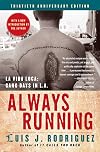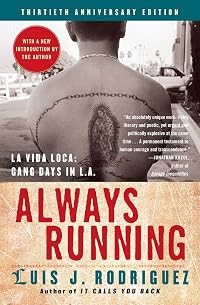
Always Running: La Vida Loca: Gang Days in L.A.
by Luis J. Rodriguez
On This Page
Description
The award-winning memoir of life in an LA street gang from the acclaimed Chicano author and former Los Angeles Poet Laureate: "Fierce, and fearless" (The New York Times).Luis J. Rodríguez joined his first gang at age eleven. As a teenager, he witnessed the rise of some of the most notorious cliques in Southern California. He grew up knowing only a life of violence—one that revolved around drugs, gang wars, and police brutality. But unlike most of those around him, Rodríguez found a way show more out when art, writing, and political activism gave him a new path—and an escape from self-destruction.
Always Running spares no detail in its vivid, brutally honest portrayal of street life and violence, and it stands as a powerful and unforgettable testimonial of gang life by one of the most acclaimed Chicano writers of his generation.
This ebook features an illustrated biography of Luis J. Rodríguez including rare images from the author's personal collection.. show less
Tags
Recommendations

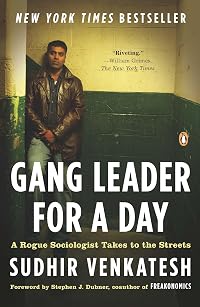
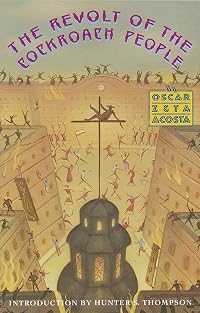
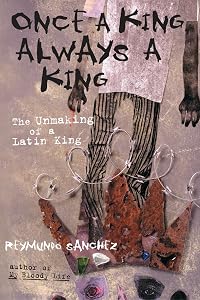
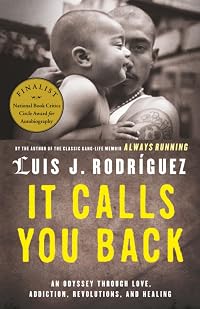

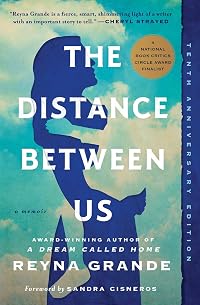
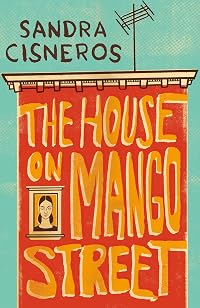
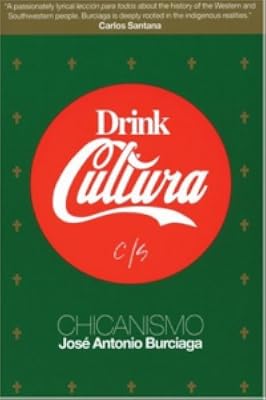
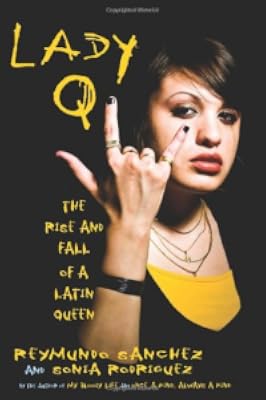
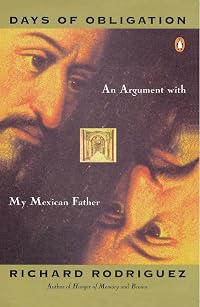
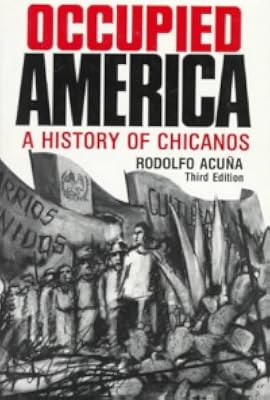
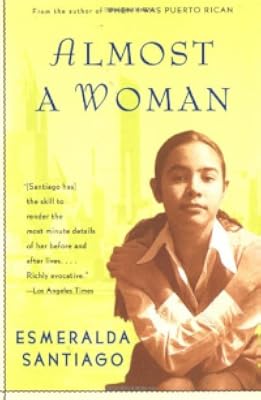
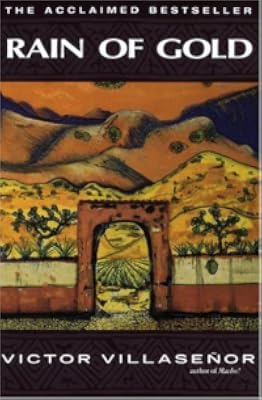
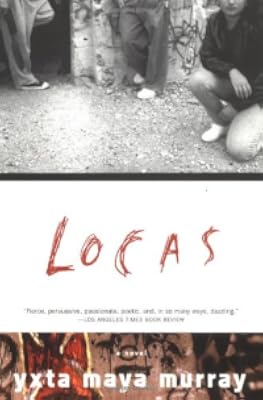
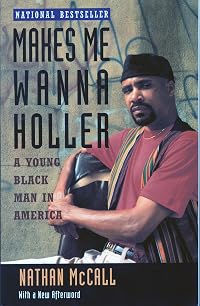
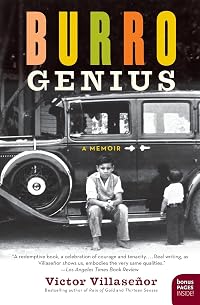
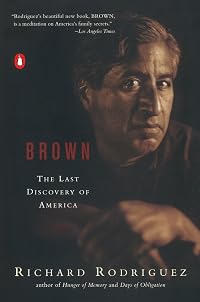
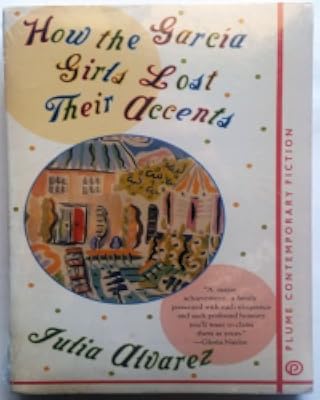
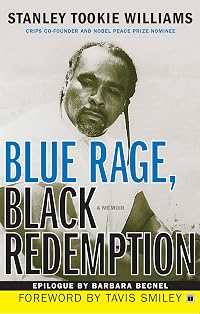
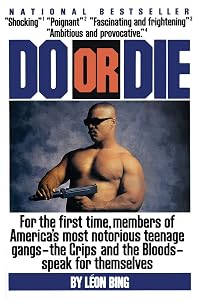
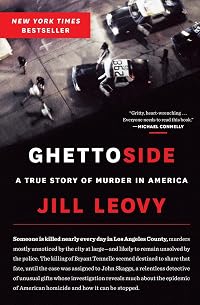
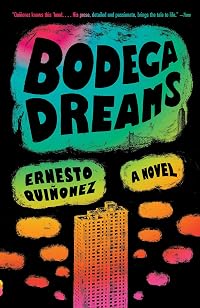
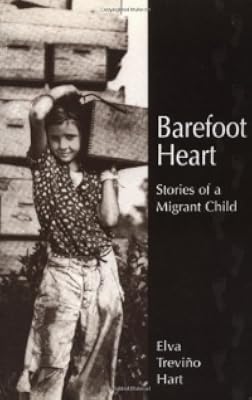
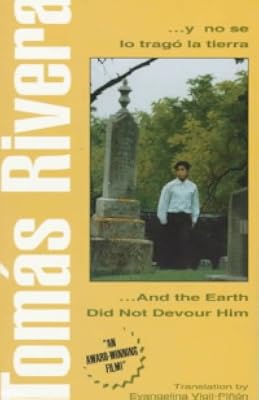
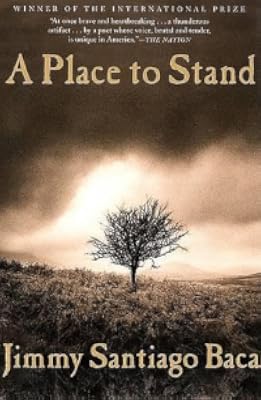
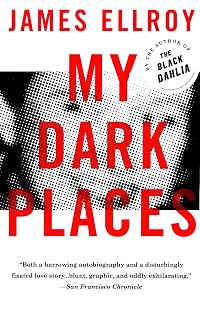
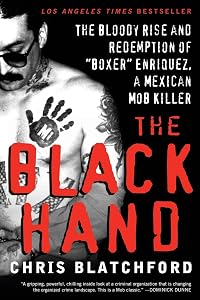
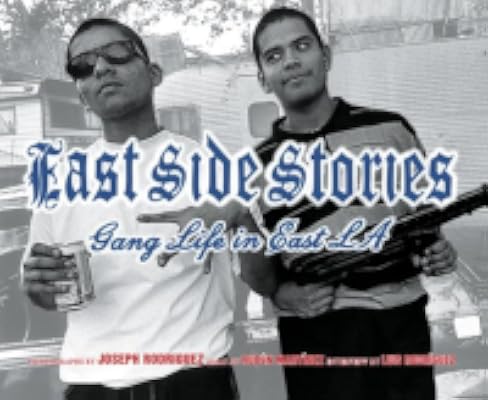
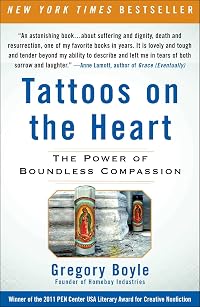
Member Recommendations
Member Reviews
This memoir, written by Luis J. Rodriguez, tells of his childhood and adolescence growing up in Los Angeles. I had read a specific excerpt multiple times in professional development settings, which detailed Luis's first days in elementary school. He arrived in his class speaking and understanding Spanish and was quickly relegated to sitting at the back of the room playing by himself during class time with little interaction with the teacher. In fact, he was so cut off that he was unable to ask to use the restroom and thus had days that he returned home with soiled clothes. While Rodriguez has said that part of his motivation for writing this was to show his son the dangers of "la vida loca," this memoir is much more than a cautionary show more tale. Rodriguez documents the systemic racism and oppression he and others in his community experienced. He tells of the resistance and Chicano power movement, including the Chicano Moratorium. This book includes violence, sex (and sexual violence), and drug use. It also includes action, leadership, resilience, and resistance by youth in a community that is systemically oppressed and unsupported. This book spurs thoughtful conversations about racism, oppression, activism, leadership, and social justice. show less
A fascinating memoir of growing up in a Latino neighborhood the San Gabriel Valley in the 1960s. With few jobs for teens, schools that channeled the Latino and Filipino students into the trades and the white into college-prep classes, parents that worked a lot--the predictable result was neighborhood gangs, fights, murder, jail time. Rodriguez managed to find his way out, with the encouragement of a few teachers, a few friends, a community center director, and his family's support. He is honest with how it was a battle--his wants versus community expectations, gang expectations, peer and friend pressure, and real danger--his disappointments (in himself and others), his fear, his hope.
1960s San Gabriel Valley is a place/time I know very show more little about. show less
1960s San Gabriel Valley is a place/time I know very show more little about. show less
This book is on the ALA's list of 100 most frequently banned books of 1990 through 2000.
This is a memoir of gang life & of growing up poor and Chicano in East LA in the '60's & 70's. It's also about learning who you are and finding ways out - through writing, through painting, & through social activism.
Rodriguez is primarily a poet and writer of short stories & it shows in this collection of snap shots of moments from his past. For those wanting a standard tale with a classical throughline and neat conclusions, this book will disappoint.
I enjoyed the author's imagery and the ways he plays with the genre of memoir. What is memory? What do we remember? How do we remember it? For me so much of my memory is just what he provides - little show more snapshots of moments in time.
From a political/social perspective, this book does a good job of elucidating the reasons kids join gangs and the possible paths out. He talks about gangs as a kind of mass suicide & that's an idea that stuck with me - all these kids looking for family & hating themselves.
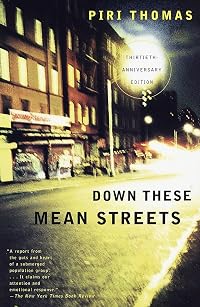
In one of those funny moments where influences collide that can happen while reading, I kept thinking of another gang memoir that I read when I was younger. I remembered that it was written by a Puerto Rican guy that grew up in Spanish Harlem & was also about all of the ways that books saved him, but I couldn't remember the name of the book. It was right there on the tip of my tongue. I could remember that the author was named Piri, but that was all. Then I turned a page & there it was - Down These Mean Streets by Piri Thomas - turns out Luis Rodriguez read that one, too.
This book is also full of shades of Sandra Cisneros - a Chicana writer & poet whose work I've read off & on since her first book - The House on Mango Street. Like Cisneros, Rodriguez' work is full of rhythm & bright color.
I liked this book a great deal, although I don't think it offers any long-term solutions to these problems. Like The Corner, David Simon's killer tome on life on a Baltimore drug corner, this book illustrates the condition. Perhaps education really is the only way out, but to get there we're going to have to spend some money & stop using our educational system to ghettoize people based on class, race, income level, & the phase of the moon on Fridays when the cat's too tired to sing.
The world is a complex & beautiful place & in the end maybe only words can save us. show less
This is a memoir of gang life & of growing up poor and Chicano in East LA in the '60's & 70's. It's also about learning who you are and finding ways out - through writing, through painting, & through social activism.
Rodriguez is primarily a poet and writer of short stories & it shows in this collection of snap shots of moments from his past. For those wanting a standard tale with a classical throughline and neat conclusions, this book will disappoint.
I enjoyed the author's imagery and the ways he plays with the genre of memoir. What is memory? What do we remember? How do we remember it? For me so much of my memory is just what he provides - little show more snapshots of moments in time.
From a political/social perspective, this book does a good job of elucidating the reasons kids join gangs and the possible paths out. He talks about gangs as a kind of mass suicide & that's an idea that stuck with me - all these kids looking for family & hating themselves.
In one of those funny moments where influences collide that can happen while reading, I kept thinking of another gang memoir that I read when I was younger. I remembered that it was written by a Puerto Rican guy that grew up in Spanish Harlem & was also about all of the ways that books saved him, but I couldn't remember the name of the book. It was right there on the tip of my tongue. I could remember that the author was named Piri, but that was all. Then I turned a page & there it was - Down These Mean Streets by Piri Thomas - turns out Luis Rodriguez read that one, too.
This book is also full of shades of Sandra Cisneros - a Chicana writer & poet whose work I've read off & on since her first book - The House on Mango Street. Like Cisneros, Rodriguez' work is full of rhythm & bright color.
I liked this book a great deal, although I don't think it offers any long-term solutions to these problems. Like The Corner, David Simon's killer tome on life on a Baltimore drug corner, this book illustrates the condition. Perhaps education really is the only way out, but to get there we're going to have to spend some money & stop using our educational system to ghettoize people based on class, race, income level, & the phase of the moon on Fridays when the cat's too tired to sing.
The world is a complex & beautiful place & in the end maybe only words can save us. show less
I first heard of this book from a friend of mine who doesn't actually like to read. In fact his whole attitude towards the subject is unsettling to me who in fact loves to read. But this was the book, he said, that intrigued him and also the first book he liked and finished to the end while enjoying. Now as a person pursuing to be a middle school teacher I had to find out what book this was that gripped my friend and managed to keep him there through those pages. What I found was a gem of a book that does in fact captivate readers and and non-readers alike. That rare book that can get anyone into liking the written word. What I read was such an important story of violence, racism, gangs, and so many other issues that grips this nation show more and young people as well. I would like for every young person to read this and figure out what drives them to gangs, doge it, and find the value in determination and taking your own education into your own hands. It's a story of rising above and deciding what you will and won't be in this life. A must read for people everywhere. show less
I first came across this book in ninth grade - a teacher had recommended it tot he entire class, but it wasn’t required reading. I didn’t read it until my third year in college because my friend recommended it to me. This book is a compelling memoir of growing up in San Gabriel, California in the 70’s and the 80’s surrounded by gang violence. Rodriguez was from a family of Mexican immigrants that moved to the U.S. when he was in elementary school. After being the young victim of racism and bullying, he became part of a gang at age 12. His memories are retold, plain and simple, no decorations, no glorification,no censorship and to a point, no preaching - and it is deeply moving because of that. His story doesn’t need show more embellishments to be interesting because it is and was the reality of many youths especially in Los Angeles. What he does do throughout the narrative is insert his thoughts looking back at the experiences, now that he is older and has managed to clean up his life. If I remember correctly, Rodriguez wrote this book for his son, who was falling into the same circle of violence. This book is really a must-read. I highly recommend it. show less
I took special note of a single sentence in the Prologue and pretty much the entire Epilogue. Everything in between, I could have done without—they are graphic. [We could have greater discussion on the point of this, but not right now.]
The parts I mention expose inequity and lack of social justice. The rest was a brutal account of the author's life, which is, after all, what one expects in a memoir. I'm not into memoirs, typically, and it wasn't why I was interested in this book.
The parts I mention expose inequity and lack of social justice. The rest was a brutal account of the author's life, which is, after all, what one expects in a memoir. I'm not into memoirs, typically, and it wasn't why I was interested in this book.
This is a brutal depiction of life in the barrios of Los Angeles. Luis Rodriguez managed to pull himself up out of the mess of poverty and get away from gangs and drugs into which he was so deep that he barely escaped death more than once. Several adults saw a spark in him and went out of their way to support and encourage his artistic and literary talents. He wrote this book for his son in the hope that he would find a different path than his father.
Students in my school have made this one of our most popular books. I am finally getting around to reading it. While conscious of the violent life of gangs, I had no idea that so much could be inflicted on one person before they even reach adulthood. It was a real eye opener.
Students in my school have made this one of our most popular books. I am finally getting around to reading it. While conscious of the violent life of gangs, I had no idea that so much could be inflicted on one person before they even reach adulthood. It was a real eye opener.
Members
- Recently Added By
Lists

True Crime
156 works; 1 member

Banned Books Week 2014
268 works; 63 members

Banned Books - Latinx
11 works; 1 member

B-B to Get
131 works; 1 member
Author Information

23+ Works 1,675 Members
Luis J. Rodriguez writes about race, culture, identity, and belonging and what these all mean and should mean (but often fail to) in the volatile climate of our nation. His passion and wisdom inspire us with the message that we must come together if we are to move forward. As he writes in the preface, "Like millions of Americans, I'm demanding a show more new vision, a qualitatively different direction, for this country. One for the shared well-being of everyone. One with beauty, healing, poetry, imagination, and truth." The pieces in From Our Land to Our Land capture that same fantastic energy and wisdom and will spark conversation and inspiration. show less
Awards and Honors
Notable Lists
Work Relationships
Has as a student's study guide
Common Knowledge
- Original publication date
- 1993
- First words
- What's happened in the more than ten years since Always running first hit the bookstands?
- Quotations
- My task is to make you hear, to make you feel, and above all, to make you see. That is all, and that is everything. Joseph Conrad
- Last words
- (Click to show. Warning: May contain spoilers.)Stop running!
- Blurbers
- Segall, Barrie
Classifications
- Genres
- Biography & Memoir, Nonfiction, General Nonfiction
- DDC/MDS
- 364.1092 — Society, government, & culture Social problems and social services Crime Criminal offenses
- LCC
- HV6439 .U7 .L77 — Social sciences Social pathology. Social and public welfare. Criminology Social pathology. Social and public welfare. Criminology Crimes and offenses
- BISAC
Statistics
- Members
- 990
- Popularity
- 26,491
- Reviews
- 22
- Rating
- (3.78)
- Languages
- English, Spanish
- Media
- Paper, Audiobook, Ebook
- ISBNs
- 20
- ASINs
- 5