Revolutionary Suicide
by Huey P. Newton
On This Page
Description
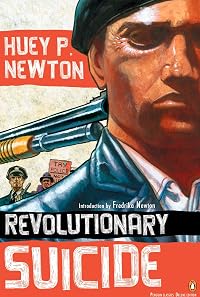
The searing, visionary memoir of founding Black Panther Huey P. Newton Tracing the birth of a revolutionary, Huey P. Newton's famous and oft-quoted autobiography is as much a manifesto as a portrait of the inner circle of America's Black Panther Party. From Newton's impoverished childhood on the streets of Oakland to his adolescence and struggles with the system, from his role in the Black Panthers to his solitary confinement in the Alameda County Jail, Revolutionary Suicide is unrepentant show more and thought-provoking in its portrayal of inspired radicalism. For more than seventy years, Penguin has been the leading publisher of classic literature in the English-speaking world. With more than 1,700 titles, Penguin Classics represents a global bookshelf of the best works throughout history and across genres and disciplines. Readers trust the series to provide authoritative texts enhanced by introductions and notes by distinguished scholars and contemporary authors, as well as up-to-date translations by award-winning translators. show lessTags
Recommendations
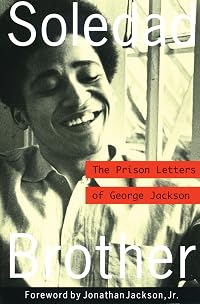


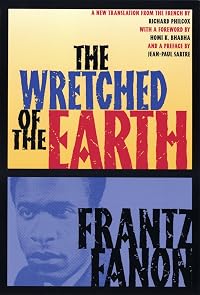
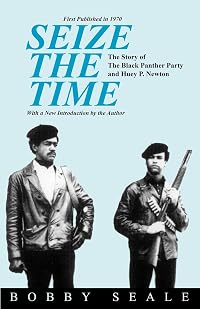

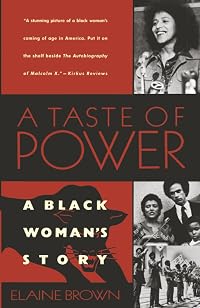
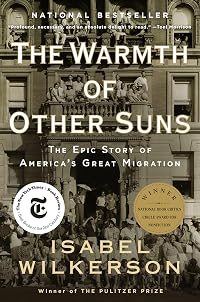
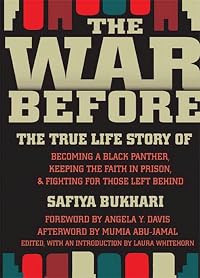
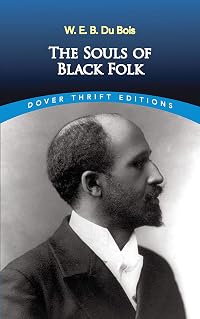




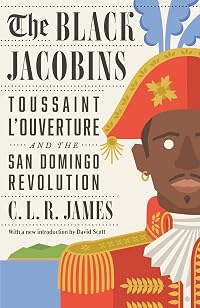
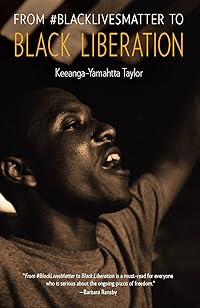
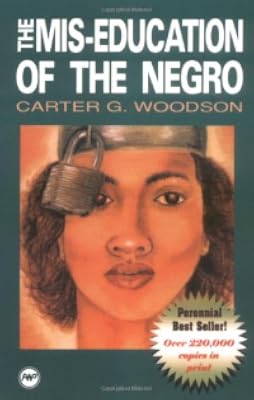
Member Recommendations
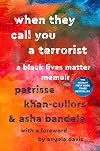
Member Reviews
I didn’t know much about the Black Panther Party or Huey P. Newton before reading this book – only what I was “taught” in school. And I don’t think Huey P. Newton was mentioned at all. He was an amazing human being. He was functionally illiterate when he graduated from high school and taught himself to read using Plato’s Republic. Not Dick and Jane – Plato! After that, he read widely and formed a lot of the Black Panther’s philosophy from the books he read – Karl Marx, Mao Zedong and the like. He was very intelligent and a great strategist.
In many ways, Black people’s interactions with the police have actually gotten worse since that time. The Black Panthers openly carried firearms in public. Can you imagine if Black show more people tried to do that today? They also carried law books with them and would read from them to police officers when police officers were trying to wrongly arrest somebody something or otherwise violate a person’s rights. If a Black person tried to pull out a law book today during a police encounter, it would not go over well. The policeman would get mad and the situation would escalate. But back then, it actually worked sometimes.
Sometimes the Black Panthers would come across a policeman stopping a citizen and they would stand at a distance with their weapons to let the police know that they were being watched. Today, people do the same thing by pulling out their cell phones to record these situations. It’s sad that over forty years later, the police still need bystanders to hold them accountable for their behavior.
I learned a lot about Newton and the Black Panthers from reading this book. I still have more to learn and plan on seeking out more books about this topic and time in history. Highly recommended. show less
In many ways, Black people’s interactions with the police have actually gotten worse since that time. The Black Panthers openly carried firearms in public. Can you imagine if Black show more people tried to do that today? They also carried law books with them and would read from them to police officers when police officers were trying to wrongly arrest somebody something or otherwise violate a person’s rights. If a Black person tried to pull out a law book today during a police encounter, it would not go over well. The policeman would get mad and the situation would escalate. But back then, it actually worked sometimes.
Sometimes the Black Panthers would come across a policeman stopping a citizen and they would stand at a distance with their weapons to let the police know that they were being watched. Today, people do the same thing by pulling out their cell phones to record these situations. It’s sad that over forty years later, the police still need bystanders to hold them accountable for their behavior.
I learned a lot about Newton and the Black Panthers from reading this book. I still have more to learn and plan on seeking out more books about this topic and time in history. Highly recommended. show less
Huey P. Newton understood and explained with astuteness the function of an establishment (u.s.a) whose goal is to continue the exploitation and ultimate genocide of Black and Brown working class people. It was through Newtons lived experiences that I learned what the true difference between revolutionary and reactionary suicide is and most importantly, I understood the amount of power people hold.
Revolutionary Suicide is largely the autobiography of Huey P. Newton. Despite the promise of the Introduction, there is very little theory present.
Nonetheless, as autobiographies go, this is an intriguing one. Newton is a genuine Marxist-Maoist and his interpretation of how that ideology can benefit black Americans is not one that is spoken of much these days. Seeing him apply these ideas throughout his life and actually living his beliefs reminds one of how different the political climate is today. An engaging, if uneven, read.
Nonetheless, as autobiographies go, this is an intriguing one. Newton is a genuine Marxist-Maoist and his interpretation of how that ideology can benefit black Americans is not one that is spoken of much these days. Seeing him apply these ideas throughout his life and actually living his beliefs reminds one of how different the political climate is today. An engaging, if uneven, read.
I really liked it. Huey Newton's voice is distinct throughout the books. There are no cliches, just an insight into the history of the Black Panther's. It's also a story of fighting, of believing that life is rather lived than lived living dead.
I loved the quotes from various authors at the start of each chapter, and how the book (which I merely skimmed for lack of time to read properly) reads like a novel, and moves the reader emotionally to feel the pain and anxiety of the author and his environment even as it changes.
I loved the quotes from various authors at the start of each chapter, and how the book (which I merely skimmed for lack of time to read properly) reads like a novel, and moves the reader emotionally to feel the pain and anxiety of the author and his environment even as it changes.
This book absolutely owns, I finished it in two days. Reading about Huey and the Panthers is beyond inspiring, he speaks the truth.
Members
- Recently Added By
Lists

Hakim's Marxist Book List
46 works; 3 members

BPP Memoirs
23 works; 1 member
Author Information

24+ Works 1,147 Members
All Editions
Some Editions
Series
Belongs to Publisher Series
Common Knowledge
- Canonical title
- Revolutionary Suicide
- Original publication date
- 1973
- People/Characters
- Huey P. Newton
- Important events
- Black Power Movement; Black Panther Movement
Classifications
- Genres
- Nonfiction, Biography & Memoir, General Nonfiction, History, Politics and Government
- DDC/MDS
- 322.4 — Society, government, & culture Political science Relation of the state to organized groups and their members Political action groups
- LCC
- E185.97 .N48 .A3 — History of the United States United States Elements in the population Afro-Americans Biography. Genealogy
- BISAC
Statistics
- Members
- 660
- Popularity
- 43,700
- Reviews
- 9
- Rating
- (4.07)
- Languages
- English
- Media
- Paper, Audiobook, Ebook
- ISBNs
- 10
- UPCs
- 1
- ASINs
- 5