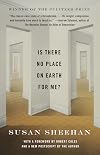
Is There No Place on Earth for Me?
by Susan Sheehan
On This Page
Description
Recounts the lonely, harrowing life of a diagnosed schizophrenic Sylvia Frumkin, whose experience has included frequent hospitalizations from childhood on, bouts with insulin comes, electroshock treatments, and drug therapy.Tags
Recommendations






















Member Reviews
Clear a spot on your calendar because this book will completely absorb you for 48 hours! A writer follows the frustrating and jagged path of a schizophrenic woman through the New York mental health system over decades. Originally appearing as serial articles, the text was never given a vigorous re-edit, so the chronology is a little confusing. However, I think this enhances the merry-go-round heartbreak of this woman's life: institutional admissions, bad drug therapy, huffy exits, broken beginnings, failed ventures, and exasperated family. The family in this case is thankful to push for more openness about the nature and social responses to mental illness. If you have anyone in your life who ever struggled to stay mentally healthy for show more any reason, you should read this book. show less
Using a fictional name, Susan Sheehan tracks the life and history, medical and social, of "Sylvia Frumkin" in her struggles with schizophrenia from it's onset in around high school. Sylvia was a brilliant girl and woman. Doctors remembered her, saying that most patients have personalities that are shades of black, white and greys but Sylvia was psychadellic colors in comparison.
Sheehan actually spent time with "Sylvia", learning her routine, her habits, her loss of rationality and the times it returned to some degree, only to get lost again. Sheehan tracks the patterns of differing medications and treatment plans used for "Sylvia". She pointed out that other areas of medicine have set practices for medicating. But since psychiatry is show more more art than anything, since one person's reaction to a particular medication can be markedly different to the same dosage on another person diagnosed with the same psychological problem.
It was a distressing read, in many ways, listening to behaviors of the hospitalized people, their viciousness. And knowing some can't help it. What intrigued me was the extent to which "Sylvia", when she was out of the hospital, was able to con people into helping her, giving her what she wanted, playing on their sympathies. Once she got what she want, she got intractable, not doing the things she had promised she would do if they helped her.
Sheehan was given incredible access to "Sylvia", her family and her full medical records since it was done with the agreement and support of both "Sylvia" and her family. One of "Sylvia's" doctors agreed to look over her medication history and comment on its benefit to her. Much of her time, when she was taking medication, she was under-medicated, by the doctor's view. Especially when she was hospitalized. In addition to the regular anti-psychotic drugs commonly known, "Sylvia" tried a variety of other treatment efforts, including mega doses of vitamins and including living in born-again Christian homes relying on prayer. Sadly, none of these really helped "Sylvia" for more than a brief period of time. show less
Sheehan actually spent time with "Sylvia", learning her routine, her habits, her loss of rationality and the times it returned to some degree, only to get lost again. Sheehan tracks the patterns of differing medications and treatment plans used for "Sylvia". She pointed out that other areas of medicine have set practices for medicating. But since psychiatry is show more more art than anything, since one person's reaction to a particular medication can be markedly different to the same dosage on another person diagnosed with the same psychological problem.
It was a distressing read, in many ways, listening to behaviors of the hospitalized people, their viciousness. And knowing some can't help it. What intrigued me was the extent to which "Sylvia", when she was out of the hospital, was able to con people into helping her, giving her what she wanted, playing on their sympathies. Once she got what she want, she got intractable, not doing the things she had promised she would do if they helped her.
Sheehan was given incredible access to "Sylvia", her family and her full medical records since it was done with the agreement and support of both "Sylvia" and her family. One of "Sylvia's" doctors agreed to look over her medication history and comment on its benefit to her. Much of her time, when she was taking medication, she was under-medicated, by the doctor's view. Especially when she was hospitalized. In addition to the regular anti-psychotic drugs commonly known, "Sylvia" tried a variety of other treatment efforts, including mega doses of vitamins and including living in born-again Christian homes relying on prayer. Sadly, none of these really helped "Sylvia" for more than a brief period of time. show less
When I found this book at the library in 2009, I wasn't expecting anything miraculous or amazing. I had tried to read books on schizophrenia and schizophrenics before, and had been sorely disappointed. What I found surprised me.
Susan Sheehan's tale of the life of one schizophrenic woman in a New York psychiatric hospital is enlightening and heart-breaking. It was amazing. The beauty of the book is that Sheehan seems to be the only person who doesn't judge Sylvia Frumkin (real name: Maxine Mason). Frumkin's decent into madness is chronicled as well in the book as you would imagine it being captured in a film documentary.
It is colorful. It is beautiful. It is probably the most wonderful book that most people have never heard of.
Susan Sheehan's tale of the life of one schizophrenic woman in a New York psychiatric hospital is enlightening and heart-breaking. It was amazing. The beauty of the book is that Sheehan seems to be the only person who doesn't judge Sylvia Frumkin (real name: Maxine Mason). Frumkin's decent into madness is chronicled as well in the book as you would imagine it being captured in a film documentary.
It is colorful. It is beautiful. It is probably the most wonderful book that most people have never heard of.
This is a difficult book to read. It's filled with a lot of back history of the mental health system in New Jersey in the late 70's. On the other hand, Sheehan tells a truely sad story of a woman suffering from schizophrenia being shuttled from hosptial to hospital, doctor to doctor, medicine to medicine with no one knowing exactly how to help her. The book is a remarkable expose of how uncaring the health industry, and the world at large, is towards treating and caring for mentally ill people.
Interesting story. Although it is a bit dry and clinical in places, the story is sometimes humerous and Sylvia says some pretty funny things. It is amazing what was done to her in the name of psychiatry.
Ratings
Members
- Recently Added By
Author Information
9+ Works 544 Members
Awards and Honors
Classifications
- Genres
- Nonfiction, General Nonfiction, Biography & Memoir
- DDC/MDS
- 616.89820924 — Applied science & technology Medicine & health Diseases, Allergies, Skin Conditions Nervous Disorders: Autism, Anorexia, OCD Mental disorders: bi-polar/schizophrenia Schizophrenia
- LCC
- RC514 .S49 — Medicine Internal medicine Internal medicine Neurosciences. Biological psychiatry. Neuropsychiatry Psychiatry Psychopathology Psychoses
- BISAC
Statistics
- Members
- 357
- Popularity
- 88,812
- Reviews
- 5
- Rating
- (3.76)
- Languages
- English, German
- Media
- Paper, Ebook
- ISBNs
- 7
- ASINs
- 4