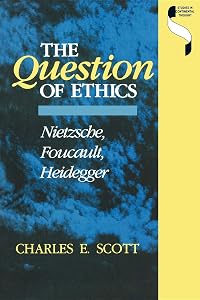
The Question of Ethics: Nietzsche, Foucault, Heidegger
by Charles E. Scott
37 Members (3.00)
On This Page
Description
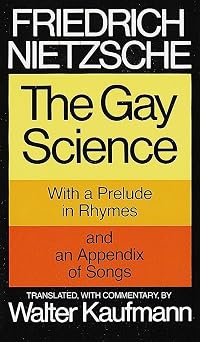
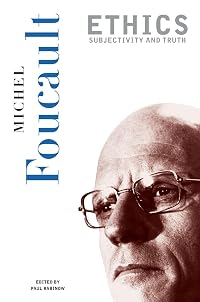
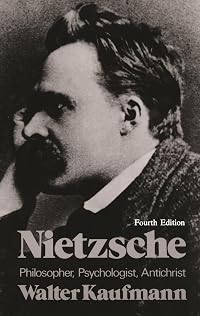
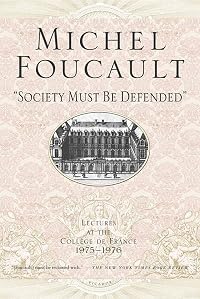
Charles E. Scott's challenging book advances the broad claim that ethics as a way of judging and thinking has come into question as philosophers have confronted suffering and conflicts that arise from our traditional systems of value. The question of ethics arises from nineteenth-century European thought and finds its most effective early expression in Nietzsche's writings. The book shows how the self-overcoming movement of Nietzsche's thought recoils on his own values and, in the context of show more the ascetic ideal, prevents the formation of a normative ethics. After tracing a movement in Foucault's work on the formation of ethical subjectivity similar to that found in Nietzsche's thought, Scott turns to Heidegger, in whose work the question of ethics plays a prominent role but lapses in Heidegger's Rector's Address of 1933. Why did this lapse take place and what were its consequences? Scott shows that Nietzsche's ascetic ideal continued to play a role in Heidegger's thought, mitigating the constructive possibilities of the question of ethics, a question that Heidegger at times brings to bear with exceptional force. show lessTags
Recommendations
























Member Reviews
Members
- Recently Added By
Author Information
13+ Works 150 Members
Charles E. Scott is Distinguished Professor of Philosophy and Director of the Vanderbilt University Center for Ethics.
Series
Belongs to Publisher Series
Common Knowledge
- Canonical title
- The Question of Ethics: Nietzsche, Foucault, Heidegger
Classifications
Statistics
- Members
- 37
- Popularity
- 783,512
- Rating
- (3.00)
- Languages
- English
- Media
- Paper, Ebook
- ISBNs
- 4