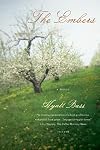
The Embers
by Hyatt Bass
On This Page
Description
A skilled director and screenwriter, Hyatt Bass creates a tale of both regret and rebirth in this debut novel. Emily Ascher's impending marriage forces a family shattered by tragedy and guilt to examine feelings long at rest. Everything changed when Emily's brother died-but what really happened on that cold winter night-and why does her father continue to blame himself for her brother's death?Tags
Recommendations

























Member Reviews
The Story
Emily Asher is just beginning her new life. With a wonderful fiance and blossoming career, all looks to be promising in her future. When she visits the site of her childhood summer home in the Berkshires with her fiance, she is convinced that it is the perfect location for their wedding… despite the fact that the house that once stood there is now gone. As she tours the site, she feels the presence of her brother who has passed away. As she grieves for him, her mother and her husband show up at the property. Emily’s mother doesn’t lend herself to be a positive, supportive presence in her life. And, so it begins that Emily’s ties to her family’s past become to surface as more than just her history, but rather a show more hindrance in her ability to move forward from a place of happiness in her life.
One of Emily’s deepest hurts is tied to her father, Joe, a famous actor and playwright. As she tries to work through her issues with him, she is confronted with a man plagued by his divorce from her mother and his guilt over his son’s untimely death. They have tremendous difficulty trying to find a common space between them where forgiveness can wash over them and create the opportunity for reconciliation between father and daughter.
The Review
After reading Julie’s review of this marvelous book, I couldn’t wait to read it. What I discovered is that I absolutely share Julie’s sentiments about this novel. It is so expertly written, concise and descriptive that it’s hard to believe that this is Hyatt Bass’ debut novel. Although this is Emily’s story, this is also Joe’s story. Bass does a superb job of bringing Joe to life in the minds of this story’s readers. She created such a real, human, and flawed character in Joe. I grew to hold such a soft spot in my heart for him, despite some of his poor decisions. I wanted to see him healed and reconnected to his family. This is a section in the novel about his relationship with a girl that he had befriended and held interesting conversations with, all within the very present fact that his daughter was absent in his life:
“He shut off the machine. He had only a few short days here, and he felt he should be taking advantage of every second. For the last several years, he had been consumed by a desire to create and equally consumed by his inability to do so. But today, at the entrance of Ingrid, something had changed. He had forgotten how wonderfully innocent and unguarded young people could be. He’d tried long ago of writing about cynical adults who deceived and betrayed, and ultimately broke one another. Instead of writing about the darker side of humanity, why not record a series of of conversations between himself and this touchingly amusing teenage girl? The fact that Ingrid reminded him so strongly of his own daughter at that same age had initially steered him away from her as a subject, but he now realized that there was something deeply inspiring for him here. His plays tended toward the self-referential anyway. He had always mined his own life for characters, story lines, and even dialogue, which he often reproduced verbatim. This time, he thought, why not make the writer himself a character in the work and explore the process of the play’s own creation? There was something fascinating to him about the idea of a man’s urge to give birth, in his own way, to another human – something that cut right to the core of what he was or wasn’t and what he could or could not do.”
Discovering what really happened to Emily’s brother, Joe’s son, is a heartbreaking journey of how simple human mistakes alter the entire course of a lifetime… how some things just can’t be undone… and, about how love is so completely fragile. The journey that Bass takes her readers on in this novel is one not soon to be forgotten. It resonates with you as you ponder your own relationships with your parents. The ending of this book brings a hope for a future for this family that wraps up this family saga for me just perfectly!
Sharing In Success
From Hyatt Bass’ website, you will see that she is giving back in her success of this book:
“I serve on the Board of Directors of The New York Women’s Foundation (http://www.nywf.org), and my work with the Foundation was an integral part of writing The Embers. The women I have met and partnered with through the Foundation — including staff, board members, volunteers, and our outstanding grantees — have given me personal inspiration, a sense of community, and a grounding that serves as a much-needed balance to my solitary life as a writer and my chaotic life as a mom. For this, and so much more, I want The New York Women’s Foundation — and other funds like it who are carrying out this incredibly important work — to share in the rewards of The Embers’ sales.
A portion of the book’s proceeds will go to women’s funds throughout the country working to achieve sustainable economic security and an equal and just future.”
The Rating
On Sher’s “Out of Ten Scale,” I am giving The Embers a rating of 9.5 out of 10. I just felt very connected to the characters within this remarkable novel. It was aching and yet beautiful at the same time. It frustrated me and yet made me realize how stubborn and selfish I can be. This was, simply, an unforgettable story. show less
Emily Asher is just beginning her new life. With a wonderful fiance and blossoming career, all looks to be promising in her future. When she visits the site of her childhood summer home in the Berkshires with her fiance, she is convinced that it is the perfect location for their wedding… despite the fact that the house that once stood there is now gone. As she tours the site, she feels the presence of her brother who has passed away. As she grieves for him, her mother and her husband show up at the property. Emily’s mother doesn’t lend herself to be a positive, supportive presence in her life. And, so it begins that Emily’s ties to her family’s past become to surface as more than just her history, but rather a show more hindrance in her ability to move forward from a place of happiness in her life.
One of Emily’s deepest hurts is tied to her father, Joe, a famous actor and playwright. As she tries to work through her issues with him, she is confronted with a man plagued by his divorce from her mother and his guilt over his son’s untimely death. They have tremendous difficulty trying to find a common space between them where forgiveness can wash over them and create the opportunity for reconciliation between father and daughter.
The Review
After reading Julie’s review of this marvelous book, I couldn’t wait to read it. What I discovered is that I absolutely share Julie’s sentiments about this novel. It is so expertly written, concise and descriptive that it’s hard to believe that this is Hyatt Bass’ debut novel. Although this is Emily’s story, this is also Joe’s story. Bass does a superb job of bringing Joe to life in the minds of this story’s readers. She created such a real, human, and flawed character in Joe. I grew to hold such a soft spot in my heart for him, despite some of his poor decisions. I wanted to see him healed and reconnected to his family. This is a section in the novel about his relationship with a girl that he had befriended and held interesting conversations with, all within the very present fact that his daughter was absent in his life:
“He shut off the machine. He had only a few short days here, and he felt he should be taking advantage of every second. For the last several years, he had been consumed by a desire to create and equally consumed by his inability to do so. But today, at the entrance of Ingrid, something had changed. He had forgotten how wonderfully innocent and unguarded young people could be. He’d tried long ago of writing about cynical adults who deceived and betrayed, and ultimately broke one another. Instead of writing about the darker side of humanity, why not record a series of of conversations between himself and this touchingly amusing teenage girl? The fact that Ingrid reminded him so strongly of his own daughter at that same age had initially steered him away from her as a subject, but he now realized that there was something deeply inspiring for him here. His plays tended toward the self-referential anyway. He had always mined his own life for characters, story lines, and even dialogue, which he often reproduced verbatim. This time, he thought, why not make the writer himself a character in the work and explore the process of the play’s own creation? There was something fascinating to him about the idea of a man’s urge to give birth, in his own way, to another human – something that cut right to the core of what he was or wasn’t and what he could or could not do.”
Discovering what really happened to Emily’s brother, Joe’s son, is a heartbreaking journey of how simple human mistakes alter the entire course of a lifetime… how some things just can’t be undone… and, about how love is so completely fragile. The journey that Bass takes her readers on in this novel is one not soon to be forgotten. It resonates with you as you ponder your own relationships with your parents. The ending of this book brings a hope for a future for this family that wraps up this family saga for me just perfectly!
Sharing In Success
From Hyatt Bass’ website, you will see that she is giving back in her success of this book:
“I serve on the Board of Directors of The New York Women’s Foundation (http://www.nywf.org), and my work with the Foundation was an integral part of writing The Embers. The women I have met and partnered with through the Foundation — including staff, board members, volunteers, and our outstanding grantees — have given me personal inspiration, a sense of community, and a grounding that serves as a much-needed balance to my solitary life as a writer and my chaotic life as a mom. For this, and so much more, I want The New York Women’s Foundation — and other funds like it who are carrying out this incredibly important work — to share in the rewards of The Embers’ sales.
A portion of the book’s proceeds will go to women’s funds throughout the country working to achieve sustainable economic security and an equal and just future.”
The Rating
On Sher’s “Out of Ten Scale,” I am giving The Embers a rating of 9.5 out of 10. I just felt very connected to the characters within this remarkable novel. It was aching and yet beautiful at the same time. It frustrated me and yet made me realize how stubborn and selfish I can be. This was, simply, an unforgettable story. show less
The Aschers once lived what seemed a charmed existence. Celebrated playwright and actor Joe married successful actress Laura and they and their two children, Thomas and Emily, enjoyed summers at the family cottage in the Berkshires, their escape from New York City. But beneath the shiny exterior, there are widening fissures and cracks even before seventeen year old Thomas, suffering from lymphoma, dies, an event that exposes the extent of dysfunction and tears the family apart. Hyatt Bass has written an intense family drama in her first novel, The Embers.
Opening with daughter Emily Ascher trying to plan her wedding, wanting to hold it on the hillside where her brother's ashes are scattered, the narrative jumps between the present and show more the past. With Joe and Laura now divorced and each of them having a problematic relationship (or non-relationship) with Emily, the estranged Aschers must come to an uneasy detent, face the tragedy that ripped them apart, and learn to build a fragile future while ackowledging that devastating past. In the face of her wedding to a really nice, amazing guy, Emily still finds herself wondering what her brother would say about her fiance, about the state of their family, about her life and the way in which she has changed, turned herself around. Interwoven with her growing apathy about the wedding, is the history of that fateful year and what really happened the night that Thomas died, why it has wounded each of the Aschers so deeply.
This is a psychological study of a family stepped in bitterness, sorrow, and regret but also of a family wanting to finally reconcile with the past and to be able to move unburdened into the future. It jumps between the past of the 1990s and through to the present of 2007 in each of the voices of the main characters (although Joe's voice dominates) giving the reader insight into each of the characters' ideas about what really happened the night that Thomas died as well as their own personal stories and the state of the family leading up to the tragedy. The various narrations highlight the small and large ways in which each of the characters feels the family as a whole and as individuals has failed him or her. And none of the characters are all that sympathetic, each of them self-absorbed and unable to recognize pain in the others, so focused on their own perceptions that they are blind to the fraying of their relationships.
And yet, despite the lack of emotion, the slowness of the building atmosphere, and the frustration the reader feels towards the obviously damaged characters, the story still weaves a spell that holds the reader's attention. The mystery of what actually happened to Thomas the night he died and how and why the guilt from then has so long been apportioned as it has turns out to be of little importance in the grand scheme of it all although the carefully controlled revelations of more and more information as the story progresses suggests otherwise. It is the chance of reconciliation and healing through Emily's upcoming wedding that ultimately drives the novel. It's powerful, beautifully written, realistic, and elegaic but with a kernel, just the smallest glimmer, of light and hope despite the initial catastrophic unraveling of the family and that makes all the difference. show less
Opening with daughter Emily Ascher trying to plan her wedding, wanting to hold it on the hillside where her brother's ashes are scattered, the narrative jumps between the present and show more the past. With Joe and Laura now divorced and each of them having a problematic relationship (or non-relationship) with Emily, the estranged Aschers must come to an uneasy detent, face the tragedy that ripped them apart, and learn to build a fragile future while ackowledging that devastating past. In the face of her wedding to a really nice, amazing guy, Emily still finds herself wondering what her brother would say about her fiance, about the state of their family, about her life and the way in which she has changed, turned herself around. Interwoven with her growing apathy about the wedding, is the history of that fateful year and what really happened the night that Thomas died, why it has wounded each of the Aschers so deeply.
This is a psychological study of a family stepped in bitterness, sorrow, and regret but also of a family wanting to finally reconcile with the past and to be able to move unburdened into the future. It jumps between the past of the 1990s and through to the present of 2007 in each of the voices of the main characters (although Joe's voice dominates) giving the reader insight into each of the characters' ideas about what really happened the night that Thomas died as well as their own personal stories and the state of the family leading up to the tragedy. The various narrations highlight the small and large ways in which each of the characters feels the family as a whole and as individuals has failed him or her. And none of the characters are all that sympathetic, each of them self-absorbed and unable to recognize pain in the others, so focused on their own perceptions that they are blind to the fraying of their relationships.
And yet, despite the lack of emotion, the slowness of the building atmosphere, and the frustration the reader feels towards the obviously damaged characters, the story still weaves a spell that holds the reader's attention. The mystery of what actually happened to Thomas the night he died and how and why the guilt from then has so long been apportioned as it has turns out to be of little importance in the grand scheme of it all although the carefully controlled revelations of more and more information as the story progresses suggests otherwise. It is the chance of reconciliation and healing through Emily's upcoming wedding that ultimately drives the novel. It's powerful, beautifully written, realistic, and elegaic but with a kernel, just the smallest glimmer, of light and hope despite the initial catastrophic unraveling of the family and that makes all the difference. show less
 This review was written for LibraryThing Early Reviewers.
In contrast to the last Early Reviewers book I received, which I wanted to love and didn't, I didn't want to love this one and did. Go figure.
In The Embers, Hyatt Bass gives us the Ascher family; Dad Joe, Mom Laura, daughter Emily and son Thomas. As the book opens, Emily is planning her wedding, to be held at the site of the family's now-destroyed weekend getaway. As the cover tells us, the family has suffered through the death of Thomas some years before, and is struggling with the fractures and fissures that resulted from his death. This statement is a complete understatement, although as we take this journey with them, we discover that the fractures and fissures were well in place before his illness and death, they were just show more exacerbated by them.
Laura and Joe, who were separated at the time of Thomas' lymphoma diagnosis, reconciled at the time of the diagnosis, but divorced after his death. Laura and Emily hold Joe responsible for the events that led to Thomas' death, and cannot maintain their relationships with Joe or each other, and barely hold on to their relationships with other people as well. Using flashbacks between now and the time of Thomas' illness and death, Bass shows us the deep dysfunction that mars this family's ability to move forward.
I didn't like any of the living members of the Ascher family; the only one I could tolerate was Thomas, and I suspect that had he lived, I wouldn't have liked him either. Joe, according to his daughter, is extraordinarily narcissistic, a bit (or a boatload) of the pot calling the kettle black if you ask me. Clay, her ever-patient fiance, as well as Earl, Laura's ever-patient second husband, have my abject sympathy. Joe, in the meanwhile, is off and about, still writing plays, drinking too much, and in the end, suffering a health crisis that finally allows he and his daughter to eventually reconcile, or at least somewhat.
What saved this story of unlikeable and unsympathetic characters was Bass' prose. It's not spare by any means, but it rings true. There are no magical, unbelievable solutions to this quagmire the Aschers find themselves in, though I often wished there were. Like most of the rest of us, they must sort out their own demons and learn to live with what we get when it comes to our family. Nicely done. show less
In The Embers, Hyatt Bass gives us the Ascher family; Dad Joe, Mom Laura, daughter Emily and son Thomas. As the book opens, Emily is planning her wedding, to be held at the site of the family's now-destroyed weekend getaway. As the cover tells us, the family has suffered through the death of Thomas some years before, and is struggling with the fractures and fissures that resulted from his death. This statement is a complete understatement, although as we take this journey with them, we discover that the fractures and fissures were well in place before his illness and death, they were just show more exacerbated by them.
Laura and Joe, who were separated at the time of Thomas' lymphoma diagnosis, reconciled at the time of the diagnosis, but divorced after his death. Laura and Emily hold Joe responsible for the events that led to Thomas' death, and cannot maintain their relationships with Joe or each other, and barely hold on to their relationships with other people as well. Using flashbacks between now and the time of Thomas' illness and death, Bass shows us the deep dysfunction that mars this family's ability to move forward.
I didn't like any of the living members of the Ascher family; the only one I could tolerate was Thomas, and I suspect that had he lived, I wouldn't have liked him either. Joe, according to his daughter, is extraordinarily narcissistic, a bit (or a boatload) of the pot calling the kettle black if you ask me. Clay, her ever-patient fiance, as well as Earl, Laura's ever-patient second husband, have my abject sympathy. Joe, in the meanwhile, is off and about, still writing plays, drinking too much, and in the end, suffering a health crisis that finally allows he and his daughter to eventually reconcile, or at least somewhat.
What saved this story of unlikeable and unsympathetic characters was Bass' prose. It's not spare by any means, but it rings true. There are no magical, unbelievable solutions to this quagmire the Aschers find themselves in, though I often wished there were. Like most of the rest of us, they must sort out their own demons and learn to live with what we get when it comes to our family. Nicely done. show less
This review was written for LibraryThing Early Reviewers.This book is strange for me in that rarely have I been so fascinated by the lives of people I seriously dislike. Laura and Joe Ascher seem to have it all: married with two children (Thomas and Emily), he is a successful playwright and she is a beautiful, wealthy actress. Of course, behind closed doors their story is quite different: their marriage is unraveling and their children are suffering from their extremely bad parenting. Emily is left to fend for herself as they put all their attention and hopes on Thomas, who is suffocating under their intensity. Laura and Joe separate, but reconcile when Thomas becomes seriously ill. After his death they divorce for good, as Laura and Emily blame Joe for Thomas' death. Now Emily is grown up show more and is getting married and they all must deal with the past to move forward.
All of the main characters in this book are unlikeable, but for some unknown reason I found myself compelled to keep reading the book. I felt most sorry for Joe, the narcissistic father, and thought the real villain of the story was Laura. I tried to be sympathetic toward Emily, but her behavior and bitterness finally just left me cold and tired. I enjoyed Ms. Bass's writing style - I especially loved the final scene when she told one incident from two different points of view. How many times do we presume we know someone else's motivations? I can't say that I enjoyed reading this novel, but I think I'm glad that I did. show less
All of the main characters in this book are unlikeable, but for some unknown reason I found myself compelled to keep reading the book. I felt most sorry for Joe, the narcissistic father, and thought the real villain of the story was Laura. I tried to be sympathetic toward Emily, but her behavior and bitterness finally just left me cold and tired. I enjoyed Ms. Bass's writing style - I especially loved the final scene when she told one incident from two different points of view. How many times do we presume we know someone else's motivations? I can't say that I enjoyed reading this novel, but I think I'm glad that I did. show less
This review was written for LibraryThing Early Reviewers.There is something so beautiful about the dysfunction of family. It’s certainly not a warm and fuzzy something but it certainly makes for a pretty picture or a great novel. While it is certainly a time-honored theme, the crumbling house-hold novel, Hyatt Bass has created a new and vibrant addition to the genre with her tightly knit story of a tragically unraveled family.
The Aschers are a family plagued by animosity but not without their bright spots. Their youngest member, Emily, is engaged to be married. She is a successful lawyer, and in love with her fiance. Despite her mother’s reservations, or, perhaps, because of them, she has picked the ultimate spot for her vow exchange: the family’s once fun-filled country-home in the show more Berkshires. While this may ring true as a reflection of any other family’s good times and happy memories, the Ascher’s land is a source and reminder of the rifts that run between mother, wife, daughter, father and husband.
As wedding plans are made, a semi-linear story is molded, jumping incongruously between a pocket of the 90’s to present-day. A young woman’s fears are pushed on her son, daughter and husband, creating lasting effect, an artist’s love of his art threatens to ruin the lives of his loved ones and two children come of age with their own dark and jaded views of commitment, love and life.
There are two different stories told in The Embers, one of how the past became the present and the other of how the present will become the future. Within those two macro stories, there are micro threads that run through, weaving in the voice of each family member. While it seems like a strange device at first, the idea of intermittently rearranging the narrator allows the short book to expand on each character emotionally in a way that usually doesn’t succeed with so many players. It never becomes confusing as each cast member is allotted his or her own distinct, unique voice.
This is not a fairytale and the men and women are certainly not princes nor are they princesses. Each is deeply flawed in his or her own way, often to the point of paralyzing self-doubt or bitter grudge harboring. This does not dampen the mood of the telling, however. For me, it made each line of thought more realistic in its flaws, rather than sugar-coating what often is in such stories.
The Embers is a fantastic little book and a wonderful debut for Hyatt Bass. show less
The Aschers are a family plagued by animosity but not without their bright spots. Their youngest member, Emily, is engaged to be married. She is a successful lawyer, and in love with her fiance. Despite her mother’s reservations, or, perhaps, because of them, she has picked the ultimate spot for her vow exchange: the family’s once fun-filled country-home in the show more Berkshires. While this may ring true as a reflection of any other family’s good times and happy memories, the Ascher’s land is a source and reminder of the rifts that run between mother, wife, daughter, father and husband.
As wedding plans are made, a semi-linear story is molded, jumping incongruously between a pocket of the 90’s to present-day. A young woman’s fears are pushed on her son, daughter and husband, creating lasting effect, an artist’s love of his art threatens to ruin the lives of his loved ones and two children come of age with their own dark and jaded views of commitment, love and life.
There are two different stories told in The Embers, one of how the past became the present and the other of how the present will become the future. Within those two macro stories, there are micro threads that run through, weaving in the voice of each family member. While it seems like a strange device at first, the idea of intermittently rearranging the narrator allows the short book to expand on each character emotionally in a way that usually doesn’t succeed with so many players. It never becomes confusing as each cast member is allotted his or her own distinct, unique voice.
This is not a fairytale and the men and women are certainly not princes nor are they princesses. Each is deeply flawed in his or her own way, often to the point of paralyzing self-doubt or bitter grudge harboring. This does not dampen the mood of the telling, however. For me, it made each line of thought more realistic in its flaws, rather than sugar-coating what often is in such stories.
The Embers is a fantastic little book and a wonderful debut for Hyatt Bass. show less
The Embers is a sad, sad story.
I say this immediately so any hope you may hold that things are going to improve for the doomed Ascher family will evaporate before you even crack the spine of Hyatt Bass's debut novel. Trust me -- I wish I'd been so warned.
Joe, Laura and Emily are the remaining members of the Ascher clan, three very different, jaded and bitter people dealing with the loss of Thomas, Joe and Laura's son and Emily's older brother. The novel opens in 2007, more than a decade after Thomas's death, and flits between the past and present. We're given the tragic story in pieces, each new development adding to the mosaic of what we know of Joe's narcissistic tendencies to obsess over his plays and acting career, his marital show more problems with Laura, Emily's acts of rebellion and what really happened to Thomas. Nothing is really as it seems, but everything ended up the way I expected it to.
The Embers is an exploration of family, betrayal, grief, forgiveness and aspirations -- and what it means to love and try to love completely. All of these themes were quite well developed, but my fundamental problem with the novel was this: I didn't like any of the characters. Any of them.
To me, everyone in this novel was hopelessly devoid of redemption -- totally self-absorbed, screwed up and blind. The beginning of The Embers was moody, atmospheric and even a little creepy, setting the backdrop for the wedding present-day Emily is planning with kind, gentle fiance Clay. But Emily is so haunted by the death of her brother and weighed down by the complicated non-relationship she has with Joe, she's unable to really be present in her own life. And that's just down-right depressing.
We know that though Laura, Joe and Emily have been living their lives apart in recent years and pretending to have found peace since the tragedy that gutted their family, they must ultimately come back together to truly heal. Are they able to honestly confront the past? Are they, in fact, beyond help?
I won't tell you that, of course. If you're looking for a very deep, gritty and occasionally moving exploration of one family just imploding upon itself, The Embers is a pretty good psychological read. I definitely felt as though I'd been on a journey after finishing, and I closed the book with a knot in my stomach. I'd spent almost 300 pages with people I didn't much care for, and I can only hope they someday find the peace I did after finally finishing this one! show less
I say this immediately so any hope you may hold that things are going to improve for the doomed Ascher family will evaporate before you even crack the spine of Hyatt Bass's debut novel. Trust me -- I wish I'd been so warned.
Joe, Laura and Emily are the remaining members of the Ascher clan, three very different, jaded and bitter people dealing with the loss of Thomas, Joe and Laura's son and Emily's older brother. The novel opens in 2007, more than a decade after Thomas's death, and flits between the past and present. We're given the tragic story in pieces, each new development adding to the mosaic of what we know of Joe's narcissistic tendencies to obsess over his plays and acting career, his marital show more problems with Laura, Emily's acts of rebellion and what really happened to Thomas. Nothing is really as it seems, but everything ended up the way I expected it to.
The Embers is an exploration of family, betrayal, grief, forgiveness and aspirations -- and what it means to love and try to love completely. All of these themes were quite well developed, but my fundamental problem with the novel was this: I didn't like any of the characters. Any of them.
To me, everyone in this novel was hopelessly devoid of redemption -- totally self-absorbed, screwed up and blind. The beginning of The Embers was moody, atmospheric and even a little creepy, setting the backdrop for the wedding present-day Emily is planning with kind, gentle fiance Clay. But Emily is so haunted by the death of her brother and weighed down by the complicated non-relationship she has with Joe, she's unable to really be present in her own life. And that's just down-right depressing.
We know that though Laura, Joe and Emily have been living their lives apart in recent years and pretending to have found peace since the tragedy that gutted their family, they must ultimately come back together to truly heal. Are they able to honestly confront the past? Are they, in fact, beyond help?
I won't tell you that, of course. If you're looking for a very deep, gritty and occasionally moving exploration of one family just imploding upon itself, The Embers is a pretty good psychological read. I definitely felt as though I'd been on a journey after finishing, and I closed the book with a knot in my stomach. I'd spent almost 300 pages with people I didn't much care for, and I can only hope they someday find the peace I did after finally finishing this one! show less
This review was written for LibraryThing Early Reviewers.I am unsure of how to begin this review because I am still trying to wrap my head around my feelings about The Embers. The thing is, I liked the book. I REALLY liked the book, even more than I expected to – but I’m not sure why. I can say with absolute certainty that one of the reasons the book spoke to me so much was Bass’ beautiful writing. She definitely has an amazing talent at crafting passages and conversations between characters that draw the reader in and really make you think. Another reason I think I enjoyed the book so much was because of my difficulty in parting with it for any length of time. Something about the story and the characters just grabbed me and didn’t let go.
Here’s the weird part: I didn’t like any show more of the characters, and the entire time I was reading this novel I kept thinking to myself, “these people are so annoying. I should be hating this book right now, but I’m not. Why is that?!” The three main characters were all so completely self-absorbed, so unaware of the world around them, and I had a really difficult time with all three of them. I honestly cannot think of another book I’ve read recently where I so detested the characters but still enjoyed the book, so it’s really a tribute to Bass’s phenomenal writing and story telling abilities that made me come away with a deep appreciation for this novel.
I always have a soft spot in my heart for books that go back and forth between time periods – if it’s done well, this effect can really make a huge impact on the reader. The Embers is an example of this – I never felt lost or confused while reading the book, even though it was jumping between time periods and different characters’ points of view. I really can’t say enough about Hyatt Bass here – she truly has put together a stunning debut, with flawed but (sadly) realistic characters and an interesting, fast-moving plot. There was a lot I loved about the book, even though I’m having a difficult time articulating the specifics right now. :) Just know that I couldn’t put it down, and I am anxiously awaiting something new from Ms. Bass! show less
Here’s the weird part: I didn’t like any show more of the characters, and the entire time I was reading this novel I kept thinking to myself, “these people are so annoying. I should be hating this book right now, but I’m not. Why is that?!” The three main characters were all so completely self-absorbed, so unaware of the world around them, and I had a really difficult time with all three of them. I honestly cannot think of another book I’ve read recently where I so detested the characters but still enjoyed the book, so it’s really a tribute to Bass’s phenomenal writing and story telling abilities that made me come away with a deep appreciation for this novel.
I always have a soft spot in my heart for books that go back and forth between time periods – if it’s done well, this effect can really make a huge impact on the reader. The Embers is an example of this – I never felt lost or confused while reading the book, even though it was jumping between time periods and different characters’ points of view. I really can’t say enough about Hyatt Bass here – she truly has put together a stunning debut, with flawed but (sadly) realistic characters and an interesting, fast-moving plot. There was a lot I loved about the book, even though I’m having a difficult time articulating the specifics right now. :) Just know that I couldn’t put it down, and I am anxiously awaiting something new from Ms. Bass! show less
This review was written for LibraryThing Early Reviewers.Members
- Recently Added By
Author Information
2 Works 171 Members
Common Knowledge
- Canonical title
- The Embers
- People/Characters
- Emily Ascher; Laura; Joe Ascher; Thomas Ascher; Clay; Gina (show all 9); Eric Pascal; Ingrid; Earl
- Important places
- New York, New York, USA; Berkshires, Massachusetts, USA; Berkshire Hills, Massachusetts, USA
- Dedication
- For Josh, my blazing hearth
- First words
- It was odd how quickly nature reclaimed the land.
- Last words
- (Click to show. Warning: May contain spoilers.)And against this changing backdrop, the moon seemed to hang like a giant pearl suspeded over the heads of everyone there - the friends, the acquaintances and the beautiful strangers.
- Blurbers
- Moriarty, Laura
Classifications
Statistics
- Members
- 166
- Popularity
- 196,592
- Reviews
- 49
- Rating
- (3.04)
- Languages
- English
- Media
- Paper, Audiobook, Ebook
- ISBNs
- 6
- ASINs
- 4