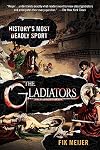
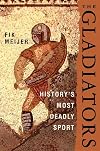
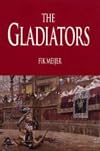
The Gladiators: History's Most Deadly Sport
by Fik Meijer
On This Page
Description
An analysis of the lives of ancient Rome's gladiators explores how they were both despised and hero-worshiped, chronicling how tens of thousands of gladiators perished publicly over the course of six hundred years. Superfit, muscled, and macho, gladiators were hero-worshiped for their skills and courage as they fought to the death, yet despised for their humble status. For over six cruel centuries, tens of thousands died in the blood soaked arenas of Rome and its colonies, watched by show more enthralled crowds screaming for violence. Drawn from prisoners of war, slaves, convicts, and in later centuries, Roman citizens fighting for money and excitement, the gladiators lived inside gladiator schools where they trained in special fighting techniques: the retiarius with net and trident, the thraex with short sword and round shield, the secutor, the murmillo, the hoplomachue. Few lived to old age or found freedom again. Fewer still lived to tell their tale. Professor Fik Meijer has ingeniously pieced together their true stories from grave epitaphs, graffiti, mosaics, frescoes and engravings, from artifacts found under the ashes of Pompeii, and quotations from ancient Roman writers, as well as his close study of Greek and Etruscan history. He describes the gladiators' origins, daily life, training, the odds of their survival pitted against the emperors' lust for blood and spectacle. He also illustrates the vast, complex organization and expense incurred in staging the gladiatorial shows. Meijer traces the origins of the gladiators over 2,500 years, from the initial belief that their blood spilled on a grave would sustain the dead on its journey to the underworld. Yet, as centuries passed and the Roman Empire grew, gladiators became part of vaster, more brutal entertainments staged by successive emperors eager to manipulate the public with "bread and circuses" and to exhibit their supreme power over men and animals, life and death. As more and more grandiose performances were staged, the Coliseum was built and copied all over the Roman Empire, and the extravagant spectacles ran all day. The morning show began with the "hunting" of animals, sometimes in the thousands, followed by wild animal fights: bear against bull or captured slaves, Christians against crocodiles, lions, tigers, hippopotamuses even, all shipped from Rome's African colonies. At lunchtime came the public executions: death by sword, burning at the stake, crucifixions, and in the afternoon the long-awaited, much applauded gladiator fights, the day's main attraction. There were even sea battles where the great arenas were flooded. This book brings to life the men at the center of Rome's most popular sport, describing their private lives and the public adulation that made them the stars of their age. He also compares the real evidence of their lives against popular portrayals of gladiators in Hollywood films such as Spartacus and Gladiator. -- Publisher description show lessTags
Recommendations























Member Reviews
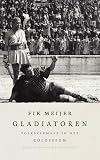
Gladiatoren, volksvermaak in het Colosseum door Fik Meijer
We begrijpen het heden door onze geschiedenis te bestuderen. Onder deze zegswijze schreef Fik Meijer het boek Gladiatoren, volksvermaak in het Colosseum. Hij geeft zelf aan dat er in het verleden al vele boeken over gladiatoren, het Colosseum en het vooral het Romeinse Rijk zijn geschreven maar dat het uitermate interessant is om eens te kijken wat er van dit gewelddadige spektakel is overgebleven in onze moderne tijd.
Deze vraagstelling beantwoordt Meijer onmiddellijk door ons een spiegel van de sportwereld voor te houden. Er zijn weliswaar tussen mensen geen gevechten op leven en dood meer, maar een ring waarin een bokswedstrijd tot bloedens toe in knock-out eindigt, een joelend show more voetbalstadion waar veertigduizend supporters achter hun ploeg staan of een arena waar met plezier een stier wordt gedood, zijn de (brood en) spelen van vandaag.
Verder bestudeert hij het ontstaan van gladiatorgevechten, het verloop van duels doorheen de geschiedenis en de verheerlijking van geweld op het tv-scherm en computerspellen. Meijer geeft ons ook aan de hand van authentieke getuigenissen een gedetailleerd verslag van een dag in het Colosseum.
Met dit boek probeert Fik Meijer het gewelddadige in de mens te begrijpen. Waarom hanteerden gladiatoren een bepaalde strijdwijze? Hoe komt het dat de Romeinen zo tuk waren op openbare executies? Wie maakte zoveel kosten in het transporteren en het afslachten van talrijke exotische dieren? Waarom zien wij vandaag met plezier films als Spartacus en Gladiator?
Gladiatoren, volksvermaak in het Colosseum is een zeer leerrijk en volgens mij waarheidsgetrouw boek. Meijer hanteert een vlotte en makkelijk leesbare schrijfstijl zodat dit zwaarwegende thema toegankelijk wordt voor elke lezer. Het Romeinse Rijk bracht onze Westerse beschaving een rechtssysteem, kunst, weginfrastructuur enz… maar zorgde tegelijkertijd voor verheerlijking van gruwel en geweld. Een geschiedenis die we dus niet mogen vergeten en waar we zeker af en toe eens bij moeten stilstaan. show less
We begrijpen het heden door onze geschiedenis te bestuderen. Onder deze zegswijze schreef Fik Meijer het boek Gladiatoren, volksvermaak in het Colosseum. Hij geeft zelf aan dat er in het verleden al vele boeken over gladiatoren, het Colosseum en het vooral het Romeinse Rijk zijn geschreven maar dat het uitermate interessant is om eens te kijken wat er van dit gewelddadige spektakel is overgebleven in onze moderne tijd.
Deze vraagstelling beantwoordt Meijer onmiddellijk door ons een spiegel van de sportwereld voor te houden. Er zijn weliswaar tussen mensen geen gevechten op leven en dood meer, maar een ring waarin een bokswedstrijd tot bloedens toe in knock-out eindigt, een joelend show more voetbalstadion waar veertigduizend supporters achter hun ploeg staan of een arena waar met plezier een stier wordt gedood, zijn de (brood en) spelen van vandaag.
Verder bestudeert hij het ontstaan van gladiatorgevechten, het verloop van duels doorheen de geschiedenis en de verheerlijking van geweld op het tv-scherm en computerspellen. Meijer geeft ons ook aan de hand van authentieke getuigenissen een gedetailleerd verslag van een dag in het Colosseum.
Met dit boek probeert Fik Meijer het gewelddadige in de mens te begrijpen. Waarom hanteerden gladiatoren een bepaalde strijdwijze? Hoe komt het dat de Romeinen zo tuk waren op openbare executies? Wie maakte zoveel kosten in het transporteren en het afslachten van talrijke exotische dieren? Waarom zien wij vandaag met plezier films als Spartacus en Gladiator?
Gladiatoren, volksvermaak in het Colosseum is een zeer leerrijk en volgens mij waarheidsgetrouw boek. Meijer hanteert een vlotte en makkelijk leesbare schrijfstijl zodat dit zwaarwegende thema toegankelijk wordt voor elke lezer. Het Romeinse Rijk bracht onze Westerse beschaving een rechtssysteem, kunst, weginfrastructuur enz… maar zorgde tegelijkertijd voor verheerlijking van gruwel en geweld. Een geschiedenis die we dus niet mogen vergeten en waar we zeker af en toe eens bij moeten stilstaan. show less
Dec 3, 2017Dutch
Ratings
Members
- Recently Added By
Author Information

45+ Works 1,173 Members
Common Knowledge
- Canonical title*
- Gladiaattorit : Taistelijat kuoleman areenoilla
- Original title
- Gladiatoren : Volksvermaak in het Colosseum
- Original publication date
- 2003
- Important places
- Ancient Rome; Colosseum, Rome, Italy
*Some information comes from Common Knowledge in other languages. Click "Edit" for more information.
Classifications
Statistics
- Members
- 257
- Popularity
- 125,654
- Reviews
- 1
- Rating
- (3.70)
- Languages
- 7 — Dutch, English, Finnish, German, Italian, Swedish, Turkish
- Media
- Paper
- ISBNs
- 17