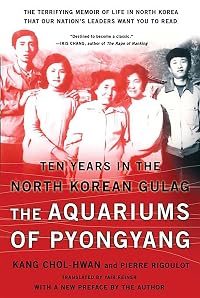
The Aquariums Of Pyongyang: Ten Years In The North Korean Gulag
by Chol-hwan Kang
On This Page
Description
Part horror story, part historical document, part memoir, part political tract, one man's suffering gives eyewitness proof to an ongoing sorrowful chapter of modern history.Tags
Recommendations
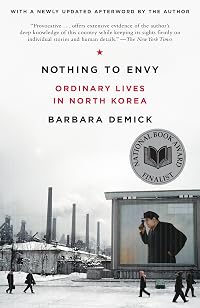
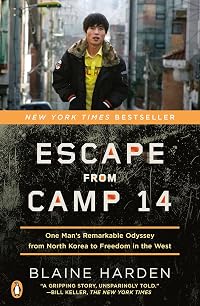
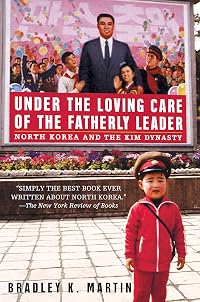

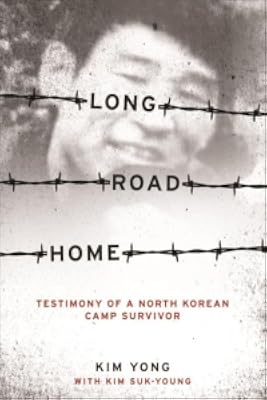
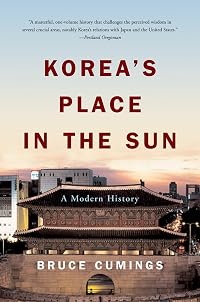
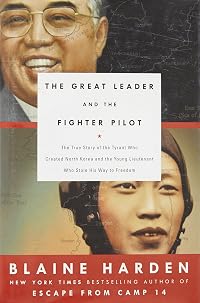
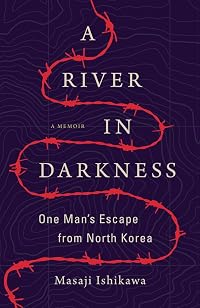



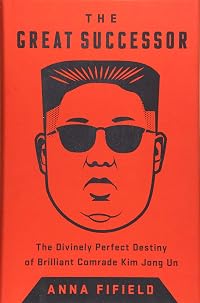
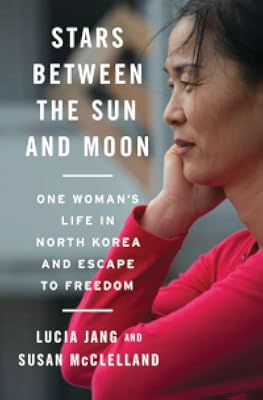

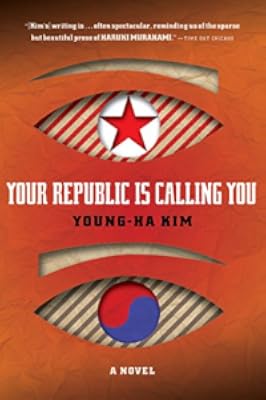

Member Recommendations
Member Reviews
A moving account of his life by a refugee from North Korea. Imprisoned with his family in a labour camp at the age of 9 due to alleged political "crimes" committed by his grandfather, he spent the following decade there, working as a slave labourer and having to catch rats and salamanders to supplement the starvation diet in the camp (and there are camps far worse there as well). I have read a fair amount of Nazi and Soviet camp literature, but the stark horrors of North Korean oppression and fanaticism have a dimension that is quite unique, partly I guess because this regime still exists and seems as ostensibly strong and grotesque as ever under its new young leader, Kim Jong-un. A few years after his release in 1987, he sensed the show more long arm of the security agents closing in on him again for listening to South Korean radio broadcasts. He and a friend resolved to escape the country by way of China, and eventually reached South Korea, though having to keep his escape an absolute secret, he could not tell his plans even to his surviving family, who remain trapped in the Hermit State to this day. His efforts and those of other refugees from the North to acclimatise to life in a much freer and more prosperous society are especially moving and pathetic (in the true sense of the word). His was one of the first accounts to emerge on life in North Korea and gives some cause for optimism, not only as it shows a personal happy outcome for the author, but also gave him the opportunity to expose the regime's atrocities to a wider audience. show less
A Journey No Person Should Ever Need to Take
"Aquariums of Pyongyang" is one of the first books I read about the experience of people in North Korea. It details a young man's family's life in the North Korean gulag. It is one of several recent biographies that show the sheer violence and absurdity of everyday life in North Korea.
The book begins with Chol-hwan Kang's life as a middle-class resident of Pyongyang. The family was thrown into the gulag without reason. There, they suffered years and years of hardship, which Kang details in this book. Kang escaped the country through his own cunning and then made it to safety through a network of like-minded people fighting for North Korean citizens.
This book offers something that human rights show more reports cannot: the author's own heart-wrenching story. It is not filled with statistics and numbers, but it is filled with family and feelings. This makes "The Aquariums of Pyongyang" unforgettable. show less
"Aquariums of Pyongyang" is one of the first books I read about the experience of people in North Korea. It details a young man's family's life in the North Korean gulag. It is one of several recent biographies that show the sheer violence and absurdity of everyday life in North Korea.
The book begins with Chol-hwan Kang's life as a middle-class resident of Pyongyang. The family was thrown into the gulag without reason. There, they suffered years and years of hardship, which Kang details in this book. Kang escaped the country through his own cunning and then made it to safety through a network of like-minded people fighting for North Korean citizens.
This book offers something that human rights show more reports cannot: the author's own heart-wrenching story. It is not filled with statistics and numbers, but it is filled with family and feelings. This makes "The Aquariums of Pyongyang" unforgettable. show less
North Korea's much in the news at the moment, so it seemed appropriate to give Kang Chol-hwan's memoir of life in one of the country's gulags the time I'd always intended. Though it covers a period prior to the current famine and escalation in tensions, the delusion, paranoia and adolescent egotism of the country's dictators is much in evidence. Some have criticised Chol-hwan and Rigolout for the lack of urgency in their prose, but the contemplative style shows the mundanity of the inhumanity inflicted on North Koreans more shockingly than any tabloid language could. The disturbing nature of the torture is almost matched by the hints of nostalgia that peak through the prose – a reminder of how little the victims of the Kim regime show more expect from the world. show less
I almost didn't read this book when in the author's forward he described meeting George Bush in the White House and his connection with Bush in that they are both born-again Christians. The meeting is apparently also described in Bush's book Decision Points, and I feared a political agenda would underly this memoir of growing up in a North Korean prison camp. I needn't have feared--this is a vivid, touching and generous painting of a child's life in North Korea, and how early he was forced into the rigors of adulthood in a prison camp.
Kang's family lived in Japan as expatriate Koreans, and became quite wealthy. Kang's grandmother, inspired by the idealism of communism, insisted that the family return to North Korea. On their return, show more their life was good, though not as comfortable as they had lived in Japan, and Kang's early childhood was idyllic and carefree. Then in 1977, when Kang was 9, the entire family was exiled to a remote prison camp because of a statement made by his grandfather. Only his mother was spared, as she came from a "hero" family. Kang experienced 10 years of hardship, deprivation and cruelty, and witnessed the suffering and deaths of children and adults alike. Though there are now other similar books, this was apparently the first memoir by an escapee from the camps, and it is unique in that it focuses on the experience through the eyes of a child, although one who was forced to grow up too soon.
I intend to follow this with Nothing to Envy. show less
Kang's family lived in Japan as expatriate Koreans, and became quite wealthy. Kang's grandmother, inspired by the idealism of communism, insisted that the family return to North Korea. On their return, show more their life was good, though not as comfortable as they had lived in Japan, and Kang's early childhood was idyllic and carefree. Then in 1977, when Kang was 9, the entire family was exiled to a remote prison camp because of a statement made by his grandfather. Only his mother was spared, as she came from a "hero" family. Kang experienced 10 years of hardship, deprivation and cruelty, and witnessed the suffering and deaths of children and adults alike. Though there are now other similar books, this was apparently the first memoir by an escapee from the camps, and it is unique in that it focuses on the experience through the eyes of a child, although one who was forced to grow up too soon.
I intend to follow this with Nothing to Envy. show less
After reading Nothing to Envy: Ordinary Lives in North Korea, I was eager to read more accounts of life behind the Kim curtain. Kang's book was referenced as one of the few personal narratives published in English, so I tracked down a copy. The book was born out of a collaboration with human rights activist, Pierre Rigoulot, and was originally published in French.
The history of Kang's family, their emigration to Japan, and the reception they received upon return is not uncommon, I think. In the 1930s many Koreans emigrated to Japan, then the occupiers of the Korean peninsula, in hopes of a better economic future. Many, like Kang’s grandmother, were very active in Korean communism while there. When the family decided to return to North show more Korea in the late 1960s, it did so with the intention of bolstering the Korean communist society. They donated most of their fortune to the Party and settled in Pyongyang.
Despite this voluntary return and substantial support, the family remained under suspicion for their time abroad, and in 1977 Kang’s grandfather was arrested and never seen again. Shortly after, the rest of the family, including ten year old Kang and his seven year old sister, were sent to the Yodok concentration camp. Such "root and branch" destruction of families is a common punishment for those suspected of not adhering to the Party line. When released in 1987, Kang had a hard time reintegrating into communist society, and eventually defected in 1992.
The account of Kang’s time in the camp is horrific and the fact that it has been published and widely read has bolstered international awareness of human rights violations in North Korea, and even led to Kang meeting with George W. Bush to discuss the issue. The personal account is therefore an import testimony to the atrocities committed by the Kim regime. As a narrative, however, I think it suffers a bit from being told to Rigoulot, through an interpreter, and then constructed. Instead of reflecting the natural gaps in memory and detail after so many years, the story has been fleshed out, much in the way that our waking minds reconstruct our dreams into a narrative. Such smoothing makes me cognizant of the effects time has on memory and story. Still, I would recommend the memoir, especially as a companion read with Nothing to Envy. show less
The history of Kang's family, their emigration to Japan, and the reception they received upon return is not uncommon, I think. In the 1930s many Koreans emigrated to Japan, then the occupiers of the Korean peninsula, in hopes of a better economic future. Many, like Kang’s grandmother, were very active in Korean communism while there. When the family decided to return to North show more Korea in the late 1960s, it did so with the intention of bolstering the Korean communist society. They donated most of their fortune to the Party and settled in Pyongyang.
Despite this voluntary return and substantial support, the family remained under suspicion for their time abroad, and in 1977 Kang’s grandfather was arrested and never seen again. Shortly after, the rest of the family, including ten year old Kang and his seven year old sister, were sent to the Yodok concentration camp. Such "root and branch" destruction of families is a common punishment for those suspected of not adhering to the Party line. When released in 1987, Kang had a hard time reintegrating into communist society, and eventually defected in 1992.
The account of Kang’s time in the camp is horrific and the fact that it has been published and widely read has bolstered international awareness of human rights violations in North Korea, and even led to Kang meeting with George W. Bush to discuss the issue. The personal account is therefore an import testimony to the atrocities committed by the Kim regime. As a narrative, however, I think it suffers a bit from being told to Rigoulot, through an interpreter, and then constructed. Instead of reflecting the natural gaps in memory and detail after so many years, the story has been fleshed out, much in the way that our waking minds reconstruct our dreams into a narrative. Such smoothing makes me cognizant of the effects time has on memory and story. Still, I would recommend the memoir, especially as a companion read with Nothing to Envy. show less
Kang Chol-Hwan's autobiographical novel is tragic and at times deeply unsettling, but it has a happy ending of sorts - otherwise the former political prisoner of one of the many labour camps in North Korea would never have set pen to paper. Kang's family moved to North Korea when he was a child, after his grandparents, Koreans living in Japan, had become convinced that the Communist state was the utopia they had always been seeking. It did not work out that way - but the manner in which things went wrong for the family is best left for Kang to tell. 'The Aquariums of Pyongyang' is an essential read, especially given the recent interest directed towards North Korea and the Trumpian attempts to effect a reconciliation.
Kang Chol-hwan was 9 years old in the late 1970s when his family was removed to Yodok, North Korean concentration camp #15. The reason was his grandfather.
In the 1930s, his grandparents had emigrated separately from Korea to Japan. They met and married and raised four sons. The grandfather became a wealthy businessman, the grandmother became a political activist, and after the Korean War she persuaded the family to return to North Korea to help build the country. The North Korean government placed the grandfather in a prominent position in Pyongyang (and took his money). But while the grandmother remained a true believer, the grandfather never had been; his criticism eventually went too far, and one day he disappeared forever. Soon show more afterward, the rest of the household was rounded up for reeducation. By this time, the household consisted of the grandparents and two sons, one with a wife and two children (Kang and his younger sister). The wife, deemed innocent, was left behind and forced to divorce, though she tried to join the others. The family was held in Yodok for ten years, then released suddenly without notice, probably because the grandfather died. Some years later, Kang escaped to South Korea.
Yodok has all the horrors you would expect of its ilk: brutality, starvation, disease, cold (the building devoted to Kim Il-sung’s portrait was heated; buildings occupied by prisoners were not). The story is told loosely chronologically, as Kang matured from child (half day of school, half day of labor) to young man (full day of labor). Family members were kept together in primitive huts. With savvy maneuvering, Kang and his uncle were able to scrounge food; the area near the huts was stripped bare, but labor further afield offered opportunities to collect plants, bugs, worms, and small animals. The grandmother, remorseful and weakened by pellagra, was the emotional glue, and encouraged resilience in the others with characteristic willfulness and creative cookery. (Another family enterprisingly rearranged the space and used one room to raise rats for food.)
The book was actually written by two people, the North Korean concentration camp survivor and a French journalist, then translated into English. I wondered sometimes whether a man in his 30s could remember events of his childhood in fully accurate detail, but as far as I’m aware the basic facts are not in doubt. Its purpose was to reveal the horrors of North Korea, so it is more about objective features of Yodok than about the psychological interior of Kang; though he mentions the necessity of numbing to sadistic treatment and gruesome death, and the difficulty of adjusting to civilian life in North Korea and to an unimaginably free life in South Korea, he does not dwell, and his personality is somewhat subsumed to documentary style. I’d consider it more a supplement to other books than a top recommendation. show less
In the 1930s, his grandparents had emigrated separately from Korea to Japan. They met and married and raised four sons. The grandfather became a wealthy businessman, the grandmother became a political activist, and after the Korean War she persuaded the family to return to North Korea to help build the country. The North Korean government placed the grandfather in a prominent position in Pyongyang (and took his money). But while the grandmother remained a true believer, the grandfather never had been; his criticism eventually went too far, and one day he disappeared forever. Soon show more afterward, the rest of the household was rounded up for reeducation. By this time, the household consisted of the grandparents and two sons, one with a wife and two children (Kang and his younger sister). The wife, deemed innocent, was left behind and forced to divorce, though she tried to join the others. The family was held in Yodok for ten years, then released suddenly without notice, probably because the grandfather died. Some years later, Kang escaped to South Korea.
Yodok has all the horrors you would expect of its ilk: brutality, starvation, disease, cold (the building devoted to Kim Il-sung’s portrait was heated; buildings occupied by prisoners were not). The story is told loosely chronologically, as Kang matured from child (half day of school, half day of labor) to young man (full day of labor). Family members were kept together in primitive huts. With savvy maneuvering, Kang and his uncle were able to scrounge food; the area near the huts was stripped bare, but labor further afield offered opportunities to collect plants, bugs, worms, and small animals. The grandmother, remorseful and weakened by pellagra, was the emotional glue, and encouraged resilience in the others with characteristic willfulness and creative cookery. (Another family enterprisingly rearranged the space and used one room to raise rats for food.)
The book was actually written by two people, the North Korean concentration camp survivor and a French journalist, then translated into English. I wondered sometimes whether a man in his 30s could remember events of his childhood in fully accurate detail, but as far as I’m aware the basic facts are not in doubt. Its purpose was to reveal the horrors of North Korea, so it is more about objective features of Yodok than about the psychological interior of Kang; though he mentions the necessity of numbing to sadistic treatment and gruesome death, and the difficulty of adjusting to civilian life in North Korea and to an unimaginably free life in South Korea, he does not dwell, and his personality is somewhat subsumed to documentary style. I’d consider it more a supplement to other books than a top recommendation. show less
Members
- Recently Added By
Lists

Writers at Risk
106 works; 17 members

r/History Recommended Reading List
603 works; 12 members

r/AskHistorians' Recommended Books
1,068 works; 18 members

North Korean Authors
15 works; 2 members
Author Information

4 Works 885 Members
All Editions
Common Knowledge
- Canonical title
- The Aquariums Of Pyongyang: Ten Years In The North Korean Gulag
- Original title
- Les aquariums de Pyongyang
- Original publication date
- 2000-06-15
- People/Characters
- Kang Chol-hwan; Yair Reiner (translator)
- Important places
- Yodok Camp, North Korea; North Korea
- First words
- November 1999. Weighed down by jet lag and four hours of interviewing, I let myself be driven around in silence.
- Last words
- (Click to show. Warning: May contain spoilers.)I want their grandfathers to be aroundd to tell them stories - and their giggles on the banks of the Daedong never to be interrupted by the arrival of buereaucrats from the Security Force.
Classifications
- Genres
- Nonfiction, Biography & Memoir, General Nonfiction, History, Politics and Government, Religion & Spirituality
- DDC/MDS
- 230 — Religion Christianity Christianity
- LCC
- HV9815.6 .K3613 — Social sciences Social pathology. Social and public welfare. Criminology Social pathology. Social and public welfare. Criminal justice administration Penology. Prisons. Corrections By region or country
- BISAC
Statistics
- Members
- 882
- Popularity
- 30,600
- Reviews
- 29
- Rating
- (3.85)
- Languages
- 9 — Czech, Dutch, English, Finnish, French, Italian, Polish, Portuguese, Spanish
- Media
- Paper, Audiobook, Ebook
- ISBNs
- 20
- ASINs
- 7