On This Page
Description
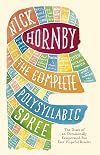
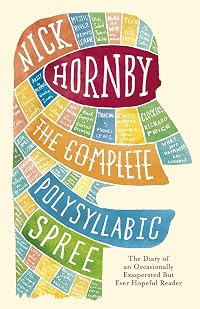
"The Complete Polysyllabic Spree is a full collection of Nick Hornby's 'Stuff I've Been Reading' essays, first published in the Believer magazine in the US, and now assembled in this bumper volume for the delectation and edification of book lovers everywhere." "Through twenty-eight monthly accounts of books bought and books read, Nick Hornby explores the how and when and why and what of reading. From classic midlife crisis ('OK, I should have read David Cooperfield before, and therefore show more deserve to be punished...') to the realization that his lovely, highbrow friends rarely recommend books that have him bumping into lamp-posts, Hornby does battle with the big literary biography (613 pages long - 'Have mercy!'), pursues newly discovered writers to the outermost reaches of their oeuvres, instructs the young Flaubert to get a life, forgets every book he's ever read, and explains the theory behind literary family trees - the way great books give birth to one another." "A testament to the joy and surprise and despair that books bring, The Complete Polysyllabic Spree covers debuts, blockbusters, poems and comics, self-help ('how to stop smoking and stay stopped for good'), sports biographies and literary letters, classics and science (read through panicked tears). Hornby is the perfect guide to this cornucopia of books, engaging the reader with wonderful conversation pieces, hilarious one-liners, lists, ideas, admissions and autobiography. He introduces the magnificent concept of a Cultural Fantasy Boxing League. And includes bonus material - excerpts from works by Chekhov, Charles Dickens, Patrick Hamilton, and many more."--BOOK JACKET. show lessTags
Recommendations









Member Reviews
Az első Hornby-olvasásom volt, vagyis az első sikeres. Egyszer már nekifutottam a Fever Pitch-nek, de az nagyon nem ment. Persze, láttam egy-két könyvéből készült filmet, és annyian szeretitek, hogy mindenképpen akartam adni neki még egy esélyt. Aztán a Budapesti Molyklub júniusi alkalmára a várólistán legrégebben ücsörgő könyv volt a feladat, és engem ez a könyv várt ott, magyarul. (Még valamikor ezer éve vettem, amikor hajlandó voltam eredetileg angolul megjelenteket magyarul olvasni.) Biztos, ami biztos, ránéztem az eredeti adatlapjára, végigcsillagoztam az idézeteket, mert óriásiak, és felfedeztem, hogy csak 2 font a kindle-változat, úgyhogy megvettem (a folytatás is 2 font, azt is – show more ebből már sejthető, hogy tetszett).
Két nagy baj van vele: az egyik, hogy iszonyúan kedvet csinál egy rakás könyvhöz, amit még nem olvastam, úgyhogy várólista-csökkentés helyett várólista-duplázás lett belőle (jó, nem, de sokkal hosszabb lett). A másik tényleg probléma, de csak a kindle-változatban: az idézett graphic novel olvashatatlan volt, telefonon kellett végül kinagyítani.
Nagyon bírtam a humorát, a folytatást is biztosan el fogom olvasni. Egy amerikai magazinban megjelenő könyvkritikai rovat cikkeit gyűjtötték össze, szóval ha valaki ott már olvasta… nem valószínű, igaz? Mondjuk annyira személyes és szórakoztató, hogy inkább emlékeztetett valamiféle analóg molyra. Tömegközlekedési eszközökön csak akkor ajánlott olvasni, ha nem zavartatjuk magunkat az időnként kitörő elfojthatatlan vigyorgástól (esetleg kuncogástól, hangos felnevetéstől – gondolom, vérmérsékletfüggő).
A Polysyllabic Spree egyébként a The Polyphonic Spree nevű, a wikipédia szerint pszichedelikus pop és szimfonikus rock műfajokban utazó, soktagú rock kórusra utal (bármit is jelentsen mindez), amúgy pedig egy rendkívül szórakoztató visszatérő poén a váltakozó létszámú szigorú vezetőségről, akik miatt a lehúzó kritikákat például csak szerző és cím nélkül írja.
Hornbyval ismerkedéshez abszolút ajánlott, erős önuralommal rendelkezőknek pláne, különben súlyos várólista-növekedést okozhat (és esetleg bankszámla-zsugorodást, mert könyvtárból kevéssé beszerezhetőek az említett könyvek). show less
Két nagy baj van vele: az egyik, hogy iszonyúan kedvet csinál egy rakás könyvhöz, amit még nem olvastam, úgyhogy várólista-csökkentés helyett várólista-duplázás lett belőle (jó, nem, de sokkal hosszabb lett). A másik tényleg probléma, de csak a kindle-változatban: az idézett graphic novel olvashatatlan volt, telefonon kellett végül kinagyítani.
Nagyon bírtam a humorát, a folytatást is biztosan el fogom olvasni. Egy amerikai magazinban megjelenő könyvkritikai rovat cikkeit gyűjtötték össze, szóval ha valaki ott már olvasta… nem valószínű, igaz? Mondjuk annyira személyes és szórakoztató, hogy inkább emlékeztetett valamiféle analóg molyra. Tömegközlekedési eszközökön csak akkor ajánlott olvasni, ha nem zavartatjuk magunkat az időnként kitörő elfojthatatlan vigyorgástól (esetleg kuncogástól, hangos felnevetéstől – gondolom, vérmérsékletfüggő).
A Polysyllabic Spree egyébként a The Polyphonic Spree nevű, a wikipédia szerint pszichedelikus pop és szimfonikus rock műfajokban utazó, soktagú rock kórusra utal (bármit is jelentsen mindez), amúgy pedig egy rendkívül szórakoztató visszatérő poén a váltakozó létszámú szigorú vezetőségről, akik miatt a lehúzó kritikákat például csak szerző és cím nélkül írja.
Hornbyval ismerkedéshez abszolút ajánlott, erős önuralommal rendelkezőknek pláne, különben súlyos várólista-növekedést okozhat (és esetleg bankszámla-zsugorodást, mert könyvtárból kevéssé beszerezhetőek az említett könyvek). show less
I like the idea of this book - an author sharing his reading choices and reflecting on them - but it's a bit tedious, and Nick Hornby seems to be trying too hard to be witty here.
Another book where the idea is better than the actualisation. I fell in love with the blurb of this book in the bookshop and couldn't resist. It sounded perfect. A book about someone who loves books, but has grown fed up of reading books just because he feels he should. At first I loved it, his attitude to books seemed to match mine and make me feel better about my own reading. But the book soon became a bit of a slog when it made two glaring departures from my reading habits - it talked about poetry and it disliked science fiction. It was frequently funny and only occasionally too silly for my tastes, so I still enjoyed reading most of it, but towards the end if became a bit of a labour, so by Hornby's own advice I should have stopped show more reading. show less
The moment I'd finished I bought myself a first edition, and then another, for a friend's birthday. It's that sort of book. I'll tell you how much I liked it: one paragraph in the story 'When She Is Old and I Am Famous' contained the words 'gowns', 'pumps', 'diva hairdos', 'pink chiffon', ' silk roses', 'couture' and 'Vogue', and, after the briefest shudder, I read on anyway.
A really enjoyable collection of Nick Hornby's humorous Stuff I've Been Reading columns from The Believer (an American magazine), which was made even better for me by the fact that the isn't much overlap in our reading tastes, so I only had to add three authors to my wish list. My local library system has several books by Jess Walter and Marilynne Robinson so I show more can try them both out, but they don't have any of Patrick Hamilton's novels (although they do have several of his plays).
For the June/July 2005 column, Nick Hornby decided he should try something different, and chose "Excession", which I wouldn't recommend as an introduction to the Culture let alone as someone's first ever science fiction book, and unsurprisingly he abandoned the entire ill-conceived experiment altogether when faced with the ship to ship conversation in Chapter 1. But where we do overlap is with "Into the Wild", "Death and the Penguin", which he read reluctantly but ended up liking, saying that the penguin is a masterly creation, and "Adrian Mole and the Weapons of Mass Destruction", which he was only lukewarm about. show less
A really enjoyable collection of Nick Hornby's humorous Stuff I've Been Reading columns from The Believer (an American magazine), which was made even better for me by the fact that the isn't much overlap in our reading tastes, so I only had to add three authors to my wish list. My local library system has several books by Jess Walter and Marilynne Robinson so I show more can try them both out, but they don't have any of Patrick Hamilton's novels (although they do have several of his plays).
For the June/July 2005 column, Nick Hornby decided he should try something different, and chose "Excession", which I wouldn't recommend as an introduction to the Culture let alone as someone's first ever science fiction book, and unsurprisingly he abandoned the entire ill-conceived experiment altogether when faced with the ship to ship conversation in Chapter 1. But where we do overlap is with "Into the Wild", "Death and the Penguin", which he read reluctantly but ended up liking, saying that the penguin is a masterly creation, and "Adrian Mole and the Weapons of Mass Destruction", which he was only lukewarm about. show less
The Complete Polysyllabic Spree by Nick Hornby is a collection of monthly columns written for the Believer magazine in the US, consisting of Hornby's thoughts on what he's read that month (and where I'm nicking this format from). Unlike Gill, Hornby is a much more comfortable writer, used to making you feel at ease, and he guides you through what he's bought that month, what he's read, some sort of explanation for why list A doesn't tally with list B ("I got mugged by a second-hand bookshop", a very familiar excuse to me), what he's thought of what he's read, and filled in with some more general stuff as well. It's a good format, and Hornby makes the most of it. You get some sense that he's altering his reading choices slightly to suit show more the demands of the column, but that's by no means a bad thing, and he has a reasonably eclectic taste (though he has a complete antipathy towards SF - he gives Iain M Banks' Excession a go at one point, and you can feel him sinking under the technobabble almost immediately). I'm a sucker for books about books, and while Hornby does the basic task ("I read this and what I thought was...") easily, he also looks at the questions of why and how we read. The collection format means the book is easily amenable to dipping in and out of, and I found myself reading Hornby's thoughts about a particular book, and then wanting to go off on a tangent to find out more, and in some cases to seek out a book I'd otherwise not necessarily have come across. show less
Jolly good read. Hornby reads his way through a few books each month and writes a review for a magazine, "The Believer", which only wants good things said about the books. This should be taken with a pinch of salt.
I found it quite amazing how many of the books which Hornby bought/read I had never even heard of. I also found myself noting down some books for my wishlist which, recommended by any other reviewer, I probably would have baulked at. It helped that I recently read & liked the author's "A Long Way Down"; I felt that I wanted to read the books he liked.
It was amusing to see him attempt an Iain M Banks Culture novel - his description of the first few pages pretty much encapsulate what I feel about such books - although I love show more Iain's non-M Banks novels. (And yes, if you look at my library, I have several Iain M Banks books. One is mine, unread. The rest are my partner's. Maybe one day I'll read one...) show less
I found it quite amazing how many of the books which Hornby bought/read I had never even heard of. I also found myself noting down some books for my wishlist which, recommended by any other reviewer, I probably would have baulked at. It helped that I recently read & liked the author's "A Long Way Down"; I felt that I wanted to read the books he liked.
It was amusing to see him attempt an Iain M Banks Culture novel - his description of the first few pages pretty much encapsulate what I feel about such books - although I love show more Iain's non-M Banks novels. (And yes, if you look at my library, I have several Iain M Banks books. One is mine, unread. The rest are my partner's. Maybe one day I'll read one...) show less
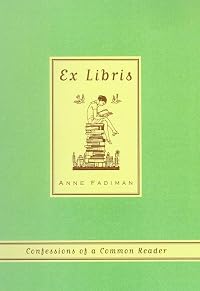
In his collection of columns from the Believer, Hornby achieves the perfect tone for a book journal/column/blog: a wry, blokey version of Anne Fadiman's erudite humility in the face of her bookish oddity. You might at first be alarmed by his fondness for what he calls "Soviet style intervention in the world of literature" (180) - he demands, for instance, the immediate imposition of a quota for all books about writing - but the next month he almost always comes back, aching with contrition, repealing his former edicts and ready to lay down new ones.
Full review at: http://sycoraxpine.blogspot.com/2007/02/more-library-adventures-inspired-by.html
Full review at: http://sycoraxpine.blogspot.com/2007/02/more-library-adventures-inspired-by.html
Members
- Recently Added By
Lists

Books Read in 2014
2,344 works; 89 members

Books Read in 2018
4,360 works; 110 members
Author Information

60+ Works 68,896 Members
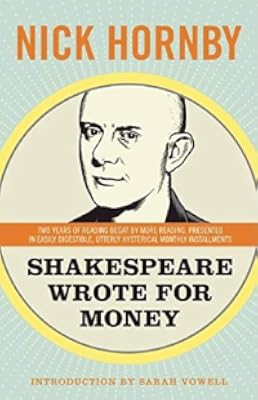
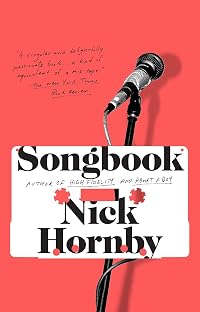
Nick Hornby was born in Redhill, Surrey, England on April 17, 1957. He graduated from Cambridge University where he studied English. His books High Fidelity; Fever Pitch, which won the William Hill Sports Book of the Year Award in 1992; About a Boy and An Education were all made into movies. His other books include Slam; A Long Way Down; How to Be show more Good; Songbook; Shakespeare Wrote for Money; and The Polysyllabic Spree. He has received numerous awards including the American Academy of Arts and Letters' E. M. Forster Award in 1999 and the Orange Word International Writers' London Award in 2003. In addition to his books, his works have appeared in Esquire, Elle, GQ, Time, and Cosmopolitan. In 2015 his title, Funny Girl made The New York Times Bestseller List. (Publisher Provided) show less
Series

Work Relationships
Common Knowledge
- Original publication date
- 2006
- Dedication
- For my wife
- First words
- I began writing this column in the summer of 2003.
- Last words
- (Click to show. Warning: May contain spoilers.)It's good to have it back.
- Disambiguation notice
- ‘The Complete Polysyllabic Spree’ is a British edition that contains both ‘The Polysyllabic Spree’ and ‘Housekeeping vs The Dirt’, which were previously only available in North America.
It should therefore ... (show all)not be combined with ‘The Polysyllabic Spree’.
Classifications
Statistics
- Members
- 587
- Popularity
- 50,254
- Reviews
- 13
- Rating
- (3.67)
- Languages
- English, German
- Media
- Paper, Ebook
- ISBNs
- 7
- ASINs
- 4