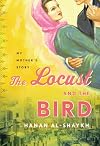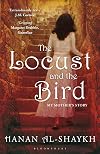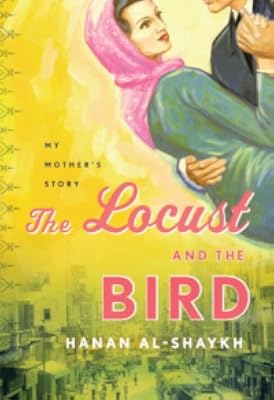
The Locust and the Bird: My Mother's Story
by Hanan Al-Shaykh
On This Page
Description
"In a masterly act of literary transformation, celebrated novelist Hanan al-Shaykh re-creates the dramatic life of her mother, Kamila, in Kamila's own voice. We enter 1930s Beirut through the eyes of the unschooled but irrepressibly spirited nine-year-old child who arrives there from a small village in southern Lebanon. We see her drawn to the excitements of the city, to the thrill of the cinema, and, most powerfully, to Mohammad, the young man who will be the love of her life." "Despite a show more forced marriage at the age of thirteen to a much older man, despite the two daughters she bears him (one of them the author), despite the scandal and embarrassment she brings to her family, Kamila continues to see Mohammad. Finally, after a decade, her husband gives her a divorce, but she must leave her children behind." "The Locust and the Bird is both a tribute to a strong-willed and independent woman and a heartfelt critique of a mother whose decisions were unorthodox and often controversial. As the narrative unfolds through the years (Kamila died in 2001), we follow this passionate, strong, demanding, and captivating woman as she survives the tragedies and celebrates the triumphs of a life lived to the very fullest."--BOOK JACKET. show lessTags
Recommendations















Member Reviews
For much of her life Hanan felt resentment towards her mother, Kamila, who abandoned the family when Hanan was a young girl. Hanan does not come to Kamila when she marries, does not think of her when her own children are born. Later in life the two reconcile, and Kamila asks Hanan repeatedly to write her (Kamila's) life story. The Locust and the Bird primarily tells Kamila's life story, from Kamila's perspective. It begins with the abandonment of Kamila by her own father, forcing herself, as well as her mother and brother, to scavenge for food. Destitute, the family moves in with relatives, leading Kamila be forcibly (while kicking, screaming, tearing at clothes, and running away repeatedly) married to her sister's widower when she is show more only thirteen. Kamila becomes pregnant immediately, to the horror of the doctor present at the delivery. Kamlia is independent and rebellious, and was already head over heels for a sophisticated young man when she was forced to marry. Kamila must determine whether she will take her chance for happiness with her young man, even though it means scandal for the family and being forced to leave her daughters behind, as she is considered an unfit mother.
I found this book to be very enjoyable. It presents a woman who is unique and who's story is interesting and engaging. Although Kamila is not perfect, it is fascinating to read about her struggles and her relationship with her daughters. The only thing I disliked was starting with a section from the author herself (Kamila's daughter), instead of jumping right in with Kamila. The author also provides the last portion of the story, which has a better fit. show less
I found this book to be very enjoyable. It presents a woman who is unique and who's story is interesting and engaging. Although Kamila is not perfect, it is fascinating to read about her struggles and her relationship with her daughters. The only thing I disliked was starting with a section from the author herself (Kamila's daughter), instead of jumping right in with Kamila. The author also provides the last portion of the story, which has a better fit. show less
Hanan al-Shaykh is the author of several books, which often focus on women's issues. In "The Locust and the Bird," she recounts the true story of her mother, Kamila. She clearly envisions the feelings of 13-year-old Kamila, forced to marry a much older man when she is really in love with Mohammed. At an age where most young women are just beginning to form their identities and goals for their future, Kamila becomes a mother.
Kamila possesses a great deal of spunk and is willing to defy the expectations of her family and society in order to pursue her love. She is ostracized for the choices she makes, and points out with irony that no one ostracizes her husband for forcing a 13-year-old into marriage. Kamila's voice challenges the show more traditional roles and expectations of women as she charts her own course. At times her character can appear shallow and selfish, but this serves to remind the reader that the mother of two is, in fact, a young teenager with similar hopes, fears and feelings to other teens.
The love story of Kamila and Mohammad is touching and one can't help but root for them. The story of Kamila's estrangement, and ultimate reconciliation, with the author is equally compelling. This is a short novel but it tackles many themes: mother-daughter relationships, romantic love, and the choices women face in a male-dominated society. It's definitely a worthwhile read. show less
Kamila possesses a great deal of spunk and is willing to defy the expectations of her family and society in order to pursue her love. She is ostracized for the choices she makes, and points out with irony that no one ostracizes her husband for forcing a 13-year-old into marriage. Kamila's voice challenges the show more traditional roles and expectations of women as she charts her own course. At times her character can appear shallow and selfish, but this serves to remind the reader that the mother of two is, in fact, a young teenager with similar hopes, fears and feelings to other teens.
The love story of Kamila and Mohammad is touching and one can't help but root for them. The story of Kamila's estrangement, and ultimate reconciliation, with the author is equally compelling. This is a short novel but it tackles many themes: mother-daughter relationships, romantic love, and the choices women face in a male-dominated society. It's definitely a worthwhile read. show less
This is Ms. al-Shaykh's semi-biography of her mother, told after decades of a relationship marred by the mother's abandonment of her family in order to be with her lover.
On the positive side, it is a interesting work for its depiction of pre-1975 Lebanon, particularly the life of the abjectly poor, illiterate families living away from Beirut. We are exposed to the extended family systems that promise support but sometimes deliver betrayal as individuals climb over their relatives to escape poverty; the forced marriage, through trickery and actual coercion, of a girl at age 13; the patriarchal system that leaves divorced women nigh on desperate. For these aspects of the book, I would recommend it.
On the other side, Hanan al-Shaykh's show more mother, Kamila, failed to appeal, even marginally. It was easy to summon compassion for her, to understand the cries of, "don't judge her so, look at her life!" Yet, that was not enough. I found it impossible to feel any respect, much less liking, for the self-centered girl and, then, woman. For this particular type of story to have worked for me, I needed to feel at least some tiny modicum of fondness for the subject but all I could feel was distaste for a thoroughly unpleasant person whose goal in all things large and small seemed to be self-gratification regardless of the cost to those around her. The language the author used, somewhat simple and emotionless, also contributed to the lack of engagement.
I don't begrudge Ms. al-Shaykh taking the opportunity but the book felt a trifle self-indulgent, as if she was focused on making amends for her part in the failed relationship rather than crafting a tale for the reader. Since those exorcisms have little relevance for me, sitting outside of the personal relationships, I was left only with a rather dry story about someone I disliked.
I can only give this a minor recommendation for its glimpse of Lebanon before its Civil War tore the country apart. show less
On the positive side, it is a interesting work for its depiction of pre-1975 Lebanon, particularly the life of the abjectly poor, illiterate families living away from Beirut. We are exposed to the extended family systems that promise support but sometimes deliver betrayal as individuals climb over their relatives to escape poverty; the forced marriage, through trickery and actual coercion, of a girl at age 13; the patriarchal system that leaves divorced women nigh on desperate. For these aspects of the book, I would recommend it.
On the other side, Hanan al-Shaykh's show more mother, Kamila, failed to appeal, even marginally. It was easy to summon compassion for her, to understand the cries of, "don't judge her so, look at her life!" Yet, that was not enough. I found it impossible to feel any respect, much less liking, for the self-centered girl and, then, woman. For this particular type of story to have worked for me, I needed to feel at least some tiny modicum of fondness for the subject but all I could feel was distaste for a thoroughly unpleasant person whose goal in all things large and small seemed to be self-gratification regardless of the cost to those around her. The language the author used, somewhat simple and emotionless, also contributed to the lack of engagement.
I don't begrudge Ms. al-Shaykh taking the opportunity but the book felt a trifle self-indulgent, as if she was focused on making amends for her part in the failed relationship rather than crafting a tale for the reader. Since those exorcisms have little relevance for me, sitting outside of the personal relationships, I was left only with a rather dry story about someone I disliked.
I can only give this a minor recommendation for its glimpse of Lebanon before its Civil War tore the country apart. show less
Hanan Al-Shaykh is a Lebanese woman who has written several successful novels. In this book she tells the story of her mother, and, in the preface, herself. Her mother abandoned Hanan and her sister to marry another man, and Hanan was so hurt by it she had little to do with her mother, Kamila, for many years. Once adult and with children of her own she reconnected with her mother and agreed to tell Kamila's life story.
It is an amazing tale. Kamila grew up in the 30s and 40s. She was abandoned herself by her father, who paid no child support for her and her brother. They often came close to starvation, sometimes living on what was left after harvesting in the wheat fields nearby. At age eleven, she was betrothed to the widower of her show more half-sister, though she did not at the time realize that was the meaning of the event. At age fourteen, she fell in love with a young man named Mohammed, but against her will her family married her to her betrothed. She was a mother first at age fifteen, then three years after had Hanan. Meanwhile, she saw Mohammed as often as possible (amazingly often, actually). Their affair lasted through the years of Kamila's first marriage, and Mohammed came close to suicide at times over how much he wanted Kamila as his wife. Finally they approached Kamila's husband and she was divorced and married Mohammed. They rapidly had five children.
The book continues the tale of Kamila's life until her death at an advanced age. Throughout, we are seduced by her charm. In many ways she is superficial and selfish, but she is one of those people who is vibrantly alive no matter what circumstances life throws at her, and who has an incredible core strength, and a great deal of love for her family and others.
The book is well-written, but more, provides us with a picture of a time and place not well known to most Americans.
Recommended. show less
It is an amazing tale. Kamila grew up in the 30s and 40s. She was abandoned herself by her father, who paid no child support for her and her brother. They often came close to starvation, sometimes living on what was left after harvesting in the wheat fields nearby. At age eleven, she was betrothed to the widower of her show more half-sister, though she did not at the time realize that was the meaning of the event. At age fourteen, she fell in love with a young man named Mohammed, but against her will her family married her to her betrothed. She was a mother first at age fifteen, then three years after had Hanan. Meanwhile, she saw Mohammed as often as possible (amazingly often, actually). Their affair lasted through the years of Kamila's first marriage, and Mohammed came close to suicide at times over how much he wanted Kamila as his wife. Finally they approached Kamila's husband and she was divorced and married Mohammed. They rapidly had five children.
The book continues the tale of Kamila's life until her death at an advanced age. Throughout, we are seduced by her charm. In many ways she is superficial and selfish, but she is one of those people who is vibrantly alive no matter what circumstances life throws at her, and who has an incredible core strength, and a great deal of love for her family and others.
The book is well-written, but more, provides us with a picture of a time and place not well known to most Americans.
Recommended. show less
In this “memoir,” Lebanese writer Hanan Al-Shaykh tells the story of her mother Kamila. Forced into marriage when only 14 years old and when in love with another man, Kamila spends the rest of her life seeking happiness and love within the constraints of an oppressive society. Al-Shaykh’s fictionalized portrayal, written as a first-person account of Kamila’s life from early youth through death, provides a rare insider’s view into a cloistered world.
Kamila narrates her story with refreshing directness, but the simplicity of the prose often lacks lyricism and emotion. Further, while I respect Kamila’s unrelenting strength in the face of great oppression, I was repeatedly frustrated by her ever-present superficiality and show more immaturity. In typical fashion, when a neighbor gives Kamila a coin to make a devotion to Sitt Zaynab during a pilgrimmage, Kamila decides to keep the coin for herself: "Forgive me, Sitt Zaynab. ... You've so many jewels here. Let me keep this coin. Let's pretend I've put the coin inside the enclosure." In another instance, stuck in a horrible predicament, Kamila makes a promise to God that she will never set foot in her lover's room again if God will protect her from discovery. God delivered his half of the bargain, but Kamila "found I wasn't putting on my shoes and going home." Undoubtedly, such falseness was necessary for Kamila’s survival, but it’s not a particularly likeable trait in a protagonist. The Lotus and the Bird reveals an unknown and interesting world in a less-than-compelling way.
This review also appears on my blog Literary License. show less
Kamila narrates her story with refreshing directness, but the simplicity of the prose often lacks lyricism and emotion. Further, while I respect Kamila’s unrelenting strength in the face of great oppression, I was repeatedly frustrated by her ever-present superficiality and show more immaturity. In typical fashion, when a neighbor gives Kamila a coin to make a devotion to Sitt Zaynab during a pilgrimmage, Kamila decides to keep the coin for herself: "Forgive me, Sitt Zaynab. ... You've so many jewels here. Let me keep this coin. Let's pretend I've put the coin inside the enclosure." In another instance, stuck in a horrible predicament, Kamila makes a promise to God that she will never set foot in her lover's room again if God will protect her from discovery. God delivered his half of the bargain, but Kamila "found I wasn't putting on my shoes and going home." Undoubtedly, such falseness was necessary for Kamila’s survival, but it’s not a particularly likeable trait in a protagonist. The Lotus and the Bird reveals an unknown and interesting world in a less-than-compelling way.
This review also appears on my blog Literary License. show less
An author writes her mother's story.
What touched me most about this book was the fact that in telling this story to her novelist / journalist daughter, Kamila Al Shaykh managed to explain the reasons why she had felt compelled to abandon her two oldest daughters (one of whom is the author of this book) to their father and leave to marry her long time love, Mohammed. In fact, she stayed 7 years in her loveless marriage to her much older husband, the man who had been married to her deceased elder sister. She had been promised at the age of 11 and married to him when she was 14, bearing her first child a year later.
She lived in Lebanon and had come from a background of severe poverty and illiteracy She recognised the value of a roof over show more her head, but could not bring herself to love this man. He was extremely religous and would have been horrified had he known of the many things that she seemed able to do behind his back, including visiting her lover, Mohammed. Mohammed was her first love, who she had met before she was betrothed, and had always assumed she would marry once he returned from his studies, but her family decided otherwise.
Hanan Al Shaykh tells her mother's story in the voice of her mother throughout. The one exception is the introductory chapter where she describes her mother's pleas that she write the book, and her resistance to the idea. Mother and daughter had begun to build bridges by this time but for a long time they had been estranged.
I did not find Kamila a particularly endearing character, although it would be impossible not to pity her plight. She was extremely childish and spoilt, traits that she did not seem to grow out of. She was also very selfish, endangering many people who, knowingly, or otherwise, helped her to visit Mohammed - even her young daughters. Later in life she spent recklessly, always living beyond her means, encouraging constant visitors in her attempt to block out the past. All her children, however, grew to achieve a great deal in life, gaining qualifications and wealth that their illiterate mother would never have dreamed of.
The list of family members and aquaintances at the begining of the book was invaluable, especially as many had similar names and complicated relationships. It could, however, have been more comprehensive as several characters were not listed.
While a lot of the story of Kamila Al Shaykh's life was fascinating, I did not find the book a comfortable read, it was a bit leaden in its presentation, sticcato, rather like a diary, not gelling into a narrative.
It did produce an interesting book discussion though, so was worth reading for that reason. show less
What touched me most about this book was the fact that in telling this story to her novelist / journalist daughter, Kamila Al Shaykh managed to explain the reasons why she had felt compelled to abandon her two oldest daughters (one of whom is the author of this book) to their father and leave to marry her long time love, Mohammed. In fact, she stayed 7 years in her loveless marriage to her much older husband, the man who had been married to her deceased elder sister. She had been promised at the age of 11 and married to him when she was 14, bearing her first child a year later.
She lived in Lebanon and had come from a background of severe poverty and illiteracy She recognised the value of a roof over show more her head, but could not bring herself to love this man. He was extremely religous and would have been horrified had he known of the many things that she seemed able to do behind his back, including visiting her lover, Mohammed. Mohammed was her first love, who she had met before she was betrothed, and had always assumed she would marry once he returned from his studies, but her family decided otherwise.
Hanan Al Shaykh tells her mother's story in the voice of her mother throughout. The one exception is the introductory chapter where she describes her mother's pleas that she write the book, and her resistance to the idea. Mother and daughter had begun to build bridges by this time but for a long time they had been estranged.
I did not find Kamila a particularly endearing character, although it would be impossible not to pity her plight. She was extremely childish and spoilt, traits that she did not seem to grow out of. She was also very selfish, endangering many people who, knowingly, or otherwise, helped her to visit Mohammed - even her young daughters. Later in life she spent recklessly, always living beyond her means, encouraging constant visitors in her attempt to block out the past. All her children, however, grew to achieve a great deal in life, gaining qualifications and wealth that their illiterate mother would never have dreamed of.
The list of family members and aquaintances at the begining of the book was invaluable, especially as many had similar names and complicated relationships. It could, however, have been more comprehensive as several characters were not listed.
While a lot of the story of Kamila Al Shaykh's life was fascinating, I did not find the book a comfortable read, it was a bit leaden in its presentation, sticcato, rather like a diary, not gelling into a narrative.
It did produce an interesting book discussion though, so was worth reading for that reason. show less
Beautiful heartbreaking but also uplifting this memoir gives you an insight into the life of a plucky and extraordinary woman
Members
- Recently Added By
Published Reviews
ThingScore 92
"The Locust and the Bird" is billed as a story of undying romantic love - the cover art reinforces this notion - but it is, at heart, a tale of female independence.
added by jlelliott
Lebanese writer Hanan al-Shaykh's fictionalized account of her mother's life burns with truth on so many levels, it would be sad indeed if this book did not make its way into many, many handbags. (I say handbags because this is very much a woman's book.) It's about true love, the way a young girl's dreams of the cinema can teach her to use her beauty as both shield and weapon, and how family show more obligations can weigh down a life. The language is lustrous, and the translation so smooth I had trouble believing it was originally written in Arabic. show less
added by jlelliott
This tender memoir, The Locust and the Bird, taking off from the folklore motif of the attraction of opposites, courageously addresses both the themes of geographical separation and the jagged motifs of mother-daughter conflict. Finally, it draws them beautifully together. . . I have never read a memoir which so clearly demonstrates art's power to help us survive.
added by jlelliott
Lists

Mothers and Daughters
114 works; 11 members

Books Read in 2014
2,344 works; 89 members

Books written in uncommon languages
97 works; 8 members
Author Information

24+ Works 1,987 Members
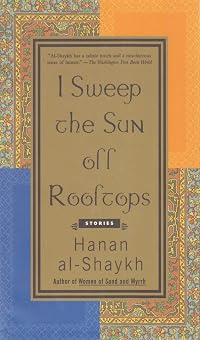
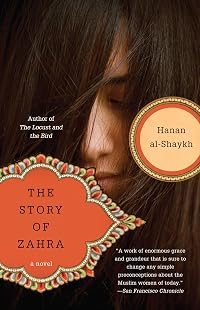
Hanan al-Shaykh was born & raised in Lebanon. She is the author of three novels - "Women of Sand & Myrrh", "The Story of Zahra" & "Beirut Blues" - as well as a collection of short stories, "I Sweep the Sun off Rooftops". She currently lives in London with her husband & two children. (Bowker Author Biography)
Awards and Honors
Notable Lists
Common Knowledge
- Canonical title
- The Locust and the Bird: My Mother's Story
- Original title
- Hikayati sharhun yatul
- Original publication date
- 2009; 2005 (Arabic) (Arabic); 2009 (English) (English)
- Important places
- Nabatiyeh, Lebanon; Beirut, Lebanon; Lebanon
- Dedication
- To my sisters and brothers
- First words
- I am in one of the three black limousines roaring through the streets of New York City, like barracudas on speed. (Prologue)
It all began on the day that my brother Kamil and I chased after Father, with Mother's curses ringing in our ears. - Original language
- Arabic
Classifications
- Genres
- Biography & Memoir, Fiction and Literature
- DDC/MDS
- 892.7 — Literature & rhetoric Literatures of other languages Afro-Asiatic literatures Arabic (Egypt, Lebanon, Palestine, Saudi Arabia, Sudan)
- LCC
- PJ7862 .H356 .Z8713 — Language and Literature Oriental languages and literatures Oriental philology and literature Arabic Arabic literature Individual authors or works
- BISAC
Statistics
- Members
- 174
- Popularity
- 188,992
- Reviews
- 9
- Rating
- (3.31)
- Languages
- 6 — Danish, Dutch, English, French, Italian, Norwegian (Bokmål)
- Media
- Paper, Ebook
- ISBNs
- 13
- ASINs
- 4