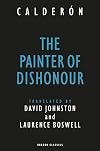
The Painter of Dishonour
by Pedro Calderón de la Barca
On This Page
Description
Alan Paterson presents Calderon's original text, from manuscript and printed sources, with a skilful verse translation into English of a remarkable play, in which Calderon develops the motif of marital honour in quite original ways. The blending of deep pathos and humour anticipates the modern theatre of the absurd, though Calderon is pushing to the limits the license gained by Lope de Vega to mingle tragedy with comedy. The play incorporates important aesthetic ideas of the Renaissance on show more painting and the character of the artist. It must be unique in seventeenth-century European in dramatising the painter as he works in his studio and meditates on his art. Since the play deals with the aesthetic component in human behaviour, its own aeathetic status as a verse drama had been conserved in the translation. Those with no knowledge of Spanish will find a text which is agreeable to read and to perform. The translation is close enough, however, to offer the reader of limited ability in Spanish a reliable key to the Spanish text. Spanish text with facing-page translation, introduction and commentary. show lessTags
Members
- Recently Added By
Author Information

434+ Works 4,339 Members
Pedro Calderón de la Barca was born in Madrid, Spain on January 17, 1600. He was educated at the Jesuit College in Madrid. He was a dramatist, poet and writer of the Spanish Golden Age. He wrote more than 120 plays and over 70 allegorical religious plays with subjects from mythology and the Old and the New Testaments. Calderón's debut as a show more playwright was Amor, Honor y Poder, performed at the Royal Palace. His other plays include La Selva Confusa, Los Macabeos, El Magico Prodigioso, El Alcalde de Zalamea, La Vida Es Sueno, and La Estatua de Prometeo. Calderón gained popularity in the court, and was made a knight of the order of Santiago by Philip IV, who had already commissioned from him a series of plays for the royal theatre in the Buen Retiro palace. Calderón became a tertiary of the order of St Francis in 1650, and then finally joined the priesthood. He was ordained in 1651, and became a priest at San Salvador at Madrid. He was appointed honorary chaplain to Philip IV in 1663, and continued as chaplain to his successor. In his eighty-first year he wrote his last secular play, Hado y Divisa de Leonido y Marfisa, in honor of Charles II's marriage to Maria Luisa of Orléans. He died on May 25, 1681. (Bowker Author Biography) show less
Common Knowledge
- Canonical title*
- El pintor de su deshonra
- Original title
- El pintor de su deshonra
*Some information comes from Common Knowledge in other languages. Click "Edit" for more information.
Classifications
- Genres
- Fiction and Literature, Literature Studies and Criticism
- DDC/MDS
- 862.3 — Literature & rhetoric Spanish Literature Spanish drama Spanish Golden Age (1499-1681)
- LCC
- PQ6284 .P513 — Language and Literature French, Italian, Spanish and Portuguese literatures Spanish literature Individual authors and works to 1700
- BISAC
Statistics
- Members
- 10
- Popularity
- 2,143,976
- Languages
- English, Spanish
- Media
- Paper, Ebook
- ISBNs
- 9