On This Page
Description
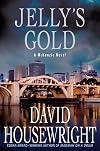
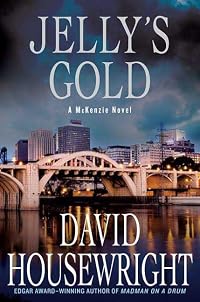
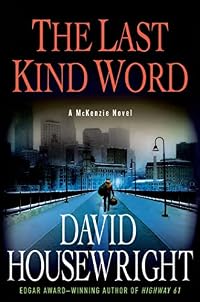
Rushmore McKenzie, a retired St. Paul policeman and unexpected millionaire, often works as an unlicensed P.I., doing favors as it suits him. When graduate students Ivy Flynn and Josh Berglund show up with a story about $8 million in missing stolen gold from the '30s, McKenzie is intrigued. But they aren't the only ones looking. So are a couple of two-bit thugs, a woman named Heavenly, a local big-wig, and others. When Berglund is shot dead outside of Ivy's apartment, the treasure hunt turns show more unexpectedly deadly. McKenzie is looking for more than a legendary stash from seventy-five years ago, he's looking for a killer and the long hidden truth behind Jelly's gold. show lessTags
Recommendations















Member Reviews
Rushmore McKenzie was a St. Paul policeman until an unexpected event allowed him to retire as a millionaire. Now he does favors for friends as an unlicensed private investigator. When graduate students Ivy Flynn (who first appeared in Tin City) and Josh Berglund come to him and ask for help finding gold never recovered from a 1930's bank robbery in North Dakota, McKenzie is intrigued.
What follows is a wonderful combination of a classic caper story and an interesting look into the seedy underbelly of St. Paul, MN in the 1930's, when corruption was rampant and gangsters were left alone by the police as long as they did their crimes elsewhere. I love spending time with McKenzie and his friends. The characters are very well developed show more (including the city of St. Paul) , the stories move quickly, and the writing is snappy. McKenzie is full of snark and sarcasm, which I really enjoy.
I highly recommend this series for anyone who likes hard-boiled P.I. novels that don't take themselves too seriously. They remind me of the Nebraska mystery series by William J. Reynolds, which came out in the late 1980s (and are definitely worth checking out from your local library if you can find them). They also remind me a little of Dennis Lehane's Kenzie and Gennero mysteries, although those tend to be darker. show less
What follows is a wonderful combination of a classic caper story and an interesting look into the seedy underbelly of St. Paul, MN in the 1930's, when corruption was rampant and gangsters were left alone by the police as long as they did their crimes elsewhere. I love spending time with McKenzie and his friends. The characters are very well developed show more (including the city of St. Paul) , the stories move quickly, and the writing is snappy. McKenzie is full of snark and sarcasm, which I really enjoy.
I highly recommend this series for anyone who likes hard-boiled P.I. novels that don't take themselves too seriously. They remind me of the Nebraska mystery series by William J. Reynolds, which came out in the late 1980s (and are definitely worth checking out from your local library if you can find them). They also remind me a little of Dennis Lehane's Kenzie and Gennero mysteries, although those tend to be darker. show less
When Rushmore McKenzie's friend, Ivy, and her boyfriend, Josh, ask McKenzie to help them hunt for 1930s gangster Frank "Jelly" Nash's cache of gold bars, it sounds like fun. The task is more intellectual than physical, and it promises a potentially big pay-off. It soon becomes apparent that other people are after the gold, and things turn violent. At first the St. Paul police have little interest in helping their former colleague investigate a cold case, but their attitude changes when the pursuit of the forgotten gold leads to murder.
The success of a treasure hunt mystery depends on the plausibility of the circumstances through which the treasure was forgotten, uncertainty about the characters involved in the treasure hunt, and the show more location of the story. Many of the Prohibition/Depression era gangsters met violent ends, so it's not beyond imagination that one of them would take the secret of his hidden gold to his grave. McKenzie's use of libraries, archives, and public records to research events from the 1930s is realistic. None of the other players in the treasure hunt are above suspicion. The action travels all over the Twin Cities, so readers who live in or who have visited the area can have fun recognizing familiar places.
The plot reminds me of something you'd see on Magnum, PI, Remington Steele, or Moonlighting. Readers who enjoyed those TV series will probably like this book. show less
The success of a treasure hunt mystery depends on the plausibility of the circumstances through which the treasure was forgotten, uncertainty about the characters involved in the treasure hunt, and the show more location of the story. Many of the Prohibition/Depression era gangsters met violent ends, so it's not beyond imagination that one of them would take the secret of his hidden gold to his grave. McKenzie's use of libraries, archives, and public records to research events from the 1930s is realistic. None of the other players in the treasure hunt are above suspicion. The action travels all over the Twin Cities, so readers who live in or who have visited the area can have fun recognizing familiar places.
The plot reminds me of something you'd see on Magnum, PI, Remington Steele, or Moonlighting. Readers who enjoyed those TV series will probably like this book. show less
When a friend approaches Rushmore McKenzie about helping find some gold that has stolen during the gangster era, he is skeptical of its existence. Then as he begins to do a bit more research and discovers he is being tailed, he finds that others are looking for this same gold. One of the gold seekers ends up dead. Did someone want the gold so badly that they were willing to kill for it? McKenzie must keep digging until he discovers the murderer. It amazes me that all of the gold seekers seemed to think that they would come into possession of the gold. Otherwise this was an enjoyable read with a lot of historical detail on the gangster era. It created a sense of place for the St. Paul of the 1930s as well as the one of today.
Ratings
Members
- Recently Added By
Author Information

35+ Works 1,672 Members
Former newspaper reporter David Housewright left his job to pursue a full-time career in detective fiction writing. Housewright then introduced Holland Taylor, his recurrent main character in his books Penance and Practice to Deceive. He won an Edgar Award for Best First Novel and a Shamus Award for Best P. I. Novel for his writing in Penance. show more (Bowker Author Biography) show less
Awards and Honors
Awards
Series

Common Knowledge
- Canonical title
- Jelly's Gold
- Original publication date
- 2009
- People/Characters
- Rushmore McKenzie; Ivy Flynn; Josh Berglund; Frank "Jelly" Nash; Nina Truhler; Bobby Dunston
- Important places
- St. Paul, Minnesota, USA; Minneapolis, Minnesota, USA; Minnesota, USA; USA
- Important events
- Kansas City Massacre (1933-06-17)
- First words
- Frank Nash was dead. Which is why it was such a surprise when I received his letter...
Classifications
Statistics
- Members
- 66
- Popularity
- 470,906
- Reviews
- 3
- Rating
- (3.75)
- Languages
- English
- Media
- Paper, Audiobook, Ebook
- ISBNs
- 6
- ASINs
- 1