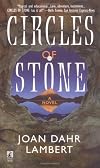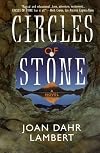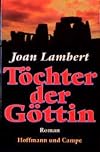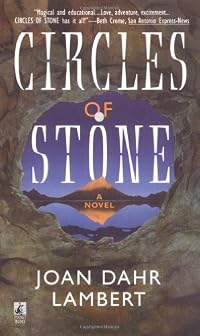
Circles of stone
by Joan Dahr Lambert
On This Page
Description
Evoking the narrative sweep of The Clan of the Cave Bear and the spiritual resonance of The Celestine Prophecy, Joan Dahr Lambert creates an extraordinary novel of prehistoric life...In this compelling adventure, the stories of three wise women -- each called Zena, yet born thousands of generations apart -- unfold in a compassionate and moving saga that celebrates the remarkable growth of the human spirit.Ranging from the African savanna more than one million years ago to the fertile shores show more of the Red Sea to the magnificent limestone caves of the Pyrenees mountains -- where the first artists painted the firelit wonders of their existence -- scene after breathtaking scene draws us into their lives as they negotiate a world they do not understand. In this world, an ostrich eggshell becomes a wondrous device for carrying water and the earth's upheavals reveal a lush, lifesaving oasis to a starving tribe.With striking detail, Circles of Stone reinvents the incredible lives of our distant ancestors. As the human heart and soul emerge in a volatile dance of experience, language, and meaning, Circles of Stone becomes an unforgettable, supremely entertaining read. show lessTags
Recommendations

























Member Reviews
Women good, men bad.
I was pleased with this fictional story about how the oldest stone circle was created. The discovery of a hominoid skeleton called Lucy in Olduvai Gorge in Tanzania has fascinated me for decades. The discovery led to a nearby discovery of a stone circle dated at 2,300,000 years BCE. Most people are familiar with pagan stone circles in England and Europe, but not with much older stone circles in Africa created by people who are called hominids rather than humans. Joan Lambert does a commendable job of creating a story of the hominids who lived and died in that epoch. Parts 2 and 3 of Circles of Stone describe early humans much later migrating to what is now Iraq, and then to Europe.
My disappointment with Lambert's show more effort is that she incorporates feminist myths and misandry blaming men for everything that was ever destructive or violent in our human evolution. Lambert perpetuates the feminist myth of a female dominated culture that always lived in peace and love by keeping men ignorant and controlled. Even though she acknowledges in Part 2, that men had to be aggressive to fight other hominid species so our kind could survive, she again reverts to the feminist myths thereafter. She also continues the silly feminist myth that human ancestors never knew how women get pregnant until very recently. The need to breed is so powerful that virtually all species, including human ancestors, knows how to breed. This myth is incorporated into plot elements that blame men for destroying the “peace and love” female dominated society when the truth is finally learned in Part 3.
Lambert's novel is an interesting read even with the feminist misandry though. The characters are mostly believable, and their struggles during environmental changes are well thought out. show less
I was pleased with this fictional story about how the oldest stone circle was created. The discovery of a hominoid skeleton called Lucy in Olduvai Gorge in Tanzania has fascinated me for decades. The discovery led to a nearby discovery of a stone circle dated at 2,300,000 years BCE. Most people are familiar with pagan stone circles in England and Europe, but not with much older stone circles in Africa created by people who are called hominids rather than humans. Joan Lambert does a commendable job of creating a story of the hominids who lived and died in that epoch. Parts 2 and 3 of Circles of Stone describe early humans much later migrating to what is now Iraq, and then to Europe.
My disappointment with Lambert's show more effort is that she incorporates feminist myths and misandry blaming men for everything that was ever destructive or violent in our human evolution. Lambert perpetuates the feminist myth of a female dominated culture that always lived in peace and love by keeping men ignorant and controlled. Even though she acknowledges in Part 2, that men had to be aggressive to fight other hominid species so our kind could survive, she again reverts to the feminist myths thereafter. She also continues the silly feminist myth that human ancestors never knew how women get pregnant until very recently. The need to breed is so powerful that virtually all species, including human ancestors, knows how to breed. This myth is incorporated into plot elements that blame men for destroying the “peace and love” female dominated society when the truth is finally learned in Part 3.
Lambert's novel is an interesting read even with the feminist misandry though. The characters are mostly believable, and their struggles during environmental changes are well thought out. show less
Women good, men bad.
I was pleased with this fictional story about how the oldest stone circle was created. The discovery of a hominoid skeleton called Lucy in Olduvai Gorge in Tanzania has fascinated me for decades. The discovery led to a nearby discovery of a stone circle dated at 2,300,000 years BCE. Most people are familiar with pagan stone circles in England and Europe, but not with much older stone circles in Africa created by people who are called hominids rather than humans. Joan Lambert does a commendable job of creating a story of the hominids who lived and died in that epoch. Parts 2 and 3 of Circles of Stone describe early humans much later migrating to what is now Iraq, and then to Europe.
My disappointment with Lambert's show more effort is that she incorporates feminist myths and misandry blaming men for everything that was ever destructive or violent in our human evolution. Lambert perpetuates the feminist myth of a female dominated culture that always lived in peace and love by keeping men ignorant and controlled. Even though she acknowledges in Part 2, that men had to be aggressive to fight other hominid species so our kind could survive, she again reverts to the feminist myths thereafter. She also continues the silly feminist myth that human ancestors never knew how women get pregnant until very recently. The need to breed is so powerful that virtually all species, including human ancestors, knows how to breed. This myth is incorporated into plot elements that blame men for destroying the “peace and love” female dominated society when the truth is finally learned in Part 3.
Lambert's novel is an interesting read even with the feminist misandry though. The characters are mostly believable, and their struggles during environmental changes are well thought out. show less
I was pleased with this fictional story about how the oldest stone circle was created. The discovery of a hominoid skeleton called Lucy in Olduvai Gorge in Tanzania has fascinated me for decades. The discovery led to a nearby discovery of a stone circle dated at 2,300,000 years BCE. Most people are familiar with pagan stone circles in England and Europe, but not with much older stone circles in Africa created by people who are called hominids rather than humans. Joan Lambert does a commendable job of creating a story of the hominids who lived and died in that epoch. Parts 2 and 3 of Circles of Stone describe early humans much later migrating to what is now Iraq, and then to Europe.
My disappointment with Lambert's show more effort is that she incorporates feminist myths and misandry blaming men for everything that was ever destructive or violent in our human evolution. Lambert perpetuates the feminist myth of a female dominated culture that always lived in peace and love by keeping men ignorant and controlled. Even though she acknowledges in Part 2, that men had to be aggressive to fight other hominid species so our kind could survive, she again reverts to the feminist myths thereafter. She also continues the silly feminist myth that human ancestors never knew how women get pregnant until very recently. The need to breed is so powerful that virtually all species, including human ancestors, knows how to breed. This myth is incorporated into plot elements that blame men for destroying the “peace and love” female dominated society when the truth is finally learned in Part 3.
Lambert's novel is an interesting read even with the feminist misandry though. The characters are mostly believable, and their struggles during environmental changes are well thought out. show less
Women good, men bad.
I was pleased with this fictional story about how the oldest stone circle was created. The discovery of a hominoid skeleton called Lucy in Olduvai Gorge in Tanzania has fascinated me for decades. The discovery led to a nearby discovery of a stone circle dated at 2,300,000 years BCE. Most people are familiar with pagan stone circles in England and Europe, but not with much older stone circles in Africa created by people who are called hominids rather than humans. Joan Lambert does a commendable job of creating a story of the hominids who lived and died in that epoch. Parts 2 and 3 of Circles of Stone describe early humans much later migrating to what is now Iraq, and then to Europe.
My disappointment with Lambert's show more effort is that she incorporates feminist myths and misandry blaming men for everything that was ever destructive or violent in our human evolution. Lambert perpetuates the feminist myth of a female dominated culture that always lived in peace and love by keeping men ignorant and controlled. Even though she acknowledges in Part 2, that men had to be aggressive to fight other hominid species so our kind could survive, she again reverts to the feminist myths thereafter. She also continues the silly feminist myth that human ancestors never knew how women get pregnant until very recently. The need to breed is so powerful that virtually all species, including human ancestors, knows how to breed. This myth is incorporated into plot elements that blame men for destroying the “peace and love” female dominated society when the truth is finally learned in Part 3.
Lambert's novel is an interesting read even with the feminist misandry though. The characters are mostly believable, and their struggles during environmental changes are well thought out. show less
I was pleased with this fictional story about how the oldest stone circle was created. The discovery of a hominoid skeleton called Lucy in Olduvai Gorge in Tanzania has fascinated me for decades. The discovery led to a nearby discovery of a stone circle dated at 2,300,000 years BCE. Most people are familiar with pagan stone circles in England and Europe, but not with much older stone circles in Africa created by people who are called hominids rather than humans. Joan Lambert does a commendable job of creating a story of the hominids who lived and died in that epoch. Parts 2 and 3 of Circles of Stone describe early humans much later migrating to what is now Iraq, and then to Europe.
My disappointment with Lambert's show more effort is that she incorporates feminist myths and misandry blaming men for everything that was ever destructive or violent in our human evolution. Lambert perpetuates the feminist myth of a female dominated culture that always lived in peace and love by keeping men ignorant and controlled. Even though she acknowledges in Part 2, that men had to be aggressive to fight other hominid species so our kind could survive, she again reverts to the feminist myths thereafter. She also continues the silly feminist myth that human ancestors never knew how women get pregnant until very recently. The need to breed is so powerful that virtually all species, including human ancestors, knows how to breed. This myth is incorporated into plot elements that blame men for destroying the “peace and love” female dominated society when the truth is finally learned in Part 3.
Lambert's novel is an interesting read even with the feminist misandry though. The characters are mostly believable, and their struggles during environmental changes are well thought out. show less
Pragtfuld roman om de første mennesker. En bog, jeg genlæser med jævne mellemrum.
Jul 26, 2008Danish
Ratings
Members
- Recently Added By
Author Information

13 Works 207 Members
Common Knowledge
- Canonical title
- Circles of stone
- Original title
- Circles of Stone
- Original publication date
- 1996
- People/Characters
- Zena (1); Zena (2); Zena (3)
- Dedication
- To
my Father,
whose love of intellectual pursuits and regard for the natural world are gifts I cherish, and
to
my husband
for his unfailing support as the book evolved. - First words
- Zena took her daughter's hand to help her up the steep path.
- Last words
- (Click to show. Warning: May contain spoilers.)Zena raised a hand in greeting, then she turned and walked into the light.
Classifications
- Genres
- Fiction and Literature, General Fiction, Historical Fiction, Fantasy
- DDC/MDS
- 813.54 — Literature & rhetoric American literature in English American fiction in English 1900-1999 1945-1999
- LCC
- PS3562 .A452 .C57 — Language and Literature American literature American literature Individual authors 1961-
- BISAC
Statistics
- Members
- 144
- Popularity
- 226,617
- Reviews
- 4
- Rating
- (3.65)
- Languages
- Dutch, English, German, Spanish
- Media
- Paper, Ebook
- ISBNs
- 8
- ASINs
- 3