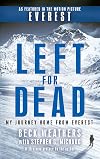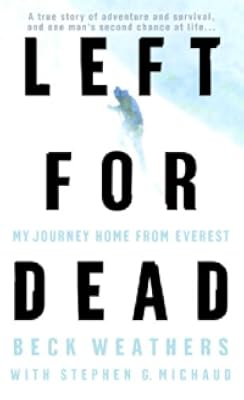
Left for Dead: My Journey Home from Everest
by Beck Weathers
On This Page
Description
In 1996 Beck Weathers and a climbing team pushed toward the summit of Mount Everest. Then a storm exploded on the mountain, ripping the team to shreds, forcing brave men to scratch and crawl for their lives. Rescuers who reached Weathers saw that he was dying, and left him. Twelve hours later, the inexplicable occurred. Weathers appeared, blinded, gloveless, and caked with ice-walking down the mountain. In this powerful memoir, now featuring a new preface, Weathers describes not only his show more escape from hypothermia and the murderous storm that killed eight climbers, but the journey of his life. This is the story of a man's route to a dangerous sport and a fateful expedition, as well as the road of recovery he has traveled since; of survival in the face of certain death, the reclaiming of a family and a life; and of the most extraordinary adventure of all: finding the courage to say yes when life offers us a second chance. show lessTags
Recommendations
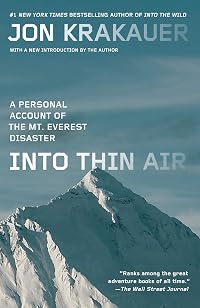
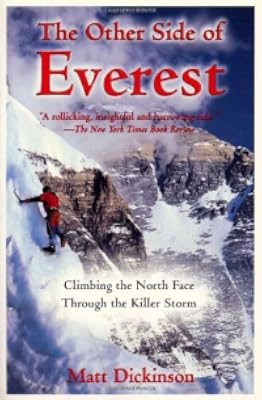
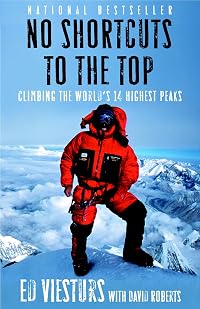

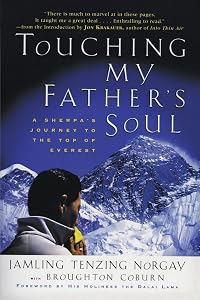



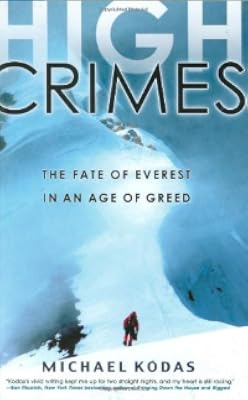

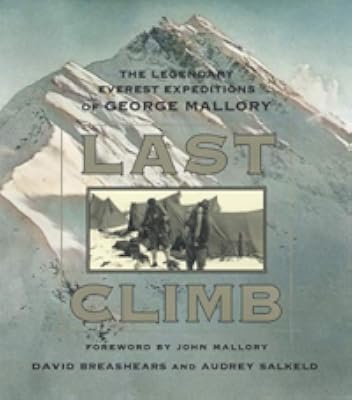

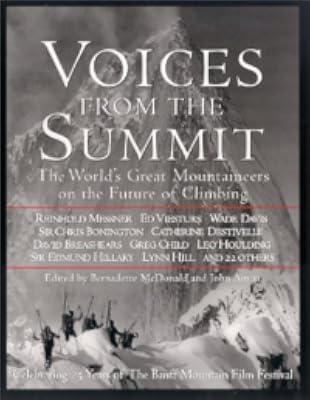



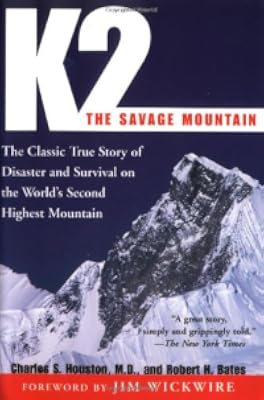
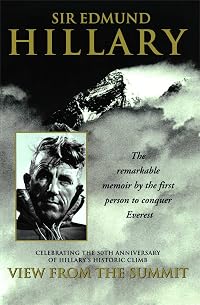

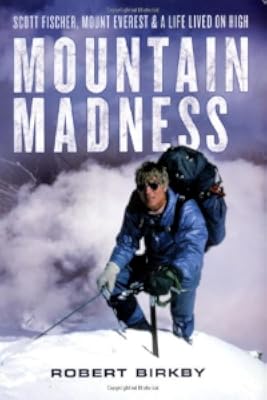
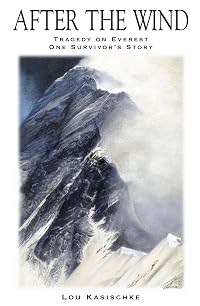
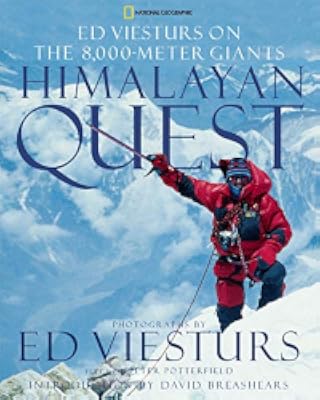
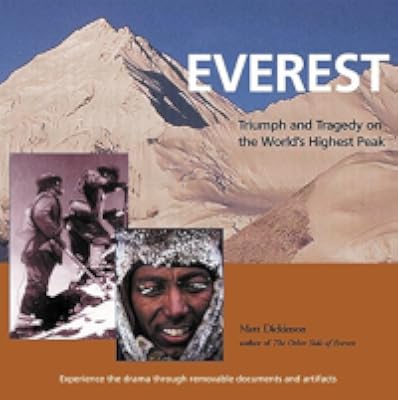
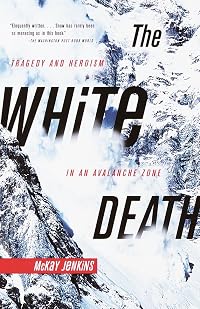
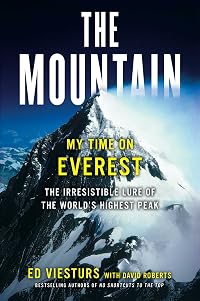
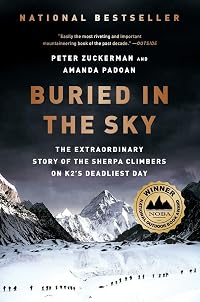
Member Recommendations
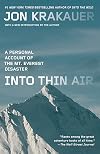
Member Reviews
So this is not Into Thin Air. And Beck Weathers is kind of upfront with that from the start: why would he write a book about the event when so much has already been said? I can see his point, but as a result, this is not a book that's focused on the Everest disaster part of the story.
Honestly, the title is kind of misleading, because it doesn't focus on his journey home from Everest either, it focuses on his journey there. How did he end up climbing mountains and why did he try Everest in particular? The answer is, kinda surprisingly, depression. Beck Weathers has suffered from depression and suicidal thoughts for a large part of his life, and the mountain climbing obsession was a way to distract himself from that.
Which of course put a show more strain on his family relationships, and that's largely what the book is about. How it is to live with someone who has depression but refuses to acknowledge that, even to themselves. It's actually brutally honest in that regard, and while it wasn't really why I picked up the book, it was an interesting read.
What it lacks, I think, it some sort of resolution? We see a bit about what happened that first year after the disaster (with gruesome descriptions of body parts falling off ... honestly, at one point I had to reread an entire paragraph, then I shouted OH MY GODS THAT'S SO GROSS and just had to pace around my apartment for a while before I could continue reading), but the depression angle is dropped completely. Was he "cured" after the disaster? Is he still depressed but have learned to cope with it in a healthier way? I think the book wants us to think he's magically cured, but I don't really believe in that and it would have been nice to know a bit more about it.
But nonetheless, it made for an interesting read. It was surprisingly funny. show less
Honestly, the title is kind of misleading, because it doesn't focus on his journey home from Everest either, it focuses on his journey there. How did he end up climbing mountains and why did he try Everest in particular? The answer is, kinda surprisingly, depression. Beck Weathers has suffered from depression and suicidal thoughts for a large part of his life, and the mountain climbing obsession was a way to distract himself from that.
Which of course put a show more strain on his family relationships, and that's largely what the book is about. How it is to live with someone who has depression but refuses to acknowledge that, even to themselves. It's actually brutally honest in that regard, and while it wasn't really why I picked up the book, it was an interesting read.
What it lacks, I think, it some sort of resolution? We see a bit about what happened that first year after the disaster (with gruesome descriptions of body parts falling off ... honestly, at one point I had to reread an entire paragraph, then I shouted OH MY GODS THAT'S SO GROSS and just had to pace around my apartment for a while before I could continue reading), but the depression angle is dropped completely. Was he "cured" after the disaster? Is he still depressed but have learned to cope with it in a healthier way? I think the book wants us to think he's magically cured, but I don't really believe in that and it would have been nice to know a bit more about it.
But nonetheless, it made for an interesting read. It was surprisingly funny. show less
I can't get enough of climbing memoirs, but Beck Weathers' book "Left for Dead" is not really that kind of book. It is, in part at least, the story of his remarkable survival in the deadly 1996 season on Mount Everest, where he was left for dead but survived.
In his opening chapter, he describes himself as an "amateur climber," in my opinion someone who had no business being on Everest, and his book reads that way. It annoyed me the first time he described his crampons (essentially cleats that you attach to your boots to provide traction on ice) as knives. The fact he continued to call them ice knives rather than crampons thereafter drove me nuts. You are not cutting meat with crampons!
I've read several other books on the Everest show more tragedy (including Krakauer's, Boukreeve's and Breashear's.) I had been avoiding Weathers' book for no particular reason... perhaps it was instinct that I wouldn't like it. Although he had the most dramatic story of all, Weathers' book was the worst of the lot. (Only a small portion of the book is about the expedition itself.) Perhaps my intense dislike for this book is that I expected to be a climber's book and it is more a story about depression. I found it hard to swallow the redemption story and mostly just felt sorry for Weathers' family. show less
In his opening chapter, he describes himself as an "amateur climber," in my opinion someone who had no business being on Everest, and his book reads that way. It annoyed me the first time he described his crampons (essentially cleats that you attach to your boots to provide traction on ice) as knives. The fact he continued to call them ice knives rather than crampons thereafter drove me nuts. You are not cutting meat with crampons!
I've read several other books on the Everest show more tragedy (including Krakauer's, Boukreeve's and Breashear's.) I had been avoiding Weathers' book for no particular reason... perhaps it was instinct that I wouldn't like it. Although he had the most dramatic story of all, Weathers' book was the worst of the lot. (Only a small portion of the book is about the expedition itself.) Perhaps my intense dislike for this book is that I expected to be a climber's book and it is more a story about depression. I found it hard to swallow the redemption story and mostly just felt sorry for Weathers' family. show less
This book is fascinating to me. Not so much because of the Everest disaster that plays a part in the book, but rather because the Everest disaster only plays a part. Beck Weathers was literally left for dead near the top of Everest, walked out on his own two feet, and then was rescued by a daring high altitude helicopter flight that had never been attempted before. But the really interesting part of the story is the story of Beck's life, and his relationship with his wife and family. In some ways, Beck got in to mountaineering, to quite his own inner demons of depression. The obsession that resulted damaged his relationship with his wife, and his kids. The real thrust of this book is the self-discovery and healing that was forced on him show more by the Everest disaster. In many ways, I relate to him and to aspects of his self-esteem and goals that drove him to extremes, so I found his path to peace a very enlightening one for myself. show less
In the many accounts of the tragic events that unfolded in May 1996 on Everest, one of the most remarkable stories is that of Beck Weathers. He was literally left for dead, spending the night exposed in a storm in Everest's 'death zone', only to wander back to camp the next day, severely frost bitten, and subsequently be dramatically airlifted off the mountain. In the hands of authors like Krakauer and Breashears the story fascinates, but in Weathers' own co-authored version he clumsily tries to parlay his horrific experience into what amounts to an unconvincing tale of redemption. Essentially it goes like this: man neglects family to pursue own extremely expensive and time-consuming obsession, has near death experience as a result, a show more vision of his family drives him to overcome incredible odds and survive, he moves from self-involvement to devotion to family. Motivational book and speaking engagements ensue. The parts of the book that cover the events on Everest and his physical rehabilitation are interesting. The personal redemption piece seems flimsy and out of step with the bulk of the book, much of which consists of Weathers' anecdotes about himself and his previous climbs. Weathers' experience in 1996 was astounding - it just has been much better told by others. show less
If you have read Jon Krakauer’s book Into Thin Air and wanted to know more about Beck Weathers, the man who nearly froze to death, Check out his book Left for Dead. The descriptions of the harsh climate and brutal conditions are well detailed in the first portion of his book.
Beck was is bad shape, helped down a portion of the mountain by Mike Groom. Once heading down the mountain and reaching the South Col, Weathers felt they were practically home free. In less than an hour they would be at camp, warming up with hot tea and sitting in their tents. But a blizzard came on them with zero warning.
Neil Beidleman later reflected it “was like being lost in a bottle of milk.”
As the climbers inched along trying to find camp it became clear show more the injured and physically exhausted climbers couldn’t continue. While a few went ahead to get help, Beck and four others stayed behind to await rescue. Yasuko & Beck were in such bad shape it was determined to leave them as they would die regardless of being brought back to camp.
By whatever internal motivation made Beck Weathers get up, injured and snow blind, he did manage to get back to camp on his own. By then his wife Peach had been informed he died. And then hours later, frost bitten and violently ill he shows up. Seriously, talk about against all odds.
Three quarters of the remaining part of the book tells about his early life with his brothers, how he and his wife met, the growing discordances between them as Beck was always away from home if he wasn’t working. The deep depression Beck describes as a Black Dog is very sobering. Being on a climb made that go away, he could feel the fog lift.
Interjected into the chapters you get his wife’s point of view as well as his brother and colleagues.
Beck was a pathologist with a thriving practice so money didn’t seem to be an issue. It was $65,000 for the Everest expedition - mountain climbing is not a cheap sport!
Once you get into the parts where he was rescued, an amazing feat there considering the conditions, you read about his recovery. His face and hands were frozen and he lost his hands and nose to frostbite. Lots and lots of surgeries.
Peach is quoted stating she understood why the team couldn’t risk lives to go after Yasuko or Beck as death was imminent. What she couldn’t understand was why Beck was left alone in a tent to die alone. Where was the human compassion? The other climbers were there anyway, in their tents, and what a gentle gesture it would have been to hear his last words, to let him know he wasn’t alone. I agree with her.
Overall an interesting story.
This is is my fifth book for the 2020 Nonfiction challenge hosted by Shelley at Book'd Out. Check it out HERE.
Category: Disaster. show less
If you have read Jon Krakauer’s book Into Thin Air and wanted to know more about Beck Weathers, the man who nearly froze to death, Check out his book Left for Dead. The descriptions of the harsh climate and brutal conditions are well detailed in the first portion of his book.
Beck was is bad shape, helped down a portion of the mountain by Mike Groom. Once heading down the mountain and reaching the South Col, Weathers felt they were practically home free. In less than an hour they would be at camp, warming up with hot tea and sitting in their tents. But a blizzard came on them with zero warning.
Neil Beidleman later reflected it “was like being lost in a bottle of milk.”
As the climbers inched along trying to find camp it became clear show more the injured and physically exhausted climbers couldn’t continue. While a few went ahead to get help, Beck and four others stayed behind to await rescue. Yasuko & Beck were in such bad shape it was determined to leave them as they would die regardless of being brought back to camp.
By whatever internal motivation made Beck Weathers get up, injured and snow blind, he did manage to get back to camp on his own. By then his wife Peach had been informed he died. And then hours later, frost bitten and violently ill he shows up. Seriously, talk about against all odds.
Three quarters of the remaining part of the book tells about his early life with his brothers, how he and his wife met, the growing discordances between them as Beck was always away from home if he wasn’t working. The deep depression Beck describes as a Black Dog is very sobering. Being on a climb made that go away, he could feel the fog lift.
Interjected into the chapters you get his wife’s point of view as well as his brother and colleagues.
Beck was a pathologist with a thriving practice so money didn’t seem to be an issue. It was $65,000 for the Everest expedition - mountain climbing is not a cheap sport!
Once you get into the parts where he was rescued, an amazing feat there considering the conditions, you read about his recovery. His face and hands were frozen and he lost his hands and nose to frostbite. Lots and lots of surgeries.
Peach is quoted stating she understood why the team couldn’t risk lives to go after Yasuko or Beck as death was imminent. What she couldn’t understand was why Beck was left alone in a tent to die alone. Where was the human compassion? The other climbers were there anyway, in their tents, and what a gentle gesture it would have been to hear his last words, to let him know he wasn’t alone. I agree with her.
Overall an interesting story.
This is is my fifth book for the 2020 Nonfiction challenge hosted by Shelley at Book'd Out. Check it out HERE.
Category : Disaster. show less
Beck was is bad shape, helped down a portion of the mountain by Mike Groom. Once heading down the mountain and reaching the South Col, Weathers felt they were practically home free. In less than an hour they would be at camp, warming up with hot tea and sitting in their tents. But a blizzard came on them with zero warning.
Neil Beidleman later reflected it “was like being lost in a bottle of milk.”
As the climbers inched along trying to find camp it became clear show more the injured and physically exhausted climbers couldn’t continue. While a few went ahead to get help, Beck and four others stayed behind to await rescue. Yasuko & Beck were in such bad shape it was determined to leave them as they would die regardless of being brought back to camp.
By whatever internal motivation made Beck Weathers get up, injured and snow blind, he did manage to get back to camp on his own. By then his wife Peach had been informed he died. And then hours later, frost bitten and violently ill he shows up. Seriously, talk about against all odds.
Three quarters of the remaining part of the book tells about his early life with his brothers, how he and his wife met, the growing discordances between them as Beck was always away from home if he wasn’t working. The deep depression Beck describes as a Black Dog is very sobering. Being on a climb made that go away, he could feel the fog lift.
Interjected into the chapters you get his wife’s point of view as well as his brother and colleagues.
Beck was a pathologist with a thriving practice so money didn’t seem to be an issue. It was $65,000 for the Everest expedition - mountain climbing is not a cheap sport!
Once you get into the parts where he was rescued, an amazing feat there considering the conditions, you read about his recovery. His face and hands were frozen and he lost his hands and nose to frostbite. Lots and lots of surgeries.
Peach is quoted stating she understood why the team couldn’t risk lives to go after Yasuko or Beck as death was imminent. What she couldn’t understand was why Beck was left alone in a tent to die alone. Where was the human compassion? The other climbers were there anyway, in their tents, and what a gentle gesture it would have been to hear his last words, to let him know he wasn’t alone. I agree with her.
Overall an interesting story.
This is is my fifth book for the 2020 Nonfiction challenge hosted by Shelley at Book'd Out. Check it out HERE.
Category : Disaster. show less
Not really a mountain climbing book like I expected, but rather a memoir about a man who realizes what's important in life after a near death experience. What I found fascinating was his wife's candid first person account of their marriage and her views of her husband as a father and husband. It's not often that a contentious marriage (that doesn't end in divorce) is revealed so frankly. A solid read that I would recommend to people who enjoy memoirs.
Members
- Recently Added By
Lists

Disaster Books
74 works; 19 members

Best History Books about Disasters
33 works; 19 members
Author Information

1 Work 545 Members
All Editions
Common Knowledge
- Canonical title*
- Laissé pour mort à l'Everest
- Original title
- Left for Dead: My Journey Home from Everest
- Original publication date
- 2000
- Important places
- Mount Everest / Sagarmatha; Himalayas
- Important events
- 1996 Everest Disaster
- Dedication
- For Peach, Beck II and Meg, who gave me the vision to stand and rise from the dead; Madan K.C., who showed us the power of a brave heart; Dave Breashers, Ed Viesturs, Robert Schauer, Pete Athans and Todd Burleson, for keeping... (show all) me in the brotherhood of the rope; and in memory of Andy Harris, Doug Hansen, Rob Hall, Yasuko Namba, Scott Fischer, Ngawang Topche Sherpa, Chen Yu-Nan and Bruce Herrod - my deepest sympathy for their families.
- First words
- On the evening of May 10, 1996, a killer blizzard exploded around the upper reaches of Mount Everest, trapping me and dozens of other climbers high in the Death Zone of the Earth's tallest mountain.
- Last words
- (Click to show. Warning: May contain spoilers.)She didn't kill him.
*Some information comes from Common Knowledge in other languages. Click "Edit" for more information.
Classifications
- Genres
- Sports and Leisure, Nonfiction, Biography & Memoir, General Nonfiction, Travel
- DDC/MDS
- 796.522092 — Arts & recreation Recreation, sports, and performing arts Sports Outdoor leisure Walking and exploring by kind of terrain Mountains, hills and rocks standard subdivisions History, geographic treatment, biography
- LCC
- GV199.92 .W42 .A3 — Geography, Anthropology and Recreation Recreation. Leisure Recreation. Leisure
- BISAC
Statistics
- Members
- 545
- Popularity
- 54,478
- Reviews
- 20
- Rating
- (3.26)
- Languages
- 7 — English, French, German, Hungarian, Italian, Portuguese, Spanish
- Media
- Paper, Audiobook, Ebook
- ISBNs
- 31
- ASINs
- 7