
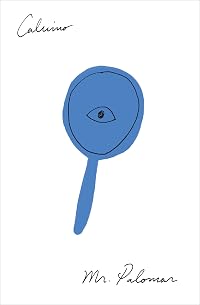
Mr. Palomar
by Italo Calvino
On This Page
Description
A novel of a delightful eccentric on a search for truth, by the renowned author of Invisible Cities. In The New York Times Book Review, the poet Seamus Heaney praised Mr. Palomar as a series of "beautiful, nimble, solitary feats of imagination." Throughout these twenty-seven intricately structured chapters, the musings of the crusty Mr. Palomar consistently render the world sublime and ridiculous. Like the telescope for which he is named, Mr. Palomar is a natural observer. "It is only after show more you have come to know the surface of things, " he believes, "that you can venture to seek what is underneath." Whether contemplating a fine cheese, a hungry gecko, or a topless sunbather, he tends to let his meditations stray from the present moment to the great beyond. And though he may fail as an objective spectator, he is the best of company. "Each brief chapter reads like an exploded haiku, " wrote Time Out. A play on a world fragmented by our individual perceptions, this inventive and irresistible novel encapsulates the life's work of an artist of the highest order, "the greatest Italian writer of the twentieth century" ( The Guardian ). show lessTags
Recommendations




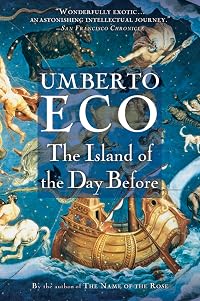


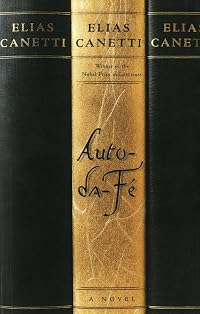
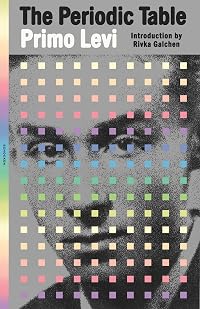
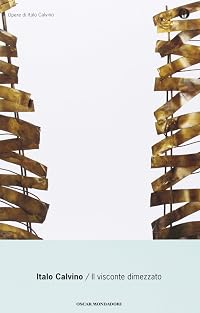











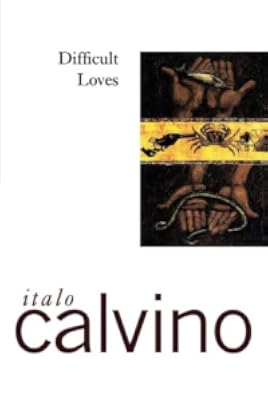
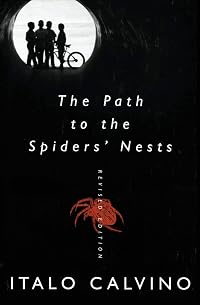




Member Recommendations
P_S_Patrick Thes two books are in some ways very like each other, and in some ways quite the opposite. In Mr Palomar various locations, things, and thoughts are described precisely with the utmost eloquence and detail, whereas in Invisible Cities, it is one place being described in many different ways, hazy, as if seen through lenses of different qualities, and warping mirrors. But the effect is much the same, both books give you something to think about, make you see things in different ways, and are a pleasure to read. Both books also contain no strong plot, and consist of many small and diverse sections, and in a way, could be dipped into. Where Palomar gets very much into the mind of the protagonist, and his fixed, elaborate, and definite interpretations of reality, Invisible Cities is similar in that the recollections are also told from the point of view of the narrator, but differ each time, none being tied to reality, all of them containing aspects of truth found through how you interpret them. If you enjoyed reading one of these books, you should enjoy the other.
51
Member Reviews
I'd started reading this book a long time ago but didn't get very far for reasons long since forgotten. Having just re-read the brilliant 'If on a Winter's Night a Traveller', I picked it up again. Being by Calvino, one of my literary heroes, I knew it would never be less than interesting.
The book has no story as such at all, comprising a series of reflections. That rules it out for all of those readers who like their fiction to be plot-driven. And in the hands of another writer, this might be a recipe for tedium. Calvino, of course, wasn't just another writer. In William Weaver's translation, the prose is beautifully spare and exact. The melancholic, philosopher-fool Palomar is a wonderful invention. His meditations upon anything from show more waves to a gecko to a Parisian cheese shop are a joy, at once comic and profound. 'Mr Palomar' reminds me of Bodil Malmstem's 'The Price of Water in Finistère'. It is a Tardis of a book - outwardly slight and yet, between its covers, gaining in depth and weight. show less
The book has no story as such at all, comprising a series of reflections. That rules it out for all of those readers who like their fiction to be plot-driven. And in the hands of another writer, this might be a recipe for tedium. Calvino, of course, wasn't just another writer. In William Weaver's translation, the prose is beautifully spare and exact. The melancholic, philosopher-fool Palomar is a wonderful invention. His meditations upon anything from show more waves to a gecko to a Parisian cheese shop are a joy, at once comic and profound. 'Mr Palomar' reminds me of Bodil Malmstem's 'The Price of Water in Finistère'. It is a Tardis of a book - outwardly slight and yet, between its covers, gaining in depth and weight. show less
Io AMO Calvino.
Questo è ormai uno dei punti fermi della mia disordinata e informe vita .
Non ho ancora letto tutta la sua bibliografia, ma intendo farlo.
Palomar è uno dei suoi scritti che mi ha conquistata dalla prima pagina, anzi credo che il primo racconto-osservazione possa essere il mio preferito (lettura di un'onda).
Palomar è un uomo ossessionato dal bisogno di descrivere pienamente ciò che vede, ma il suo compito non si risolve in uno sterile elenco di "cose viste". Egli è spinto dal profondo desiderio di capire quello che lo circonda. La descrizione febbrile e minuziosa dell'onda (così come del prato e le erbe che vi crescono) rivela un bisogno di affondare le mani nella realtà delle cose. La buona osservazione produce e show more presuppone anche una comprensione profonda (almeno un primo abbozzo).
Palomar sembra un osservatore molto alienato dal resto del mondo, forse freddo, apatico di primo impatto, è in realtà un uomo profondamente sensibile con una vita interiore in subbuglio. Riflette sul mondo esterno, sull'universo, sui rapporti e sulle convenzioni sociali e su quanto queste siano limitate, quasi friabili come la sabbia su cui cammina al mare e talvolta il suo riflettere troppo porta alla situazione finale d'imbarazzo. Palomar riflette su se stesso e per me il senso di alienazione maggiore si sete proprio quando quest'osservatore osserva sé.
I pensieri di Palomar possono sembrare a tratti macchinosi, catalogatori, per qualcuno, peggio ancora "scientifici", ma questo per me è un altro punto a favore del libro. Spendiamo un paio di parole tanto per ricordare che materie scientifiche e umanistiche non sono mondi opposti e il divario che fra esse si è creato (e non mancano quasi mai i reciprochi sorrisetti di superiorità o disprezzo dalle due parti del varco, ahimè) è ridicolo e privo di significato.
In Palomar Calvino trova la bellezza nell'osservazione (quasi) scientifica e la esprime in maniera semplice e bella, quasi non ci fosse altro modo per parlare di ciò che il personaggio (Calvino?) vede: dalla luna che da spettro pomeridiano prende consistenza di luce, ai lontani pianeti di Giove e Saturno (bianco e luminoso con un segno scuro che rende il distacco con gli anelli), fino alle onde dove forse la complessità descrittiva è maggiore per tutti i contributi ondosi da considerare, tanto che ad un certo punto bisogna accontentarsi e andare. Forse le onde sono complesse quanto lo sono i rapporti sociali, con relative convenzioni e tutto il significato che queste portano con loro, e ancora sono complesse quanto lo stesso io di chi osserva: Palomar o Calvino.
Palomar è in fondo l'alter ego di Calvino e mai mi è sembrato di aver così vicino l'autore mentre leggevo il libro. Nel momento in cui osservando le stelle il nostro amico si contorce fra mappe, torce, stelle in cielo nella mia mente aveva le fattezze di Calvino ( e forse sono folle io), il punto è che mi ha restituito una scena reale, con la lieve ironia di sempre, tanto che non mi sarei meravigliata di ritrovarmi davanti agli occhi lo scrittore che tenta malamente di guardare le stelle. Questo per me non è affatto poco.
Bene, ho sproloquiato abbastanza e non ho nemmeno ancora finito il libro! show less
Questo è ormai uno dei punti fermi della mia disordinata e informe vita .
Non ho ancora letto tutta la sua bibliografia, ma intendo farlo.
Palomar è uno dei suoi scritti che mi ha conquistata dalla prima pagina, anzi credo che il primo racconto-osservazione possa essere il mio preferito (lettura di un'onda).
Palomar è un uomo ossessionato dal bisogno di descrivere pienamente ciò che vede, ma il suo compito non si risolve in uno sterile elenco di "cose viste". Egli è spinto dal profondo desiderio di capire quello che lo circonda. La descrizione febbrile e minuziosa dell'onda (così come del prato e le erbe che vi crescono) rivela un bisogno di affondare le mani nella realtà delle cose. La buona osservazione produce e show more presuppone anche una comprensione profonda (almeno un primo abbozzo).
Palomar sembra un osservatore molto alienato dal resto del mondo, forse freddo, apatico di primo impatto, è in realtà un uomo profondamente sensibile con una vita interiore in subbuglio. Riflette sul mondo esterno, sull'universo, sui rapporti e sulle convenzioni sociali e su quanto queste siano limitate, quasi friabili come la sabbia su cui cammina al mare e talvolta il suo riflettere troppo porta alla situazione finale d'imbarazzo. Palomar riflette su se stesso e per me il senso di alienazione maggiore si sete proprio quando quest'osservatore osserva sé.
I pensieri di Palomar possono sembrare a tratti macchinosi, catalogatori, per qualcuno, peggio ancora "scientifici", ma questo per me è un altro punto a favore del libro. Spendiamo un paio di parole tanto per ricordare che materie scientifiche e umanistiche non sono mondi opposti e il divario che fra esse si è creato (e non mancano quasi mai i reciprochi sorrisetti di superiorità o disprezzo dalle due parti del varco, ahimè) è ridicolo e privo di significato.
In Palomar Calvino trova la bellezza nell'osservazione (quasi) scientifica e la esprime in maniera semplice e bella, quasi non ci fosse altro modo per parlare di ciò che il personaggio (Calvino?) vede: dalla luna che da spettro pomeridiano prende consistenza di luce, ai lontani pianeti di Giove e Saturno (bianco e luminoso con un segno scuro che rende il distacco con gli anelli), fino alle onde dove forse la complessità descrittiva è maggiore per tutti i contributi ondosi da considerare, tanto che ad un certo punto bisogna accontentarsi e andare. Forse le onde sono complesse quanto lo sono i rapporti sociali, con relative convenzioni e tutto il significato che queste portano con loro, e ancora sono complesse quanto lo stesso io di chi osserva: Palomar o Calvino.
Palomar è in fondo l'alter ego di Calvino e mai mi è sembrato di aver così vicino l'autore mentre leggevo il libro. Nel momento in cui osservando le stelle il nostro amico si contorce fra mappe, torce, stelle in cielo nella mia mente aveva le fattezze di Calvino ( e forse sono folle io), il punto è che mi ha restituito una scena reale, con la lieve ironia di sempre, tanto che non mi sarei meravigliata di ritrovarmi davanti agli occhi lo scrittore che tenta malamente di guardare le stelle. Questo per me non è affatto poco.
Bene, ho sproloquiato abbastanza e non ho nemmeno ancora finito il libro! show less
Harold Bloom mentions in How to Read and Why (pp.64-66) why Italo Calvino was one of the greatest short story writers and refers specifically to Calvino's "wisdom" (p. 64). Calvino's wisdom is not wanting in this collection of short stories centred on the life of Mr Palomar. Each section of the book focuses on a particular activity of Mr Palomar's in various locations, with each story within the theme based around a particular sub-theme. I have often read of literary "constellations" (p. 107), where literature in sum forms "an imaginary outline or meaningful pattern" not in the sky, but in the mind. At first, Mr Palomar appears to be suffering from some kind of introverted social awkwardness. Yet as the stories progress, Calvino's show more wisdom shines through as I began to identify with Palomar and to see his own wisdom beyond his apparent social ineptitude. What I discovered was that Mr Palomar was self-aware, to the point where he is conscious of his failings yet continues to deceive himself. Yet (p. 107):
The universe can perhaps go tranquilly about its business; he surely cannot. The road left open to him is this: he will devote himself from now on to the knowing of himself, he will explore his own inner geography, he will draw the diagram of the moods of his spirit, he will derive from it formulas and theories, he will train his telescope on the orbits of the course of his life rather than those of the constellations.Here is where I made the connection with Bloom. Bloom often writes of characters "overhearing" themselves, but Calvino makes Mr Palomar "overlook" himself, finding:
We can know nothing about what is outside us, if we overlook ourselves... the universe is the mirror in which we can contemplate only what we have learned to know in ourselves.This link between the individual and environment echoes James Allen's "environment is but his looking glass" (Calvino writes "The universe as mirror") when writing of the interaction between inner and outer life (but with a sense of manifestation of inward conditions on the outside). Palomar laments that he is not like this (104):
To the man who is friend of the universe, the universe is a friend.Recently, I have been learning more about induction versus deduction in terms of my academic work. Here, Calvino outlines how Mr Palomar is a deductivist (p. 98), rather than an inductivist, and how Palomar likes to construct models of principles and experience, and to force things into the model when experience fails to live up to his model. Yet for all Mr Palomar's attempts to remain aloof, his models never fit, and when he looks away from the rational geometric designs of his models, he sees human suffering, much like a person who tries to deny their emotions until the pot boils over and the emotions spill out. I came to see much of myself, and dare I say much of all of us, in Mr Palomar. The stories seem to grow like a human, from childhood to adolescence, to age and wisdom. My fondness for Mr Palomar grew as his journey progressed. There is much material for introspection in this work, and I found that my selfish desire to introspect through, rather than with, Mr Palomar, was forgiven by Calvino at the conclusion. A remarkable work with a tenor that does not, to the best of my knowledge, exist anywhere in Anglophone writing. show less
A la suite d'une série de mésaventures qui ne méritent pas d'être rappelées, monsieur Palomar avait décidé que sa principale activité serait de regarder les choses du dehors. » Et voilà le personnage de Palomar créé : Palomar, ou les aventures et les mésaventures du regard. Car vous savez, vous, comment observer une vague, une seule, en la distinguant bien de toutes les autres? Ou comment prêter au sein nu d'une dame sur la plage ce qu'il faut d'hommage sans ce qui messiérait d'insistance? Et puis, que faire avec un reflet de soleil, si parfaitement perceptible et si fuyant dès qu'on l'approche ? En vacances, en ville, en... silence, Palomar tente de maîtriser de l'oeil un brin d'herbe ou un fromage, une étoile ou un show more jardin zen, deux tortues qui font l'amour, ses semblables et lui-même ; et les complications dans lesquelles il se retrouve le laissent chaque fois pantois. Calvino est un merveilleux dessinateur d'eaux-fortes : jamais il ne l'a mieux montré qu'ici. Libre à chacun de reconnaître, sous les perplexités ratiocinantes du voyeur, beaucoup de philosophie ; et, sous l'humour, une pincée de désespoir. show less
This book captivated me when I first read it and still has a firm hold. It has a clarity of prose and vision and a clever structure. Whilst its considered, engineered and symmetrical form may put some people off, it completes it for me. Calvino's last book, and his best.
Once you have finished "Mr. Palomar," you'll want to turn to the first page and start reading it all over again. This happened to me when I finished Virginia Woolf's "To the Lighthouse" and much like that book, it makes the reader want to open his eyes wide and become aware of all the links between worlds, people, thoughts. The main character, Mr. Palomar, is an observer, a close observer, an astute observer of... everything, walking along the shore and being aware of a naked breast, waiting in line for cheese and the possible outcome of that endeavor, space and the idea of one's own demise. If you've ever found yourself contemplating your own train of thought, a kind of meta-contemplation, you'll understand and appreciate the world of show more Mr. Palomar. Highly recommended. show less
Un libro que, por su longitud, podría parecer simple, pero no se dejen engañar pues a la vuelta de la primera página te das cuenta que es un libro muy profundo, sin caer en lo abrumador y, más bien, se disfruta mucho. Palomar, un gran observador del mundo, un gran analítico de cosas que a muchos podrían parecernos nimias, pero que fungen como mero pretexto para llevarnos por derroteros muy disfrutables y a los que raras veces ponemos atención.
Este libro, aunque corto en número de páginas, no es un libro para leerse de la noche a la mañana, te llevará varios días e incluso retrocederás, lo marcarás, lo anotarás; siempre he dicho que un libro habla muy bien de él cuando te deja todas estas acotaciones entre sus mismas show more páginas. show less
Este libro, aunque corto en número de páginas, no es un libro para leerse de la noche a la mañana, te llevará varios días e incluso retrocederás, lo marcarás, lo anotarás; siempre he dicho que un libro habla muy bien de él cuando te deja todas estas acotaciones entre sus mismas show more páginas. show less
Members
- Recently Added By
Lists

Italian Literature
556 works; 41 members

Favourite Books
1,817 works; 316 members

Books That Changed Me
157 works; 47 members
EU Fiction: 1950-2022
223 works; 70 members
Author Information

387+ Works 69,899 Members
Italo Calvino 1923-1984 Novelist and short story writer Italo Calvino was born in Cuba on October 15, 1923, and grew up in Italy, graduating from the University of Turin in 1947. He is remembered for his distinctive style of fables. Much of his first work was political, including Il Sentiero dei Nidi di Ragno (The Path of the Nest Spiders, 1947), show more considered one of the main novels of neorealism. In the 1950s, Calvino began to explore fantasy and myth as extensions of realism. Il Visconte Dimezzato (The Cloven Knight, 1952), concerns a knight split in two in combat who continues to live on as two separates, one good and one bad, deprived of the link which made them a moral whole. In Il Barone Rampante (Baron in the Trees, 1957), a boy takes to the trees to avoid eating snail soup and lives an entire, fulfilled life without ever coming back down. Calvino was awarded an honorary degree from Mount Holyoke College in 1984 and died in 1985, following a cerebral hemorrhage. At the time of his death, he was the most translated contemporary Italian writer and a contender for the Nobel Prize for Literature. (Bowker Author Biography) show less
Some Editions
Awards and Honors
Awards
Distinctions
Series
Belongs to Publisher Series
イタリア叢書 (6)
De twintigste eeuw (31)
Work Relationships
Common Knowledge
- Canonical title*
- Palomar
- Original title
- Palomar
- Original publication date
- 1983 (original Italian) (original Italian)
- People/Characters
- Mr. Palomar; Mrs. Palomar; Miss Palomar
- Important places
- Rome, Italy; Paris, France; Barcelona, Catalonia, Spain; Ryoan-ji, Kyoto, Japan (temple); Italy; France (show all 11); Spain; Kyoto, Japan; Japan; Tula, Tamaulipas, Mexico; Mexico
- First words
- The sea is barely wrinkled, and the little waves strike the sandy shore.
- Last words*
- (Click to show. Warning: May contain spoilers.)Decide che si metterà a descrivere ogni istante della sua vita, e finché non li avrà descritti tutti non penserà più d'essere morto. In quel momento muore.
- Original language
- Italian
*Some information comes from Common Knowledge in other languages. Click "Edit" for more information.
Classifications
- Genres
- Fiction and Literature, General Fiction
- DDC/MDS
- 853.914 — Literature & rhetoric Italian, Romanian & related literatures Italian fiction 1900- 20th Century 1945-1999
- LCC
- PQ4809 .A45 .P313 — Language and Literature French, Italian, Spanish and Portuguese literatures Italian literature Individual authors, 1900-1960
- BISAC
Statistics
- Members
- 2,224
- Popularity
- 9,049
- Reviews
- 31
- Rating
- (3.93)
- Languages
- 22 — Catalan, Danish, Dutch, English, Estonian, Finnish, French, German, Greek, Hebrew, Hungarian, Italian, Japanese, Norwegian (Bokmål), Norwegian, Portuguese, Russian, Croatian, Slovak, Spanish, Swedish, Turkish
- Media
- Paper, Audiobook, Ebook
- ISBNs
- 78
- ASINs
- 22