On This Page
Description
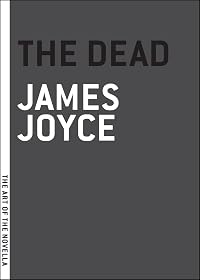
"The Dead" is the final and longest story in the Dubliners, a collection of fifteen short stories by James Joyce. First published in 1904, the stories aim to capture Irish middle class life as it really was around Dublin at the turn-of-the-century. Like many of Joyce's tales in the collection, "The Dead" features a transformative epiphany, where a character experiences a sudden insight into their life that changes the way they see everything. In what many consider one of Joyce's most nuanced show more and well-written works, the story centers around Gabriel Conroy, his evening attending a Christmas dinner party hosted by his elderly aunts, and the experiences of his wife and various friends. In his signature style, Joyce delves deeply into the inner lives of his characters and the subtle details of their evening together in order to transform a seemingly mundane dinner party into a profound examination of the fleeting nature of life, love, happiness, and regret. At the end of the evening, Gabriel is surprised to learn that even the people he believed he knew well are capable of unseen depths of emotion and hidden experiences. show lessTags
Recommendations













Member Reviews
I went back to an old favorite a day or two ago. I started rereading The Dead, which is the last story in James Joyce’s Dubliners, and a novella in itself. I chose it because it was one of the titles I encountered in the audiobook I’m currently reading, and the discussion of it reminded me not only of how much I love the story, but of how much meaning can be taken from even a short read. Over the years I’ve found so many different things to ponder in this story, and I thought that refreshing my acquaintance with it would be a good start to the year.
This time I found myself focused more on Gabriel than anyone else, focused on his nervous self-consciousness which reminds me so much of my own. I watched him fret over his speech, show more still stinging from a criticism which may or may not have been mean-spirited, it’s hard to tell when we can only see it from his point of view. I found myself impatient with him because he mirrored the things in myself that make me impatient. And yet this time, I saw what a huge thing it was for him to turn away from the possibility of irrational anger and toward a deeper, greater understanding, not just of his wife and their marriage, but of life and love in general.
Gabriel is changed by his willingness to go beyond his own insecurities to understand and feel empathy for his wife’s sorrow. We can redeem ourselves, I think Joyce is telling us, if we step outside of our own heads and attempt to understand the lives of those around us.
I made the right choice of reading material. The story refreshed me, helped me shake off the mental fatigue I’d been feeling. More than that, I want to recommend this story to everyone as one that touches concerns that we all share because we’re all human beings. show less
This time I found myself focused more on Gabriel than anyone else, focused on his nervous self-consciousness which reminds me so much of my own. I watched him fret over his speech, show more still stinging from a criticism which may or may not have been mean-spirited, it’s hard to tell when we can only see it from his point of view. I found myself impatient with him because he mirrored the things in myself that make me impatient. And yet this time, I saw what a huge thing it was for him to turn away from the possibility of irrational anger and toward a deeper, greater understanding, not just of his wife and their marriage, but of life and love in general.
Gabriel is changed by his willingness to go beyond his own insecurities to understand and feel empathy for his wife’s sorrow. We can redeem ourselves, I think Joyce is telling us, if we step outside of our own heads and attempt to understand the lives of those around us.
I made the right choice of reading material. The story refreshed me, helped me shake off the mental fatigue I’d been feeling. More than that, I want to recommend this story to everyone as one that touches concerns that we all share because we’re all human beings. show less
A review below described this as deceptively brilliant, and that's really quite on point. The first 90% of the book is an adequate but somewhat tedious exploration of a dinner party of its time (and the social conventions involved). It's very 'at arms length'. The ending - well, that's a different story. I've little time for Joyce's general cleverness, but the Dead certainly shows his ability to cut to the quick emotionally when he needs - or wants - to.
It’s snowy in Dublin as guests arrive for the Misses Morkan’s annual Christmas dinner dance. There’s bustle, busyness, confusion of names and relationships, comings and goings, greetings and gossip. It felt better suited to the stage (and I later found out it has been adapted for stage and screen). The hosts are musical and generous, but middle class and not affluent.
And so it continued for about 20 of about 30 pages, adding a little context for most of the characters. I found it rather dull (even though the central character, Gabriel, reviews books
And so it continued for about 20 of about 30 pages, adding a little context for most of the characters. I found it rather dull (even though the central character, Gabriel, reviews books
This was a good introduction to James Joyce. Short yet enticing. Joyce is indeed a master of words and tells a story without embellishment.
Despite its melancholy tone, The Dead leaves one with a feeling of hope. Gabriel Conroy might have been a smug, hypocritical and somewhat shallow character, but the eerie ending with the snow falling "upon all the living and the dead" sets the stage for Gabriel's second epiphany. It lets the reader know that he has undergone a transformation that just might allow him to have a genuine connection to his wife.
Despite its melancholy tone, The Dead leaves one with a feeling of hope. Gabriel Conroy might have been a smug, hypocritical and somewhat shallow character, but the eerie ending with the snow falling "upon all the living and the dead" sets the stage for Gabriel's second epiphany. It lets the reader know that he has undergone a transformation that just might allow him to have a genuine connection to his wife.
This was really great, exactly what I needed and I read it in one sitting. You can tell that the characters are holding back and when they finally reveal what they are thinking, it’s so powerful. The setting was also very well described, I felt so cold in the hotel room at the end just by the descriptions.
An extraordinary piece of fiction which starts off being about one thing, then turns into a story about something else, but then turns in a completely different story. Joyce does this in a seamless way that makes it seem inevitable. The very end is devastating.
Synopsis
“The Dead” by James Joyce is a book that works on several levels. You can read a detailed synopsis at “End Notes”. I will, however, write a synopsis of the synopsis. I was left with a few questions. Is it just about the dead, or is it also about remembrance? Do the Dead come to life? When do we die?
It is a short story. Most of the story takes place over dinner, at a social event of, Christmas. The misses Morkan’s have invited everyone for the “annual dance”. Their nephew, Gabriel and his wife, Gretta, are the favored guests. Gabriel is the master of ceremonies. He is pompous and does not think much of his fellow guests. He gives a speech ruffling no feathers. After dinner, Gabriel notices his wife listening as show more Bartell D’Arcy, accompanied by Miss O’Callaghan at the piano, sings a traditional Irish song— “The Lass of Aughrim.”
Later, when he and Gretta return to a hotel, he is overcome with passion for her. She, however, is lost in the past. The song has brought back memories of her teenage years, and a young boy, Michael Furey, who died of a broken heart for her.
Gabriel is left to stew in his own juice and is forced to evaluate their marriage and what it means.
My Review
It is a short book, as I wrote earlier. “The Dead” is a finely layered book. At one level, we get a clear understanding of Gabriel’s character. He is pompous and carries himself with an air of superiority.
It paints a picture of a social event hosted by three aging ladies, and the conversations and conventions that we observe at such events.
It paints a picture of Gabriel and Gretta’s relationship. Are they as happy as they seem to be? It forces the reader to ask: are we as happy in our relationships as we believe? None of us will know for sure.
Love and death are two themes that James Joyce explores skillfully. You are unlikely to forget your first love, especially if that person died of a broken heart for you. Indians who have seen the Hindi film, “Devdas”, will attest to the enduring appeal of a love story that ends with one person dying of a broken heart. I find “Devdas” melodramatic. James Joyce has written about Gretta’s love beautifully.
Finally, the dead. When do the dead leave us? When we forget them, I suppose. James Joyce hints at our complex relationship with death when the conversations veers to the monks who sleep in their coffins. They are preparing for what is coming, as the conversation goes.
Finally, the memory of Michael Furey comes back with a vengeance. He seems to come to life to wedge himself between husband and wife.
We never discover if this wedge has now become permanent. Is their marriage ruined beyond repair? Can Gabriel to work to repair any past damage or fill a void in their marriage?
We can speculate. We are, however, left with the dead. The Dead seem to live within us. Is this what remembrance is about?
When do they leave us? show less
“The Dead” by James Joyce is a book that works on several levels. You can read a detailed synopsis at “End Notes”. I will, however, write a synopsis of the synopsis. I was left with a few questions. Is it just about the dead, or is it also about remembrance? Do the Dead come to life? When do we die?
It is a short story. Most of the story takes place over dinner, at a social event of, Christmas. The misses Morkan’s have invited everyone for the “annual dance”. Their nephew, Gabriel and his wife, Gretta, are the favored guests. Gabriel is the master of ceremonies. He is pompous and does not think much of his fellow guests. He gives a speech ruffling no feathers. After dinner, Gabriel notices his wife listening as show more Bartell D’Arcy, accompanied by Miss O’Callaghan at the piano, sings a traditional Irish song— “The Lass of Aughrim.”
Later, when he and Gretta return to a hotel, he is overcome with passion for her. She, however, is lost in the past. The song has brought back memories of her teenage years, and a young boy, Michael Furey, who died of a broken heart for her.
Gabriel is left to stew in his own juice and is forced to evaluate their marriage and what it means.
My Review
It is a short book, as I wrote earlier. “The Dead” is a finely layered book. At one level, we get a clear understanding of Gabriel’s character. He is pompous and carries himself with an air of superiority.
It paints a picture of a social event hosted by three aging ladies, and the conversations and conventions that we observe at such events.
It paints a picture of Gabriel and Gretta’s relationship. Are they as happy as they seem to be? It forces the reader to ask: are we as happy in our relationships as we believe? None of us will know for sure.
Love and death are two themes that James Joyce explores skillfully. You are unlikely to forget your first love, especially if that person died of a broken heart for you. Indians who have seen the Hindi film, “Devdas”, will attest to the enduring appeal of a love story that ends with one person dying of a broken heart. I find “Devdas” melodramatic. James Joyce has written about Gretta’s love beautifully.
Finally, the dead. When do the dead leave us? When we forget them, I suppose. James Joyce hints at our complex relationship with death when the conversations veers to the monks who sleep in their coffins. They are preparing for what is coming, as the conversation goes.
Finally, the memory of Michael Furey comes back with a vengeance. He seems to come to life to wedge himself between husband and wife.
We never discover if this wedge has now become permanent. Is their marriage ruined beyond repair? Can Gabriel to work to repair any past damage or fill a void in their marriage?
We can speculate. We are, however, left with the dead. The Dead seem to live within us. Is this what remembrance is about?
When do they leave us? show less
Members
- Recently Added By
Lists

Great Book/Great Movie
5 works; 1 member

Books Featured on Readers' Review of the Diane Rehm Show
161 works; 8 members

Meditations on Death
18 works; 3 members

Best Book and Movie Combos
70 works; 11 members

el
1,139 works; 1 member

Fiction (Non-Fantasy) by Irish Authors Set in Ireland
87 works; 3 members
Author Information

498+ Works 92,872 Members
James Joyce was born on February 2, 1882, in Dublin, Ireland, into a large Catholic family. Joyce was a very good pupil, studying poetics, languages, and philosophy at Clongowes Wood College, Belvedere College, and the Royal University in Dublin. Joyce taught school in Dalkey, Ireland, before marrying in 1904. Joyce lived in Zurich and Triest, show more teaching languages at Berlitz schools, and then settled in Paris in 1920 where he figured prominently in the Parisian literary scene, as witnessed by Ernest Hemingway's A Moveable Feast. Joyce's collection of fine short stories, Dubliners, was published in 1914, to critical acclaim. Joyce's major works include A Portrait of the Artist as a Young Man, Ulysses, Finnegans Wake, and Stephen Hero. Ulysses, published in 1922, is considered one of the greatest English novels of the 20th century. The book simply chronicles one day in the fictional life of Leopold Bloom, but it introduces stream of consciousness as a literary method and broaches many subjects controversial to its day. As avant-garde as Ulysses was, Finnegans Wake is even more challenging to the reader as an important modernist work. Joyce died just two years after its publication, in 1941. (Bowker Author Biography) show less

James Joyce has a Legacy Library. Legacy libraries are the personal libraries of famous readers, entered by LibraryThing members from the Legacy Libraries group.
Some Editions
Awards and Honors
Notable Lists
Series

Belongs to Publisher Series
Work Relationships
Is contained in
Has the adaptation
Has as a reference guide/companion
Has as a study
Has as a student's study guide
Common Knowledge
- Canonical title
- The Dead [short story]
- Original title
- The Dead
- Original publication date
- 1914
- People/Characters
- Gabriel Conroy; Kate Morkan; Julia Morkan; Mary Jane Morkan; Lily; Gretta Conroy (show all 11); Molly Ivors; Mr. Browne; Freddy Malins; Mrs. Malins; Bartell D'Arcy
- Important places
- Dublin, Ireland; Ireland
- Important events
- Epiphany
- Related movies
- The Dead (1987 | IMDb)
- First words
- Lily, the caretaker's daughter, was literally run off her feet.
- Last words
- (Click to show. Warning: May contain spoilers.)His soul swooned slowly as he heard the snow falling faintly through the universe and faintly falling, like the descent of their last end, upon all the living and the dead.
- Original language*
- Engels
- Disambiguation notice
- This work includes any editions which contain the single story/novella The Dead. Please do not combine it with any story collection.
*Some information comes from Common Knowledge in other languages. Click "Edit" for more information.
Classifications
Statistics
- Members
- 1,111
- Popularity
- 22,894
- Reviews
- 23
- Rating
- (4.06)
- Languages
- 11 — Catalan, Czech, Dutch, English, Finnish, German, Italian, Norwegian (Bokmål), Portuguese, Spanish, Swedish
- Media
- Paper, Audiobook, Ebook
- ISBNs
- 66
- ASINs
- 21