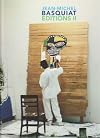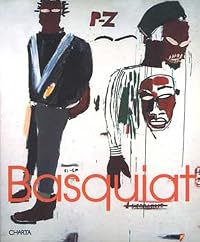
Jean-Michel Basquiat
by Jean-Michel Basquiat
On This Page
Description
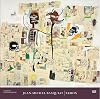
"'Jean-Michel Basquiat: Xerox' is the first concentrated examination of the extraordinary body of work that Basquiat created using Xerox copies as his principal medium and compositional focal point."Tags
Recommendations





























Member Reviews
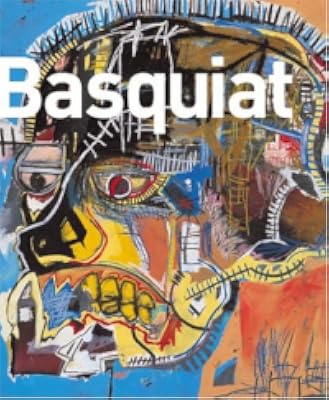
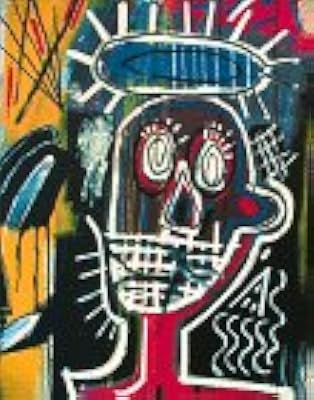
An extraordinary trove of paintings Basquiat made on doors, windows and a refrigerator.--Will Heinrich "New York Times"
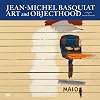
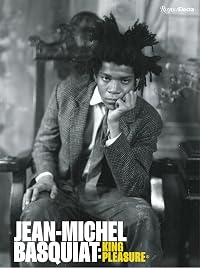
Published on the occasion of the exhibition, Jean-Michel Basquiat: Art and Objecthood, at Nahmad Contemporary, this book will illuminate the role of found objects and unconventional materials in the Jean- Michel Basquiat's oeuvre. Basquiat, whose artistic practice has profoundly impacted audiences on an international scale, used objects and media from his environs to proliferate messages of social justice and change.
Featuring a breadth of works that the artist made using unconventional painted supports and found-object sculptures, this publication will provide an innovative, in-depth look into the artist's sculptural show more practice. In addition to painting and drawing on items within his domestic spaces?refrigerators, chairs, and cabinets?Basquiat also left his mark on items he encountered on the street?discarded windows and doors, mirrors, wood boards, and subway tiles.
The publication will present new scholarship by leading Basquiat academics and art historians that will explore Basquiat's use of found objects and materials and their role in addressing issues of social inequality and the politics of race in the United States. show less
Published on the occasion of the exhibition, Jean-Michel Basquiat: Art and Objecthood, at Nahmad Contemporary, this book will illuminate the role of found objects and unconventional materials in the Jean- Michel Basquiat's oeuvre. Basquiat, whose artistic practice has profoundly impacted audiences on an international scale, used objects and media from his environs to proliferate messages of social justice and change.
Featuring a breadth of works that the artist made using unconventional painted supports and found-object sculptures, this publication will provide an innovative, in-depth look into the artist's sculptural show more practice. In addition to painting and drawing on items within his domestic spaces?refrigerators, chairs, and cabinets?Basquiat also left his mark on items he encountered on the street?discarded windows and doors, mirrors, wood boards, and subway tiles.
The publication will present new scholarship by leading Basquiat academics and art historians that will explore Basquiat's use of found objects and materials and their role in addressing issues of social inequality and the politics of race in the United States. show less
Copy, paste: Basquiat's collaged Xerox paintings presage today's sampling aesthetics
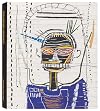
Jean-Michel Basquiat: Xerox provides the first concentrated examination of the extraordinary body of work that the artist created using Xerox copies as his principal medium and compositional focal point. These immersive, collaged Xerox paintings epitomize Basquiat’s extraordinary instinct for visual language. Their raw, allover compositions incorporate recycled and transformed signs and markings from the artist’s everyday experiences, including motifs from his earlier artworks.
The intricate web of content in this series presages the copy-paste sampling characteristic of the subsequent internet and post-internet generations, positioning Basquiat as a show more pioneer of the pre-digital age.
Jean-Michel Basquiat (1960–88) grew up in Brooklyn. Notoriety came early, from his street paintings made under the tag SAMO. Later he stormed the gallery world, and became an icon of New York's vibrant early-’80s downtown scene, a friend to and collaborator with Andy Warhol and Francesco Clemente, and the cover boy for a 1985 New York Times Magazine story on the new art market. He died following a heroin overdose at 27. show less
Jean-Michel Basquiat: Xerox provides the first concentrated examination of the extraordinary body of work that the artist created using Xerox copies as his principal medium and compositional focal point. These immersive, collaged Xerox paintings epitomize Basquiat’s extraordinary instinct for visual language. Their raw, allover compositions incorporate recycled and transformed signs and markings from the artist’s everyday experiences, including motifs from his earlier artworks.
The intricate web of content in this series presages the copy-paste sampling characteristic of the subsequent internet and post-internet generations, positioning Basquiat as a show more pioneer of the pre-digital age.
Jean-Michel Basquiat (1960–88) grew up in Brooklyn. Notoriety came early, from his street paintings made under the tag SAMO. Later he stormed the gallery world, and became an icon of New York's vibrant early-’80s downtown scene, a friend to and collaborator with Andy Warhol and Francesco Clemente, and the cover boy for a 1985 New York Times Magazine story on the new art market. He died following a heroin overdose at 27. show less
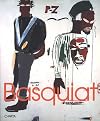
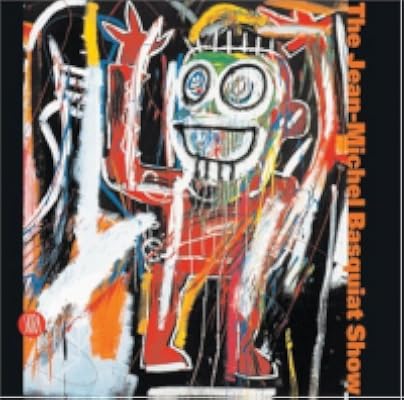
Exhibition catalogue published in conjunction with show held November 28, 1986 - January 25, 1987. Exhibition curated by Carl Haenlein, Texts by Haenlein and Robert Farris Thompson.
Ratings
Members
- Recently Added By
Author Information
53+ Works 408 Members
Common Knowledge
- People/Characters
- Jean-Michel Basquiat; Andy Warhol
Classifications
- Genres
- Art & Design, Nonfiction
- DDC/MDS
- 759 — Arts & recreation Painting History, geographic treatment, biography
- LCC
- N6537 .B233 .A4 — Fine Arts Visual arts History
- BISAC
Statistics
- Members
- 132
- Popularity
- 248,577
- Reviews
- 3
- Rating
- (4.83)
- Languages
- English, German, Italian
- Media
- Paper
- ISBNs
- 9
- ASINs
- 2