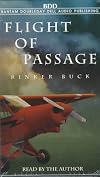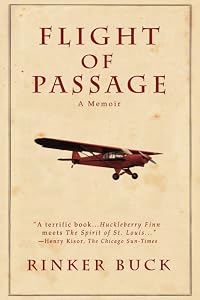
Flight of Passage: A Memoir
by Rinker Buck
On This Page
Description
Praised as a riveting adventure tale, loopy travelogue, and powerful family memoir in one ingeniously crafted package (Harry Stein, "One of the good Guys"), this beautiful memoir tells an enchanting story of youthful accomplishment.Tags
Recommendations
















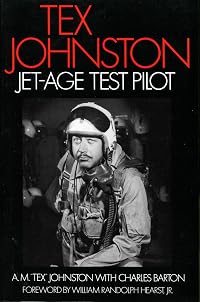

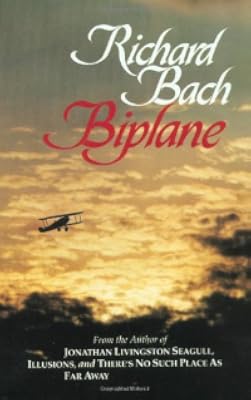
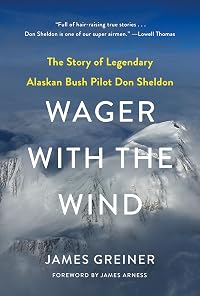
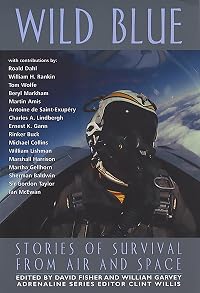









Member Recommendations

Member Reviews
Well boys I got one hell of a humdinger of a book for you. A book about a cross-country trip in a Piper Cub, about brothers, about father & son relationships, about a time when America was fighting to maintain innocent exuberant optimism in the face of challenges only a mature nation would be able to handle well... paralleling the lives of these two teens over the course of a critical few months in 1966.
It's got thrilling adventure, larger-than-life characters, laugh out loud humor, sex & alcohol & swearwords, hardly any girls or women, and, best of all, it's intelligent & wise. In fact, your women won't tsk at you for reading it, and might even want to do so themselves.
My mother recommended it to me, and I'm grateful. Now I'm passing show more it to my husband, confident that he'll enjoy it, too. 4.5 stars rounded down because no epilogue referring to his daughters (you'll know why that matters after meeting them in the beginning of the book). Highly recommended to boys, men, and people who love them. Or who are interested in the purported subject. show less
It's got thrilling adventure, larger-than-life characters, laugh out loud humor, sex & alcohol & swearwords, hardly any girls or women, and, best of all, it's intelligent & wise. In fact, your women won't tsk at you for reading it, and might even want to do so themselves.
My mother recommended it to me, and I'm grateful. Now I'm passing show more it to my husband, confident that he'll enjoy it, too. 4.5 stars rounded down because no epilogue referring to his daughters (you'll know why that matters after meeting them in the beginning of the book). Highly recommended to boys, men, and people who love them. Or who are interested in the purported subject. show less
Well, I expected this to be good - how could the tale of two teenage brothers flying together in a Piper Cub across continental Ammerica east to west and back again NOT be good?! - but I think this was in the end an excellent read. I was moved, charmed, and thrilled by the story of Rinker and his older brother Kern first restoring the aircraft in the family barn over the winter, and then the adventure of the flight itself.
But there was more to this book than the 'adventure' itself. This is an endearingly told story also of brothers and how they are able to simultaneously love and hate each other, and how their relationship eventually blossoms. These brothers however, each have a quite different relationship with their father - the one show more legged former barnstormer pilot Tom Buck. His lively pipe-smoking presence looms imperiously in the background as these boys are literally trying to fly away. The twists and turns in this aspect of the story are told with a beautiful poignancy.
'I looked back several times at my father as he waved, wiggling
the wings for him a couple of more times. Behind and below me,
he was framed by the tail section of the plane, as if in a
picture. I remember the way the sunlight turned the grass
around him a hard green, and the way the image of him was
blurred and kept going double from the slipstream beating my
hair into my face and whipping up tears in the corners of my
eyes. I was filled with an immense sadness and happiness for
him at once, and afterward I couldn't understand why that
particular vision of him moved me so much, or why it returned
so often in my dreams. After a while I just accepted it as a
portrait of contentment between us. Maybe we would never say
it that way but the truth was that we were happiest watching
each other recede in the distance.'
Back to the flying at the heart of this lovely memoir. Buck has a fantastically simple way of saying things that are both eloquent and straightforward. There is plenty of technical detail in the flight descriptions but I never felt that it was too difficult for me to grasp whatever was happening to '71-Hotel' or the air around it through which it flew. Some of the prose describing their passage over a July 4th weekend USA is as delightful as any I've read.
I could insert other passages here in this review to show off Buck's fine writing, but I won't as time is pressing in on us. The chapter covering the Rocky Mountain traverse is brilliantly written and is simply enthralling. The many varied characters they encounter are wonderful slices of Americana of the mid-60s. This was a highly satisfying book and will please readers of many different genres. Read it! show less
But there was more to this book than the 'adventure' itself. This is an endearingly told story also of brothers and how they are able to simultaneously love and hate each other, and how their relationship eventually blossoms. These brothers however, each have a quite different relationship with their father - the one show more legged former barnstormer pilot Tom Buck. His lively pipe-smoking presence looms imperiously in the background as these boys are literally trying to fly away. The twists and turns in this aspect of the story are told with a beautiful poignancy.
'I looked back several times at my father as he waved, wiggling
the wings for him a couple of more times. Behind and below me,
he was framed by the tail section of the plane, as if in a
picture. I remember the way the sunlight turned the grass
around him a hard green, and the way the image of him was
blurred and kept going double from the slipstream beating my
hair into my face and whipping up tears in the corners of my
eyes. I was filled with an immense sadness and happiness for
him at once, and afterward I couldn't understand why that
particular vision of him moved me so much, or why it returned
so often in my dreams. After a while I just accepted it as a
portrait of contentment between us. Maybe we would never say
it that way but the truth was that we were happiest watching
each other recede in the distance.'
Back to the flying at the heart of this lovely memoir. Buck has a fantastically simple way of saying things that are both eloquent and straightforward. There is plenty of technical detail in the flight descriptions but I never felt that it was too difficult for me to grasp whatever was happening to '71-Hotel' or the air around it through which it flew. Some of the prose describing their passage over a July 4th weekend USA is as delightful as any I've read.
I could insert other passages here in this review to show off Buck's fine writing, but I won't as time is pressing in on us. The chapter covering the Rocky Mountain traverse is brilliantly written and is simply enthralling. The many varied characters they encounter are wonderful slices of Americana of the mid-60s. This was a highly satisfying book and will please readers of many different genres. Read it! show less
FLIGHT OF PASSAGE: A MEMOIR, by Rinker Buck.
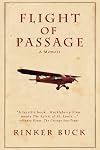
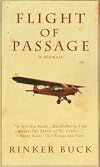
I thoroughly enjoyed reading this book. And that cover photo of an immaculately restored Piper Cub only tells half the story. Sure, there's plenty in here about that, and also a wonderful recreation of the young Buck brothers' news-making transcontinental flight in said aircraft; and Rinker Buck's journalistic background is evident in the fine writing displayed here. But the real story is about family. First, about an extrovert younger brother (Rinker) who had always overshadowed and outshone his introverted, geeky, highly intelligent older sibling (Kern), and how their relationship changed in the months-long process of restoring the Cub and then flying it together coast-to-coast in the course show more of one adventure-filled and often dangerous week which tested the limits of their flying skills, but, even more importantly, brought them closer together. They became friends and equals during the trip. And second, Rinker confronts the problems he's had with his father, Tom Buck, a flamboyant, self-made man who had taught himself to fly during the Great Depression and barnstormed his way out of poverty into a successful career in publishing.
The often crushingly frustrating, head-to-head conflict between fifteen year-old Rinker and his father is perhaps best explained, metaphorically, by a phenomenon the author calls "copilot vertigo," a "phenomenon ... where visibility over the pilot in front is limited .. [and] the copilot longs to battle the turbulence himself and restore his sense of control." Rinker was at a point in his development where he needed to get out from under the thumb of his rigidly controlling father, and the journey he makes with his brother helps him to do this. Indeed, at the very heart of this eloquent memoir is the story of a son finally coming to terms with what was for so long a deeply difficult relationship with his own father.
I was able to connect to this story at both levels, as a son, and as a father. In fact I nearly wept at the author's description of the first phone call home from the boys after the initial leg of their flight from New Jersey to Indiana.
"My father must have been sitting all evening with the phone in his lap. We didn't even get off a full ring before he picked it up. When he heard it was us, we could hear the tension and worry going out of his voice."
Yeah, wondering if his 17 year-old and 15 year-old sons were okay on this momentous and maybe foolhardy adventure. Dad was probably a muddle of guilt, fear and envy about the whole thing. But mostly he was probably scared for them. Yeah, I could relate. Just like I could relate to the constant confrontations between the ebullient 14 and 15-year old Rinker and his strict, disciplinarian dad. And this is so important - being able to relate, I mean - and LIKING the main character, in this case the author narrator, Rinker Buck. And I liked Buck, no mistake. Not only a great writer, but obviously a great human being, looking back at those days over thirty years later with the advantage of those extra intervening years working for him in telling his story.
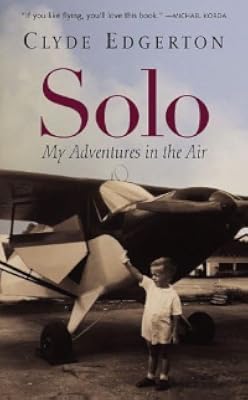
Because this is so much also a book about flying, I was often reminded of a couple similar memoirs I've read in the past ten or twelve years: Clyde Edgerton's SOLO: MY ADVENTURES IN THE AIR, and Samuel Hynes's FLIGHTS OF PASSAGE: RECOLLECTIONS OF A WORLD WAR II AVIATOR. Both are wonderful books about both flying and a young man's coming of age. If you liked Buck's book, you'd certainly like Hynes and Edgerton too. This book? Outstanding. Highly recommended. show less
I thoroughly enjoyed reading this book. And that cover photo of an immaculately restored Piper Cub only tells half the story. Sure, there's plenty in here about that, and also a wonderful recreation of the young Buck brothers' news-making transcontinental flight in said aircraft; and Rinker Buck's journalistic background is evident in the fine writing displayed here. But the real story is about family. First, about an extrovert younger brother (Rinker) who had always overshadowed and outshone his introverted, geeky, highly intelligent older sibling (Kern), and how their relationship changed in the months-long process of restoring the Cub and then flying it together coast-to-coast in the course show more of one adventure-filled and often dangerous week which tested the limits of their flying skills, but, even more importantly, brought them closer together. They became friends and equals during the trip. And second, Rinker confronts the problems he's had with his father, Tom Buck, a flamboyant, self-made man who had taught himself to fly during the Great Depression and barnstormed his way out of poverty into a successful career in publishing.
The often crushingly frustrating, head-to-head conflict between fifteen year-old Rinker and his father is perhaps best explained, metaphorically, by a phenomenon the author calls "copilot vertigo," a "phenomenon ... where visibility over the pilot in front is limited .. [and] the copilot longs to battle the turbulence himself and restore his sense of control." Rinker was at a point in his development where he needed to get out from under the thumb of his rigidly controlling father, and the journey he makes with his brother helps him to do this. Indeed, at the very heart of this eloquent memoir is the story of a son finally coming to terms with what was for so long a deeply difficult relationship with his own father.
I was able to connect to this story at both levels, as a son, and as a father. In fact I nearly wept at the author's description of the first phone call home from the boys after the initial leg of their flight from New Jersey to Indiana.
"My father must have been sitting all evening with the phone in his lap. We didn't even get off a full ring before he picked it up. When he heard it was us, we could hear the tension and worry going out of his voice."
Yeah, wondering if his 17 year-old and 15 year-old sons were okay on this momentous and maybe foolhardy adventure. Dad was probably a muddle of guilt, fear and envy about the whole thing. But mostly he was probably scared for them. Yeah, I could relate. Just like I could relate to the constant confrontations between the ebullient 14 and 15-year old Rinker and his strict, disciplinarian dad. And this is so important - being able to relate, I mean - and LIKING the main character, in this case the author narrator, Rinker Buck. And I liked Buck, no mistake. Not only a great writer, but obviously a great human being, looking back at those days over thirty years later with the advantage of those extra intervening years working for him in telling his story.
Because this is so much also a book about flying, I was often reminded of a couple similar memoirs I've read in the past ten or twelve years: Clyde Edgerton's SOLO: MY ADVENTURES IN THE AIR, and Samuel Hynes's FLIGHTS OF PASSAGE: RECOLLECTIONS OF A WORLD WAR II AVIATOR. Both are wonderful books about both flying and a young man's coming of age. If you liked Buck's book, you'd certainly like Hynes and Edgerton too. This book? Outstanding. Highly recommended. show less
When I started the first few pages of this book, I thought to myself "why am I reading ANOTHER book by a male pilot about his strained relationship with his father in terms of some flight he took in an old airplane?" I wasn't sure I would like it. But then I got totally sucked in. The author's father's barnstorming blarney must have rubbed off, because even though I'm sure I was reading some fish stories, it was entertaining and captivating. The avocado story had me literally laughing out loud as I turned the pages.
Highly recommended for any aviation fans.
Highly recommended for any aviation fans.
I would give this book five stars because I love it, but the language... Avoid this book if you don't like swearing and bad language, whole conversations would have to be crossed out. But if you don't mind the language and can stand the 1960's actions, this book it great.
Whether they are getting bruises from the turbulence, or throwing things out the window, the two boys are busy having the time of their lives.
Whether they are getting bruises from the turbulence, or throwing things out the window, the two boys are busy having the time of their lives.
Rinker Buck was only fifteen and his brother Kernahan only seventeen when they set out to fly a Piper Cub across the country from New Jersey to California. For the first hundred pages, the author shows us the Buck family. Tom Buck is the exuberant, pushy father, a barnstorming pilot in his youth, who doesn’t let the loss of a leg in an ugly airplane accident slow him down. He gives too much of his attention to Kern and Rinker, the oldest boys in a family of eleven children, and makes no secret of his ambition for their success and even fame.
Kern is nerdy and shy; Rinker is outgoing, a bit of a juvenile delinquent, and he would like to have an older brother who is more assertive and confident. But when Tom Buck teaches the boys to show more fly, it is Kern who blossoms into the natural pilot, supremely confident at the controls, while Rinker is more mechanical; competent, but without his brother’s ease and first-time mastery of each maneuver.
The cross-country trip was Kern’s idea, born out of some wish to defy his father, to do something on his own, or to just get away from him for a while. Rinker goes along, pretty much for the same reasons, and eventually both realize how closely they are following their father’s dreams for himself and for them.
Rinker especially gets some perspective on his father, literally (“I looked back several times at my father. . . . the truth was that we were happiest watching each other recede in the distance”) and figuratively, as he realizes how much his father has given him (“Mapreading and pilotage the old-fashioned way were my father’s gift to me, a very simple gift”) and how much like him both he and Kern are.
Rinker doesn’t always get the terrain right. When the boys are flying over western Kentucky, for instance, which he calls an “Appalachian swale,” he writes
Just north of Wingo, Kentucky the tracks [they are following] disappeared into a mountain tunnel. We climbed over the summit and wedged in under the clouds . . . . when the ravines opened up and it was safe to go low we dove below the mountain walls. . . .
And he puts the painted desert as well as the mesa country of New Mexico between Deming and Tucson. On the second night there is the stay, which seems almost obligatory in coming-of-age travel memoirs (cf. Our Hearts Were Young and Gay), in the motel the young innocents don’t recognize as a whorehouse.
The flight takes six days. On the first day they make it into Indiana. The second day takes them across Kentucky into Arkansas and an unpleasant stop among Stearman crop-duster pilots; stopping there was recommended by their father because he has an idealized memory of “Stearman men” as the noblest of human beings, while these turn out to be the worst kind of rednecks. On the third day they make it to Albany, Texas, where Kern buys a cowboy hat he wears for the rest of the trip. The fourth day is the most difficult. As they are about to land for their first refueling stop, the elevator spring breaks, and it takes both boys manhandling the controls to land the plane. Then, in New Mexico, a rubber and asbestos gasket on the underside of the engine cowling gets loose and scares them into thinking they have a piston out. But the mechanic at Carlsbad just pulls the cowling off. Then they must take on the Rockies at Guadalupe Pass, a narrow ravine between two 8700-foot peaks. They take the Cub to its service ceiling of 10,000 feet and higher, through midsummer density altitude conditions. They fly southwest, parallel to the mountains, until they reach the pass, then turn into the strong westerlies blowing through it. They continue to climb through the worst of the headwinds. As they get inside the pass, Kern gives his brother the controls because his arms have given out from fighting the turbulence. Rinker flies, maintaining the 11,600 feet of indicated altitude (probably really a thousand feet lower), recalling his father’s insistence on attention to altitude, until they are almost through the pass, when Kern can take over again.
At El Paso they find reporters and cameramen who make much of them. Rinker professes to have been surprised at how much they interest their trip aroused, and how the two of them keep getting compared to the young Jack and Bobby Kennedy. They also meet Robert Warren Pate, a retired Air Force pilot who hunts from the air for legendary treasure troves in the mountains. Pate and his wife and sister-in-law befriend the boys, who stay over for the Pates’ hospitality, which includes a trip to Mexico. Pate tells a story about finding Montezuma’s lost treasure in the mountains while he flies his Stearman dead-stick through Guadalupe Pass with carburetor ice. He is still trying to find the spot again.
The next day they take off, Rinker with a hangover, and fly New Mexico and Arizona to Yuma. Late in the afternoon, bored over Highway 8 from Gila Bend to Yuma, they buzz a Greyhound Bus, eventually running it off the road.
On the last day they fly from Yuma to San Diego, barely escaping from a jackass Border Patrol officer who wants to strip their plane to look for contraband. They fly into San Diego, refuel, and then head up to the coast to San Juan Capistrano, where the news helicopters keep them from landing for several passes. There is a large press reception.
The boys stay two weeks with their uncle and aunt, having a good time until Tom Buck arrives to try to manage their time. As they are about to take off for the return trip, Rinker has to confess to his father that there is no waterbag hanging from the wheels of the Cub; Tom Buck had insisted they take a canvas waterbag just in case they are forced down, and he has been led to believe that they did, although their only half-hearted to attempt to find one in New Jersey was not successful. The return flight over the pass is easier, and on the way back Rinker flies one whole leg from the front seat.
Kern went off to college that fall. The Cub was sold in 1968. Tom Buck rarely flew in small planes after the boys’ trip. He soloed Rinker, and then his health began to decline. In the spring of the 1969, the year Rinker went to college, Buck collapsed from heart failure while giving a speech at the University of Arizona. He died in 1975. Rinker ends the book by describing a last flight he made in the Cub, in 1994, having contacted the current owner. show less
Kern is nerdy and shy; Rinker is outgoing, a bit of a juvenile delinquent, and he would like to have an older brother who is more assertive and confident. But when Tom Buck teaches the boys to show more fly, it is Kern who blossoms into the natural pilot, supremely confident at the controls, while Rinker is more mechanical; competent, but without his brother’s ease and first-time mastery of each maneuver.
The cross-country trip was Kern’s idea, born out of some wish to defy his father, to do something on his own, or to just get away from him for a while. Rinker goes along, pretty much for the same reasons, and eventually both realize how closely they are following their father’s dreams for himself and for them.
Rinker especially gets some perspective on his father, literally (“I looked back several times at my father. . . . the truth was that we were happiest watching each other recede in the distance”) and figuratively, as he realizes how much his father has given him (“Mapreading and pilotage the old-fashioned way were my father’s gift to me, a very simple gift”) and how much like him both he and Kern are.
Rinker doesn’t always get the terrain right. When the boys are flying over western Kentucky, for instance, which he calls an “Appalachian swale,” he writes
Just north of Wingo, Kentucky the tracks [they are following] disappeared into a mountain tunnel. We climbed over the summit and wedged in under the clouds . . . . when the ravines opened up and it was safe to go low we dove below the mountain walls. . . .
And he puts the painted desert as well as the mesa country of New Mexico between Deming and Tucson. On the second night there is the stay, which seems almost obligatory in coming-of-age travel memoirs (cf. Our Hearts Were Young and Gay), in the motel the young innocents don’t recognize as a whorehouse.
The flight takes six days. On the first day they make it into Indiana. The second day takes them across Kentucky into Arkansas and an unpleasant stop among Stearman crop-duster pilots; stopping there was recommended by their father because he has an idealized memory of “Stearman men” as the noblest of human beings, while these turn out to be the worst kind of rednecks. On the third day they make it to Albany, Texas, where Kern buys a cowboy hat he wears for the rest of the trip. The fourth day is the most difficult. As they are about to land for their first refueling stop, the elevator spring breaks, and it takes both boys manhandling the controls to land the plane. Then, in New Mexico, a rubber and asbestos gasket on the underside of the engine cowling gets loose and scares them into thinking they have a piston out. But the mechanic at Carlsbad just pulls the cowling off. Then they must take on the Rockies at Guadalupe Pass, a narrow ravine between two 8700-foot peaks. They take the Cub to its service ceiling of 10,000 feet and higher, through midsummer density altitude conditions. They fly southwest, parallel to the mountains, until they reach the pass, then turn into the strong westerlies blowing through it. They continue to climb through the worst of the headwinds. As they get inside the pass, Kern gives his brother the controls because his arms have given out from fighting the turbulence. Rinker flies, maintaining the 11,600 feet of indicated altitude (probably really a thousand feet lower), recalling his father’s insistence on attention to altitude, until they are almost through the pass, when Kern can take over again.
At El Paso they find reporters and cameramen who make much of them. Rinker professes to have been surprised at how much they interest their trip aroused, and how the two of them keep getting compared to the young Jack and Bobby Kennedy. They also meet Robert Warren Pate, a retired Air Force pilot who hunts from the air for legendary treasure troves in the mountains. Pate and his wife and sister-in-law befriend the boys, who stay over for the Pates’ hospitality, which includes a trip to Mexico. Pate tells a story about finding Montezuma’s lost treasure in the mountains while he flies his Stearman dead-stick through Guadalupe Pass with carburetor ice. He is still trying to find the spot again.
The next day they take off, Rinker with a hangover, and fly New Mexico and Arizona to Yuma. Late in the afternoon, bored over Highway 8 from Gila Bend to Yuma, they buzz a Greyhound Bus, eventually running it off the road.
On the last day they fly from Yuma to San Diego, barely escaping from a jackass Border Patrol officer who wants to strip their plane to look for contraband. They fly into San Diego, refuel, and then head up to the coast to San Juan Capistrano, where the news helicopters keep them from landing for several passes. There is a large press reception.
The boys stay two weeks with their uncle and aunt, having a good time until Tom Buck arrives to try to manage their time. As they are about to take off for the return trip, Rinker has to confess to his father that there is no waterbag hanging from the wheels of the Cub; Tom Buck had insisted they take a canvas waterbag just in case they are forced down, and he has been led to believe that they did, although their only half-hearted to attempt to find one in New Jersey was not successful. The return flight over the pass is easier, and on the way back Rinker flies one whole leg from the front seat.
Kern went off to college that fall. The Cub was sold in 1968. Tom Buck rarely flew in small planes after the boys’ trip. He soloed Rinker, and then his health began to decline. In the spring of the 1969, the year Rinker went to college, Buck collapsed from heart failure while giving a speech at the University of Arizona. He died in 1975. Rinker ends the book by describing a last flight he made in the Cub, in 1994, having contacted the current owner. show less
I love books like this. Not only do you get a peek inside one person, you get to explore another time, place,and culture in a way that history textbooks will never match.
If you liked this book, I would recommend [b:A Walk Across America|122781|A Walk Across America|Peter Jenkins|http://photo.goodreads.com/books/1171843109s/122781.jpg|806366], [b:The Walk West: A Walk Across America 2|122782|The Walk West A Walk Across America 2 (Walk West)|Peter Jenkins|http://photo.goodreads.com/books/1216767057s/122782.jpg|1797421], and [b:Diary of Two Motorcycle Hobos|51759|Diary of Two Motorcycle Hobos|Lois Wilson|http://photo.goodreads.com/books/1170382424s/51759.jpg|50505].
If you liked this book, I would recommend [b:A Walk Across America|122781|A Walk Across America|Peter Jenkins|http://photo.goodreads.com/books/1171843109s/122781.jpg|806366], [b:The Walk West: A Walk Across America 2|122782|The Walk West A Walk Across America 2 (Walk West)|Peter Jenkins|http://photo.goodreads.com/books/1216767057s/122782.jpg|1797421], and [b:Diary of Two Motorcycle Hobos|51759|Diary of Two Motorcycle Hobos|Lois Wilson|http://photo.goodreads.com/books/1170382424s/51759.jpg|50505].
Members
- Recently Added By
Lists

Page Turners
185 works; 11 members

Hachette Book Group
152 works; 6 members
Author Information

6+ Works 2,018 Members
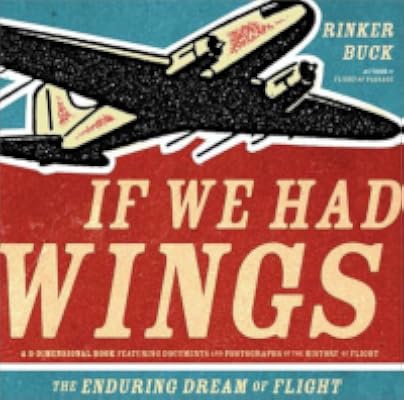
Rinker Buck (b. 1950) is an award-winning American journalist and author. He was born and raised in Morristown, NJ. He graduated from Bowdoin College in Brunswick Maine, and began his journalism career as a reporter for the Berkshire Eagle, in 1973. He has since written for several national publications, including: New York, Life, Adweek and the show more Hartford Courant. Buck has written numerous non-fiction books, including: The Oregon Trail: A New American Journey, Shane Comes Home, First Job: A Memoir of Growing up at Work, If We Had Wings: The Enduring Dream of Flight, and Flights of Passage. (Bowker Author Biography) show less
Awards and Honors
Work Relationships
Is abridged in
Common Knowledge
- People/Characters
- Rinker Buck; Kern Buck; Tom Buck
- Important places
- New Jersey, USA; California, USA
- Important events
- Youngest aviators on record to fly America coast to coast (1966)
- Dedication
- This book is for my brother, Kernahan Buck, who got us there, and for my father, Thomas Francis Buck, who taught us to dream and then had the sense to let us go.
- First words
- We were just two boys, seventeen and fifteen, flying to California in an airplane built before either of us was born.
- Publisher's editor
- DeFiore, Brian
- Blurbers
- Minzenheimer, Bob; Berendt, John; Herring, Hubert B.; Bailey, Douglas; Elliot, Jack; Sackville-West, Sophia (show all 8); Lopate, Phillip; Kisor, Henry
Classifications
- Genres
- Biography & Memoir, Nonfiction, Travel, General Nonfiction
- DDC/MDS
- 629.13 — Applied science & technology Engineering Transportation Vehicles Airplanes, Helicopters, and other aircrafts Aviation engineering
- LCC
- TL721 .B83 .A3 — Technology Motor vehicles. Aeronautics. Astronautics Motor vehicles. Aeronautics. Astronautics Aeronautics. Aeronautical engineering
- BISAC
Statistics
- Members
- 325
- Popularity
- 97,639
- Reviews
- 14
- Rating
- (4.36)
- Languages
- English, German
- Media
- Paper, Audiobook, Ebook
- ISBNs
- 9
- ASINs
- 5