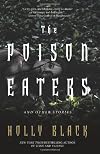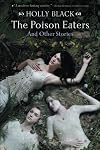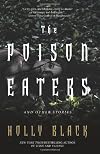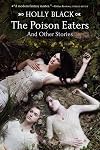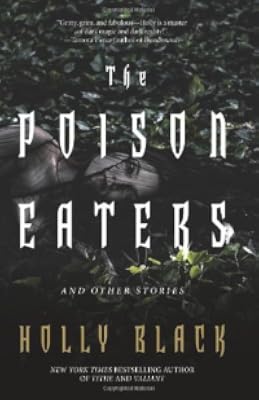
The Poison Eaters
by Holly Black
Modern Tales of Faerie (Short - The Land of Heart's Desire), The Curse Workers (Collections and Selections — "In Vodka Veritas")
On This Page
Description
A girl wagers her soul in a sour-gummy-frog-eating contest with the devil. Love and a homemade coat rescue a boy from his fairyland jailers. A newly bitten teenage vampire uses the Internet to show the world just how uncool the "cold" life is. In this collection of stories, the supernatural intersects with everyday life in surprising and dangerous ways.Tags
Recommendations




Member Reviews
I've had this lingering problem with Holly Black ever since I read this book. In one of her stories, featuring some assortment of edgy teen punk runaways, one punk runaway mocks one of her fellows for reading fantasy. Those books aren't about people like us, she sniffs. A small thing to bother me for so long, true, and I'm sure I'm both petty and shallow, but this is such bullshit, on so many levels, that my brain has never quite stopped picking at it, like at a particularly troublesome scab. Now she's got a new series out, and I'm frankly scared to read it. It's brought up my issues with "Poison Eaters" all over again.
Bullshit part the first: as a bookseller and as a former punk street kid, I think I'm qualified to state that runaway show more punk kids love fantasy. Why? Because "people like us" - i.e. the alienated, the dispossessed, the abandoned, the hungry, the haunted: these are EXACTLY the people that fantasy is for and about, just dressed up in metaphor. Fantasy is at its best when it uses its capacity for allegory to reflect the universal experience of being human, but even bad fantasy has an appealing sense of epic escapism which endears it to street kids and house kids alike.
Secondly, it's a revoltingly self-congratulatory statement, and one that's no longer even close to accurate. Writers have been using street kids in fantasy since the first punks shoved safety pins through their eyebrows. Simply throwing in some characters dressed up as punks doesn't actually make the story more edgy. You don't have to be an actual dispossessed princeling or renegade wizard or enterprising thief or whatever to identify with the characters in a fantasy story (though that visual is sort of ridiculous AND awesome)- and, conversely, using punk street kids doesn't necessarily make your story any more relevant to said kids.
And I'm not saying you have to have been a strung out street kid to write about strung out street kids. As I've noted before, Black has a nice touch with teenage dialogue - by and large, her kids sound like real kids. Just not here, when she stops to pat herself on the back about it. Or in the incredibly annoying (but thankfully brief) story about heroin addicted fairies.
In fact, it's her stories devoid of tough-talking, drug-addled urchins that really stand out in this collection. "Reversal of Fortune" is clever, poignant, and probably the first work of fantasy to involve competitive eating. The title story is creepy and beautiful and understated, perfectly compact. It actually makes the read more frustrating. IT COULD ALL HAVE BEEN GOOD.
And, hey, maybe Holly Black has some street cred I don't know about. Her webpage is coy, innocent-gothy, light on the biographical detail and heavy on the cute: a publisher's dream. Maybe in real life, behind the curtain of her internet persona, she's haunted by her homeless past. Maybe she's done her time on cardboard mats, jostling elbow to scabies-infested elbow in a squat, living on seven layer burritos or the free food from the Hari Krishnas, getting scabby from malnutrition and watching her friends die from senseless violence or overdoses. Maybe her friends hated fantasy and all read nothing but Hubert Selby Jr and William Burroughs - your higher class sort of junkie street kid, say. Even if this were all true, and I've unjustly maligned her, I'm still sick of these heroin-chic waifs clogging up the pages of the young adult section.
Because it's not just Holly Black. And it's nothing new: "Go Ask Alice" is STILL a bestseller in YA, despite the fact that it's utterly ludicrous and medically implausible. In fact, tragic tales of drugs and fatal diseases still make up the bulk of the YA publications aimed at girls. I'm not sure whether they're actually being edged out by tales of vampiric romance, or if the whole notion of getting sexually involved with predatory and inhuman creatures is simply another way of expressing the same fascination with doom and self-harm. And why pander to that just to make your story seem more hip?
All this from one little line. I should probably practice caring less. show less
Bullshit part the first: as a bookseller and as a former punk street kid, I think I'm qualified to state that runaway show more punk kids love fantasy. Why? Because "people like us" - i.e. the alienated, the dispossessed, the abandoned, the hungry, the haunted: these are EXACTLY the people that fantasy is for and about, just dressed up in metaphor. Fantasy is at its best when it uses its capacity for allegory to reflect the universal experience of being human, but even bad fantasy has an appealing sense of epic escapism which endears it to street kids and house kids alike.
Secondly, it's a revoltingly self-congratulatory statement, and one that's no longer even close to accurate. Writers have been using street kids in fantasy since the first punks shoved safety pins through their eyebrows. Simply throwing in some characters dressed up as punks doesn't actually make the story more edgy. You don't have to be an actual dispossessed princeling or renegade wizard or enterprising thief or whatever to identify with the characters in a fantasy story (though that visual is sort of ridiculous AND awesome)- and, conversely, using punk street kids doesn't necessarily make your story any more relevant to said kids.
And I'm not saying you have to have been a strung out street kid to write about strung out street kids. As I've noted before, Black has a nice touch with teenage dialogue - by and large, her kids sound like real kids. Just not here, when she stops to pat herself on the back about it. Or in the incredibly annoying (but thankfully brief) story about heroin addicted fairies.
In fact, it's her stories devoid of tough-talking, drug-addled urchins that really stand out in this collection. "Reversal of Fortune" is clever, poignant, and probably the first work of fantasy to involve competitive eating. The title story is creepy and beautiful and understated, perfectly compact. It actually makes the read more frustrating. IT COULD ALL HAVE BEEN GOOD.
And, hey, maybe Holly Black has some street cred I don't know about. Her webpage is coy, innocent-gothy, light on the biographical detail and heavy on the cute: a publisher's dream. Maybe in real life, behind the curtain of her internet persona, she's haunted by her homeless past. Maybe she's done her time on cardboard mats, jostling elbow to scabies-infested elbow in a squat, living on seven layer burritos or the free food from the Hari Krishnas, getting scabby from malnutrition and watching her friends die from senseless violence or overdoses. Maybe her friends hated fantasy and all read nothing but Hubert Selby Jr and William Burroughs - your higher class sort of junkie street kid, say. Even if this were all true, and I've unjustly maligned her, I'm still sick of these heroin-chic waifs clogging up the pages of the young adult section.
Because it's not just Holly Black. And it's nothing new: "Go Ask Alice" is STILL a bestseller in YA, despite the fact that it's utterly ludicrous and medically implausible. In fact, tragic tales of drugs and fatal diseases still make up the bulk of the YA publications aimed at girls. I'm not sure whether they're actually being edged out by tales of vampiric romance, or if the whole notion of getting sexually involved with predatory and inhuman creatures is simply another way of expressing the same fascination with doom and self-harm. And why pander to that just to make your story seem more hip?
All this from one little line. I should probably practice caring less. show less
The Poison Eaters is an eclectic mix of short stories that highlight Holly Black's mastery of all things dark and disturbing. Each story draws on something a bit different so that no one story blends into the other. She touches on vampires, fairies, princesses, and so much more and does it all with a sense of mastery. Yet, the mythical elements are only that - elements. Each novel addresses are more mundane aspects of society and challenges them in humanity. From drugs to sacrifice to protecting loved ones, humans and mythical creatures alike face the same obstacles, making her short stories more than paranormal vignettes.
The stories themselves are fairly short, making this a nice, easy and enjoyable read. Ms. Black shines as she shares show more her fascinating characters and lessons on morality. Her simplistic writing style lends itself well to her spooky subject matter. Fans of Ms. Black will enjoy these extra stories, while those not yet familiar with her work would benefit from this collection of short stories as an introduction to her writing. show less
The stories themselves are fairly short, making this a nice, easy and enjoyable read. Ms. Black shines as she shares show more her fascinating characters and lessons on morality. Her simplistic writing style lends itself well to her spooky subject matter. Fans of Ms. Black will enjoy these extra stories, while those not yet familiar with her work would benefit from this collection of short stories as an introduction to her writing. show less
Holly Black writes cities that I'd be both thrilled and terrified to find myself in.
Stories I liked:
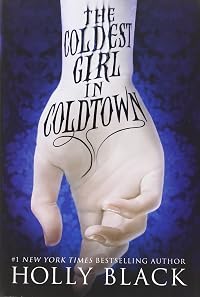
"The Coldest Girl in Cold Town." A teenage girl tries to stay drunk to keep herself human, but then one of her old friends finds her and begs for her help.
"A Reversal of Fortune." Nikki is a poor girl with a rescued dog, a crush on her tattooed neighbor, and a constantly demanding stomach. To save her dog's life, she challenges the devil to an eating contest. I liked Nikki, and her personality and life felt unique and believable.
"The Dog King." Classic fantasy setting, but twisted and darkened with base human desires for power and revenge. A wolf stalks the courtiers of the king.
"Virgin" had an interchange I loved: "'Reading [fantasy] show more would depress me. People like us--we're not in those kind of books. They're not for us.'
I stared at her. It might have been the worst thing anybody had ever said to me.
Because no matter how much I thought about it, I couldn't make it feel any less true."
The Stories I loved:
"The Night Market." I don't know how accurate this story is, never having been to the Philippines myself, but it's delightfully novel to my eyes. Tomasa tries to save her sister from an elf's love sick curse. Her interactions with her family, the elf, and the Night Marketers are great, but what really captivated me were the twists Black threw into the classic story.
"The Coat of Stars." Rafael returns home and tries to hide behind noncommittal answers and gifts. But his sexuality, his artistry, and the painful loss he suffered years ago cannot stay hidden forever. A wonderful modern retelling of a classic fairy tale. show less
Stories I liked:
"The Coldest Girl in Cold Town." A teenage girl tries to stay drunk to keep herself human, but then one of her old friends finds her and begs for her help.
"A Reversal of Fortune." Nikki is a poor girl with a rescued dog, a crush on her tattooed neighbor, and a constantly demanding stomach. To save her dog's life, she challenges the devil to an eating contest. I liked Nikki, and her personality and life felt unique and believable.
"The Dog King." Classic fantasy setting, but twisted and darkened with base human desires for power and revenge. A wolf stalks the courtiers of the king.
"Virgin" had an interchange I loved: "'Reading [fantasy] show more would depress me. People like us--we're not in those kind of books. They're not for us.'
I stared at her. It might have been the worst thing anybody had ever said to me.
Because no matter how much I thought about it, I couldn't make it feel any less true."
The Stories I loved:
"The Night Market." I don't know how accurate this story is, never having been to the Philippines myself, but it's delightfully novel to my eyes. Tomasa tries to save her sister from an elf's love sick curse. Her interactions with her family, the elf, and the Night Marketers are great, but what really captivated me were the twists Black threw into the classic story.
"The Coat of Stars." Rafael returns home and tries to hide behind noncommittal answers and gifts. But his sexuality, his artistry, and the painful loss he suffered years ago cannot stay hidden forever. A wonderful modern retelling of a classic fairy tale. show less
The Poison Eaters was as almost all collections of short stories are- a mixed bag. Some of them—such as The Night Market, In Vodka Veritas, and The Coat of Stars—were great and made me wish for more than just a few short pages. On the other hand, some of the stories were downright confusing and mildly disturbing. Virgin and Ironside were the two that left me scratching my head and wondering what the point was.
But, as in all Holly Black books, the good outweighs the bad. The standouts in this collection were Paper Cuts Scissors and The Poison Eaters. The first brings to life the dream that so many book lovers have—seeing all your favorite characters leap out of their pages and interact with one another. Not to mention the ability show more to fold yourself into your favorite volumes and live there. The latter reads like a traditional, though twisted, fairytale. Of all the stories, it felt as though it would make the best stand alone book.
I enjoy short story collections, and this was no exception, though I think I prefer those that have selections from different authors. By the end I knew what to expect from each story since Black has such a distinctive style and way of storytelling. Overall, I liked this book, and would recommend it to any fan of dark paranormal literature. show less
But, as in all Holly Black books, the good outweighs the bad. The standouts in this collection were Paper Cuts Scissors and The Poison Eaters. The first brings to life the dream that so many book lovers have—seeing all your favorite characters leap out of their pages and interact with one another. Not to mention the ability show more to fold yourself into your favorite volumes and live there. The latter reads like a traditional, though twisted, fairytale. Of all the stories, it felt as though it would make the best stand alone book.
I enjoy short story collections, and this was no exception, though I think I prefer those that have selections from different authors. By the end I knew what to expect from each story since Black has such a distinctive style and way of storytelling. Overall, I liked this book, and would recommend it to any fan of dark paranormal literature. show less
 This review was written for LibraryThing Early Reviewers.
I picked up Black's collection of YA short stories for an upcoming book club discussion. My knowledge of this genre is pretty limited and dated; do the names Judy Blume, Avi, and Gary Paulson ring a bell? Yeah, books from those authors were written long-hand on papyrus. Because of this obvious gap in my book knowledge, I was eager to dive into a title that today's YA readers might be enjoying.
While the first story, The Coldest Girl in Coldtown, left me (no, I won't say it!)... unenthusiastic, it wasn't without merit. Maybe a be-careful-what-you-wish-for vampire story involving teens courting infection so they can join the 24-hour party people is a bit sexier when you're in the target audience.
However, as an adult reader, the plot show more lines became more complex and interesting after Coldtown. Stories like The Coat of Stars and Paper Cuts Scissors explore, through the realm of fantasy, topics of death, loss, grief, and regret that are powerfully strong, and would resonate with a reader of any age.
The twelve tales in The Poison Easter are well written with layering themes so that readers of all ages could easily use them for discussion or as prompts for creating spin-off activities. For adults looking for a "bridge" book to engage YA readers - for a youth group, collaborative arts project, or family reading - Black's collection provides a good common ground. show less
While the first story, The Coldest Girl in Coldtown, left me (no, I won't say it!)... unenthusiastic, it wasn't without merit. Maybe a be-careful-what-you-wish-for vampire story involving teens courting infection so they can join the 24-hour party people is a bit sexier when you're in the target audience.
However, as an adult reader, the plot show more lines became more complex and interesting after Coldtown. Stories like The Coat of Stars and Paper Cuts Scissors explore, through the realm of fantasy, topics of death, loss, grief, and regret that are powerfully strong, and would resonate with a reader of any age.
The twelve tales in The Poison Easter are well written with layering themes so that readers of all ages could easily use them for discussion or as prompts for creating spin-off activities. For adults looking for a "bridge" book to engage YA readers - for a youth group, collaborative arts project, or family reading - Black's collection provides a good common ground. show less
4Q, 4P: This book, although a bit creepy at times, is eloquent and written amazingly! I can't imagine it being done better! It's the perfect balance between the heebie jeebies and entertainment! It reminds me of a more mature version of R.L. Stine's Goosebumps books, which is why I believe the book would be pretty popular amongst teen, and adult, patrons.
Tana lives in Coldtown, a walled-up, quarantined city where monsters, vampires, and humans live together. Living in Coldtown is like playing a real life game of predator and prey. Bad news for the prey is that once you pass through Coldtown's gates, you can never leave. Tana finds herself one morning surrounded by corpses after a terrible massacre. Tana, her boyfriend, and a mysterious show more boy are the only survivors. However, the two boys are both infected and are in a race against time before they die. In order to save them, Tana must face her fears and enter the heart of Coldtown, which is infested by vampires and blood thirsty demons.
This book is dark and creepy, yet amazing and humorous all at the same time. I for one am not a huge fan of how vampires have recently become romanticized by books like Twilight. I love that Holly Black wasn't afraid to get away from the idyllic trends that popular young adult literature tends to go towards today. show less
Tana lives in Coldtown, a walled-up, quarantined city where monsters, vampires, and humans live together. Living in Coldtown is like playing a real life game of predator and prey. Bad news for the prey is that once you pass through Coldtown's gates, you can never leave. Tana finds herself one morning surrounded by corpses after a terrible massacre. Tana, her boyfriend, and a mysterious show more boy are the only survivors. However, the two boys are both infected and are in a race against time before they die. In order to save them, Tana must face her fears and enter the heart of Coldtown, which is infested by vampires and blood thirsty demons.
This book is dark and creepy, yet amazing and humorous all at the same time. I for one am not a huge fan of how vampires have recently become romanticized by books like Twilight. I love that Holly Black wasn't afraid to get away from the idyllic trends that popular young adult literature tends to go towards today. show less
I don't like short stories. I hate not getting to know the characters and the worlds.... but this anthology was amazing. Perfect for dreary fall weekends to get into the Halloween mood.
Holly Black masterfully tells short stories that feel complete in the telling. The child who turns into a werewolf. A girl who beats the Devil in a eating competition. All sorts of tales bridging the real world with the magical... I'm glad I decided to pick this one up!
Holly Black masterfully tells short stories that feel complete in the telling. The child who turns into a werewolf. A girl who beats the Devil in a eating competition. All sorts of tales bridging the real world with the magical... I'm glad I decided to pick this one up!
Members
- Recently Added By
Lists

Top Five Books of 2013
1,562 works; 715 members

quigui wishlish
11 works; 1 member

Short Story Collections and Anthologies
261 works; 42 members
Author Information

160+ Works 106,070 Members
Holly Black was born in West Long Branch, New Jersey on November 10, 1971. She graduated with a B.A. in English from The College of New Jersey in 1994. Her first book, Tithe: A Modern Faerie Tale was published in 2002 and was included in the American Library Association's Best Books for Young Adults. Her other works include The Spiderwick show more Chronicles written with Tony DiTerlizzi, Ironside, Poison Eaters and Other Stories, The Coldest Girl in Coldtown, The Iron Trial (Magisteruim Book 1) and The Copper Gauntlet (Magisteruim Book 2) written with Cassandra Clare, and The Darkest Part of the Forest. Valiant won the Andre Norton Award for Excellence in Young Adult Literature. She also won the Young-Adult Prize in the Indies Choice Book Awards 2015 for The Darkest Part of the Forest. Black and Clare's Magisterium Series has received both critical and popular acclaim appearing on numerous bestseller lists including The New York Times bestseller list in the Young Adult category. (Bowker Author Biography) show less
Some Editions
Awards and Honors
Distinctions
Series


Work Relationships
Is contained in
Common Knowledge
- Canonical title
- The Poison Eaters
- Original title
- The Poison Eaters and Other Stories
- Original publication date
- 2010-02-23
- Dedication
- For Steve Berman,
who bullied me into being a better writer
and to whom I will always be grateful. - First words
- Matilda was drunk, but then she was always drunk anymore.
- Last words
- (Click to show. Warning: May contain spoilers.)I find I rather appreciate the silence.
- Blurbers
- de Lint, Charles; Kushner, Ellen; Pierce, Tamora
Classifications
- Genres
- Teen, Fiction and Literature, Young Adult, Fantasy
- DDC/MDS
- 813.6 — Literature & rhetoric American literature in English American fiction in English 2000-
- LCC
- PZ7 .B52878 .P — Language and Literature Fiction and juvenile belles lettres Fiction and juvenile belles lettres Juvenile belles lettres
- BISAC
Statistics
- Members
- 927
- Popularity
- 28,882
- Reviews
- 51
- Rating
- (3.73)
- Languages
- English, French
- Media
- Paper, Audiobook, Ebook
- ISBNs
- 11
- UPCs
- 1
- ASINs
- 5