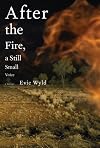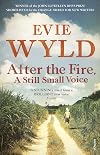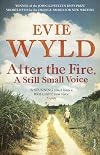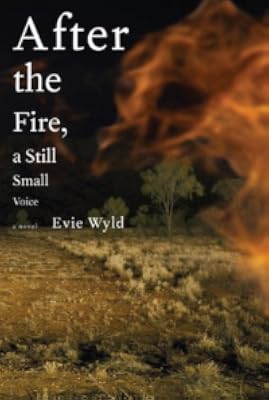
After the Fire, a Still Small Voice: A Novel
by Evie Wyld
On This Page
Description
The acclaimed debut novel from the 2014 Miles Franklin Award-winning author. Following the breakdown of a turbulent relationship, Frank moves from Canberra to a shack on the east coast once owned by his grandparents. There, among the sugar cane and sand dunes, he struggles to rebuild his life. Forty years earlier, Leon is growing up in Sydney, turning out treacle tarts at his parents' bakery and flirting with one of the local girls. But when he's conscripted as a machine-gunner in Vietnam, show more he finds himself suddenly confronting the same experiences that haunt his war-veteran father. As these two stories weave around each other - each narrated in a voice as tender as it is fierce - we learn what binds together Frank and Leon, and what may end up keeping them apart. show lessTags
Recommendations









Member Reviews
In Evie Wyld’s debut novel, Frank Collard, often consumed with fits of uncontrollable rage, flees from a broken relationship to a remote cabin on an isolated stretch of coast in Queensland, Australia. The cabin, a lonely place of inherited anguish, is the same one his grandparents inhabited after fleeing their own inner demons years before. In a parallel story line, Leon is forced to take responsibility for the family bakery in Sydney when his father returns from the Korean War unable to cope with the business. In time, Leon is drafted for the Vietnam War and forced to endure the horrors from which his father never recovered. Eventually, Frank’s and Leon’s stories come together, resonating with their shared themes of trauma and show more the succeeding attempts to heal.
After the Fire, a Still Small Voice is a quiet character study of those on the fringes of society, those struggling to replace pain with a livable kind of contentment. This human drama plays out in the richly described landscape of the Australian coast. It’s a place at once welcoming and threatening, filled with its own secret pleasures and ominous mysteries. In addition to the setting, Wyld takes time to craft realistic layers of complexity in her characters. In one scene, Frank and his neighbor have a meandering conversation over several beers and many hours while the late afternoon sky slowly darkens into night. It’s an evocative and acutely realistic scene, but when combined with similar scenes, the book exhibits a lethargy that becomes sluggish in places.
Wyld exercises admirable restraint throughout and refuses to resolve the novel in expected or conventional ways. The lack of closure is beautiful and appropriately tormented but also frustrating, particularly given the novel’s overall aimlessness. After the Fire, a Still Small Voice is a masterful portrayal of human resilience but suffers from an occasional lack of momentum and direction.
This review also appears on my blog Literary License. show less
After the Fire, a Still Small Voice is a quiet character study of those on the fringes of society, those struggling to replace pain with a livable kind of contentment. This human drama plays out in the richly described landscape of the Australian coast. It’s a place at once welcoming and threatening, filled with its own secret pleasures and ominous mysteries. In addition to the setting, Wyld takes time to craft realistic layers of complexity in her characters. In one scene, Frank and his neighbor have a meandering conversation over several beers and many hours while the late afternoon sky slowly darkens into night. It’s an evocative and acutely realistic scene, but when combined with similar scenes, the book exhibits a lethargy that becomes sluggish in places.
Wyld exercises admirable restraint throughout and refuses to resolve the novel in expected or conventional ways. The lack of closure is beautiful and appropriately tormented but also frustrating, particularly given the novel’s overall aimlessness. After the Fire, a Still Small Voice is a masterful portrayal of human resilience but suffers from an occasional lack of momentum and direction.
This review also appears on my blog Literary License. show less
I was thoroughly engrossed in this novel. Set in Australia, it chronicles three generations of a family. The novel begins with the end of the protagonist, Frank's, relationship with Lucy. As Frank makes his way to the family shack on the beach to try to sort things through, the novel begins to move back and forth in time between Frank, his father, and his grandfather.
This is a multifaceted novel with several compelling themes. The first is the generational patterns of war, loss, and separation and how these impinge on Frank. Another is the mystery of the setting in which Frank finds himself: spooky happenings abound, including the disappearance of a local girl and the presence of an unidentified "Creeping Jesus" near Frank's shack that show more is heard but never seen. Frank intends to eliminate traces of his family from the shack but finds that you can't hide from the past.
Wyld's prose is magical. The novel has a smooth rhythm throughout. The plot doesn't wrap up as nicely as some might like, but this is a novel that's more about the journey than the destination. Frank's rustic shack and the wildness of the bush come to life and the setting becomes a character in and of itself. I look forward to more from this author. show less
This is a multifaceted novel with several compelling themes. The first is the generational patterns of war, loss, and separation and how these impinge on Frank. Another is the mystery of the setting in which Frank finds himself: spooky happenings abound, including the disappearance of a local girl and the presence of an unidentified "Creeping Jesus" near Frank's shack that show more is heard but never seen. Frank intends to eliminate traces of his family from the shack but finds that you can't hide from the past.
Wyld's prose is magical. The novel has a smooth rhythm throughout. The plot doesn't wrap up as nicely as some might like, but this is a novel that's more about the journey than the destination. Frank's rustic shack and the wildness of the bush come to life and the setting becomes a character in and of itself. I look forward to more from this author. show less
Frank has returned to his childhood playground, a beach cottage near Queensland, to sort out his life after a devastating breakup, a relationship that inevitably ended when he became physically violent with his girlfriend. He loathes what he did, and runs to hide in a place that he thinks will comfort him. Once there, memories begin to eat at him, becoming so real that he turns his head and alerts to their arrival.
He can’t relate to his new violent streak, and tries to analyze what has happened since his mother’s death that turned him. Violence would have been more appropriate, more expected, from his father or even his grandfather, both veterans of brutal warfare in Asia. As the novel continues, the narration explores the show more experiences of both of those men in war and at home.
It’s oversimplified to say that war changed them, and Wyld doesn’t take us down that well-worn path. Rather, what makes this story complex is how it changed everyone else. Wives and girlfriends alternate between comforters and enemies, their every action subject to the random and unpredictable moods of their men.
“ Some fellas, they make the women lonely. Maybe it doesn’t apply to you, mate, but maybe that’s why you’re here”
Frank sorts through his memories while being befriended by a small girl and her pet carrot. A missing teenager and a grieving couple complicate his life while his coworkers rail against the Aboriginal natives that reside in the community. All the while his memories and fears creep up on him though he tries to ignore them. At one point, he makes a conscious decision to rid himself of tangible items to remove the memories that go with them:
“Makes things easier having less stuff. See, if I keep them I’ve got to find a place to put them in – probably in a box or something so they don’t get broken…And when you start to get older that sort of thing gets to be more of a problem.”
This novel focuses on the intimate details of these men and their lives in a setting of urbanization and change. Wyld describes subtle gestures and inner thoughts flawlessly, and invents these entirely new flawed characters like none I’ve read before. Her writing style reminds me of Tim Winton (my favorite author), with its focus on the Australian bush and seaside with their colors and plants and weather. An unexpected sweetness is found mixed in with the brutality of war. A really enjoyable story that makes me eager for her next book. show less
He can’t relate to his new violent streak, and tries to analyze what has happened since his mother’s death that turned him. Violence would have been more appropriate, more expected, from his father or even his grandfather, both veterans of brutal warfare in Asia. As the novel continues, the narration explores the show more experiences of both of those men in war and at home.
It’s oversimplified to say that war changed them, and Wyld doesn’t take us down that well-worn path. Rather, what makes this story complex is how it changed everyone else. Wives and girlfriends alternate between comforters and enemies, their every action subject to the random and unpredictable moods of their men.
“ Some fellas, they make the women lonely. Maybe it doesn’t apply to you, mate, but maybe that’s why you’re here”
Frank sorts through his memories while being befriended by a small girl and her pet carrot. A missing teenager and a grieving couple complicate his life while his coworkers rail against the Aboriginal natives that reside in the community. All the while his memories and fears creep up on him though he tries to ignore them. At one point, he makes a conscious decision to rid himself of tangible items to remove the memories that go with them:
“Makes things easier having less stuff. See, if I keep them I’ve got to find a place to put them in – probably in a box or something so they don’t get broken…And when you start to get older that sort of thing gets to be more of a problem.”
This novel focuses on the intimate details of these men and their lives in a setting of urbanization and change. Wyld describes subtle gestures and inner thoughts flawlessly, and invents these entirely new flawed characters like none I’ve read before. Her writing style reminds me of Tim Winton (my favorite author), with its focus on the Australian bush and seaside with their colors and plants and weather. An unexpected sweetness is found mixed in with the brutality of war. A really enjoyable story that makes me eager for her next book. show less
This was a very well written and poignant first novel by a new British writer that bites off a tad more than it can chew. After his girlfriend leaves him, Frank drives off into the Austrialian wilderness. Forty years before this, Frank's father Leon is drafted to Vietnam where he experiences a slew of dehumanizing and harrowing events. The lives of both men - told in parallel narratives - have a tragic element, not least in that the similarities between them drive them apart even further. I liked this very much - the writing really was fine - but I wish it had been a tighter, more controlled story.
Evie Wyld's terrifically self-assured debut, set mostly on the coast of Queensland, uses its biblical title to describe the turbulent lives of three estranged men - Frank, his father Leon, and grandfather Roman. Frank is a washed-up failure. Abruptly leaving his girlfriend in Sydney, he hotfoots it to his dead grandparents' deserted shack. There he confronts his memories of shortlived happiness and grudgingly accepts the friendship of the locals. Leon grew up as the only child of European immigrant parents. His father, an exquisitely talented baker, volunteered for the Korean war out of dogged loyalty to his adopted country, a trauma which ripped the small family apart. Leon's assumption of Roman's trade is in turn interrupted by his show more own horrific experiences in Vietnam. It's a cauterising, cleansing tale, told with muscular writing. show less
Rating: 2.5* of five
The Publisher Says: Set in the haunting landscape of eastern Australia, this is a stunningly accomplished debut novel about the inescapable past: the ineffable ties of family, the wars fought by fathers and sons, and what goes unsaid.
After the departure of the woman he loves, Frank drives out to a shack by the ocean that he had last visited as a teenager. There, among the sugarcane and sand dunes, he struggles to rebuild his life.
Forty years earlier, Leon is growing up in Sydney, turning out treacle tarts at his parents’ bakery and flirting with one of the local girls. But when he’s drafted to serve in Vietnam, he finds himself suddenly confronting the same experiences that haunt his war-veteran father.
As these show more two stories weave around each other–each narrated in a voice as tender as it is fierce–we learn what binds Frank and Leon together, and what may end up keeping them apart.
My Review: How awful it must be to be heterosexual...to know, with the full force of society's blasting, trumpeting inculcation of knowledge that your Object of Desire will not, can not, indeed may not, ever make sense to you.
Evie Wyld presents the stories of three generations of miserable men and the women they screw up in this, her debut novel. Lady's got guts, let's hand her her just props...she writes of the horrors of war as experienced by these men with the assurance of a far more mature (in experiential terms) writer. She fails signally to give these three generations of men any distinguishing characteristics. She tells the tale through the eyes of two of the three men, in (for no apparent aesthetic or organizational reason) alternating chapters.
She writes well when we're considering lines (plenty of examples, just open the book anywhere and you'll hit a good 'un); but why did Evie Wyld tell this particular story? I don't know. And that, ladies and gents, is a problem.
So am I supposed to think she's brave, for writing about men, or am I supposed to think she's sensitive, for understanding them? I don't think she's brave because she's created one man, a miserable loser with no delusions as to his own adequacy still less superiority; a character who, no matter which name-label she slaps on him, doesn't grow, change, or even demonstrate more than lizard-brain function. I don't think she's sensitive because each and every man she limns is a shit of the first water, abusive of or vampiring off the women in the book.
I'm really, really sick of women portraying men in this light, and then having other women yodel their praises for doing this eternal, socially acceptable hatchet job on men. This book, for reasons I can't understand, is a longlister for the Orange Prize. She's got promise, I grant you, and she's got some native *thing* that makes her place evocations arm-hair-pricklingly good. But this isn't a book I will ever read again, and I don't recommend it. show less
The Publisher Says: Set in the haunting landscape of eastern Australia, this is a stunningly accomplished debut novel about the inescapable past: the ineffable ties of family, the wars fought by fathers and sons, and what goes unsaid.
After the departure of the woman he loves, Frank drives out to a shack by the ocean that he had last visited as a teenager. There, among the sugarcane and sand dunes, he struggles to rebuild his life.
Forty years earlier, Leon is growing up in Sydney, turning out treacle tarts at his parents’ bakery and flirting with one of the local girls. But when he’s drafted to serve in Vietnam, he finds himself suddenly confronting the same experiences that haunt his war-veteran father.
As these show more two stories weave around each other–each narrated in a voice as tender as it is fierce–we learn what binds Frank and Leon together, and what may end up keeping them apart.
My Review: How awful it must be to be heterosexual...to know, with the full force of society's blasting, trumpeting inculcation of knowledge that your Object of Desire will not, can not, indeed may not, ever make sense to you.
Evie Wyld presents the stories of three generations of miserable men and the women they screw up in this, her debut novel. Lady's got guts, let's hand her her just props...she writes of the horrors of war as experienced by these men with the assurance of a far more mature (in experiential terms) writer. She fails signally to give these three generations of men any distinguishing characteristics. She tells the tale through the eyes of two of the three men, in (for no apparent aesthetic or organizational reason) alternating chapters.
She writes well when we're considering lines (plenty of examples, just open the book anywhere and you'll hit a good 'un); but why did Evie Wyld tell this particular story? I don't know. And that, ladies and gents, is a problem.
So am I supposed to think she's brave, for writing about men, or am I supposed to think she's sensitive, for understanding them? I don't think she's brave because she's created one man, a miserable loser with no delusions as to his own adequacy still less superiority; a character who, no matter which name-label she slaps on him, doesn't grow, change, or even demonstrate more than lizard-brain function. I don't think she's sensitive because each and every man she limns is a shit of the first water, abusive of or vampiring off the women in the book.
I'm really, really sick of women portraying men in this light, and then having other women yodel their praises for doing this eternal, socially acceptable hatchet job on men. This book, for reasons I can't understand, is a longlister for the Orange Prize. She's got promise, I grant you, and she's got some native *thing* that makes her place evocations arm-hair-pricklingly good. But this isn't a book I will ever read again, and I don't recommend it. show less
The highlight of this book for me is the descriptive prose. Evie Wyld has a real talent for using fresh language and images, and it shines through from the first page to the last.
The story is about traumatised men who bottle up their emotions and fail to communicate, and it's well told, as we alternate between rageful Frank in the present day and his father Leon growing up and going through the Vietnam War. Much of the force that drives the novel on is discovering the reasons for Frank's anger and particularly for his hatred of his father, but this is never really resolved satisfactorily. It's consistent with the characters that nothing really gets openly expressed, but it left me feeling a bit disappointed at the end.
I'd still show more recommend this book for the luminous prose and the deft handling of compelling themes, but just don't expect all the strands to be pulled together perfectly. show less
The story is about traumatised men who bottle up their emotions and fail to communicate, and it's well told, as we alternate between rageful Frank in the present day and his father Leon growing up and going through the Vietnam War. Much of the force that drives the novel on is discovering the reasons for Frank's anger and particularly for his hatred of his father, but this is never really resolved satisfactorily. It's consistent with the characters that nothing really gets openly expressed, but it left me feeling a bit disappointed at the end.
I'd still show more recommend this book for the luminous prose and the deft handling of compelling themes, but just don't expect all the strands to be pulled together perfectly. show less
Members
- Recently Added By
Lists

International IMPAC Dublin Literary Award
179 works; 6 members

BBC Radio 4 Bookclub
341 works; 13 members
Author Information

11+ Works 2,086 Members
Evie Wyld won the 2014 Barnes and Noble Discover Award for her title All the Birds, Singing. This is a Great New Writers Award in the category of fiction. Wyld will receive US$10,000 and a year's worth of marketing and merchandising support for her book from B&N. The awards are part of B&N's Discover. (Bowker Author Biography)
Some Editions
Awards and Honors
Awards
Common Knowledge
- Original title
- After the fire, a still small voice
- Original publication date
- 2009
- People/Characters
- Frank Collard; Leon Collard
- Important places
- Sydney, Australië; Vietnam
- Dedication
- For the Stranges
- First words
- The sun turned the narrow dirt track to dust. It rose like an orange tide from the wheels of the truck and blew in through the window to settle in Frank Collard's arm hair.
- Last words
- (Click to show. Warning: May contain spoilers.)'Sweetheart,' he said, and some small whispering wind blew as a car engine started up and passed them by.
Classifications
Statistics
- Members
- 324
- Popularity
- 98,409
- Reviews
- 22
- Rating
- (3.55)
- Languages
- Dutch, English, French
- Media
- Paper, Audiobook, Ebook
- ISBNs
- 23
- ASINs
- 8