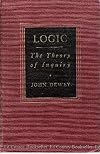
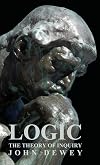
Logic: The Theory of Inquiry
by John Dewey
98 Members (4.50)
On This Page
Description
Heralded as â¿¿the crowning work of a great career,â¿¿ Logic: The Theory of Inquiry was widely reviewed. To Evander Bradley McGilvary, the work assured Dewey â¿¿a place among the worldâ¿¿s great logicians.â¿¿ William Gruen thought â¿¿No treatise on logic ever written has had as direct and vital an impact on social life as Deweyâ¿¿s will have.â¿¿ Paul Weiss called it â¿¿the source and inspiration of a new and powerful movement.â¿¿ Irwin Edman said of it, show more â¿¿Most philosophers write postscripts; Dewey has made a program. His Logic is a new charter for liberal intelligence.â¿¿ Ernest Nagel called the Logic "an impressive work. Its unique virtue is to bring fresh illumination to its subject by stressing the roles logical principles and concepts have in achieving the objectives of scientific inquiry.â¿¿ show lessTags
Recommendations


















Member Reviews
Members
- Recently Added By
Lists

How to Read a Book's Recommended Reading List
309 works; 10 members
Author Information

243+ Works 9,989 Members
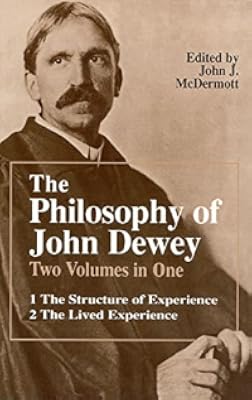
John Dewey was born in 1859 in Burlington, Vermont. He founded the Laboratory School at the University of Chicago in 1896 to apply his original theories of learning based on pragmatism and "directed living." This combination of learning with concrete activities and practical experience helped earn him the title, "father of progressive education." show more After leaving Chicago he went to Columbia University as a professor of philosophy from 1904 to 1930, bringing his educational philosophy to the Teachers College there. Dewey was known and consulted internationally for his opinions on a wide variety of social, educational and political issues. His many books on these topics began with Psychology (1887), and include The School and Society (1899), Experience and Nature (1925), and Freedom and Culture (1939).Dewey died of pneumonia in 1952. (Bowker Author Biography) show less
Common Knowledge
- Canonical title
- Logic: The Theory of Inquiry
- Original publication date
- 1938
Classifications
Statistics
- Members
- 98
- Popularity
- 327,079
- Rating
- (4.50)
- Languages
- English, German
- Media
- Paper, Ebook
- ISBNs
- 9
- ASINs
- 5