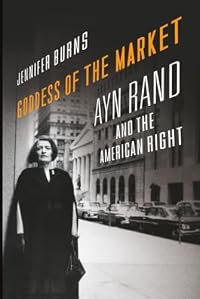
Goddess of the Market: Ayn Rand and the American Right
by Jennifer Burns
On This Page
Description
Drawing on unprecedented access to Rand's private papers and the original, unedited versions of Rand's journals, Jennifer Burns offers a groundbreaking reassessment of this key cultural figure, examining her life, her ideas, and her impact on conservative political thought.Tags
Recommendations














Member Reviews
It can't be easy trying to write an objective biography of the 'founder' of objectivism, in part because it's like writing an objective biography of Marx: no matter how good it is, not matter how objective, at least half of its readers will hate it, because they take 'objective' to mean 'with no independent judgement, in either direction.' Damned if you damn, damned if you don't damn, damned if you deify.
But Burns does a great job. The early chapters are a bit dull, but then I find the opening chapters of every biography dull: they inevitably go into too much detail (because the author spent a lot of time researching these microfacts that nobody cares about, and reasonably enough wants to put them to *some* use), but once Rand gets to show more Hollywood things really pick up. Burns shows how Rand's ideas developed, debunks some of the myths, does a fantastic job showing how she was mixed up in the resurgence of 'American' conservatism in the post-war U.S., and deals sensitively with the idiocies of Rand's later, messianic phase.
As a special pleasure, she regularly pulls out gems like this: an editor "advised Rand to prune all unnecessary adjectives, a change that would have gutted the novel. Rand did, however, find some of her suggestions useful." This is simple, objective reporting--the editor suggested the superfluous adjectives be removed, Rand thought that would gut the novel. But the irony is delicious. These moments are rare, and Burns mostly keeps a straight face, but she picks her spots well. show less
But Burns does a great job. The early chapters are a bit dull, but then I find the opening chapters of every biography dull: they inevitably go into too much detail (because the author spent a lot of time researching these microfacts that nobody cares about, and reasonably enough wants to put them to *some* use), but once Rand gets to show more Hollywood things really pick up. Burns shows how Rand's ideas developed, debunks some of the myths, does a fantastic job showing how she was mixed up in the resurgence of 'American' conservatism in the post-war U.S., and deals sensitively with the idiocies of Rand's later, messianic phase.
As a special pleasure, she regularly pulls out gems like this: an editor "advised Rand to prune all unnecessary adjectives, a change that would have gutted the novel. Rand did, however, find some of her suggestions useful." This is simple, objective reporting--the editor suggested the superfluous adjectives be removed, Rand thought that would gut the novel. But the irony is delicious. These moments are rare, and Burns mostly keeps a straight face, but she picks her spots well. show less
Ayn Rand continues to sell hundreds of thousands of books each year many years after her death. One reason is the deeply personal reactions many people have to the ideas in her novels. Her ideas have influenced generations of conservatives, libertarians, and even liberals.
Jennifer Burns has written an absorbing and wonderfully readable biography of Ayn Rand. It is a biography and not an explanation of her ideas. Although sympathetic to Ayn Rand it provides the voices of her many critics. It is very much worth reading for the background it provides on the development of America's right-wing movements. In particular, I was fascinated by the stories about the anti-FDR factions who opposed the New Deal. Also interesting was how her ideas show more spread and were modified after the schism in the Objectivist movement.
My personal favorite quote about Ayn Rand unfortunately does not appear in the book: “Two novels can change a bookish fourteen-year old’s life: The Lord of the Rings and Atlas Shrugged. One is a childish fantasy that often engenders a lifelong obsession with its unbelievable heroes, leading to an emotionally stunted, socially crippled adulthood, unable to deal with the real world. The other involves orcs.” [Kung Fu Monkey -- Ephemera, blog post, March 19, 2009]” show less
Jennifer Burns has written an absorbing and wonderfully readable biography of Ayn Rand. It is a biography and not an explanation of her ideas. Although sympathetic to Ayn Rand it provides the voices of her many critics. It is very much worth reading for the background it provides on the development of America's right-wing movements. In particular, I was fascinated by the stories about the anti-FDR factions who opposed the New Deal. Also interesting was how her ideas show more spread and were modified after the schism in the Objectivist movement.
My personal favorite quote about Ayn Rand unfortunately does not appear in the book: “Two novels can change a bookish fourteen-year old’s life: The Lord of the Rings and Atlas Shrugged. One is a childish fantasy that often engenders a lifelong obsession with its unbelievable heroes, leading to an emotionally stunted, socially crippled adulthood, unable to deal with the real world. The other involves orcs.” [Kung Fu Monkey -- Ephemera, blog post, March 19, 2009]” show less
It's a unique experience to read a biography about a person whom one knows of only distantly, and for whom one has little sympathy. Reading Goddess of the Market didn't change my thinking or feeling about Ayn Rand, but it did make me more acutely aware what those thoughts and feelings are.
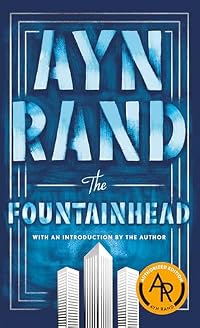
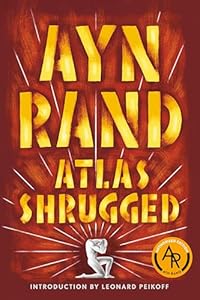
I read both [The Fountainhead] and [Atlas Shrugged] in my early 20s. I remember them mostly for the mechanical click of the prose and for thinking, at the end of Atlas Shrugged that whatever premise Rand had been pursuing, she counteracted it with her choice of ending. I think I was reacting to the hate and anger that underpin the novel, themes I didn't consciously recall but which, in Burns's analysis of the book, I now see quite clearly. I'm planning show more on rereading them both.
As far as Rand's philosophical and political ideas, yeah, a lot of people really feel strongly about them one way or another. I don't agree with a lot of them because I don't agree with the basic assumptions upon which they are based, and I think they skip over or simply deny a good many other ideas that have more traction and durability, and can be better demonstrated through rational, scientific means. But that's neither here nor there, as I was never one of the converts. I read those two books and moved on. They didn't rock my world. Rand died while I was still in high school (within a month of my own mother's death, now that I think back on it) and she wasn't even a topic of conversation among my peers.
But there's no arguing that she has influences that affected my life. Learning about her as a person, as Burns is careful to do in this book, gives me a little more sympathy for her but also reduces any chances I had to really respect her. The weaknesses and flaws she had are particular ones I find most distasteful and work hardest to eradicate in myself -- a lack of self-awareness, a reluctance or inability to connect her thoughts, beliefs, and reactions to the particularity of her origins, and most especially her arrogance in insisting her ideas had sprung up, new and whole, independent of any influence. That she was also scarred, insecure, and seeking love, support, and acceptance, that she was amazingly strong and intelligent, that she was human -- those made it possible to read this book about her life without rejecting it from the first.
As a book, Jennifer Burns has written a very engaging, interesting, and intriguing recount and analysis. I admit, I had to hit the dictionary a few times (I love adding new words to my vocabulary) and yet she didn't talk down to her reader. It felt even handed and even mostly neutral, although I may have just not heard any note of bias in either direction because of my own stance.
In general, I enjoyed it and it has given me some new fodder for thought. show less
I read both [The Fountainhead] and [Atlas Shrugged] in my early 20s. I remember them mostly for the mechanical click of the prose and for thinking, at the end of Atlas Shrugged that whatever premise Rand had been pursuing, she counteracted it with her choice of ending. I think I was reacting to the hate and anger that underpin the novel, themes I didn't consciously recall but which, in Burns's analysis of the book, I now see quite clearly. I'm planning show more on rereading them both.
As far as Rand's philosophical and political ideas, yeah, a lot of people really feel strongly about them one way or another. I don't agree with a lot of them because I don't agree with the basic assumptions upon which they are based, and I think they skip over or simply deny a good many other ideas that have more traction and durability, and can be better demonstrated through rational, scientific means. But that's neither here nor there, as I was never one of the converts. I read those two books and moved on. They didn't rock my world. Rand died while I was still in high school (within a month of my own mother's death, now that I think back on it) and she wasn't even a topic of conversation among my peers.
But there's no arguing that she has influences that affected my life. Learning about her as a person, as Burns is careful to do in this book, gives me a little more sympathy for her but also reduces any chances I had to really respect her. The weaknesses and flaws she had are particular ones I find most distasteful and work hardest to eradicate in myself -- a lack of self-awareness, a reluctance or inability to connect her thoughts, beliefs, and reactions to the particularity of her origins, and most especially her arrogance in insisting her ideas had sprung up, new and whole, independent of any influence. That she was also scarred, insecure, and seeking love, support, and acceptance, that she was amazingly strong and intelligent, that she was human -- those made it possible to read this book about her life without rejecting it from the first.
As a book, Jennifer Burns has written a very engaging, interesting, and intriguing recount and analysis. I admit, I had to hit the dictionary a few times (I love adding new words to my vocabulary) and yet she didn't talk down to her reader. It felt even handed and even mostly neutral, although I may have just not heard any note of bias in either direction because of my own stance.
In general, I enjoyed it and it has given me some new fodder for thought. show less
If you’d like to understand more about the intellectual, psychological and ideological history and beliefs of modern right-wing free market capitalists, this is an excellent read. Rand was a touchstone for quite an array of conservative and libertarian movements, starting with her anti-New Deal stances back when that was a huge minority opinion, to her death during the Reagan Administration. I’ve long been curious about why she has such appeal, but I could never wade through one of her romantic tomes (she’s selling more books than ever since the 2008 meltdown fallout). I get it now. I just need to better understand the major area Rand was radically against: how free market capitalists combine Christianity with their beliefs. Rand, show more an atheist, argued free market capitalism on the basis of natural rights and individual freedom and a right-to-selfishness. Which is consistent with free market capitalism. But Christianity? In any event, Rand had an eventful and interesting life, and the author does a good job of analyzing her life and influence with a fair degree of impartiality. Rand provokes you to sharpen your arguments for or against the critical issues that continue to shape our society. The New Deal vs Free Market debate isn’t going away anytime soon. show less
I really didn't know a whole lot about Ayn Rand. I read [b:Atlas Shrugged|662|Atlas Shrugged|Ayn Rand|http://d.gr-assets.com/books/1358647812s/662.jpg|817219] about 15 years ago and liked the overall idea presented, although I thought it was way too long and heavy handed.
So, I saw this one come through the library one day and remembered that I had seen the author discuss the book with Jon Stewart on The Daily Show awhile back.
This is a pretty thorough book. Burns went to a great deal of research and has extensive notes and sources, including an essay on the reliability of the sources themselves (some of the works written about Rand after her death by her followers are shown to have tweaked and edited source material). The best part is, show more it is extremely balanced toward Ms. Rand.
She essentially "escaped" Communist Russia in the mid-1920's after the Bolshevik's completed their revolution and Rand's father went from successful businessman to poverty. Having seen the effects of Communism firsthand, no one could begrudge her the intense hatred she had toward the system. And so, as she adjusted to life in the U.S., it is no surprise that she should be hyper-vigilant to the growing interest in Communism that she saw in her new home country.
I completely agree with her on many things, largely economic issues and government involvement in people's lives, but unfortunately, Ms. Rand wasn't satisfied with simply being a loud voice against big government (largely in response to the overreaching tentacles of FDR's "New Deal"). No, Rand wanted to essentially be some sort of philosophical guru.
Her creation was Objectivism, a philosophy intended to show people the best way to live. Emotion was something to be overruled and replaced by logic (Hmmmmm... are Vulcans Objectivists?). There's a lot of other stuff to it, but if you don't know then I suggest you read the book.
At any rate, as her movement gained steam and more people flocked to her, she became power hungry and despotic... pretty much she acted the opposite of what taught. She ended up alienating nearly everyone she ever met and went from admired to tolerated by all but her staunchest supporters. And her critics despised her. Although, in fairness, she despised her critics and often despised people that still cited her as a positive influence.
And there was no political faction that she didn't find fault with. Obviously, she had nothing nice to say about the Liberals. But she couldn't stand the Republicans due to the increasing influence of Christianity (Rand was an atheist). She found the Libertarians, a group she indirectly helped create, a nuisance at best. Anarchists were just ridiculous.
In the end, she resembled L. Ron Hubbard more than a serious thinker. She was a Draconian in how Objectivism was to be used and any student (She and her small inner circle were the only Objectivists... all others were students of Objectivism) that attempted to start they're own little branch (i.e. school clubs, local newsletters, etc) were told in no uncertain terms that they were not allowed.
Simply put, she was a complex person who had some fascinating ideas but fell victim to her own hubris, insecurities, and intellectual shortcomings. show less
So, I saw this one come through the library one day and remembered that I had seen the author discuss the book with Jon Stewart on The Daily Show awhile back.
This is a pretty thorough book. Burns went to a great deal of research and has extensive notes and sources, including an essay on the reliability of the sources themselves (some of the works written about Rand after her death by her followers are shown to have tweaked and edited source material). The best part is, show more it is extremely balanced toward Ms. Rand.
She essentially "escaped" Communist Russia in the mid-1920's after the Bolshevik's completed their revolution and Rand's father went from successful businessman to poverty. Having seen the effects of Communism firsthand, no one could begrudge her the intense hatred she had toward the system. And so, as she adjusted to life in the U.S., it is no surprise that she should be hyper-vigilant to the growing interest in Communism that she saw in her new home country.
I completely agree with her on many things, largely economic issues and government involvement in people's lives, but unfortunately, Ms. Rand wasn't satisfied with simply being a loud voice against big government (largely in response to the overreaching tentacles of FDR's "New Deal"). No, Rand wanted to essentially be some sort of philosophical guru.
Her creation was Objectivism, a philosophy intended to show people the best way to live. Emotion was something to be overruled and replaced by logic (Hmmmmm... are Vulcans Objectivists?). There's a lot of other stuff to it, but if you don't know then I suggest you read the book.
At any rate, as her movement gained steam and more people flocked to her, she became power hungry and despotic... pretty much she acted the opposite of what taught. She ended up alienating nearly everyone she ever met and went from admired to tolerated by all but her staunchest supporters. And her critics despised her. Although, in fairness, she despised her critics and often despised people that still cited her as a positive influence.
And there was no political faction that she didn't find fault with. Obviously, she had nothing nice to say about the Liberals. But she couldn't stand the Republicans due to the increasing influence of Christianity (Rand was an atheist). She found the Libertarians, a group she indirectly helped create, a nuisance at best. Anarchists were just ridiculous.
In the end, she resembled L. Ron Hubbard more than a serious thinker. She was a Draconian in how Objectivism was to be used and any student (She and her small inner circle were the only Objectivists... all others were students of Objectivism) that attempted to start they're own little branch (i.e. school clubs, local newsletters, etc) were told in no uncertain terms that they were not allowed.
Simply put, she was a complex person who had some fascinating ideas but fell victim to her own hubris, insecurities, and intellectual shortcomings. show less
Among the emerging biographies of Rand this work marks a distinction in that it draws from resources at the Ayn Rand Archives. Burns gives her readers some insight into Rand's appeal to the American Right (conservatives, libertarians, anarchists). Although not properly a part of the Right herself (Rand called herself a "radical for capitalism") she definitely held some sway in the development of the the ideas of the Right, for good or for ill. The Right's changing perspective on society would depend upon their correct or incorrect understanding and application of her philosophy, Objectivism.
Succinctly, I would say that Burns tells a good history story but her admitted ignorance to Objectivism hinders her interpretation of the story she show more wishes to tell and the story as a whole in its complete context. The times she does stray from the history in her attempt to explain to the reader, her characterizations of Rand's ethical and political theory come off superficial. This is where a more complete understanding of the philosophical implications would have been beneficial.
Rand's writings can at times be very subtle and pregnant with hidden implications that not everyone sees the first time around. Elsewhere, Burns does mention that it took her eight years to write this intellectual history on Rand and it would be easy to assume that she has a firm grasp on Rand's ideas. However, the passage of time cannot be substituted for a proper understanding of ideas. Rand made a point of the fact that her philosophy is a complete departure from the centuries dominant philosophies taught in academia today. An objective critique of Rand's theories and life history would make a cognizant effort to place them in the context of her theories on justice, benevolence, friendship, rights, and morality. This is no easy task but it would explain why Rand held that ideas matter and why she held her own with such a passion. Instead, Burns glosses over this fact and superficially attributes personal breaks to irrational emotionalism. As she states in the introduction, "I am less cocerned with judgment than with analysis, a choice Rand would certainly condemn." But how does one engage in analysis without a proper standard and its subsequent judgment? How does a person know the difference between right and wrong if not from the judgment of the facts before them?
How does Burns get by this dillemma? By "judging" ideas on surface-level perspectives, by dropping the context in which Rand places her concepts and theories. It is the anti-conceptual mentality rearing its ugly head once more. This non-judgmental attitude is present throughout the book and taints Burns take on Rand's views on individualism, calling them elitist, and allowing her to portray Rand as the tragic heroine, full of contradictions, who is destined to fail in her goals.
To return to Burns' thesis, that Rand held considerable influence upon the shaping of current political thought on the Right, I think she does her own work harm by not clearly defining her terms anywhere in her book. Nowhere does she explain the difference between Right, conservative, libertarian, or anarchist. And the only time she explains "Objectivist" is in a endnote to chapter nine where she incorrectly distorts its meaning. To the contrary, Rand went to great lenghts to differeniate herself from the Right and called herself a capitalist instead for its emphasis on individual rights something the Right was and still is against.I think her analysis would have greatly improved had she discussed Rand's views on her place in the political movement.
Because Burns' work is distinct in that it draws from material provided by the Ayn Rand Archives we should be careful not to use this fact as an argument from authority. Burns' missteps are her own and shouldn't be ignored simply because she had authoritative sources. You can have all the facts presented to you, but man's consciousness is volitional and it's up to him to use it properly. Crudely put, you can lead a horse to water but you can't make it drink. Given all this, I reccommend readers to strickly stick to the historical events Burns recounts in Rand's life, i.e., her interactions with people in the movement, and avoid her interpretation and analysis of these events like the plague. Of course this leaves little value to take away from the book itself and is the real tradgey that Burns herself unwittingly creates. show less
Succinctly, I would say that Burns tells a good history story but her admitted ignorance to Objectivism hinders her interpretation of the story she show more wishes to tell and the story as a whole in its complete context. The times she does stray from the history in her attempt to explain to the reader, her characterizations of Rand's ethical and political theory come off superficial. This is where a more complete understanding of the philosophical implications would have been beneficial.
Rand's writings can at times be very subtle and pregnant with hidden implications that not everyone sees the first time around. Elsewhere, Burns does mention that it took her eight years to write this intellectual history on Rand and it would be easy to assume that she has a firm grasp on Rand's ideas. However, the passage of time cannot be substituted for a proper understanding of ideas. Rand made a point of the fact that her philosophy is a complete departure from the centuries dominant philosophies taught in academia today. An objective critique of Rand's theories and life history would make a cognizant effort to place them in the context of her theories on justice, benevolence, friendship, rights, and morality. This is no easy task but it would explain why Rand held that ideas matter and why she held her own with such a passion. Instead, Burns glosses over this fact and superficially attributes personal breaks to irrational emotionalism. As she states in the introduction, "I am less cocerned with judgment than with analysis, a choice Rand would certainly condemn." But how does one engage in analysis without a proper standard and its subsequent judgment? How does a person know the difference between right and wrong if not from the judgment of the facts before them?
How does Burns get by this dillemma? By "judging" ideas on surface-level perspectives, by dropping the context in which Rand places her concepts and theories. It is the anti-conceptual mentality rearing its ugly head once more. This non-judgmental attitude is present throughout the book and taints Burns take on Rand's views on individualism, calling them elitist, and allowing her to portray Rand as the tragic heroine, full of contradictions, who is destined to fail in her goals.
To return to Burns' thesis, that Rand held considerable influence upon the shaping of current political thought on the Right, I think she does her own work harm by not clearly defining her terms anywhere in her book. Nowhere does she explain the difference between Right, conservative, libertarian, or anarchist. And the only time she explains "Objectivist" is in a endnote to chapter nine where she incorrectly distorts its meaning. To the contrary, Rand went to great lenghts to differeniate herself from the Right and called herself a capitalist instead for its emphasis on individual rights something the Right was and still is against.I think her analysis would have greatly improved had she discussed Rand's views on her place in the political movement.
Because Burns' work is distinct in that it draws from material provided by the Ayn Rand Archives we should be careful not to use this fact as an argument from authority. Burns' missteps are her own and shouldn't be ignored simply because she had authoritative sources. You can have all the facts presented to you, but man's consciousness is volitional and it's up to him to use it properly. Crudely put, you can lead a horse to water but you can't make it drink. Given all this, I reccommend readers to strickly stick to the historical events Burns recounts in Rand's life, i.e., her interactions with people in the movement, and avoid her interpretation and analysis of these events like the plague. Of course this leaves little value to take away from the book itself and is the real tradgey that Burns herself unwittingly creates. show less
Impartial and illuminating
Members
- Recently Added By
Published Reviews
ThingScore 63
So how did this little Russian bomb of pure immorality in a black wig become an American icon?
Two new biographies of Rand—Goddess of the Market by Jennifer Burns and Ayn Rand and the World She Made by Anne Heller—try to puzzle out this question, showing how her arguments found an echo in the darkest corners of American political life. But the books work best, for me, on a level I didn't show more expect. They are thrilling psychological portraits of a horribly damaged woman who deserves the one thing she spent her life raging against: compassion. show less
Two new biographies of Rand—Goddess of the Market by Jennifer Burns and Ayn Rand and the World She Made by Anne Heller—try to puzzle out this question, showing how her arguments found an echo in the darkest corners of American political life. But the books work best, for me, on a level I didn't show more expect. They are thrilling psychological portraits of a horribly damaged woman who deserves the one thing she spent her life raging against: compassion. show less
added by Shortride
added by Shortride
Excellent... leans more heavily on Rand's theories and politics.
added by Shortride
Lists

Books Read in Library
21 works; 1 member
Talk Discussions
Past Discussions
Two New Bios of Ayn Rand in Pro and Con (November 2009)
Author Information
7+ Works 455 Members
Jennifer Burns is Assistant Professor of History at the University of Virginia.
Some Editions
Common Knowledge
- Original publication date
- 2009
- People/Characters
- Ayn Rand
Classifications
- Genres
- Biography & Memoir, Fiction and Literature, Literature Studies and Criticism
- DDC/MDS
- 813.52 — Literature & rhetoric American literature in English American fiction in English 1900-1999 1900-1945
- LCC
- PS3535 .A547 .Z587 — Language and Literature American literature American literature Individual authors 1900-1960
- BISAC
Statistics
- Members
- 349
- Popularity
- 89,451
- Reviews
- 7
- Rating
- (3.72)
- Languages
- English
- Media
- Paper, Audiobook, Ebook
- ISBNs
- 6
- ASINs
- 5