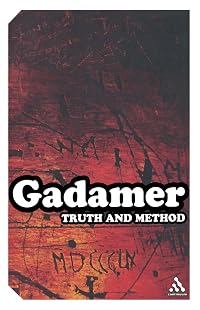
Truth and Method
by Hans-Georg Gadamer
On This Page
Description
Truth and Method is a landmark work of 20th century thought which established Hans Georg-Gadamer as one of the most important philosophical voices of the 20th Century. In this book, Gadamer established the field of 'philosophical hermeneutics': exploring the nature of knowledge, the book rejected traditional quasi-scientific approaches to establishing cultural meaning that were prevalent after the war. In arguing the 'truth' and 'method' acted in opposition to each other, Gadamer examined show more the ways in which historical and cultural circumstance fundamentally influenced human understanding. It was an approach that would become hugely influential in the humanities and social sciences and remains so to this day in the work of Jurgen Habermas and many others. show lessTags
Recommendations
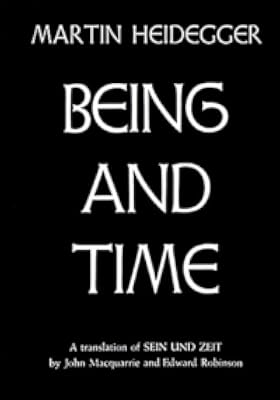
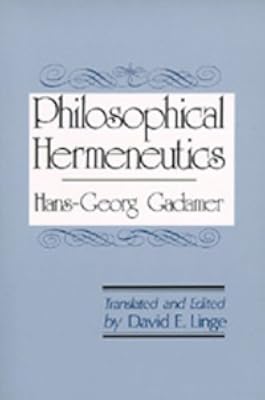
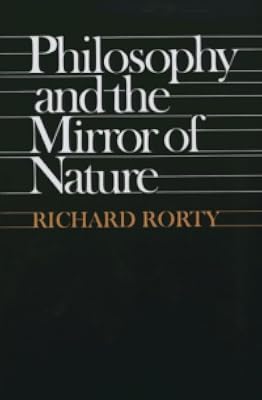

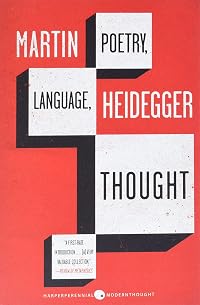
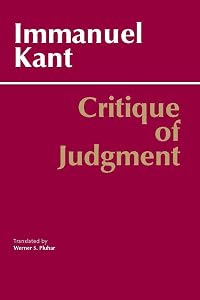
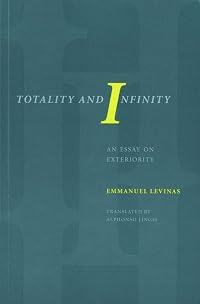
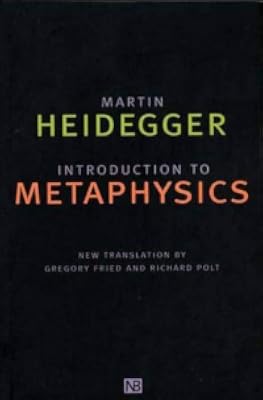
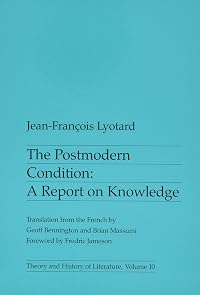

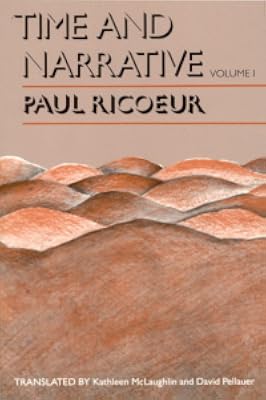

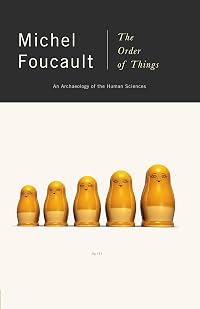

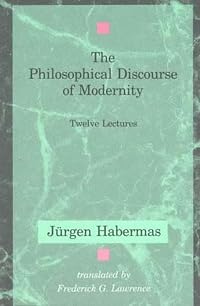




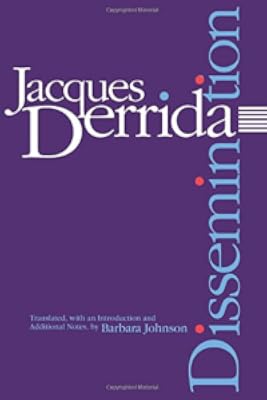
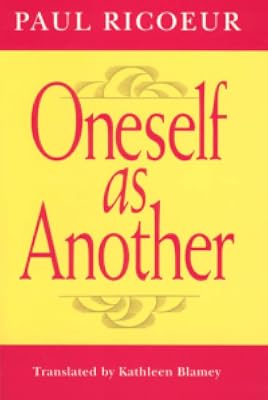
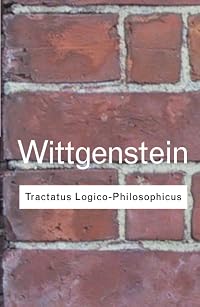
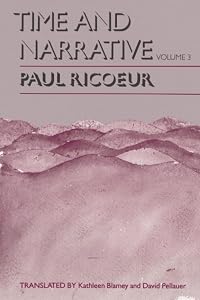



Member Recommendations
Member Reviews
A brilliant introduction to the practice of hermeneutics (the art of understanding). Gadamer manages to clearly describe the conditions for understanding, revealing many great ideas also present in Derrida, Levinas and others. The advantage of Gadamer is that he explains these ideas with rigor and systematically. It is not an easy book, but due to Gadamer's skill in explaining, the ideas manage to get across quite well.
Especially noteworthy is the unbelievable achievement of Gadamer to cross the boundaries of hermeneutics as a practice of understanding texts, towards an ontological hermeneutics. Here he is especially close to Derrida's concept of differance, which, albeit in first instance refering to language, also refers to show more world-constitution. The last part of Wahrheit und Methode is of paramount importance to understand these ideas and I would recommend it the most - even though it becomes most clear if one reads the entire book. show less
Especially noteworthy is the unbelievable achievement of Gadamer to cross the boundaries of hermeneutics as a practice of understanding texts, towards an ontological hermeneutics. Here he is especially close to Derrida's concept of differance, which, albeit in first instance refering to language, also refers to show more world-constitution. The last part of Wahrheit und Methode is of paramount importance to understand these ideas and I would recommend it the most - even though it becomes most clear if one reads the entire book. show less
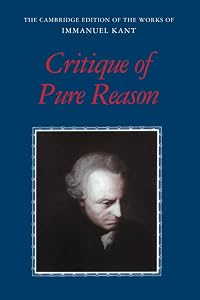
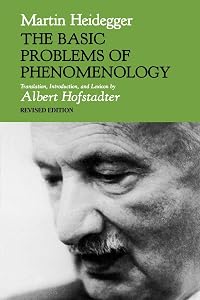
I put in more time on understanding this book than any other back in the day. It is a difficult book for two reasons. First, Gadamer makes extensive use of Plato, Aristotle, Kant, Hegel and Heidegger and demands from his readers a deep understanding of these philosophers. Second, his hermeneutic analysis is based on Heidegger's phenomenology, so he works with very difficult concepts. There's no hope of giving this philosophy a practical interpretation, but it's a stimulating read for abstractly inclined people.
A classic text on hermeneutics which uses Plato's Cratylus as the basis for analysis.
Well, I haven't really got much to say here other then that this is the most extensive, the best documented and the best read on hermeneutics ever written
It's useful to have an understanding of historicism, positivism, and the work of Heidegger before starting on this one; my introduction was through the commentary by Professor Michael Sugrue at https://www.youtube.com/watch?v=07DrmAkIoE4, Hermeneutics and the Human Sciences.
100 GAD 2
Members
- Recently Added By
Published Reviews
Hans-Georg Gadamers hovedverk fra 1960 er samtidig hovedverket innenfor den moderne filosofiske hermeneutikken. Boken danner et teoretisk grunnlag for å forstå fortolkning, og er dermed en selvsagt del av humanvitenskapenes kanon. Kombinert med innsikter hentet fra Hegels dialektikk og Heideggers fenomenologi utarbeider Gadamer en filosofisk hermeneutikk. Han påpeker hvordan enhver som show more forsøker å forstå noe, er bestemt av sin tid og sin kultur, som gjør oss til bærere av bestemte fordommer. Likevel står ikke det i veien for forståelse - snarere er det nettopp ved hjelp av fordommer at vi er i stand til å åpne opp, og åpne oss opp for, det vi ønsker å fatte. show less
added by kirstenlund
Lists

Filosofía - Clásicos
217 works; 1 member
Author Information

145+ Works 4,314 Members
Hans-Georg Gadamer is considered to have made the single most important contribution to hermeneutics in the twentieth century through his major work, Truth and Method. Born in Marburg on February 11, 1900, he earned his doctorate under Paul Natorp, the Plato scholar, in 1922 and completed his habilitation thesis under Martin Heidegger in 1928. He show more spent the major portion of his teaching career at the University of Heidelberg, becoming emeritus professor in 1968. In retirement he became widely known in the United States through his regular fall courses at Boston College and his numerous lectures at major universities throughout the country show less
Some Editions
Awards and Honors
Series
Belongs to Publisher Series
Common Knowledge
- Canonical title
- Truth and Method
- Original title
- Wahrheit und Methode
- Original publication date
- 1960
- First words
- The logical self-reflection that accompanied the development of the human sciences in the nineteenth century is wholly governed by the model of the natural sciences.
- Last words
- (Click to show. Warning: May contain spoilers.)It would be a poor hermeneuticist who thought he could have, or had to have, the last word.
- Original language
- German
- Canonical LCC
- BD241.G20
Classifications
- Genres
- Philosophy, Nonfiction, Religion & Spirituality, General Nonfiction, Literature Studies and Criticism
- DDC/MDS
- 121 — Philosophy & psychology Epistemology (how do you know what you know?) Epistemology (Theory of knowledge)
- LCC
- BD241 .G20 — Philosophy, Psychology and Religion Speculative philosophy Speculative philosophy Methodology
- BISAC
Statistics
- Members
- 1,666
- Popularity
- 13,418
- Reviews
- 8
- Rating
- (4.24)
- Languages
- 19 — Chinese, Czech, Danish, Dutch, English, French, German, Hungarian, Italian, Latvian, Norwegian (Bokmål), Norwegian, Polish, Portuguese, Romanian, Russian, Spanish, Swedish, Turkish
- Media
- Paper, Ebook
- ISBNs
- 59
- ASINs
- 14