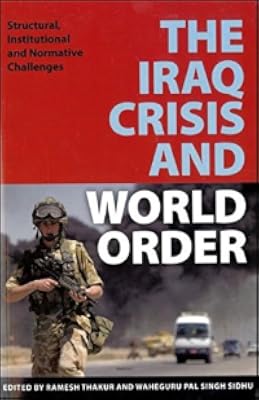
THE IRAQ CRISIS AND WORLD ORDER: Structural, Institutional and Normative Challenges . Edited by Ramesh Thakur and Waheguru Pal Singh Sidhu.
by Ramesh Chandra Thakur
On This Page
Description
"The Iraq war was a multiple assault on the foundations and rules of the existing UN-centered world order. It called into question the adequacy of the existing institutions for articulating global norms and enforcing compliance with the demands of the international community. It highlighted also the unwillingness of some key countries to wait until definitive proof before acting to meet the danger of the world's most destructive weapons falling into the hands of the world's most dangerous show more regimes. It was simultaneously a test of the UN's willingness and ability to deal with brutal dictatorships and a searching scrutiny of the nature and exercise of American power. The United States is the world's indispensable power, but the United Nations is the world's indispensable institution. The UN Security Council is the core of the international law enforcement system and the chief body for building, consolidating and using the authority of the international community. The United Nations has the primary responsibility to maintain international peace and security, and is structured to discharge this responsibility in a multipolar world where the major powers have permanent membership of the key collective security decision-making body, namely the UN Security Council. The emergence of the United States as the sole superpower after the end of the Cold War distorted the structural balance in the UN schema. The United Nations is the main embodiment of the principle of multilateralism and the principal vehicle for the pursuit of multilateral goals. The United States has global power, soft as well as hard; the United Nations is the fount of international authority. Progress towards a world of a rules-based, civilized international order requires that US force be put to the service of lawful international authority. This book examines these major normative and structural challenges from a number of different perspectives.--Publisher's description."--From source other than the Library of Congress show lessTags
Author Information
36 Works 168 Members
Ramesh Thakur is Professor of International Relations in the Asia-Pacific College of Diplomacy, Australian National University and Adjunct Professor in the Institute for Ethics, Governance and Law at Griffith University in Brisbane, Australia. He was a Commissioner for the International Commission on Intervention and State Sovereignty (ICISS), and show more one of the principal authors of their report The Responsibility to Protect (2001). He was also Senior Advisor on Reforms and Principal Writer of the United Nations Secretary-General's second reform report (2002). He is author or editor of over thirty books and 300 articles and book chapters. show less
Awards and Honors
Awards
Classifications
Statistics
- Members
- 2
- Popularity
- 6,037,983
- Languages
- English
- Media
- Paper, Ebook
- ISBNs
- 3