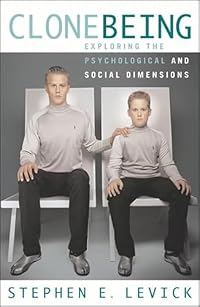
Clone Being: Exploring the Psychological and Social Dimensions
by Stephen E. Levick
On This Page
Description
Most people think the risks of reproductive cloning are so high as to make trying to clone a person immoral. Even if the medical risks could be reduced greatly, many believe a clone would still risk great psychological harm, and that the practice of reproductive cloning would also be detrimental to society. Others dismiss these concerns as speculative, and point to the possible good they believe it could do. But we need not wait for the first clone to be born to systematically consider the show more possible psychological and social ramifications of cloning. Marshalling psychological and sociological theory and research, and drawing upon extensive clinical experiences as a psychiatrist and psychotherapist, Levick explores the various dimensions of cloning. Clone Being attempts to anticipate possible consequences for a clone, his or her 'parents' and family, and society. Psychotherapy case material enlivens and illustrates the book and the reader is helped to identify 'clone-like' aspects of his or her own experience and mental life, and of contemporary life. Through this process, the book comes to important conclusions about human nature, including the crucial roles of intimacy, sex, and sexuality for society. The clinical and scientifically grounded insights of this book should help inform the reader's ethical judgments and attitudes about cloning people. show lessTags
Members
- Recently Added By
Author Information
1 Work 7 Members
Classifications
Statistics
- Members
- 5
- Popularity
- 2,733,098
- Languages
- English
- Media
- Paper
- ISBNs
- 2