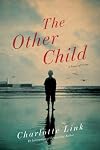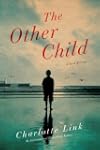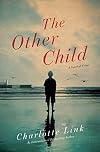
The Other Child
by Charlotte Link
On This Page
Description
An old farm, a deserted landscape, a dark secret from times past with fatal consequences for the present...In the tranquil northern seaside town of Scarborough, a student is found cruelly murdered. For months, the investigators are in the dark—until they are faced with a copycat crime. The investigation continues as they struggle to establish a connection between the two victims. Ambitious detective Valerie Almond clings to the all-too obvious, a rift within the family of the second show more victim, but there is far more to the case than it first appears. Soon Valerie is led toward a dark secret inextricably linked to the evacuation of children to Scarborough during World War II. Horrified at her last-minute discovery, Valerie realizes that she may be too late to save the next victim.
. show less
Tags
Recommendations
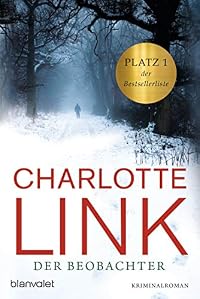
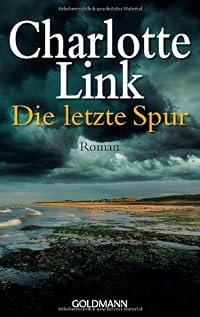



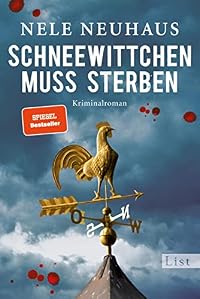
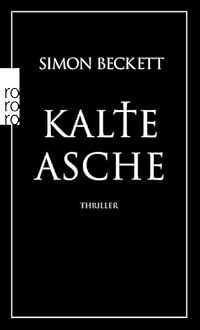
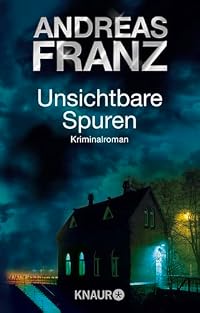


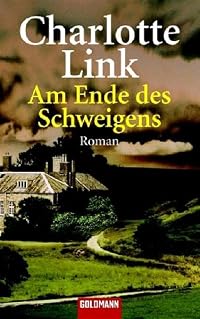





Member Recommendations
Member Reviews
In dem nordenglischen Küstenstädtchen Scarborough wird eine junge Studentin scheinbar sinnlos erschlagen. Der Fall kann nicht aufgeklärt werden, und wie das so ist: Im Lauf der Tage und Wochen gerät er in Vergessenheit. Doch dann geschieht ein weiterer Mord: Nach einer Verlobungsfeier auf einer einsam gelegenen Farm, bei der es zu einem Streit gekommen war, bricht die achtzigjährige Fiona überhastet auf und wird auf dem Heimweg getötet – auf die gleiche Weise wie drei Monate zuvor die Studentin. Es muss einen Zusammenhang geben – aber welchen? Nach und nach wird das Beziehungsgeflecht der Hauptfiguren sichtbar, und es scheint klar, dass der Täter oder die Täterin im Kreis derjenigen zu suchen ist, die auf der Feier anwesend show more waren: Gwen, die nach Jahren verkümmerten Mauerblümchendaseins doch noch einen Mann fürs Leben gefunden hat; ihr mürrischer Vater Chad, mit dem sie allein auf der Farm wohnt; ihr undurchschaubarer Verlobter Dave, der so gar nicht zu Gwen passt; die frisch geschiedene Ärztin Leslie, Fionas Enkeltochter und Gwens Jugendfreundin, die extra anlässlich der Verlobung aus London anreist ist; und das Ehepaar Jennifer und Colin, das aus undurchschaubaren Gründen seit Jahren seine Ferien auf der Farm verbringt. Als eine von Fiona verfasste „Lebensbeichte“ auftaucht, die in die Wirren der Kriegsjahre und der Landverschickung von Kindern 1943–45 zurückreicht, drängt sich der Verdacht auf, dass die alte Frau wegen eines vor Jahrzehnten begangenen Unrechts sterben musste…
Der Roman hat ganz fraglos Schwächen: Erstens tut der fehlende Fokus auf einen echten Protagonisten dem Buch nicht gut. So wirklich hineinversetzen kann und mag man sich in keine der Personen, alle Charaktere bleiben blass und wirken wenig sympathisch – insbesondere die ermittelnde Polizistin, von der Autorin offenbar als Identifikationsfigur gedacht, ist denkbar blutleer. Zweitens ist die Auflösung relativ unbefriedigend und unglaubwürdig. Und drittens weist die Konstruktion erhebliche Mängel auf: Die vielen Stellen etwa, an denen sich eine der Personen aus hanebüchenen Gründen entscheidet, nun doch nicht zur Polizei zu gehen, sind grotesk. Und die Art und Weise, wie Fionas „Beichte“ über das ganze Buch gestreckt wird, ist völlig unmotiviert (während Gwen, Jennifer und Colin diese Aufzeichnungen, die den Schlüssel zum ganzen Geschehen bilden, hintereinander an einem Tag verschlingen, was ja auch nachvollziehbar ist, braucht Leslie, mit der der Leser „mitliest“, vier Tage dafür, und die Unterbrechungen werden mit Sätzen wie „Sie hatte keine Lust mehr weiterzulesen“ erklärt – das ist an Unglaubwürdigkeit kaum zu überbieten).
Dass bei so viel Kritik das Fazit dennoch positiv ausfällt, ist dem Können Charlotte Links zu verdanken. Die Autorin versteht es blendend, in einfacher Sprache subtile Spannung aufzubauen, falsche Fährten zu legen und dem Leser einen Einblick in die Abgründe der menschlichen Seele zu verschaffen. So ist das Buch einerseits ein ganz klassischer „Whodunit“ in der englischen Erzähltradition, andererseits eine beeindruckende Studie dessen, wozu der Mensch fähig ist, wohin Eigennutz, Lieblosigkeit und Gleichgültigkeit führen können und was jahrzehntelang verdrängte Schuld auslösen kann. -- Christoph Nettersheim show less
So many red herrings! I was constantly wondering who did it and why. Masterfully constructed. It held my interest until the very last page. Imagine. A crime novel set in Yorkshire, England with the dialect correct and originally written in German. I am in awe.
Within her native Germany Charlotte Link has built a strong reputation as a writer of psychological crime fiction. A concerted effort to break into the English-speaking market got underway in 2012 with the translation of The Other Child, a novel in which the errors of one generation have repercussions that reverberate through later generations.
The setting is the remote, dilapidated Beckett's farm outside the seaside town of Scarborough in Yorkshire. It's inhabited by the lonely, spinsterish Gwen and her taciturn father Chad. Gwen it seems is about to find happiness, though quite why a dishy language teacher wants to marry this ungainly woman with a penchant for shapeless garments, is beyond the understanding of everyone who knows her. show more Fiona Swales, an old family friend with a particularly sharp tongue, thinks she knows the answer: the bridegroom is really just after the farm. Shortly after she disrupts the engagement party with her accusation, Fiona is found battered to death at the foot of a cliff.
Enter Valerie Almond, an ambitious detective keen to prove she deserves promotion. Her hopes of finding a quick resolution are thwarted because there's more to this crime than at first appears. To solve the crime, Almond has to delve into the past and uncover a secret that's been hidden for more than half a century.
The back story, and the nature of the secret, is revealed in a series of emails written by Fiona to Chad. As an eleven year old during World War 1, Fiona was evacuated from London to the Beckett's farm. Tagging along with her is ‘the other child’, a traumatised orphan whose existence is overlooked by the authorities. But Chad's mother takes him under her wing. loving him and protecting him as if he were her own. Years later something happens to the boy for which Fiona now wants to atone. The two strands of the story are told in alternating episodes although the supposed connections between them don't become apparent until close to the end.
The ending is only one of the issues I had with this book.
While the setting was very credible and the atmosphere of 1940s London was evocative, the characters were so wooden it was hard to summon up enthusiasm or interest for any of them. Far from deserving promotion, Ms Link's woman detective was so inept only immediate demotion to the ranks would seem appropriate. The identity of the murderer was so ridiculously easy to spot that Morse and Rebus would have had the culprit in the clink and be on their third round at the bar before Ms Almond had even formed her first question.
If The Other Child didn't well as a crime novel, it was equally as problematic as a story about emotional scars and feelings of guilt and remorse, of loss and regret. We never enjoyed any access to the inner thoughts of the murderer so the motivation they gave for their crime lacked impact. And while Fiona's feelings of guilt about the past were evident, the fact that these were revealed in emails to a person who already knew her story, was yet another example of how many aspects of this book were so implausible it was hard to take the novel seriously. show less
The setting is the remote, dilapidated Beckett's farm outside the seaside town of Scarborough in Yorkshire. It's inhabited by the lonely, spinsterish Gwen and her taciturn father Chad. Gwen it seems is about to find happiness, though quite why a dishy language teacher wants to marry this ungainly woman with a penchant for shapeless garments, is beyond the understanding of everyone who knows her. show more Fiona Swales, an old family friend with a particularly sharp tongue, thinks she knows the answer: the bridegroom is really just after the farm. Shortly after she disrupts the engagement party with her accusation, Fiona is found battered to death at the foot of a cliff.
Enter Valerie Almond, an ambitious detective keen to prove she deserves promotion. Her hopes of finding a quick resolution are thwarted because there's more to this crime than at first appears. To solve the crime, Almond has to delve into the past and uncover a secret that's been hidden for more than half a century.
The back story, and the nature of the secret, is revealed in a series of emails written by Fiona to Chad. As an eleven year old during World War 1, Fiona was evacuated from London to the Beckett's farm. Tagging along with her is ‘the other child’, a traumatised orphan whose existence is overlooked by the authorities. But Chad's mother takes him under her wing. loving him and protecting him as if he were her own. Years later something happens to the boy for which Fiona now wants to atone. The two strands of the story are told in alternating episodes although the supposed connections between them don't become apparent until close to the end.
The ending is only one of the issues I had with this book.
While the setting was very credible and the atmosphere of 1940s London was evocative, the characters were so wooden it was hard to summon up enthusiasm or interest for any of them. Far from deserving promotion, Ms Link's woman detective was so inept only immediate demotion to the ranks would seem appropriate. The identity of the murderer was so ridiculously easy to spot that Morse and Rebus would have had the culprit in the clink and be on their third round at the bar before Ms Almond had even formed her first question.
If The Other Child didn't well as a crime novel, it was equally as problematic as a story about emotional scars and feelings of guilt and remorse, of loss and regret. We never enjoyed any access to the inner thoughts of the murderer so the motivation they gave for their crime lacked impact. And while Fiona's feelings of guilt about the past were evident, the fact that these were revealed in emails to a person who already knew her story, was yet another example of how many aspects of this book were so implausible it was hard to take the novel seriously. show less
This got a fine review in the New York Times, but proved to be unsatisfying to me, and it's the plot and character development that don't work. The plot is tied to a set of unlikely character decisions that had to be made as they work for the plot to continue. It's one of those 'character makes bad choices that don't really fit the situation' plots - so common in tv shows and movies - in order for the author to go on about the emotional wreckage she makes for her characters. I kept spotting the unlikely choices and being irritated by them; I ended skipping through the book to see how Link worked things without having to spend a lot of time reading.
THE OTHER CHILD is written in 3 time frames.
Chronologically they are
the evacuation of children from London to Yorkshire in 1940 because of the bombing, and the subsequent six or so years;
an event described in the first chapter, taking place in 1970;
the murder of a 17 year old babysitter on her way home in the early hours in mid 2008.
There is quite a cast of characters, too many I thought, loosely connected to a farm and a a school. In the style of modern British crime fiction the reader could reasonably expect the threads extending from the time frames to converge somehow. And they do, in a fashion but some of them don't.
The synopsis (above) makes you think this is going to be a police procedural with the detective playing a central show more role, but that isn't how this novel works. The police appear to have few resources at their disposal and to be always playing catch-up. The author plays around with p.o.v. putting the reader in the position of knowing almost more than any other person.
In my research I discovered that although writing in German, Charlotte Link has set many of her novels, a number of them saga-like, in Yorkshire or other British locations. As far as I can tell, THE OTHER CHILD, is her first venture into crime fiction, and from a crime-fiction lover's point of view, it is in need of a lot of editing and honing. For my taste there was altogether too much descriptive detail, but then I thought that maybe it illustrates the differences between what I expect and what a German reader expects. Towards the end I found myself skimming, trying to get to the resolution of the murder mystery.
However the final solution really comes out of left field and there are few hints in the earlier text apart from the worryings of one of the other characters.
I think perhaps I should have enjoyed THE OTHER CHILD more than I did. It combines historical with crime fiction and usually I enjoy that. The first chapter worried me, as I thought it would have significance, but it was a long time coming. The overall length of the book was vexing too. show less
Chronologically they are
the evacuation of children from London to Yorkshire in 1940 because of the bombing, and the subsequent six or so years;
an event described in the first chapter, taking place in 1970;
the murder of a 17 year old babysitter on her way home in the early hours in mid 2008.
There is quite a cast of characters, too many I thought, loosely connected to a farm and a a school. In the style of modern British crime fiction the reader could reasonably expect the threads extending from the time frames to converge somehow. And they do, in a fashion but some of them don't.
The synopsis (above) makes you think this is going to be a police procedural with the detective playing a central show more role, but that isn't how this novel works. The police appear to have few resources at their disposal and to be always playing catch-up. The author plays around with p.o.v. putting the reader in the position of knowing almost more than any other person.
In my research I discovered that although writing in German, Charlotte Link has set many of her novels, a number of them saga-like, in Yorkshire or other British locations. As far as I can tell, THE OTHER CHILD, is her first venture into crime fiction, and from a crime-fiction lover's point of view, it is in need of a lot of editing and honing. For my taste there was altogether too much descriptive detail, but then I thought that maybe it illustrates the differences between what I expect and what a German reader expects. Towards the end I found myself skimming, trying to get to the resolution of the murder mystery.
However the final solution really comes out of left field and there are few hints in the earlier text apart from the worryings of one of the other characters.
I think perhaps I should have enjoyed THE OTHER CHILD more than I did. It combines historical with crime fiction and usually I enjoy that. The first chapter worried me, as I thought it would have significance, but it was a long time coming. The overall length of the book was vexing too. show less
Annoyingly flat characters, clichés, very poor editing
The villain came as an unlikely surprise, but the real crime was astonishing and unbearable.
Members
- Recently Added By
Published Reviews
ThingScore 75
Charlotte Link, a best-selling author in her native Germany but previously unknown to American readers, has the eerie insight peculiar to writers of psychological suspense. While most of us look at our neighbors and see ordinary people living humdrum lives, they see something dark and menacing beneath the surface. ....Every well-built psychological suspense narrative involves a thorough, show more methodical dissection of characters we’ve been led to believe we already know. It’s a delicate skill, and authors like Ruth Rendell have made it into something of an art form. In this translation by Stefan Tobler, Link demonstrates the same subtle touch, keeping the reader’s eye trained on Fiona and.... show less
added by vancouverdeb
Author Information

57+ Works 4,245 Members
Some Editions
Awards and Honors
Distinctions
Series
Belongs to Publisher Series
blanvalet (37632)
Work Relationships
Common Knowledge
- Canonical title
- The Other Child
- Original title
- Das andere Kind
- Original publication date
- 2009
- People/Characters*
- Valerie Almond
- Important places
- Scarborough, North Yorkshire, England, UK
- First words*
- Sie wusste, dass sie so schnell wie möglich verschwinden musste.
- Last words*
- (Click to show. Warning: May contain spoilers.)Sie hatte nicht bemerkt, dass sie weinte.
- Original language*
- Deutsch
*Some information comes from Common Knowledge in other languages. Click "Edit" for more information.
Classifications
Statistics
- Members
- 322
- Popularity
- 97,720
- Reviews
- 19
- Rating
- (3.48)
- Languages
- 8 — Czech, Dutch, English, French, German, Italian, Polish, Spanish
- Media
- Paper, Audiobook, Ebook
- ISBNs
- 42
- ASINs
- 16