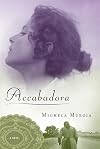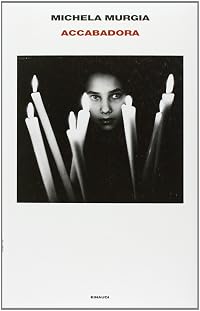
Accabadora
by Michela Murgia
On This Page
Description
When Bonaria adopts Maria, the unloved fourth child of a widow, she tries to shield the girl from the truth about her role as an angel of mercy. Moved by the pleas of a young man crippled in an accident, she breaks her golden rule of familial consent, and in the recriminations that follow, Maria rejects her and flees Sardinia for Turin. Adrift in the big city, Maria strives as ever to find love and acceptance, but her efforts are overshadowed by the creeping knowledge of a debt unpaid, of a show more duty and destiny that must one day be hers. show lessTags
Recommendations






Member Reviews
Hoje terminou o curso sobre literatura sarda da maravilhosa @volareinitaliano na USP, dalí partiram algumas das minhas leituras desse mês: Juncos ao vento da Deledda, mais Instruções para se tornar um fascista e Acabadora da Murgia.
Se Deledda foi minha porta de entrada para a cultura da Sardenha, Murgia faz que nos adentremos fundo na mesma, muitos pequenos detalhes perpassam a escrita da autora que trazem toda a riqueza cultural da ilha, muitas vezes da ordem do místico, outras do comportamento dos sardos, tudo misturado para dar vazão à uma cultura riquíssima que é alinhavada à narrativa com maestria por Murgia.
A questão ética é o carro chefe do livro, é uma discussão sobre eutanásia em comunidades católicas, mas não show more só, Murgia insere pequenos dilemas éticos por todas as fases da vida de Maria, para ela finalmente estar pronta para entender o maior deles ao final.
Enfim, recomendo com veemência tanto por seu conteúdo literário, quanto sobre seu conteúdo filosófico.
Plus: No meu Letterboxd fiz uma lista de filmes que se passam na Sardenha ou é sobre ela. https://boxd.it/MGqU2 show less
Se Deledda foi minha porta de entrada para a cultura da Sardenha, Murgia faz que nos adentremos fundo na mesma, muitos pequenos detalhes perpassam a escrita da autora que trazem toda a riqueza cultural da ilha, muitas vezes da ordem do místico, outras do comportamento dos sardos, tudo misturado para dar vazão à uma cultura riquíssima que é alinhavada à narrativa com maestria por Murgia.
A questão ética é o carro chefe do livro, é uma discussão sobre eutanásia em comunidades católicas, mas não show more só, Murgia insere pequenos dilemas éticos por todas as fases da vida de Maria, para ela finalmente estar pronta para entender o maior deles ao final.
Enfim, recomendo com veemência tanto por seu conteúdo literário, quanto sobre seu conteúdo filosófico.
Plus: No meu Letterboxd fiz uma lista de filmes que se passam na Sardenha ou é sobre ela. https://boxd.it/MGqU2 show less
It was like diving into a world that was unknown to me. It's set in Sardinia and is a story about a mother and daughter like you've never heard before. A novel in which archaic and modern Italy collide.
Accabadora means: a woman who helps the dying to die in agony. Anthropologists disagree as to whether she actually existed or whether she is a mythological figure. According to some sources, the last Accabadora worked in Orgosolo in 1952. She is the subject of many Sardinian legends, in which she often also fulfils the role of midwife.
Meaning fillus de anima/fill'e anima: A form of adoption practised in Sardinia for a long time, which takes place with the consent of the parties involved - and without any official formalities. It is based show more solely on affection. A large family gives one of their children to a couple who have no children. However, the child remains in close contact with its original family. - Literally translated as ‘child of the soul’, as opposed to a biological child.
Like mother and daughter, Bonaria Urrai and six-year-old Marie live together. The old dressmaker has taken the girl in and is bringing her up, but Maria will look after her later. A secret shrouds this taciturn woman, who is always dressed in black, who sometimes receives visitors at night when Maria is supposed to be asleep and then leaves the house. It seems as if Bonaria lives in two worlds. The girl senses that she should not ask. Only later, painfully, does she discover the whole truth.
We accompany Maria through her childhood to young adulthood. The friendships she cultivates, the festivals - both happy and sad - that the village celebrates, the old archaic customs surrounding property and how inquisitive Maria is and therefore also a good pupil.
This story is written with a great deal of love for the protagonists. I can warmly recommend it. show less
Accabadora means: a woman who helps the dying to die in agony. Anthropologists disagree as to whether she actually existed or whether she is a mythological figure. According to some sources, the last Accabadora worked in Orgosolo in 1952. She is the subject of many Sardinian legends, in which she often also fulfils the role of midwife.
Meaning fillus de anima/fill'e anima: A form of adoption practised in Sardinia for a long time, which takes place with the consent of the parties involved - and without any official formalities. It is based show more solely on affection. A large family gives one of their children to a couple who have no children. However, the child remains in close contact with its original family. - Literally translated as ‘child of the soul’, as opposed to a biological child.
Like mother and daughter, Bonaria Urrai and six-year-old Marie live together. The old dressmaker has taken the girl in and is bringing her up, but Maria will look after her later. A secret shrouds this taciturn woman, who is always dressed in black, who sometimes receives visitors at night when Maria is supposed to be asleep and then leaves the house. It seems as if Bonaria lives in two worlds. The girl senses that she should not ask. Only later, painfully, does she discover the whole truth.
We accompany Maria through her childhood to young adulthood. The friendships she cultivates, the festivals - both happy and sad - that the village celebrates, the old archaic customs surrounding property and how inquisitive Maria is and therefore also a good pupil.
This story is written with a great deal of love for the protagonists. I can warmly recommend it. show less
En esta obra la autora refleja la vida de una pequeña comunidad rural en Cerdena. En ella, una viuda adopta una 'hija del alma' , una niña que con el permiso de su familia se va a vivir con ella. María, la niña, se siente bien cuidada y atendida por su nueva madre, que es respetada por la comunidad. Al crecer María descubre que su madre adoptiva es la 'acabadora' de la comunidad, una realidad que provocara el distanciamiento de ambas. Este es un libro muy bien escrito, poético pero austero en el lenguaje, que hace reflexionar al lector sobre algunas cuestiones éticas dificiles.
Uno spaccato di storia sarda degli anni '50. Un popolo con le sue tradizioni, così diverso dal "continente", perchè "la Sardegna non è l'Italia, c'è di mezzo il mare".
Una storia di morte, ma anche di vita e di amore, di pietà e coraggio.
Ottimo anche lo stile della scrittrice, semplice e diretto.
Complimenti alla Murgia.
Una storia di morte, ma anche di vita e di amore, di pietà e coraggio.
Ottimo anche lo stile della scrittrice, semplice e diretto.
Complimenti alla Murgia.
A me la Murgia non sta molto simpatica, non mi piace il modo un po' presuntuoso (almeno io lo percepisco come tale) con cui si esprime, anche se la considero una donna molto intelligente che può dare spunti di riflessione interessanti.
Avevo già letto "Il mondo deve sapere" e non mi era piaciuto per niente: il tono era saccente, di una che crede di saperne più degli altri, presuntuoso.
"Accabadora", invece, mi è parso molto più gradevole. Ho apprezzato le atmosfere un po' fiabesche di un paese contadino ancora un po' primitivo, dove continuano ad esistere residui di rituali magici, e il delicato tema trattato.
Purtroppo anche questo romanzo non lesina frasi sentenziose, non sempre giustificate, e questo ha rovinato abbastanza il mio show more godimento del romanzo.
Il finale era piuttosto prevedibile...
Gradevole. show less
Avevo già letto "Il mondo deve sapere" e non mi era piaciuto per niente: il tono era saccente, di una che crede di saperne più degli altri, presuntuoso.
"Accabadora", invece, mi è parso molto più gradevole. Ho apprezzato le atmosfere un po' fiabesche di un paese contadino ancora un po' primitivo, dove continuano ad esistere residui di rituali magici, e il delicato tema trattato.
Purtroppo anche questo romanzo non lesina frasi sentenziose, non sempre giustificate, e questo ha rovinato abbastanza il mio show more godimento del romanzo.
Il finale era piuttosto prevedibile...
Gradevole. show less
Un romanzo che mi affascinava e che sapevo mi sarebbe piaciuto, si è rivelato diverso da quello che mi aspettavo ma non per questo meno bello. Uno spaccato della Sardegna della metà del secolo scorso, una storia di donne, tradizioni e varie forme e manifestazioni di amore. Una bellissima lettura che consiglio a tutti.
http://www.naufragio.it/iltempodileggere/21885
http://www.naufragio.it/iltempodileggere/21885
Haunting and beautiful, the imagery described in such a way I can see it in my mind. The portrayal of the coming of age of the main character is uniquely accurate in the life she has been born in to.
Members
- Recently Added By
Lists

Books Set in Italy
167 works; 19 members

Italian Literature
556 works; 41 members

Female Author
1,235 works; 67 members
Female Protagonist
1,056 works; 57 members

Elena Ferrante's 40 favourite books by female authors
40 works; 10 members

Mothers and Daughters
114 works; 11 members

Childhood: Books for or about children in different cultures around the wor
345 works; 17 members

Books Read in 2017
4,249 works; 130 members

Books Read in 2016
4,666 works; 199 members

Books Read in 2024
4,623 works; 126 members
Author Information

29+ Works 1,407 Members
Some Editions
Awards and Honors
Series
Belongs to Publisher Series
Common Knowledge
- Canonical title
- Accabadora
- Original title
- Accabadora
- Original publication date
- 2009
- People/Characters*
- Maria Listru; Bonaria Urrai; Andria Bastiu; Nicola Bastiu
- Important places
- Sardenya; Sardinia
- Dedication*
- A mia madre
Tutt'e due - First words
- Fillus de anima.
És així com en diuen, dels nens nascuts dues vegades, de la pobresa d'una dona i de l'esterilitat d'una altra.
Fillus de anima. E' così che li chiamano i bambini generati due volte, dalla povertà di una donna e dalla sterilità di un'altra. - Last words
- (Click to show. Warning: May contain spoilers.)Insieme come erano arrivati, tornarono a casa fianco a fianco, del tutto incuranti di dare alle bocche di Soreni l'ennesima occasione di parlare di niente.
- Original language*
- ITALIANO
*Some information comes from Common Knowledge in other languages. Click "Edit" for more information.
Classifications
- Genres
- Fiction and Literature, General Fiction
- DDC/MDS
- 853.92 — Literature & rhetoric Italian, Romanian & related literatures Italian fiction 1900- 21st Century
- LCC
- PQ4913 .U734 .A64 — Language and Literature French, Italian, Spanish and Portuguese literatures Italian literature Individual authors, 2001-
- BISAC
Statistics
- Members
- 592
- Popularity
- 49,462
- Reviews
- 38
- Rating
- (4.02)
- Languages
- 13 — Catalan, Czech, Danish, Dutch, English, French, German, Hungarian, Italian, Portuguese, Romanian, Spanish, Swedish
- Media
- Paper, Audiobook, Ebook
- ISBNs
- 38
- ASINs
- 7