Outlines of the history of ethics for English readers
by Henry Sidgwick
124 Members (4.00)
On This Page
Description
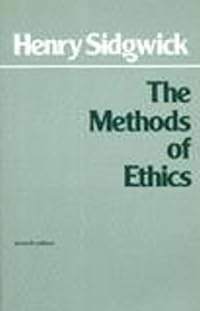
One of the most influential of the Victorian philosophers, Henry Sidgwick (1838-1900) was the author of the masterpiece of utilitarianism, The Methods of Ethics. He also made important contributions to fields such as economics, political theory, and classics. An active champion of higher education for women, he founded Cambridge's Newnham College in 1871. He attended Rugby School and then Trinity College, Cambridge, where he remained his whole career. In 1859 he accepted a lectureship in show more classics, and held this post for ten years. He then changed direction and in 1869 took up a lectureship in moral philosophy. In this book, published in 1886, Sidgwick gives an objective summary of ethical philosophies throughout history. He considers general issues in ethics and then gives a detailed critique of the work of major philosophers from early Greek thinkers through to his nineteenth-century contemporaries. show lessTags
Recommendations




















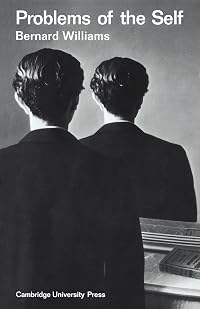


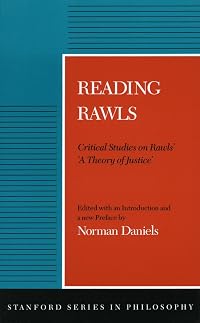

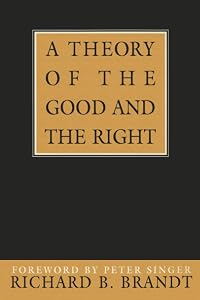


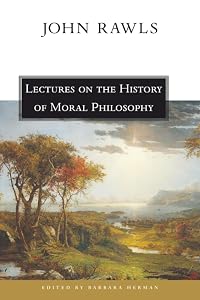
Member Reviews
Members
- Recently Added By
Author Information

17+ Works 500 Members
Born at Skipton, Yorkshire, Henry Sidgwick studied at Trinity College, Cambridge University, where he was appointed a fellow in 1859. In 1869 he resigned his fellowship when growing religious doubts led him to decide that he could no longer subscribe to the Thirty-Nine Articles of the Anglican church (as fellows were required to do). He was show more subsequently reappointed when the religious requirements were abolished, becoming professor of moral philosophy in 1883 and continuing to teach at Trinity College until his death. Sidgwick was active in many fields: education, classics, literature, political theory, and history as well as philosophy. He was interested in the cause of women's education and was instrumental in the founding of Newnham College for women at Cambridge. Sidgwick's most important contributions to philosophy lie in the field of ethics, and his most important work is Methods of Ethics (1874). In ethical theory, he was a proponent of utilitarianism; he is generally regarded as the third great representative of that position, along with Bentham and John Stuart Mill (see also Vols. 1 and 3). He rejected the empiricism on which earlier utilitarians had grounded their theory and displayed much greater complexity and sophistication in treating the psychology of moral motivation. In political theory, Sidgwick was more conservative than either Bentham or Mill. (Bowker Author Biography) show less
Common Knowledge
- Original publication date
- 1886
Classifications
Statistics
- Members
- 124
- Popularity
- 264,167
- Rating
- (4.00)
- Languages
- English, Portuguese
- Media
- Paper, Ebook
- ISBNs
- 12
- ASINs
- 8