Glorious
by Bernice L. McFadden 
On This Page
Description
Set against the backdrops of the Jim Crow South, the Harlem Renaissance, and the civil rights era. Blending the truth of American history with the fruits of imagination, this is the story of Easter Venetta Bartlett, a fictional Harlem Renaissance writer whose tumultuous path to success, ruin, and revival offers a candid portrait of the American experience in all its beauty and cruelty.Tags
Recommendations








Member Reviews
Right off the heels of Loving Donovan by Bernice McFadden, I was encouraged by my Twitter followers to read Glorious. It did not take much coaxing! I am such a Bernice McFadden fan. I put down my current reads scored Glorious from the library and immediately started reading.
Our narrator is a young Easter Bartlett from Waycross, GA. We enter her life when her sister Rlizbeth has experienced a horrible life changing event. This tragedy changed the family forever and sent Easter on the journey of a lifetime. With her mother dead, father remarried, and sister despondent, Easter set off on an uncharted course. Her new life begins as a maid and ironically ends as one. Easter meets people and has experiences on her way that made for some show more great stories that she wrote about daily. After viewing a friend being lynched and baby cut from her womb, Easter knew it was time to leave the Jim Crow south. She finds herself in the middle of a traveling vaudeville act and falling in love with its main attraction, Rain. When Rain didn't return her love and betrayed her with another, Easter walked away and set off on another journey. This one led her into the arms of a young lover. When that well ran dry, Easter found herself on a train where she ran into her childhood friend Madeline. With no plan and no family ties, Madeline talked her into going to Harlem.
Easter started a new life in Harlem. Shortly after arriving, Easter had to make a major life decision. She also met the man she would marry, Colin, he was a West Indian. Then one day Easter had a visit from the past, Rain. Rain brought rain and sunshine into Easter's life. Throughout her life Easter wrote stories as an escape but now she had an opportunity to have her stories published. She became a part of the well known movement known as the Harlem Renaissance. Meredith, Rain's lover, encouraged Easter to publish her work and later became her benefactor. This proved to be a blessing and a curse.
I loved the blend of fact and fiction McFadden let flow throughout this book. I must say one of my favorite parts of the book was when Easter met Langston Hughes. McFadden just eased him in so seamlessly. It’s no secret that I am fan of McFadden’s work, but what I really appreciate about her writing style is how she blends a character’s background/history into the story. This is her “signature” in my opinion. Another reoccurring theme in McFadden’s work is women who are faced with some of the most insurmountable pain and suffering yet they persevere. These are women with real issues that they work through and find love and restoration in the midst of it all. show less
Our narrator is a young Easter Bartlett from Waycross, GA. We enter her life when her sister Rlizbeth has experienced a horrible life changing event. This tragedy changed the family forever and sent Easter on the journey of a lifetime. With her mother dead, father remarried, and sister despondent, Easter set off on an uncharted course. Her new life begins as a maid and ironically ends as one. Easter meets people and has experiences on her way that made for some show more great stories that she wrote about daily. After viewing a friend being lynched and baby cut from her womb, Easter knew it was time to leave the Jim Crow south. She finds herself in the middle of a traveling vaudeville act and falling in love with its main attraction, Rain. When Rain didn't return her love and betrayed her with another, Easter walked away and set off on another journey. This one led her into the arms of a young lover. When that well ran dry, Easter found herself on a train where she ran into her childhood friend Madeline. With no plan and no family ties, Madeline talked her into going to Harlem.
Easter started a new life in Harlem. Shortly after arriving, Easter had to make a major life decision. She also met the man she would marry, Colin, he was a West Indian. Then one day Easter had a visit from the past, Rain. Rain brought rain and sunshine into Easter's life. Throughout her life Easter wrote stories as an escape but now she had an opportunity to have her stories published. She became a part of the well known movement known as the Harlem Renaissance. Meredith, Rain's lover, encouraged Easter to publish her work and later became her benefactor. This proved to be a blessing and a curse.
I loved the blend of fact and fiction McFadden let flow throughout this book. I must say one of my favorite parts of the book was when Easter met Langston Hughes. McFadden just eased him in so seamlessly. It’s no secret that I am fan of McFadden’s work, but what I really appreciate about her writing style is how she blends a character’s background/history into the story. This is her “signature” in my opinion. Another reoccurring theme in McFadden’s work is women who are faced with some of the most insurmountable pain and suffering yet they persevere. These are women with real issues that they work through and find love and restoration in the midst of it all. show less
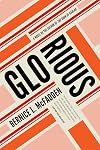
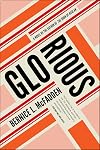
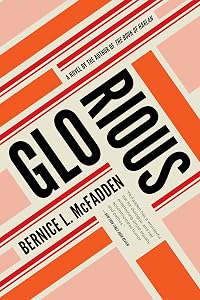
Okay folks. Once again, I've had the pleasure of reading a book that turned out to be on the right side of awesome. The author sent an e-mail and inquired about a review. I don't often turn down an opportunity to read books so I was up for it. I had no idea what to expect when I recieved it from the publisher. It's not a very long book at 239 pages and at first glance, the cover didn't really tell me much about what the book was about.
If you're a writer or aspiring author as I am, you know that the gatekeepers of the literary world are not keen on prologues. They'd rather you weave that information into the body of the story itself. I'm going to do something a little different this time. Instead of giving you the blurb from the back of show more the book, I'm going to give you a taste of the prologue. No rule is absolute and this is an example of a prologue that accomplishes it's goal--to set the stage for a poignant, painful tale that has been all too true in the annuls of American history. Behold...
If Jack Johnson had let James Jeffries beat him on July 4, 1910, which would have proven once and for all that a white man was ten times better than a negro, then black folks wouldn't have been walking around with their backs straight and chests puffed out, smiling like Cheshire cats, upsetting good, God-fearing white folk who didnt mind seeing their Negros happy, but didn't like seeing them proud.
If Jack Johnson had given up and allowed James Jeffries to clip him on the chin, which would have sent him hurling down to the floor where he could have pretended to be knocked out cold, then maybe Easter Barlett's father wouldn't have twirled his wife and daughters around the house by thier pinky fingers and his son John Bartelett Jr. wouldn't have felt for the first time in his life to be pleased and glad to be a black man. And if Jack Jackson had let the shouts of "Kill that nigger" that rang out from the crowd unravel him or the Nevada heat irritate him, maybe then he would have lost the fight and things would have remained as they were.
Things could have gone a different way if Jack Johnson hadn't gotten the notion some years earlier to cap his teeth in gold, so his smile added insult to injury when he was announced the victor of "The Fight of the Century," and that glittering grin slapped white folk hard across their faces.
And if John Bartlett Sr. hadn't bet on Jack Johnson to win, then he wouldn't have had the extra money to buy his wife and two daughters new dresses from the most expensive dress shop in town, and the older of the two girls called Rlizbeth wouldn't have let her hair down and donned that brand-new yellow dress that made her look like an angel, so those white boys wouldn't have noticed her, wouldnt have called out to her from across the road, wouldn't have followed her and jumped her just as she reached the bend and dragged her into the brush, where they raped and beat her.
If all of that hadn't happened, then Easter wouldn't have looked up to see her sister crawling home on all fours like a dog, with a bloodstain shaped like the state of Texas on the backside of Rlizbeth's dress. Easter wouldn't have bore witness to the bite marks on Rlizabeth's breasts, and wouldn't have heard the silence that streamed out of Rlizabeth's mouth when she opened it to scream.
NO SOUND AT ALL.
Bernice McFadden is a masterfull storyteller. I winced more than once at some of the scenes that are a template of fact in America's ugly history of racism and inhumanity to his fellow man. And yet, while it is a story of paradise lost, it takes the reader on a journey to paradise and redemption regained again. You'll follow Easter Bartlett on her journey from young girl, whose sister's rape changed the trajectory of her life, to a woman of advanced years who see's the hand of justice work its slow, but steady resolve in her own painful saga.
McFadden weaves historical figures into the story with an ease and flow that clearly shows her skill and attention to historical detail. Marvelous. show less
If you're a writer or aspiring author as I am, you know that the gatekeepers of the literary world are not keen on prologues. They'd rather you weave that information into the body of the story itself. I'm going to do something a little different this time. Instead of giving you the blurb from the back of show more the book, I'm going to give you a taste of the prologue. No rule is absolute and this is an example of a prologue that accomplishes it's goal--to set the stage for a poignant, painful tale that has been all too true in the annuls of American history. Behold...
If Jack Johnson had let James Jeffries beat him on July 4, 1910, which would have proven once and for all that a white man was ten times better than a negro, then black folks wouldn't have been walking around with their backs straight and chests puffed out, smiling like Cheshire cats, upsetting good, God-fearing white folk who didnt mind seeing their Negros happy, but didn't like seeing them proud.
If Jack Johnson had given up and allowed James Jeffries to clip him on the chin, which would have sent him hurling down to the floor where he could have pretended to be knocked out cold, then maybe Easter Barlett's father wouldn't have twirled his wife and daughters around the house by thier pinky fingers and his son John Bartelett Jr. wouldn't have felt for the first time in his life to be pleased and glad to be a black man. And if Jack Jackson had let the shouts of "Kill that nigger" that rang out from the crowd unravel him or the Nevada heat irritate him, maybe then he would have lost the fight and things would have remained as they were.
Things could have gone a different way if Jack Johnson hadn't gotten the notion some years earlier to cap his teeth in gold, so his smile added insult to injury when he was announced the victor of "The Fight of the Century," and that glittering grin slapped white folk hard across their faces.
And if John Bartlett Sr. hadn't bet on Jack Johnson to win, then he wouldn't have had the extra money to buy his wife and two daughters new dresses from the most expensive dress shop in town, and the older of the two girls called Rlizbeth wouldn't have let her hair down and donned that brand-new yellow dress that made her look like an angel, so those white boys wouldn't have noticed her, wouldnt have called out to her from across the road, wouldn't have followed her and jumped her just as she reached the bend and dragged her into the brush, where they raped and beat her.
If all of that hadn't happened, then Easter wouldn't have looked up to see her sister crawling home on all fours like a dog, with a bloodstain shaped like the state of Texas on the backside of Rlizbeth's dress. Easter wouldn't have bore witness to the bite marks on Rlizabeth's breasts, and wouldn't have heard the silence that streamed out of Rlizabeth's mouth when she opened it to scream.
NO SOUND AT ALL.
Bernice McFadden is a masterfull storyteller. I winced more than once at some of the scenes that are a template of fact in America's ugly history of racism and inhumanity to his fellow man. And yet, while it is a story of paradise lost, it takes the reader on a journey to paradise and redemption regained again. You'll follow Easter Bartlett on her journey from young girl, whose sister's rape changed the trajectory of her life, to a woman of advanced years who see's the hand of justice work its slow, but steady resolve in her own painful saga.
McFadden weaves historical figures into the story with an ease and flow that clearly shows her skill and attention to historical detail. Marvelous. show less
I could not put down this book! McFadden drew me into Easter's story and showed me what the world was like for black women prior to, during, and after the Harlem Renaissance. Easter's struggles, successes, and life will stay with me long after the last page has been read. The prose is strong, lyrical at times in its description, with forthright observations that leave judgement to the reader.
If I hadn't lost my job last year, and if my fight with social anxiety disorder wasn't so severe, I would no doubt have found a replacement by now. And if I was currently working I would not have the free time that I do which in turn would have kept me away from the computer. If I had not spent so much of that free time at the computer I wouldn't have started entering sweepstakes and giveaways and reading the articles on the blogs and sites on which they were posted. In turn, I wouldn't have decided to start my own blog and, most certainly, I would never have embraced books that fell outside of my preferred genres. And if I had never explored those other genres I would never have entered, and won, a giveaway for 'Glorious' and I would show more have slept better these past few nights and not had the contents of this book haunt my waking hours. 'Glorious' really is that powerful.
As in the style of the paragraph above, although far more expertly crafted, the novel begins with a prologue that runs through a series of life changing events that lay the foundations for what will transpire in the life of the main character Easter Bartlett.
A few words if I may regarding the name of the main character. This is a very deep novel that, at first, seemed like it would be a very quick read as Ms McFadden's writing style was very fast paced. Yet there is so much depth within the story that I found myself purposely stopping at the end of each chapter and musing upon what I had just read. Think of reading this book as being on an train journey if you will...one can go from city A through city E directly and enjoy the commute. However, if the passenger takes the time to stop off at locations B, C and D along the way then that passenger will get far more out of the journey and learn a few things along the way. It's with this in mind that I get back to the main character, Easter. Easter, in terms of the religious holiday, is a day born out of the despair and anguish of the crucifixion of Jesus of Nazareth but culminating in the joy of His resurrection. His resurrection signified a new beginning and the washing away of sin. The character name of Easter then is no simple coincidence as her journey is one born of despair and anguish yet it ultimately leads to redemption in her life. It's a simple connection yet a connection that can be easily missed if one just hurtles through this novel like the proverbial express train to New York.
One thing you will either love or hate about this novel is the constant evolution of Easter signified by her constant upheaval from one location to the next. As she is moving from one geographical place to another the characters Easter interacts with come and go from the novel very quickly. In the case of the performer Rain (another name that is expertly chosen by McFadden) I found this disheartening as I was loving the character so much. In Rain the author has a character with history, depth and unique substance and I can only hope Ms McFadden has plans to reintroduce Rain, perhaps as a main character, in a future novel as I'm certain there are many stories to be told regarding that character.
I mentioned at the beginning of this post that this novel has haunted me. Now bear in mind that I am an avid reader of horror and have been since I was a young teen more than twenty years ago. However, what constitutes real horror is the context in which the horrific action takes place. For instance, watching a horror movie where Jason decapitates an annoying college student does not hold the same power as a real life hostage being decapitated by his Al Qaeda captives. As such, when 'Glorious' deals with the rape of a child or the burning to death of a pregnant woman, for example, it hits a raw nerve due to having roots that are based in fact. And make no mistake, Ms McFadden, doesn't pull any punches in relation to the graphic elements of this novel. It does get the desired response though and I for one, as an Englishman living in America with little knowledge of black history, have felt compelled to spend some time researching slavery and the conditions and situations that the slaves had to endure. I have been educated by this book.
As solid and expertly written as 'Glorious' is there was one element of the story that had me at odds with Easter and how I was supposed to feel about her as a character. In chapter six of the book Easter is a teacher and she proceeds to have sexual relations with a male student who is fifteen years old. The text tells us she assumes him to be older and that is the solitary defense offered when her sexual relationship is ultimately exposed by the boy himself when he moves on to another female. Regardless of the male's cruel intention in my mind that made Easter a sexual predator as she committed statutory rape which, in turn, removed a lot of the sympathy I had for her up until that point. Perhaps that's just a modern day mentality viewing something that perhaps wasn't such a big deal in 1910 or so but it did ultimately change my feelings toward Easter and the immediate aftermath of what occurred.
There's so much more I could share about this novel as I feel I've barely scratched the surface of the content and it's depth but I don't wish my review to appear like an essay, if it hasn't done so already, and so I will leave you with the one word that describes the book and also happens to be its title...glorious. show less
As in the style of the paragraph above, although far more expertly crafted, the novel begins with a prologue that runs through a series of life changing events that lay the foundations for what will transpire in the life of the main character Easter Bartlett.
A few words if I may regarding the name of the main character. This is a very deep novel that, at first, seemed like it would be a very quick read as Ms McFadden's writing style was very fast paced. Yet there is so much depth within the story that I found myself purposely stopping at the end of each chapter and musing upon what I had just read. Think of reading this book as being on an train journey if you will...one can go from city A through city E directly and enjoy the commute. However, if the passenger takes the time to stop off at locations B, C and D along the way then that passenger will get far more out of the journey and learn a few things along the way. It's with this in mind that I get back to the main character, Easter. Easter, in terms of the religious holiday, is a day born out of the despair and anguish of the crucifixion of Jesus of Nazareth but culminating in the joy of His resurrection. His resurrection signified a new beginning and the washing away of sin. The character name of Easter then is no simple coincidence as her journey is one born of despair and anguish yet it ultimately leads to redemption in her life. It's a simple connection yet a connection that can be easily missed if one just hurtles through this novel like the proverbial express train to New York.
One thing you will either love or hate about this novel is the constant evolution of Easter signified by her constant upheaval from one location to the next. As she is moving from one geographical place to another the characters Easter interacts with come and go from the novel very quickly. In the case of the performer Rain (another name that is expertly chosen by McFadden) I found this disheartening as I was loving the character so much. In Rain the author has a character with history, depth and unique substance and I can only hope Ms McFadden has plans to reintroduce Rain, perhaps as a main character, in a future novel as I'm certain there are many stories to be told regarding that character.
I mentioned at the beginning of this post that this novel has haunted me. Now bear in mind that I am an avid reader of horror and have been since I was a young teen more than twenty years ago. However, what constitutes real horror is the context in which the horrific action takes place. For instance, watching a horror movie where Jason decapitates an annoying college student does not hold the same power as a real life hostage being decapitated by his Al Qaeda captives. As such, when 'Glorious' deals with the rape of a child or the burning to death of a pregnant woman, for example, it hits a raw nerve due to having roots that are based in fact. And make no mistake, Ms McFadden, doesn't pull any punches in relation to the graphic elements of this novel. It does get the desired response though and I for one, as an Englishman living in America with little knowledge of black history, have felt compelled to spend some time researching slavery and the conditions and situations that the slaves had to endure. I have been educated by this book.
As solid and expertly written as 'Glorious' is there was one element of the story that had me at odds with Easter and how I was supposed to feel about her as a character. In chapter six of the book Easter is a teacher and she proceeds to have sexual relations with a male student who is fifteen years old. The text tells us she assumes him to be older and that is the solitary defense offered when her sexual relationship is ultimately exposed by the boy himself when he moves on to another female. Regardless of the male's cruel intention in my mind that made Easter a sexual predator as she committed statutory rape which, in turn, removed a lot of the sympathy I had for her up until that point. Perhaps that's just a modern day mentality viewing something that perhaps wasn't such a big deal in 1910 or so but it did ultimately change my feelings toward Easter and the immediate aftermath of what occurred.
There's so much more I could share about this novel as I feel I've barely scratched the surface of the content and it's depth but I don't wish my review to appear like an essay, if it hasn't done so already, and so I will leave you with the one word that describes the book and also happens to be its title...glorious. show less
Easter Bartlett learns early in life that because of her skin color, she will be denied basic human freedoms and considerations. She watches the inhumane justice and the unfair treatment of both her family and others of her race, with helplessness and mortification. As it cripples and destroys her family, Easter moves on and tries to spread her wings and grow.
Glorious is powerfully written novel dealing with one of America's largest sins - segregation. It has been spoken of, but unless one has grown up with it, the word does not hold the shame and rage that it should. McFadden gave Easter a voice that takes the reader back to the time when freedom was only for those that were blessed with white skin and makes that horror a reality. show more After reading Glorious, one will never quite be able to rid the some of the horrific visions from memory.
McFadden wrote a novel that will capture your heart, break it, crush it, mend it, and then give it back to you forever changed.
The reason for Adult recommendation: Many of the horrors of segregation are discussed - murders, rapes, lynchings, etc and some are graphic. There is also a detailed account of abortion and and a character that has an alternative lifestyle. Parents - I won't tell you not to give this to your teens, but I do ask you to read it first - if not for any other reason than to be able to discuss this novel with them. show less
Glorious is powerfully written novel dealing with one of America's largest sins - segregation. It has been spoken of, but unless one has grown up with it, the word does not hold the shame and rage that it should. McFadden gave Easter a voice that takes the reader back to the time when freedom was only for those that were blessed with white skin and makes that horror a reality. show more After reading Glorious, one will never quite be able to rid the some of the horrific visions from memory.
McFadden wrote a novel that will capture your heart, break it, crush it, mend it, and then give it back to you forever changed.
The reason for Adult recommendation: Many of the horrors of segregation are discussed - murders, rapes, lynchings, etc and some are graphic. There is also a detailed account of abortion and and a character that has an alternative lifestyle. Parents - I won't tell you not to give this to your teens, but I do ask you to read it first - if not for any other reason than to be able to discuss this novel with them. show less
Back in 1910 a black man defeated a white man in a fair fight and the black people who’d laid bets on the result were understandably elated. Soon afterwards, a girl called Easter, who already had plenty of reasons for hatred in her life, wrote that one word HATE on a piece of paper, crumpled it up, and buried it.
Easter wrote many other words too as she grew older in a world of radical unfairness and unthinking cruelty. Glorious, by Bernice McFadden, is her tale. Reading how a pregnant black cook is murdered because a total stranger, unfortunately also black, has committed a crime, then watching the slaughter of her unborn child, leaves the reader sickened and saddened for all those others whose stories have not been, and surely should show more be told. But Easter buries her hate and herself and moves on.
The novel introduces a fascinating cast of characters, some larger than life, some smaller, some real and some imagined. But all the lives are gloriously genuine and so powerfully told. I even found myself searching for author E.V. Gibbs on the internet, to see if she really existed. But I’ve read Their Eyes were watching God, so I know Zora Neale Hurston was real.
The story progresses from Georgia to railroad tracks to Harlem and high-class apartments in New York. Through waves of powerful emotions, innocent errors and devastating betrayals, it all ends back where it began, in the small town of Waycross, Georgia. Years have passed and it’s now 1961. The world is changing, but hasn’t changed enough. And the reader learns where Easter’s wonderful mind and words have led her. It could be tragic, but instead it’s powerfully hopeful, beautiful and moving. And the quote from Zora Neale Hurston on the final page—“God balances the sheet in time”—rings gloriously true in the reader’s mind. show less
Easter wrote many other words too as she grew older in a world of radical unfairness and unthinking cruelty. Glorious, by Bernice McFadden, is her tale. Reading how a pregnant black cook is murdered because a total stranger, unfortunately also black, has committed a crime, then watching the slaughter of her unborn child, leaves the reader sickened and saddened for all those others whose stories have not been, and surely should show more be told. But Easter buries her hate and herself and moves on.
The novel introduces a fascinating cast of characters, some larger than life, some smaller, some real and some imagined. But all the lives are gloriously genuine and so powerfully told. I even found myself searching for author E.V. Gibbs on the internet, to see if she really existed. But I’ve read Their Eyes were watching God, so I know Zora Neale Hurston was real.
The story progresses from Georgia to railroad tracks to Harlem and high-class apartments in New York. Through waves of powerful emotions, innocent errors and devastating betrayals, it all ends back where it began, in the small town of Waycross, Georgia. Years have passed and it’s now 1961. The world is changing, but hasn’t changed enough. And the reader learns where Easter’s wonderful mind and words have led her. It could be tragic, but instead it’s powerfully hopeful, beautiful and moving. And the quote from Zora Neale Hurston on the final page—“God balances the sheet in time”—rings gloriously true in the reader’s mind. show less
Easter Bartlett has just left her home in the South after a series of devastating events has struck her family. Traveling alone from town to town, Easter goes from working as a sideshow act in a traveling circus to becoming a schoolteacher in a one room school. Though she meets new acquaintances and falls in love, Easter is ever on the move whenever the difficulties of life threaten to trap her. When she meets up with an old friend from her home town, Easter decides to travel to New York and gets caught up in the Harlem Renaissance, becoming a contributor of short stories to various magazines. In New York, Easter runs into an old friend from the circus and meets a very rich white woman who will become her benefactor, never dreaming that show more one day this woman will betray her in the worst of ways and send her future spinning out of control. Though Easter has risen high, she ultimately falls to earth once again, her dreams and plans thrown by the wayside of her ever-changing life. Filled with heartache and wisdom, Bernice McFadden blends the tale of Easter Bartlett with the tale of the real life heroes of the Jim Crow south and the Harlem Renaissance.
This book was a very quick read for me. The fact that the prose was so fluid, coupled with the fact that the story moved along with such a great clip made this a book that I was easily engrossed in and finished in one afternoon. Easter's story is one filled with frustration, heartbreak and pain. She made for a very likable protagonist and I relished the time spent with her. She had a great innocence about her and she saw the world in such an interesting way that it was impossible not to fall in love with her. Most of her reactions to her fate seemed genuine and well written but there were points that I felt that I would have loved to have read more about her internal thought process.
The story itself was very inspired. McFadden has a lot to say about the marginalization of the black community during the early century, and says it well. She brings to her reader the agonies and atrocities of lynching and the despicable aspects of segregation and prejudice in crystal clear prose, never overdoing it. Instead she paints a picture of the inequalities between the two races with intensity and a level of reality that I was really able to appreciate. Her characters, real and imagined, were truly a product of their times and they really opened my eyes to the vast gulf separating the races during that time period.
I think that one of the most interesting parts of the book revolved around the storyline of Easter's time at the circus. It was there that she met the flamboyantly sexual and intense dancer, Rain. Though the story alludes to the fact that Easter had bisexual leanings, it was never clearly picked as a subject to focus on in the narrative. Rain and Easter's relationship was interesting because it held the hallmarks of a mother/daughter relationship, as well as being a sisterly and lover-like relationship. When Easter flees the circus, it was easy to see that what she was really fleeing was the feelings that she had for Rain, feelings that were, unfortunately for her, not reciprocated. I was saddened that Easter had to leave with such sadness and bitterness in her heart but was very pleased when the two women's paths crossed again in New York. Though their relationship was very different the second time around, it was nice to see that their journey together would continue.
As the story winds towards its conclusion, Easter has been relegated to a sad fate. Many years have passed and due to the scandal that transpired after her betrayal, Easter is left living out her days far from the splendor in which she once lived. I liked the way McFadden chose to reveal those lost days of Easter's past through flashbacks and thought that it was fitting that she eventually was able to put the pain of her past to rest. Easter found a way to live with her lot after all, though the twists of her tale were full of the sadness of dreams left unfulfilled.
This book had an ever-winding and surprising story that I felt was written with genuine feeling and clarity. I think that those readers who have not yet tried any of McFadden's books would probably do well to start here, though I have also heard great things about another book of hers, called Sugar. If you are the type of reader who enjoys character driven dramas that deal with some of the darker parts of American history, I would definitely recommend this book to you. I think that although it's a shorter read, it carries an important message that should be passed down through the generations. A very thoughtful read. Recommended! show less
This book was a very quick read for me. The fact that the prose was so fluid, coupled with the fact that the story moved along with such a great clip made this a book that I was easily engrossed in and finished in one afternoon. Easter's story is one filled with frustration, heartbreak and pain. She made for a very likable protagonist and I relished the time spent with her. She had a great innocence about her and she saw the world in such an interesting way that it was impossible not to fall in love with her. Most of her reactions to her fate seemed genuine and well written but there were points that I felt that I would have loved to have read more about her internal thought process.
The story itself was very inspired. McFadden has a lot to say about the marginalization of the black community during the early century, and says it well. She brings to her reader the agonies and atrocities of lynching and the despicable aspects of segregation and prejudice in crystal clear prose, never overdoing it. Instead she paints a picture of the inequalities between the two races with intensity and a level of reality that I was really able to appreciate. Her characters, real and imagined, were truly a product of their times and they really opened my eyes to the vast gulf separating the races during that time period.
I think that one of the most interesting parts of the book revolved around the storyline of Easter's time at the circus. It was there that she met the flamboyantly sexual and intense dancer, Rain. Though the story alludes to the fact that Easter had bisexual leanings, it was never clearly picked as a subject to focus on in the narrative. Rain and Easter's relationship was interesting because it held the hallmarks of a mother/daughter relationship, as well as being a sisterly and lover-like relationship. When Easter flees the circus, it was easy to see that what she was really fleeing was the feelings that she had for Rain, feelings that were, unfortunately for her, not reciprocated. I was saddened that Easter had to leave with such sadness and bitterness in her heart but was very pleased when the two women's paths crossed again in New York. Though their relationship was very different the second time around, it was nice to see that their journey together would continue.
As the story winds towards its conclusion, Easter has been relegated to a sad fate. Many years have passed and due to the scandal that transpired after her betrayal, Easter is left living out her days far from the splendor in which she once lived. I liked the way McFadden chose to reveal those lost days of Easter's past through flashbacks and thought that it was fitting that she eventually was able to put the pain of her past to rest. Easter found a way to live with her lot after all, though the twists of her tale were full of the sadness of dreams left unfulfilled.
This book had an ever-winding and surprising story that I felt was written with genuine feeling and clarity. I think that those readers who have not yet tried any of McFadden's books would probably do well to start here, though I have also heard great things about another book of hers, called Sugar. If you are the type of reader who enjoys character driven dramas that deal with some of the darker parts of American history, I would definitely recommend this book to you. I think that although it's a shorter read, it carries an important message that should be passed down through the generations. A very thoughtful read. Recommended! show less
Members
- Recently Added By
Author Information

16+ Works 2,061 Members
Bernice L. McFadden is a LibraryThing Author, an author who lists their personal library on LibraryThing.
Awards and Honors
Awards
Distinctions
Common Knowledge
- Canonical title
- Glorious
- Original title
- Glorious
- Original publication date
- 2010-05-10
- Epigraph
- ...and the end of all of our exploring
will be to arrive where we started
and know the place for the first time. ----T.S. Eliot - Dedication
- For my daughter, R'yane Azsa' Waterton,
who is the best part of me - First words
- If Jack Johnson had let James Jeffries beat him on July 4, 1910, which would have proven once and for all that a white man was ten times better than a Negro, then black folk wouldn't have been walking around with their backs ... (show all)straight and chests puffed out, smiling like Cheshire cats, upsetting good, God-fearing white folk who didn't mind seeing their Negroes happy, but didn't like seeing them proud.
- Last words
- (Click to show. Warning: May contain spoilers.)I stubbornly remain, rooted against the wind....
- Blurbers
- Vinnie Kirshenbaum
Classifications
Statistics
- Members
- 159
- Popularity
- 206,180
- Reviews
- 14
- Rating
- (3.86)
- Languages
- English
- Media
- Paper, Audiobook, Ebook
- ISBNs
- 3
- ASINs
- 5