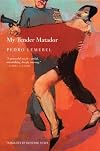
My Tender Matador: A Novel
by Pedro Lemebel
On This Page
Description
Centered around the 1986 attempt on the life of Augusto Pinochet, an event that changed Chile forever, My Tender Matador is one of the most explosive, controversial, and popular novels to have been published in that country in decades. It is spring 1986 in the city of Santiago, and Augusto Pinochet is losing his grip on power. In one of the city's many poor neighborhoods works the Queen of the Corner, a hopeless and lonely romantic who embroiders linens for the wealthy and listens to boleros show more to drown out the gunshots and rioting in the streets. Along comes Carlos, a young, handsome man who befriends the aging homosexual and uses his house to store mysterious boxes and hold clandestine meetings. My Tender Matador is an extraordinary novel of revolution and forbidden love, and a stirring portrait of Chile at an historical crossroads. By turns funny and profoundly moving, Pedro Lemebel's lyrical prose offers an intimate window into the mind of Pinochet himself as the world of Carlos and the Queen prepares to collide with the dictator's own in a fantastic and unexpected way. show lessTags
Recommendations







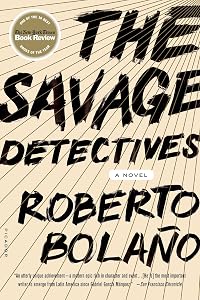

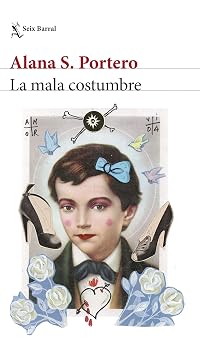


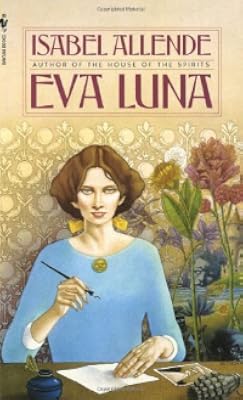

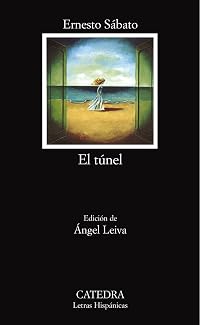


















Member Recommendations

by anonymous user
Member Reviews
This novel was a stunning history set in Pinochet's Chile. The main character is queen of her own apartment in Santiago (but to everyone else, a gentleman, a maricon, a pathetic figure). Starstruck by a handsome, educated revolutionary, she permits the Marxists to store boxes of unknown goods in her world. Over time, she develops a close connection with the handsome revolutionary, who proves to be a kind and good person, who appreciates the kindness of the queen. They get drunk, certain events happen, no one mistakes it for true love. Eventually, the revolutionaries launch their attack on Pinochet and nearly kill him, but in the aftermath all must flee.
There is so much dignity and innocence in the main character, it made me weep. The show more author never condescends. This is a wonderful, restrained treatment, imagining both drag queens and Pinochet himself with equal facility. Few are spared. show less
There is so much dignity and innocence in the main character, it made me weep. The show more author never condescends. This is a wonderful, restrained treatment, imagining both drag queens and Pinochet himself with equal facility. Few are spared. show less
This is a book of love of delusion, of projection, of ideals without fruition. Romantic songs and soft fabrics line the pages, flowery words and fancy hats lead to a delicate unrequited love.
The Queen is a masterpiece. She, and her precious, precocious femininity, fill the pages with the frivolous thoughts, whilst running parallel is an aching sense of reality. She believes in the fantasy and she sees the veracity and both exist woven together, like one of her beautiful embroidered tablecloths.
I am finding myself drawn more and more to the floral language, and I love the rhythm of the sections of the book focused on Santiago life from the Queen’s point of view. Her beloved Carlos is a shadow of a character, mostly a pretty projection show more from within the Queen’s mind, but she is so aware of the idolising nature of the infatuation that this doesn’t seem to matter. Falling in love with a fantasy is still falling in love, and when the love is shattered, it hurts no less.
“How do you look at something you will never see again? How do you forget something you never had?”
This is the second book I’ve now read where the protagonist is transgendered, the first being ‘[b:The Ministry of Utmost Happiness|32388712|The Ministry of Utmost Happiness|Arundhati Roy|https://i.gr-assets.com/images/S/compressed.photo.goodreads.com/books/1520327592l/32388712._SY75_.jpg|53001637]The Ministry of Utmost Happiness’ by Arundhati Roy. This is progress I believe in my aim of reading a more varied portrayal of gender.
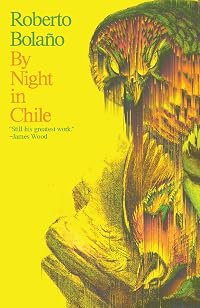
Moving on from the Queen, in consideration of the General Pinochet character, I read Roberto Bolaño’s By Night in Chile before reading Peter Lemebel’s My Tender Matador, and both of these books included a fictionalised Pinochet. In My Tender Matador, I felt that Pinochet, and even more so his wife, were caricatures. I felt an opportunity was lost here to explore how someone with such lacking appreciation of human rights could develop. To me, the children’s birthday party story just felt farfetched and out of place. I also couldn’t understand how a character with such an authoritarian hand could put up with his wife’s wittering as he did.
But maybe Pinochet’s character is a mystery? The Wikipedia page says barely anything of his childhood and on reflecting on his character just seems to talk about how he had a large library, but a library devoid of fiction.
In September of 1986 there was an assassination attempt as he was making his way back to Santiago from one of his country homes. My Tender Matador is a fictionalised account of this. Newspaper reports tell me that five, not seven, bodyguards were killed, and that Pinochet’s ten-year-old grandson was also in the car with him at the moment of the attack despite being omitted in the novel. If I had written the book I would have kept the child there, it’s emotionally more complex to be on the protagonist’s side when the protagonists are shooting at a child, and I would have dropped much of the character of Pinochet’s wife, for she was tedious to read. show less
The Queen is a masterpiece. She, and her precious, precocious femininity, fill the pages with the frivolous thoughts, whilst running parallel is an aching sense of reality. She believes in the fantasy and she sees the veracity and both exist woven together, like one of her beautiful embroidered tablecloths.
I am finding myself drawn more and more to the floral language, and I love the rhythm of the sections of the book focused on Santiago life from the Queen’s point of view. Her beloved Carlos is a shadow of a character, mostly a pretty projection show more from within the Queen’s mind, but she is so aware of the idolising nature of the infatuation that this doesn’t seem to matter. Falling in love with a fantasy is still falling in love, and when the love is shattered, it hurts no less.
“How do you look at something you will never see again? How do you forget something you never had?”
This is the second book I’ve now read where the protagonist is transgendered, the first being ‘[b:The Ministry of Utmost Happiness|32388712|The Ministry of Utmost Happiness|Arundhati Roy|https://i.gr-assets.com/images/S/compressed.photo.goodreads.com/books/1520327592l/32388712._SY75_.jpg|53001637]The Ministry of Utmost Happiness’ by Arundhati Roy. This is progress I believe in my aim of reading a more varied portrayal of gender.
Moving on from the Queen, in consideration of the General Pinochet character, I read Roberto Bolaño’s By Night in Chile before reading Peter Lemebel’s My Tender Matador, and both of these books included a fictionalised Pinochet. In My Tender Matador, I felt that Pinochet, and even more so his wife, were caricatures. I felt an opportunity was lost here to explore how someone with such lacking appreciation of human rights could develop. To me, the children’s birthday party story just felt farfetched and out of place. I also couldn’t understand how a character with such an authoritarian hand could put up with his wife’s wittering as he did.
But maybe Pinochet’s character is a mystery? The Wikipedia page says barely anything of his childhood and on reflecting on his character just seems to talk about how he had a large library, but a library devoid of fiction.
In September of 1986 there was an assassination attempt as he was making his way back to Santiago from one of his country homes. My Tender Matador is a fictionalised account of this. Newspaper reports tell me that five, not seven, bodyguards were killed, and that Pinochet’s ten-year-old grandson was also in the car with him at the moment of the attack despite being omitted in the novel. If I had written the book I would have kept the child there, it’s emotionally more complex to be on the protagonist’s side when the protagonists are shooting at a child, and I would have dropped much of the character of Pinochet’s wife, for she was tedious to read. show less
Dedication: "...to Myrna Uribe (La Chica Myrna), tiny esoteric epicenter, who staved of the afternoon of the coyote with her poetic depravity..." This book is a relatively unsentimental yet romantic exploration of the days in Santiago, Chile during the time of Pinochet. It provides us access to not only Pinochet's (and his wife) perspective, but also insight into the lives of the revolutionaries trying to assassinate him. "We were brought together by two stories that barely even shook hands with each other in the midst of everything that happened. And what didn't happen here will never happen anywhere in the world." Even in translation, this is an amazing novel of love in the time of revolution.
Pedro Lemebel has published several collections of chronicles and essays in Chile, but as far as I know this is the only book of his that's been translated into English. It's a pity, because his writing is fiercely beautiful. My Tender Matador is set during the waning years of the Pinochet regime, and focuses on the relationship between an aging transwoman, the "Queen of the Corner," in a working-class neighborhood of Santiago, and a young man involved with a radical organization that is plotting against the dictatorship. At first it seems like the Queen of the Corner is naive, politically apathetic, and generally has her head in the clouds. Gradually, though, we see that this is not the case, but Lemebel never sheds the Queen's show more fancifulness and does a tremendous job of writing fantasy and imagination as resistance. He also interweaves the Queen's story with the perspectives of Pinochet and his wife Lucia. Initially this struck me as unnecessary, but Lemebel uses these narrative threads to hone in on the excessive performativity and level of fantasy that sustained the dictatorship, so they rounded out the book quite nicely in the end. show less
As a college student I spent six months studying and living in Santiago, and Chile was the first place outside of my home country I had the pleasure of visiting. I'll always have a warm place in my heart for Chile, because I made a lot of good friends, had a lot of fun, and learned an awful lot of Spanish during my time there. Although I didn't always act like much of an adult during my time in Chile, it was the first time that I really felt like I'd grown up and was doing adult things. I turned 20 there, which I guess seems more significant now, almost seven years later, than it did then. I lived in a student residence in the neighborhood of Ñuñoa and one day while I was reading a book of short stories by Alberto Fuguet, one of the show more other students living there came up to me and said something like, "why are you reading that trash? Do you actually like that book?" I said that I wasn't really sure what I liked yet, and that I was happy enough I could read Fuguet's book in Spanish and understand it reasonably well. I asked him what Chilean author I should be reading, and he said, "you should get some books by Pedro Lemebel." His books aren't always easy to find, but I recently obtained a copy of Tengo miedo torero (My Tender Matador) through interlibrary loan.
The hero of the story, the princess so to speak, is La loca del frente, a middle-aged transvestite who rents a spacious home in a lower middle class Santiago neighborhood in 1986. His (her) home is soon invaded by a troupe of young college students, who study on the balcony into the late hours of the night, after the curfew has sounded. She falls in love with one of the students, Carlos, and they have a very friendly, flirty relationship. He's the one who deals with her, apologizing for being too loud or staying too late, or asking her to let them store a bunch of crates of "books" in her house for a while. He also takes her on a trip to the countryside to take some pictures for a "class project" out at Cajón del Maipo, and she packs a picnic and wears a fancy hat and yellow dress. Interspersed with the story of Carlos and La loca del frente is the story of Augusto Pinochet and his wife. Pinochet's wife annoys the crap out of him, talking nonstop about fashion and how her gay assistant read her fortune in the tarot cards and so on. Pinochet is haunted by nightmares. The parallel stories, which show two extremes of the deep divide between pro-and anti-dictatorship Chile, intersect in various ways, with La loca del frente sewing ornate tablecloths for military wives, the Pinochets seeing the picnicing couple in Cajón de Maipo, and both Carlos and Pinochet celebrating their birthday with cake and lots of invitees. These parallels grow in magnitude and the tension increases, both in the relationship between Carlos and La loca and in the suspicious behavior of Carlos and his friends.
It's easy to forget that La loca del frente isn't a lovesick young woman, but an aging transvestite. Her relationship with Carlos is really sweet and romantic, which makes you worry from the beginning that it's about to blow up, considering that Carlos may not even be gay, and he may just be using her (him) to gain access to the house where his friends can meet and do their business and store their "books." You can read for pages and almost forget that this is not a traditional romance, but a romance that may not be a romance between a man and an older cross-dressing man, but their identities are always there, and they makes you nervous. I shared in La loca's nagging feeling that the whole thing was almost too good to be true, and I also shared in her hopes that there would be a happy ending, against her better judgement. This book isn't just a love story, but the love story at its center is a very interesting and compelling one.
It was wonderful to be transported back to Santiago, to streets and neighborhoods I had wandered through seven years ago. Reading about Carlos and his friends on the terrace of La loca's house took me back to late afternoons spent on apartment building balconies, watching the sun set over a city of millions set against some of the tallest mountains of the Andes. This book made me remember and miss Chile, and I really liked the way that the author vividly described his hometown in all of its smoggy, beautiful contradictions. I also thought the book provided a very accurate view of how a variety of Chileans felt about the political state of their nation in the 1980s, a time whose echoes I felt in my relationships with Chileans who were barely born in 1986, but whose families were universally affected in one way or another by military rule. This is a very Chilean book in its themes, but also in its language. It alternates between different registers of Chilean Spanish spoken by different sectors of society, and no matter who was talking, aging transvestites or Augusto Pinochet, they all speak as I remember Chileans speaking.
I'm glad I was finally able to find and read this book. I really enjoyed it, and would recommend it for anyone interested in reading about life in Chile during the later years of the dictatorship. As this book was sitting on my shelf waiting to be read, I came across a couple of passages regarding Lemebel in another book I've been reading on and off, Roberto Bolaño's Entre paréntesis (which I think will be published in English this year). Bolaño twice refers to Lemebel as "my hero" and "the greatest poet of my generation." Here's a passage from an essay about his reationship with Lemebel:
"Nobody speaks a Spanish more Chilean than Lemebel. Nobody extracts more emotions from his Spanish than Lemebel. It's not necessary for Lemebel to write poetry in order for him to be the greatest poet of my generation. Nobody goes deeper than Lemebel. And, as if that weren't enough, Lemebel is valiant, that is, he knows to open his eyes in the darkness, in those territories into which nobody dares enter. How do I know all this, you ask? Easy. I read his books. And after reading them, with emotion, with laughter, with goosebumps, I called him on the telephone and we talked for a long time, an extended conversation filled with golden exclamations, through which I recognized in Lemebel the indomitable spirit of the Mexican poet Mario Santiago, deceased, and the images, like flashes of lightning, of La Araucana, dead, cornered, but brought back to life in Lemebel, and then I knew that this gay writer, my hero, may have ended up on the losing side, but that victory, the sad victory offered by Literature (written with a capital L) was his without doubt. When all those who have denigrated him find themselves lost in the gutter or in the empty void, Pedro Lemebel will continue to shine like a star." show less
The hero of the story, the princess so to speak, is La loca del frente, a middle-aged transvestite who rents a spacious home in a lower middle class Santiago neighborhood in 1986. His (her) home is soon invaded by a troupe of young college students, who study on the balcony into the late hours of the night, after the curfew has sounded. She falls in love with one of the students, Carlos, and they have a very friendly, flirty relationship. He's the one who deals with her, apologizing for being too loud or staying too late, or asking her to let them store a bunch of crates of "books" in her house for a while. He also takes her on a trip to the countryside to take some pictures for a "class project" out at Cajón del Maipo, and she packs a picnic and wears a fancy hat and yellow dress. Interspersed with the story of Carlos and La loca del frente is the story of Augusto Pinochet and his wife. Pinochet's wife annoys the crap out of him, talking nonstop about fashion and how her gay assistant read her fortune in the tarot cards and so on. Pinochet is haunted by nightmares. The parallel stories, which show two extremes of the deep divide between pro-and anti-dictatorship Chile, intersect in various ways, with La loca del frente sewing ornate tablecloths for military wives, the Pinochets seeing the picnicing couple in Cajón de Maipo, and both Carlos and Pinochet celebrating their birthday with cake and lots of invitees. These parallels grow in magnitude and the tension increases, both in the relationship between Carlos and La loca and in the suspicious behavior of Carlos and his friends.
It's easy to forget that La loca del frente isn't a lovesick young woman, but an aging transvestite. Her relationship with Carlos is really sweet and romantic, which makes you worry from the beginning that it's about to blow up, considering that Carlos may not even be gay, and he may just be using her (him) to gain access to the house where his friends can meet and do their business and store their "books." You can read for pages and almost forget that this is not a traditional romance, but a romance that may not be a romance between a man and an older cross-dressing man, but their identities are always there, and they makes you nervous. I shared in La loca's nagging feeling that the whole thing was almost too good to be true, and I also shared in her hopes that there would be a happy ending, against her better judgement. This book isn't just a love story, but the love story at its center is a very interesting and compelling one.
It was wonderful to be transported back to Santiago, to streets and neighborhoods I had wandered through seven years ago. Reading about Carlos and his friends on the terrace of La loca's house took me back to late afternoons spent on apartment building balconies, watching the sun set over a city of millions set against some of the tallest mountains of the Andes. This book made me remember and miss Chile, and I really liked the way that the author vividly described his hometown in all of its smoggy, beautiful contradictions. I also thought the book provided a very accurate view of how a variety of Chileans felt about the political state of their nation in the 1980s, a time whose echoes I felt in my relationships with Chileans who were barely born in 1986, but whose families were universally affected in one way or another by military rule. This is a very Chilean book in its themes, but also in its language. It alternates between different registers of Chilean Spanish spoken by different sectors of society, and no matter who was talking, aging transvestites or Augusto Pinochet, they all speak as I remember Chileans speaking.
I'm glad I was finally able to find and read this book. I really enjoyed it, and would recommend it for anyone interested in reading about life in Chile during the later years of the dictatorship. As this book was sitting on my shelf waiting to be read, I came across a couple of passages regarding Lemebel in another book I've been reading on and off, Roberto Bolaño's Entre paréntesis (which I think will be published in English this year). Bolaño twice refers to Lemebel as "my hero" and "the greatest poet of my generation." Here's a passage from an essay about his reationship with Lemebel:
"Nobody speaks a Spanish more Chilean than Lemebel. Nobody extracts more emotions from his Spanish than Lemebel. It's not necessary for Lemebel to write poetry in order for him to be the greatest poet of my generation. Nobody goes deeper than Lemebel. And, as if that weren't enough, Lemebel is valiant, that is, he knows to open his eyes in the darkness, in those territories into which nobody dares enter. How do I know all this, you ask? Easy. I read his books. And after reading them, with emotion, with laughter, with goosebumps, I called him on the telephone and we talked for a long time, an extended conversation filled with golden exclamations, through which I recognized in Lemebel the indomitable spirit of the Mexican poet Mario Santiago, deceased, and the images, like flashes of lightning, of La Araucana, dead, cornered, but brought back to life in Lemebel, and then I knew that this gay writer, my hero, may have ended up on the losing side, but that victory, the sad victory offered by Literature (written with a capital L) was his without doubt. When all those who have denigrated him find themselves lost in the gutter or in the empty void, Pedro Lemebel will continue to shine like a star." show less
This too-short book grew on me: Beautiful, passionate. By the end, I wished it was so much longer. The main character, the Queen, was so brave, graceful, full of a viral hope; the writing, which at times may have been too florid (but also apt for the protagonist), transported me to Pinochet's Santiago. A truly gifted writer.
Melancholic story set in Chile during the final days of Pinochet. Engaging story written with beautiful detail and fierce emotional drama. Political intrigue woven seamlessly into a fantasy love affair.
Members
- Recently Added By
Lists

Latin America
26 works; 9 members
Author Information

18+ Works 640 Members
Some Editions
Awards and Honors
Common Knowledge
- Canonical title
- My Tender Matador: A Novel
- Original title
- Tengo miedo torero
- Original publication date
- 2001
Classifications
- Genres
- Fiction and Literature, General Fiction, LGBTQ+
- DDC/MDS
- 863.64 — Literature & rhetoric Spanish Literature Spanish fiction 20th Century 1945-2000
- LCC
- PQ8098.22 .E57 .T4613 — Language and Literature French, Italian, Spanish and Portuguese literatures Spanish literature Provincial, local, colonial, etc. Spanish America
- BISAC
Statistics
- Members
- 371
- Popularity
- 84,587
- Reviews
- 13
- Rating
- (4.29)
- Languages
- 6 — English, French, German, Greek, Italian, Spanish
- Media
- Paper, Audiobook, Ebook
- ISBNs
- 29
- ASINs
- 7