On This Page
Description
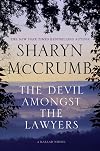
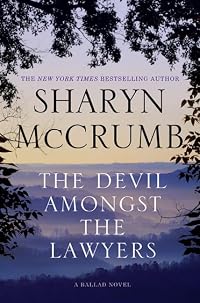
In the wake of a sensationalized 1934 trial involving an Appalachian Virginia teacher's alleged murder of her tyrant father, novice journalist Carl Jennings is denounced by a greedy media determined to portray the defendant as a backwards mountain girl.Tags
Recommendations







Member Recommendations
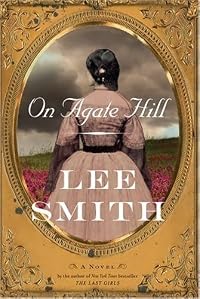
cbl_tn McCrumb's novel is a fictionalized account of the trial of Edith Maxwell.
Member Reviews
Sharyn McCrumb's 2010 novel “The Devil Amongst the Lawyers” is actually more about the devil amongst the newspaper reporters. It is based loosely on an actual murder case from the 1930s.
Reporters gather in little Wise, Va., less because the case is interesting than because the defendant, Erma Morton, is young and pretty. She is a schoolteacher accused of killing her drunken father. Because she is young and pretty, Erma expects the all-male jury to acquit her.
The trial itself occupies little of the novel. Mostly we read about three reporters and one photographer covering the trial.
Henry Jernigan is a big-name New York reporter known for his flowery prose. Yet Henry cannot focus his mind on the murder trial, for he is preoccupied with show more a tragedy he witnessed during his years of retreat in Japan.
Rose Hanlon, also from the big city, is considered a sob sister. Shade Baker, the photographer, works mostly outside the courtroom, getting pictures of principals entering or leaving, as well as shots of the surrounding countryside.
The fourth journalist, Carl Jennings, is a young man from the mountains still trying to make his name with a nearby newspaper.
The New York reporters sound like they could be working for the New York Times today, less interested in truth than in the story they want their readers to believe or the story their readers already believe. McCrumb stresses this point to excess, giving us line after line of Henry and Rose's cynical attitude toward truth"
"America expects things to be backward up here. So we're just showing people what they already know to be true."
"The truth is just what everybody believes."
"Truth is what you can convince people to believe."
"They wouldn't believe the truth if I told 'em, and they wouldn't like it if they did."
And so on.
Shade is directed to get pictures of hicks living in shacks, even though he finds it a challenge finding either. They are disappointed that most people in Wise seem pretty much like most people back East.
Only Carl attempts to tell the true story, yet he ultimately gets fired because his stories lack the color of the big-city reporters.
McCrumb flirts with the supernatural in her novel, yet she is the one who seems prophetic. show less
Reporters gather in little Wise, Va., less because the case is interesting than because the defendant, Erma Morton, is young and pretty. She is a schoolteacher accused of killing her drunken father. Because she is young and pretty, Erma expects the all-male jury to acquit her.
The trial itself occupies little of the novel. Mostly we read about three reporters and one photographer covering the trial.
Henry Jernigan is a big-name New York reporter known for his flowery prose. Yet Henry cannot focus his mind on the murder trial, for he is preoccupied with show more a tragedy he witnessed during his years of retreat in Japan.
Rose Hanlon, also from the big city, is considered a sob sister. Shade Baker, the photographer, works mostly outside the courtroom, getting pictures of principals entering or leaving, as well as shots of the surrounding countryside.
The fourth journalist, Carl Jennings, is a young man from the mountains still trying to make his name with a nearby newspaper.
The New York reporters sound like they could be working for the New York Times today, less interested in truth than in the story they want their readers to believe or the story their readers already believe. McCrumb stresses this point to excess, giving us line after line of Henry and Rose's cynical attitude toward truth"
"America expects things to be backward up here. So we're just showing people what they already know to be true."
"The truth is just what everybody believes."
"Truth is what you can convince people to believe."
"They wouldn't believe the truth if I told 'em, and they wouldn't like it if they did."
And so on.
Shade is directed to get pictures of hicks living in shacks, even though he finds it a challenge finding either. They are disappointed that most people in Wise seem pretty much like most people back East.
Only Carl attempts to tell the true story, yet he ultimately gets fired because his stories lack the color of the big-city reporters.
McCrumb flirts with the supernatural in her novel, yet she is the one who seems prophetic. show less
At first glance, the 8th book in Sharyn McCrumb’s award winning Ballad Series does not seem to belong with the others. For starters, the story takes place in depression-era Virginia rather than contemporary Tennessee, as do the rest of the books in the series. Furthermore, only one character from the series, seer-woman Nora Bonesteel, makes an appearance.
Nevertheless, there is much in this book to remind those of us who have come to love the series just what it is that is so appealing about it. The most obvious is the title. Each of the Ballad Series books is named for a folksong common to the Appalachian Mountains in which the books take place. ‘The Devil Amongst the Lawyers’, (AKA ‘Devil’s Dream’), is an old Scots Irish show more fiddle tune well known in bluegrass circles.
More important to readers, though, is McCrumb’s incredible ability to tell a story, be it historical or fiction. In most of her books she flips back and forth between two mysteries, one past and one present. The former is often McCrumb’s retelling of actual events that occurred in the region’s past. This time, though, she chooses to stay in the past for several reasons. One is that we get the chance to see Nora Bonesteel as a young woman when she is first coming to terms with ‘the Sight’ a family trait that makes her one of the most fascinating characters in contemporary American mysteries. It would be so easy for McCrumb to take a character that has premonitions and use her as a deus ex machina devise to solve the mystery, but fortunately she doesn’t do that. Instead, she lets Nora Bonesteel serve as a window to the soul of Appalachia that few outsiders bother to look through.
This brings us to the next reason McCrumb chose keep this book set entirely in 1935. A key element of all the Ballad Series books is McCrumb’s love for and treatment of Appalachia. By choosing the media circus atmosphere of a murder trial set in backwoods western Virginia, she can show us the dichotomy between Appalachia as most people perceive it and as it really is. To show us the former, McCrumb tells the story largely through the eyes of ‘big city reporters’ who swoop into a small town for a murder trial, writing their descriptions of the area before their train even arrives. Their interest is not in giving a realistic portrayal of the area but in showing readers what they already expect to see. If readers expect shacks and homespun wisdom, then that’s what they would get. On the flipside we have Carl Jenkins, a cub reporter from Tennessee and cousin of Nora. While he is thrilled to get the chance to work with the most famous journalists of the day, his approach to getting and telling the story is quite different. He’s more likely to be seen sitting around a stove sharing a bottle of bourbon with the town’s elders and quietly listening to what they have to say.
By coincidence, this is a book about expectations that differed from what I expected. In the end, though, I enjoyed it, even if it wasn’t what I expected. I highly recommend this addition to my favorite series of Sharyn McCrumb’s mysteries. show less
Nevertheless, there is much in this book to remind those of us who have come to love the series just what it is that is so appealing about it. The most obvious is the title. Each of the Ballad Series books is named for a folksong common to the Appalachian Mountains in which the books take place. ‘The Devil Amongst the Lawyers’, (AKA ‘Devil’s Dream’), is an old Scots Irish show more fiddle tune well known in bluegrass circles.
More important to readers, though, is McCrumb’s incredible ability to tell a story, be it historical or fiction. In most of her books she flips back and forth between two mysteries, one past and one present. The former is often McCrumb’s retelling of actual events that occurred in the region’s past. This time, though, she chooses to stay in the past for several reasons. One is that we get the chance to see Nora Bonesteel as a young woman when she is first coming to terms with ‘the Sight’ a family trait that makes her one of the most fascinating characters in contemporary American mysteries. It would be so easy for McCrumb to take a character that has premonitions and use her as a deus ex machina devise to solve the mystery, but fortunately she doesn’t do that. Instead, she lets Nora Bonesteel serve as a window to the soul of Appalachia that few outsiders bother to look through.
This brings us to the next reason McCrumb chose keep this book set entirely in 1935. A key element of all the Ballad Series books is McCrumb’s love for and treatment of Appalachia. By choosing the media circus atmosphere of a murder trial set in backwoods western Virginia, she can show us the dichotomy between Appalachia as most people perceive it and as it really is. To show us the former, McCrumb tells the story largely through the eyes of ‘big city reporters’ who swoop into a small town for a murder trial, writing their descriptions of the area before their train even arrives. Their interest is not in giving a realistic portrayal of the area but in showing readers what they already expect to see. If readers expect shacks and homespun wisdom, then that’s what they would get. On the flipside we have Carl Jenkins, a cub reporter from Tennessee and cousin of Nora. While he is thrilled to get the chance to work with the most famous journalists of the day, his approach to getting and telling the story is quite different. He’s more likely to be seen sitting around a stove sharing a bottle of bourbon with the town’s elders and quietly listening to what they have to say.
By coincidence, this is a book about expectations that differed from what I expected. In the end, though, I enjoyed it, even if it wasn’t what I expected. I highly recommend this addition to my favorite series of Sharyn McCrumb’s mysteries. show less
First Line: He had been there that day, all right.
Although I am a firm believer in the author's right to publish what they wish, I do want to be on record as saying that seven years is entirely too long to wait for a new Ballad novel. McCrumb's lyrical novels are love stories about the people and the places of Appalachia, and I have been enlightened and entertained with each one.
This eighth Ballad novel is based upon the 1935 trial of a young schoolteacher accused of murdering her father. The trial became a sensation, and newspapers all over the country latched onto it to boost sales.
As The Devil Amongst the Lawyers begins, the murder of crows is already winging its way to a small county in the Blue Ridge Mountains of Virginia. The show more chief crows in this case are newspaper reporters Henry Jernigan, Rose Hanelon, Luster Swann, and photographer Shade Baker. None of them have been to Appalachia before, but (with the logical exception of Shade) all of them have finished writing their first articles to be sent back to their respective newspapers. You see, you don't have to be in a place to know what it's like.
On a separate train is a young reporter from Johnson City, Tennessee: Carl Jennings. Jennings proceeds to investigate, to talk to people, and to send back truthful reports to his newspaper. As the days progress, Jennings is in hot water. His truthful reports have no resemblance whatsoever to the articles sent in by the New York City journalists, and his bosses wonder if he's really on location. In desperation, he asks the parents of his thirteen-year-old cousin, Nora Bonesteel, if Nora can come to help their cousin who's busy running a boarding house in town. Jennings is hoping that Nora's gift of the Sight will give him the edge in the journalistic competition.
If you've read previous Ballad novels and open this book with a set of preconceived expectations, you may very well be disappointed. Although it is wonderful to see Nora Bonesteel as a teenager, she has very little to do with the action. The mystery itself, even though it is interesting, doesn't have much meat on its bones.
The major impetus of this book is its cautionary tale about journalism and its power to distort and mislead. (Not that anything like this would ever happen today. Heavens, no!) All the New York-based characters of the Fourth Estate did not go to their destination with open minds. They all had preconceived ideas of what Appalachia was really like, and even though they could see they were wrong upon arrival, they all knew the truth would not sell papers. As Rose Hanelon frequently said by way of excusing her and her companions' shoddy journalism, it really didn't matter what they said because two days later all the papers would be at the bottoms of bird cages.
Few writers have McCrumb's sheer talent with language and dialogue to immerse readers into a particular place and time. Throughout this book, I felt as though I were walking the streets of a small town in the Appalachia of 1935. I was listening to the condescending voices of the New York City reporters, and watching the guarded, distrustful looks of the townspeople.
As the trial gains notoriety , it becomes less and less a matter of a young woman's innocence or guilt, and more and more a matter of what everyone else can gain at her expense. It is a strong, compelling tale with fascinating characters and a wonderful sense of place. It's not the typical Ballad novel that McCrumb's fans have come to love and expect, but that didn't prevent me from enjoying every page. show less
Although I am a firm believer in the author's right to publish what they wish, I do want to be on record as saying that seven years is entirely too long to wait for a new Ballad novel. McCrumb's lyrical novels are love stories about the people and the places of Appalachia, and I have been enlightened and entertained with each one.
This eighth Ballad novel is based upon the 1935 trial of a young schoolteacher accused of murdering her father. The trial became a sensation, and newspapers all over the country latched onto it to boost sales.
As The Devil Amongst the Lawyers begins, the murder of crows is already winging its way to a small county in the Blue Ridge Mountains of Virginia. The show more chief crows in this case are newspaper reporters Henry Jernigan, Rose Hanelon, Luster Swann, and photographer Shade Baker. None of them have been to Appalachia before, but (with the logical exception of Shade) all of them have finished writing their first articles to be sent back to their respective newspapers. You see, you don't have to be in a place to know what it's like.
On a separate train is a young reporter from Johnson City, Tennessee: Carl Jennings. Jennings proceeds to investigate, to talk to people, and to send back truthful reports to his newspaper. As the days progress, Jennings is in hot water. His truthful reports have no resemblance whatsoever to the articles sent in by the New York City journalists, and his bosses wonder if he's really on location. In desperation, he asks the parents of his thirteen-year-old cousin, Nora Bonesteel, if Nora can come to help their cousin who's busy running a boarding house in town. Jennings is hoping that Nora's gift of the Sight will give him the edge in the journalistic competition.
If you've read previous Ballad novels and open this book with a set of preconceived expectations, you may very well be disappointed. Although it is wonderful to see Nora Bonesteel as a teenager, she has very little to do with the action. The mystery itself, even though it is interesting, doesn't have much meat on its bones.
The major impetus of this book is its cautionary tale about journalism and its power to distort and mislead. (Not that anything like this would ever happen today. Heavens, no!) All the New York-based characters of the Fourth Estate did not go to their destination with open minds. They all had preconceived ideas of what Appalachia was really like, and even though they could see they were wrong upon arrival, they all knew the truth would not sell papers. As Rose Hanelon frequently said by way of excusing her and her companions' shoddy journalism, it really didn't matter what they said because two days later all the papers would be at the bottoms of bird cages.
Few writers have McCrumb's sheer talent with language and dialogue to immerse readers into a particular place and time. Throughout this book, I felt as though I were walking the streets of a small town in the Appalachia of 1935. I was listening to the condescending voices of the New York City reporters, and watching the guarded, distrustful looks of the townspeople.
As the trial gains notoriety , it becomes less and less a matter of a young woman's innocence or guilt, and more and more a matter of what everyone else can gain at her expense. It is a strong, compelling tale with fascinating characters and a wonderful sense of place. It's not the typical Ballad novel that McCrumb's fans have come to love and expect, but that didn't prevent me from enjoying every page. show less
All the descriptions of this book start out with something like this: "In 1936 a pretty young schoolteacher was put on trial for murdering her father in the hills of Virginia." This sounds like vintage McCrumb...taking an actual legal case, often one that became the stuff of legend and ballad, and turning it into a grand reading experience. Maybe her story fills in gaps in motivation, or offers a solution to an unsolved mystery. Surely it presents interesting, likeable or despicable characters for the reader to become invested in.
The Devil Amongst the Lawyers, however, is not from that mold. First of all, as McCrumb has pointed out herself, this is definitely not a crime novel. The trial barely features in the narrative at all. We never show more witness the crime itself until the final chapter, but from pretty early on I was quite sure I knew “what really happened” in the Morton kitchen the night Pollock Morton died and his daughter Erma ended up charged with murder. Several journalists arrive in Wise County to follow the trial, and it is their stories we eventually learn as they scope out ways to present a fairly dull tale to readers back home. Wise County is not the hillbilly heaven sophisticates in Knoxville and New York purportedly believe in and want to read about. Nobody is wearing poke bonnets or spitting tobacco in the street, and the houses look much like houses in small towns all over the country---no one-room shacks with sagging porches and packs of hound dogs bayng at strangers. So...no one will be the wiser if photos are staged and paid for, and the facts are embellished or slanted to fit the stereotypes. What else can be done, anyway, when the accused woman’s brother has made a deal with the Hearst newspaper syndicate giving their reporters exclusive access to Erma. One young local reporter on his first big assignment truly does want to tell it straight, but his efforts...and his career...are doomed. With one exception, the rest of the journalistic crowd are fairly uninteresting. Henry Jernigan, a man with a national reputation, refined tastes, a love for Japanese culture and a terror of fire, would have been subject matter for a book all by himself. I was much more curious about his back story as it unspooled than I was about any of the others, or the outcome of the trial.
In its favor, this book could easily stand alone---there is a piece of Nora Bonesteel's young life woven in, which I'm glad to know about, but which does not need any familiarity with her from the other novels to make sense. Possibly someone who did not already love McCrumb for the fine Appalachian characters and settings would see this book in a completely different light. There is a lot of good stuff in here about contrasting cultures; misunderstanding the other; the concept of truth---when it matters and when it doesn't; societal constraints and the primacy of appearances. What is lacking is a good story to wrap all that up in. It reads way too much like a treatise on these subjects at times, and I found it repetitive, even tedious in making points which were obvious right quick. I do see what the author was doing; I just felt she was a bit heavy-handed with it. show less
The Devil Amongst the Lawyers, however, is not from that mold. First of all, as McCrumb has pointed out herself, this is definitely not a crime novel. The trial barely features in the narrative at all. We never show more witness the crime itself until the final chapter, but from pretty early on I was quite sure I knew “what really happened” in the Morton kitchen the night Pollock Morton died and his daughter Erma ended up charged with murder. Several journalists arrive in Wise County to follow the trial, and it is their stories we eventually learn as they scope out ways to present a fairly dull tale to readers back home. Wise County is not the hillbilly heaven sophisticates in Knoxville and New York purportedly believe in and want to read about. Nobody is wearing poke bonnets or spitting tobacco in the street, and the houses look much like houses in small towns all over the country---no one-room shacks with sagging porches and packs of hound dogs bayng at strangers. So...no one will be the wiser if photos are staged and paid for, and the facts are embellished or slanted to fit the stereotypes. What else can be done, anyway, when the accused woman’s brother has made a deal with the Hearst newspaper syndicate giving their reporters exclusive access to Erma. One young local reporter on his first big assignment truly does want to tell it straight, but his efforts...and his career...are doomed. With one exception, the rest of the journalistic crowd are fairly uninteresting. Henry Jernigan, a man with a national reputation, refined tastes, a love for Japanese culture and a terror of fire, would have been subject matter for a book all by himself. I was much more curious about his back story as it unspooled than I was about any of the others, or the outcome of the trial.
In its favor, this book could easily stand alone---there is a piece of Nora Bonesteel's young life woven in, which I'm glad to know about, but which does not need any familiarity with her from the other novels to make sense. Possibly someone who did not already love McCrumb for the fine Appalachian characters and settings would see this book in a completely different light. There is a lot of good stuff in here about contrasting cultures; misunderstanding the other; the concept of truth---when it matters and when it doesn't; societal constraints and the primacy of appearances. What is lacking is a good story to wrap all that up in. It reads way too much like a treatise on these subjects at times, and I found it repetitive, even tedious in making points which were obvious right quick. I do see what the author was doing; I just felt she was a bit heavy-handed with it. show less
The Devil Amongst the Lawyers is the tale of a 1935 trial in Wise County, Virginia, which gains national attention because of two factors: the country (or the newspaper business, at least) is hungry for a new sensation now that the Lindbergh kidnapping has run its course - and the defendant is pretty. The one thing the journalistic community in this book is honest about is that had she been ten years older or half as pretty no one would have paid the least attention outside her own community.
The book features three journalists: Henry Jernigan, with his reputation for high-toned writing and literary reference (when he thinks his audience will "get it"); Rose, a "sob sister", following as all woman reporters of the time do the emotional show more angle and grateful (as they all are) that the girl really is attractive; both Henry and Rose are from a major newspaper (though not as major as the syndicate that paid for exclusive access to the defendant, in a move that stinks to high heaven from every angle). The third journalist is Carl, a nineteen-year-old just beginning his journalistic career at a tiny hometown paper, and hoping that this will be his break.
There is also Shade, the photographer sent with Henry and Rose, who goes out seeking broken down cabins to take pictures of for the story (preferably one with a pig on the porch) and has a terrible hard time finding one; and Nora Bonesteel, here aged 12, the ghost-touched old lady who is the common thread through the Ballad novels.
The writing is beautiful. The characters – from the old men who try to give Carl a bit of a break to the ones we spend the most time with – are wonderful – Henry with his Japanese ghosts, and Rose with her "dog fox" light o' love Danny, and Carl with his clear-eyed read of the facts battling with what would further his career and get him out of the sticks. And Nora, with her gift that no one understands … I found the ending disturbing, in a way, because it fell out so very differently from what I still – credulous, naïve gull that I am – hoped would be the result of a properly held trial covered by experienced reporters.
The story of the elephant in the prologue is true, I'm sorry to say. The story of Erma Morton is true, or the basic facts are - her name was really Edith Maxwell. I'm sorry to say that, too, because that means that the rest of it is probably close to truth. A beautiful, sad, disheartening book.
Longer version on http://agoldoffish.wordpress.com/ show less
The book features three journalists: Henry Jernigan, with his reputation for high-toned writing and literary reference (when he thinks his audience will "get it"); Rose, a "sob sister", following as all woman reporters of the time do the emotional show more angle and grateful (as they all are) that the girl really is attractive; both Henry and Rose are from a major newspaper (though not as major as the syndicate that paid for exclusive access to the defendant, in a move that stinks to high heaven from every angle). The third journalist is Carl, a nineteen-year-old just beginning his journalistic career at a tiny hometown paper, and hoping that this will be his break.
There is also Shade, the photographer sent with Henry and Rose, who goes out seeking broken down cabins to take pictures of for the story (preferably one with a pig on the porch) and has a terrible hard time finding one; and Nora Bonesteel, here aged 12, the ghost-touched old lady who is the common thread through the Ballad novels.
The writing is beautiful. The characters – from the old men who try to give Carl a bit of a break to the ones we spend the most time with – are wonderful – Henry with his Japanese ghosts, and Rose with her "dog fox" light o' love Danny, and Carl with his clear-eyed read of the facts battling with what would further his career and get him out of the sticks. And Nora, with her gift that no one understands … I found the ending disturbing, in a way, because it fell out so very differently from what I still – credulous, naïve gull that I am – hoped would be the result of a properly held trial covered by experienced reporters.
The story of the elephant in the prologue is true, I'm sorry to say. The story of Erma Morton is true, or the basic facts are - her name was really Edith Maxwell. I'm sorry to say that, too, because that means that the rest of it is probably close to truth. A beautiful, sad, disheartening book.
Longer version on http://agoldoffish.wordpress.com/ show less
 This review was written for LibraryThing Early Reviewers.
I was really back-and-forth about this book. I love Sharyn McCrumb's Ballad series, but this one doesn't seem to quite fit with the rest, despite the presence of a very young Nora Bonesteel.
Based on the true story of Edith Maxwell, a young schoolteacher who was tried for murdering her father, this novel could have been written about a lot of high publicity trials today. Just as today, journalists tried to fit events into a pre-determined mold, not caring if what they said was true or not. McCrumb describes them coming down to the Blue Ridge from the cities of the North, expecting poverty and ignorance, and, when that's not what they found, saying it was, anyway. They decided first whether they wanted Erma Morton (the Edith Maxwell show more character) to be guilty or not, and wrote their stories accordingly. (Remind anyone of broadcasters like Nancy Grace?) The journalists aren't the only ones using Morton for their own ends. Her brother, the townsfolk, all have their reasons for wanting a particular outcome.
Into this mix comes a young journalist from Tennessee, Carl Jenkins, who knows this land and its people, and is shocked by the way the experts are covering the trial. Yet he is not immune. When his newspaper wants more "oomph" to his stories, he hits on the idea of bringing his young relative, Nora Bonesteel, to town. She has the "sight", and maybe she will "see" the truth and help him with his stories. Of course, she can't, because, as she tells Carl, "it doesn't work that way".
McCrumb has given her journalists interesting back stories that inform their present, the celebrity journalist Henry Jernigan and his years in Japan, sob sister Rose Hanelon and her yearning for love, Carl Jenkins and his need to fit in and "be somebody". I almost wish she hadn't wrapped up their futures in an epilogue, because I could have stood to have had them back again.
I think my small dissatisfaction with a novel I truly enjoyed otherwise was a sense that the "Ballad" part was just lying on top of the plot, rather than being an integral part of it. The story was good enough that it could have stood on its own.
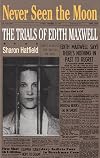
There's a non-fiction book about this trial, Sharon Hatfield's Never Seen the Moon, that I'm going to look for. show less
Based on the true story of Edith Maxwell, a young schoolteacher who was tried for murdering her father, this novel could have been written about a lot of high publicity trials today. Just as today, journalists tried to fit events into a pre-determined mold, not caring if what they said was true or not. McCrumb describes them coming down to the Blue Ridge from the cities of the North, expecting poverty and ignorance, and, when that's not what they found, saying it was, anyway. They decided first whether they wanted Erma Morton (the Edith Maxwell show more character) to be guilty or not, and wrote their stories accordingly. (Remind anyone of broadcasters like Nancy Grace?) The journalists aren't the only ones using Morton for their own ends. Her brother, the townsfolk, all have their reasons for wanting a particular outcome.
Into this mix comes a young journalist from Tennessee, Carl Jenkins, who knows this land and its people, and is shocked by the way the experts are covering the trial. Yet he is not immune. When his newspaper wants more "oomph" to his stories, he hits on the idea of bringing his young relative, Nora Bonesteel, to town. She has the "sight", and maybe she will "see" the truth and help him with his stories. Of course, she can't, because, as she tells Carl, "it doesn't work that way".
McCrumb has given her journalists interesting back stories that inform their present, the celebrity journalist Henry Jernigan and his years in Japan, sob sister Rose Hanelon and her yearning for love, Carl Jenkins and his need to fit in and "be somebody". I almost wish she hadn't wrapped up their futures in an epilogue, because I could have stood to have had them back again.
I think my small dissatisfaction with a novel I truly enjoyed otherwise was a sense that the "Ballad" part was just lying on top of the plot, rather than being an integral part of it. The story was good enough that it could have stood on its own.
There's a non-fiction book about this trial, Sharon Hatfield's Never Seen the Moon, that I'm going to look for. show less
I generally really enjoy McCrumb's books. This one was just interesting enough to keep me reading, but just barely. She's decided to write a polemic about how Big City Northern Journalists Lie and Slander Good Honest Southern People, and boy howdy does she hammer you over the head with it. She'd be much more effective in achieving her goal if she just wrote the action to reveal that, but she does that _and_ has virtually every character do an info dump on the topic, too. It gets very tiresome.
Members
- Recently Added By
Lists

Books Read in 2018
4,360 works; 110 members
Author Information

86+ Works 15,018 Members
Sharyn McCrumb was born in Wilmington, North Carolina on February 26, 1948. She graduated from the University of North Carolina at Chapel Hill and received an M.A. in English from Virginia Tech. Her novels include the Elizabeth MacPherson series and the Ballad series. St. Dale won a 2006 Library of Virginia Award and the Appalachian Writers show more Association Book of the Year Award. Ghost Riders won the Wilma Dykeman Award for Literature and the Audie Award for Best Recorded Book. She has received numerous awards for her work including the Sherwood Anderson Short Story Award, the Perry F. Kendig Award for Achievement in Literary Arts, the Chaffin Award for Southern Literature, and the Plattner Award for Short Story. In 2014, she received the Mary Frances Hobson Prize for Southern Literature by North Carolina's Chowan University. (Bowker Author Biography) show less
Series

Common Knowledge
- Canonical title
- The Devil Amongst the Lawyers
- Original publication date
- 2010
- People/Characters
- Nora Bonesteel; Henry Jernigan; Rose Hanelon; Carl Jennings; Erma Morton; Luster Swann
- Important places
- Virginia, USA; Wise, Virginia, USA; Japan
- Dedication
- In memory of
Dr. John D. Richards - First words
- He had been there that day, all right.
- Last words
- (Click to show. Warning: May contain spoilers.)"...I think that will tell you more than I can."
- Canonical DDC/MDS
- 813.54
- Canonical LCC
- PS3563.C3527
Classifications
Statistics
- Members
- 385
- Popularity
- 80,868
- Reviews
- 43
- Rating
- (3.36)
- Languages
- English
- Media
- Paper, Audiobook, Ebook
- ISBNs
- 13
- ASINs
- 5