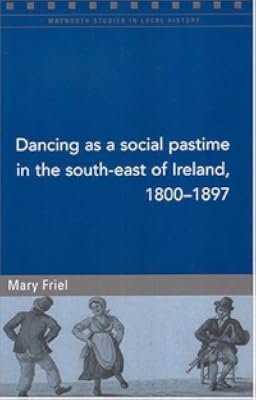
Dancing as a Social Pastime in the South-east of Ireland, 1800-97 (Maynooth Studies in Local History)
by Mary Friel
Maynooth Studies in Local History (54)
On This Page
Description
At the beginning of the nineteenth century, dancing was viewed as a necessary social skill and dancing masters and musicians were found throughout Ireland to cater for all classes. From the charitable ball of the gentry to the Sunday afternoon gathering at the crossroads, dancing was an integral part of life in the early 1800s. As with other elements of Irish life, the practice of dance underwent great change in this century. From being a desirable accomplishment it became an activity show more associated with drunkenness and debauchery until, at the end of the century, it was given new ideological impetus due to the efforts of the Gaelic League. Focusing on Wexford in particular, this innovative study examines the role of dance and its associated partner, music, in the social lives of the people of south-east Ireland. It deals with the diminishing role of the dancing master as the century progressed. It also details the occasions on which people danced and the various dances they performed. show lessTags
Members
- Recently Added By
Author Information
1 Work 8 Members
Series

Classifications
Statistics
- Members
- 8
- Popularity
- 2,507,192
- Languages
- English
- Media
- Paper
- ISBNs
- 1