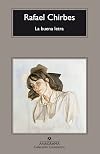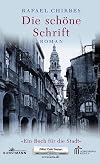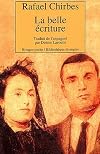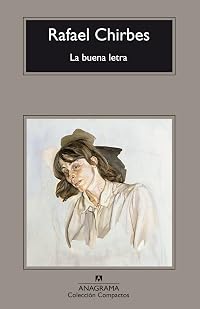
La buena letra
by Rafael Chirbes
On This Page
Description
The reissue of a masterpiece. A memory woven of silences, betrayals and wounds that never heal. A moving, sober and truthful story, where the author renounces narrating the great historical events to focus his attention on the intimate and everyday, on the set of gestures and silences that mark the lives of characters wounded by betrayal and disloyalty; the frustrated desires and hopelessness of a useless suffering to the extent that it only serves to feed the voracity of others.Tags
Recommendations




















Member Reviews
This innocent-looking novella sneaks up on you with an almost Balzac-like punch. It's a monologue, split up into very short chapters, addressed by Ana to her son, and looking back on her life since the end of the Civil War. At the heart of the story is Ana's difficult relationship with her sister-in-law Isabella and the psychological scars that the war has left on both of them, which Ana explores in depth as she digs back into her memories, but without ever generalising: everything is very local, domestic, even claustrophobic. Ana is strictly working-class; Isabella has been servant to a middle-class family and is socially-ambitious, as symbolised by her elegant handwriting ("b's and l's like the masts of sailing ships") and her habit show more of recording her thoughts in a diary, even when nothing has happened (the buena letra of the title can refer equally well to either handwriting or literature).
Chirbes lets us do any generalising ourselves: he wants us to see that time doesn't necessarily heal wounds, that injustices have a way of growing and deepening, and that when death intervenes it does so cruelly and irreversibly, not poetically.
Chirbes explains in an introductory note to the 2000 edition that he has removed a final chapter included in the original version that provided some sort of resolution to the story. With hindsight, he sees this as mere "voluntarismo literario", the author imposing his will on the text for the sake of convention. Presumably there's a bit more going on here as well: the external circumstances of the author's early life seem to match those of the story quite closely, so there is likely to be at least an element of his own mother's story in the character of Ana.
A lovely study of a working-class woman of the generation whose husbands fought in the Civil War, but quite an emotionally demanding read. show less
Chirbes lets us do any generalising ourselves: he wants us to see that time doesn't necessarily heal wounds, that injustices have a way of growing and deepening, and that when death intervenes it does so cruelly and irreversibly, not poetically.
Chirbes explains in an introductory note to the 2000 edition that he has removed a final chapter included in the original version that provided some sort of resolution to the story. With hindsight, he sees this as mere "voluntarismo literario", the author imposing his will on the text for the sake of convention. Presumably there's a bit more going on here as well: the external circumstances of the author's early life seem to match those of the story quite closely, so there is likely to be at least an element of his own mother's story in the character of Ana.
A lovely study of a working-class woman of the generation whose husbands fought in the Civil War, but quite an emotionally demanding read. show less
Deliciosamente escrito. Canto con tan pouco!
Deliciosamente escrito. Canto con tan pouco!
Muy emocionante
Was het in “Het schot van de jager” een oude man die de balans van zijn leven opmaakte, in dit boek is een vrouw aan het woord. Zij vertelt haar geschiedenis die grotendeels parallel loopt met de ontwikkelingen tijdens en na de Spaanse burgeroorlog. Het boek verhaalt van verloren levens die -getekend als ze zijn- niet tot volle wasdom kunnen komen. Armoede wordt weliswaar overwonnen doch het welzijn wordt niet bereikt: “het hemelwater dat viel en langs de ruiten liep, dat waren we zelf, onze dromen, die op de aarde vielen en daar veranderden in modder die we nooit van ons zouden kunnen afwassen. Er was niets meer over van onze jeugd.”
Dat zijn de woorden van een generatie die het niet heeft gered, sommigen wisten zich aan te show more passen maar uiteindelijk wonnen zij er weinig mee.
Het boek eindigt veelzeggend met de woorden van de vrouw: “vannacht moest ik denken aan wat je vader me ooit vertelde, dat zeelieden weigeren om te leren zwemmen, zodat ze in het geval van een schipbreuk meteen verdrinken en geen tijd hebben om te lijden”. En tot slot mijmert zij: “ik heb volgehouden, ben moe geworden in de strijd, en ben er uiteindelijk achter gekomen dat alle inspanning geen enkele zin heeft gehad, Nu wacht ik alleen nog”.
Wederom: een pareltje ! show less
Dat zijn de woorden van een generatie die het niet heeft gered, sommigen wisten zich aan te show more passen maar uiteindelijk wonnen zij er weinig mee.
Het boek eindigt veelzeggend met de woorden van de vrouw: “vannacht moest ik denken aan wat je vader me ooit vertelde, dat zeelieden weigeren om te leren zwemmen, zodat ze in het geval van een schipbreuk meteen verdrinken en geen tijd hebben om te lijden”. En tot slot mijmert zij: “ik heb volgehouden, ben moe geworden in de strijd, en ben er uiteindelijk achter gekomen dat alle inspanning geen enkele zin heeft gehad, Nu wacht ik alleen nog”.
Wederom: een pareltje ! show less
Mar 11, 2009Dutch
1
Ana le cuenta a su hijo fragmentos de una vida de pequeñas miserias con las que se han tejido las relaciones personales y familiares. El autor renuncia a narrar los grandes acontecimientos históricos para poner su foco de atención en lo íntimo y cotidiano, en las vidas de unos personajes heridos por la traición y la deslealtad. La buena letra se convierte en deudora de la concepción balzaquiana según la cual la novela es la historia privada de las naciones y descubre los mecanismos que funcionan como silencioso motor de la historia, en cuyo devenir toda generación se levanta sobre las cenizas de otra y cada vez que el poder cambia de manos lo hace bajo el signo de la traición y de un sufrimiento que, siendo inútil, es también show more una forma descarnada de lucidez. show less
Jul 5, 2022Spanish
Novela intimista, que narra la vida cotidiana de dos mujeres, Ana e Isabel, a través del relato que la primera hace para su hijo, para explicarle no sólo sus vivencias, sus anhelos, sus desilusiones... sino su sufrimiento, que ella ahora ve inútil, porque no ha sido capaz de trasmitir a su hijo su único legado: ese amor, ese darse a los demás, por encima de sus propios intereses...
La trama se desarrolla poco antes de la guerra civil y en la inmediata postguerra, enlazando al momento actual.
En esta novela es mucho más importante lo que se insinúa que lo que realmente se cuenta. Fué escrita diez años antes, en 1992, pero ahora el autor la ha revisado e "amputado" el último capítulo. según sus propias palabras: "no es misión show more del tiempo corregir injusticas, sino más bien hacerlas más profundas" (pag.10) show less
La trama se desarrolla poco antes de la guerra civil y en la inmediata postguerra, enlazando al momento actual.
En esta novela es mucho más importante lo que se insinúa que lo que realmente se cuenta. Fué escrita diez años antes, en 1992, pero ahora el autor la ha revisado e "amputado" el último capítulo. según sus propias palabras: "no es misión show more del tiempo corregir injusticas, sino más bien hacerlas más profundas" (pag.10) show less
Jun 2, 2013Spanish
Members
- Recently Added By
Published Reviews
ThingScore 75
Als Leser muß man die Schwermut und permanente Vergänglichkeit aushalten können. Gelingt dieses, dann erhält man durch Chirbes einen eindringlichen erzählerischen Einblick in die spanische Befindlichkeit jener Jahre. Wer etwas über Spaniens Gesellschaft, über ihre tiefverwurzelte Melancholie erfahren möchte, sollte "Der lange Marsch" und "Die schöne Schrift" lesen. Wer sie sucht, show more findet sie in seinen Büchern. show less
added by Indy133
Author Information

27+ Works 1,282 Members
Awards and Honors
Distinctions
Notable Lists
Series
Belongs to Publisher Series
Common Knowledge
- Original title
- La buena letra
- Original publication date
- 1992
- Important places
- Spain
Classifications
Statistics
- Members
- 129
- Popularity
- 253,754
- Reviews
- 13
- Rating
- (4.02)
- Languages
- 5 — Dutch, English, French, German, Spanish
- Media
- Paper, Audiobook, Ebook
- ISBNs
- 20
- ASINs
- 2