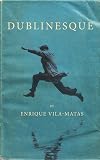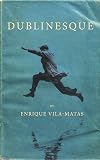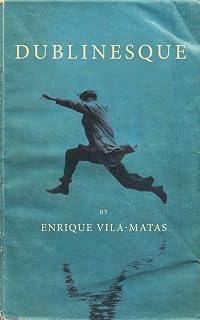
Dublinesque
by Enrique Vila-Matas
On This Page
Description
Inspired by a dream, a retired publisher spontaneously embarks on a trip to the Dublin cemetery in which a character from Joyce's "Ulysses" was buried, where he meets a mysterious person who resembles Samuel Beckett.Tags
Recommendations










Member Reviews
‘Dublinesca’ es un hermoso viaje por la literatura, es toda una fiesta para los amantes de la vida hecha literatura. Tenemos la visión de un Vila-Matas imbuido por las citas y la metaliteratura, que no gustan a todo el mundo, por lo que el autor tiene una cierta fama de pedante y aburrido. Nada más lejos de la verdad. ‘Dublinesca’ es un conmovedor viaje literario, apasionado y apasionante, que te arrastra en esa búsqueda existencial de la mano del bueno de Samuel Riba.
Samuel Riba, el protagonista, es un barcelonés que roza los sesenta años. Tenía una editorial que le reportó cierta fama por la calidad de su catálogo, ya que Riba se preocupaba mucho tanto de los escritores como de las obras que editaba. Ahora Riba vive show more inmerso en los libros, enfermo de literatura como el propio Vila-Matas.
Riba, abstemio desde hace dos años, cuando estuvo muy enfermo, vive con su mujer, Celia, que quiere convertirse en budista, y también visita todos los miércoles a sus padres, a los que les habla de los viajes que ha realizado a distintos países por razones de trabajo, asistencia a ferias y demás. Entre sus aficiones está navegar por Internet durante horas y horas, buscando confirmación a sus ideas sobre literatura, o simplemente mirar por la ventana para observar lo cotidiano.
Entre sus meditaciones, se encuentra el pensamiento de la muerte de la imprenta, de la Galaxia Gutenberg, a favor de la era digital. Y es que se está acabando un modo de hacer las cosas. Es entonces cuando improvisa una viaje a Dublín para el 16 de junio, justamente el Bloomsday, el día en que transcurre la famosa novela ‘Ulises’ de James Joyce, cumbre literaria donde las haya, y de este modo, imitando al capítulo sexto de esta obra, celebrar un funeral en homenaje a la era Gutenberg. Y este es el nudo de la historia, el llamado “salto inglés” de Riba, que ya está harto de lo francés y quiere ahora probar con lo inglés. Aunque también habría que añadir la otra gran obsesión de Riba, la búsqueda de ese gran genio autor de obras maestras que nunca pudo encontrar para publicarle, obsesión que arrastrará durante su periplo dublinés.
No cabe duda de que ‘Ulises’ y James Joyce son importantes en la novela, pero también lo son Beckett, Larkin, Yeats, Vilém Vok, Georges Perec, Edward Hopper, Borges y muchos más. El texto de Vila-Matas contiene referencias constantes a estos autores, pero que nadie se crea que esto hace de ‘Dublinesca’ una novela aburrida y pedante, todo lo contrario, porque Vila-Matas, si algo sabe hacer bien, es insertar subtextos en sus historias como nadie, haciendo de ello una obra más amena aún si cabe.
‘Dublinesca’ es todo un festín para el lector avezado, un viaje melancólico y poético, no exento de humor. Vila-Matas ha escrito su obra más profunda hasta la fecha. Maravillosa.
Samuel Riba, el protagonista, es un barcelonés que roza los sesenta años. Tenía una editorial que le reportó cierta fama por la calidad de su catálogo, ya que Riba se preocupaba mucho tanto de los escritores como de las obras que editaba. Ahora Riba vive show more inmerso en los libros, enfermo de literatura como el propio Vila-Matas.
[…] tenía una notable tendencia a leer su propia vida siempre como un libro.
¿Cuántas veces ha tenido que oír que leía su vida de un modo anómalo, como si fuera un texto literario?
Riba, abstemio desde hace dos años, cuando estuvo muy enfermo, vive con su mujer, Celia, que quiere convertirse en budista, y también visita todos los miércoles a sus padres, a los que les habla de los viajes que ha realizado a distintos países por razones de trabajo, asistencia a ferias y demás. Entre sus aficiones está navegar por Internet durante horas y horas, buscando confirmación a sus ideas sobre literatura, o simplemente mirar por la ventana para observar lo cotidiano.
Entre sus meditaciones, se encuentra el pensamiento de la muerte de la imprenta, de la Galaxia Gutenberg, a favor de la era digital. Y es que se está acabando un modo de hacer las cosas. Es entonces cuando improvisa una viaje a Dublín para el 16 de junio, justamente el Bloomsday, el día en que transcurre la famosa novela ‘Ulises’ de James Joyce, cumbre literaria donde las haya, y de este modo, imitando al capítulo sexto de esta obra, celebrar un funeral en homenaje a la era Gutenberg. Y este es el nudo de la historia, el llamado “salto inglés” de Riba, que ya está harto de lo francés y quiere ahora probar con lo inglés. Aunque también habría que añadir la otra gran obsesión de Riba, la búsqueda de ese gran genio autor de obras maestras que nunca pudo encontrar para publicarle, obsesión que arrastrará durante su periplo dublinés.
No cabe duda de que ‘Ulises’ y James Joyce son importantes en la novela, pero también lo son Beckett, Larkin, Yeats, Vilém Vok, Georges Perec, Edward Hopper, Borges y muchos más. El texto de Vila-Matas contiene referencias constantes a estos autores, pero que nadie se crea que esto hace de ‘Dublinesca’ una novela aburrida y pedante, todo lo contrario, porque Vila-Matas, si algo sabe hacer bien, es insertar subtextos en sus historias como nadie, haciendo de ello una obra más amena aún si cabe.
Los escritores fallan a los lectores, pero también ocurre al revés y los lectores les fallan a los escritores cuando sólo buscan en éstos la confirmación de que el mundo es como lo ven ellos.
‘Dublinesca’ es todo un festín para el lector avezado, un viaje melancólico y poético, no exento de humor. Vila-Matas ha escrito su obra más profunda hasta la fecha. Maravillosa.
A Riba siempre le ha parecido que los libros que uno ama apasionadamente producen la sensación, cuando los abres por primera vez, de que siempre estuvieron ahí: aparecen en ellos lugares en los que no has estado, cosas que uno antes nunca ha visto ni oído, pero el acople de la memoria personal con esos lugares o cosas es tan rotundo que de algún modo acabas pensando que has estado allí.show less
If one doesn't know and love Ulysses, would Dublinesque be enjoyable, or even readable? If one does, it's the sort of treat The House of Ulysses is, only better because the plot is engaging and the cavalcade of writers present in the book or talked about creates a separate area of interest which works well with the angst of the financially bankrupted literary publisher who is our hero, Samuel Riba, a Spaniard who devises a very different sort of Bloomsday ritual.
The translation team of Anne McLean and Rosalind Harvey has invisibly and fluidly made the English novel from the Spanish one, and I was grateful at several points for their natural, graceful handling of issues that could have distracted the reader.
Embedded within the book are show more homages to the writers' paradises of Dublin and New York City, and a peculiar and illusive tribute to Samuel Beckett along with the clear one to Joyce. Two sentences might suggest the quality of the tributes:
"Only he--no one else--knows that on the one hand, it's true there are those serious slight discomforts, with their monotonous sound, similar to rain, occupying the bitterest side of his days. And on the other, the tiny great events: his private promenade, for example, along the length of the bridge linking the almost excessive world of Joyce with Beckett's more laconic one, and which, in the end, is the main trajectory--as brilliant as it is depressing--of the great literature of recent decades: the one that goes from the richness of one Irishman to the deliberate poverty of the other; from Gutenberg to Google; from the existence of the sacred (Joyce) to the somber era of the disappearance of God (Beckett)." (p. 100-101)
The narration can best be described as third-person first person, employing "he" throughout but never leaving Riba's mind and presenting pages-long ruminations on writing, publishing, success, renown, and the elusive nature of satisfaction. Through some sort of narrational magic, this odd form feels closer to the subject than the first person would, and provides a solid platform for Riba's deep wondering about publishing as nurturing art, as an art itself -- and as a surrogate for art undared. show less
The translation team of Anne McLean and Rosalind Harvey has invisibly and fluidly made the English novel from the Spanish one, and I was grateful at several points for their natural, graceful handling of issues that could have distracted the reader.
Embedded within the book are show more homages to the writers' paradises of Dublin and New York City, and a peculiar and illusive tribute to Samuel Beckett along with the clear one to Joyce. Two sentences might suggest the quality of the tributes:
"Only he--no one else--knows that on the one hand, it's true there are those serious slight discomforts, with their monotonous sound, similar to rain, occupying the bitterest side of his days. And on the other, the tiny great events: his private promenade, for example, along the length of the bridge linking the almost excessive world of Joyce with Beckett's more laconic one, and which, in the end, is the main trajectory--as brilliant as it is depressing--of the great literature of recent decades: the one that goes from the richness of one Irishman to the deliberate poverty of the other; from Gutenberg to Google; from the existence of the sacred (Joyce) to the somber era of the disappearance of God (Beckett)." (p. 100-101)
The narration can best be described as third-person first person, employing "he" throughout but never leaving Riba's mind and presenting pages-long ruminations on writing, publishing, success, renown, and the elusive nature of satisfaction. Through some sort of narrational magic, this odd form feels closer to the subject than the first person would, and provides a solid platform for Riba's deep wondering about publishing as nurturing art, as an art itself -- and as a surrogate for art undared. show less
Retired Barcelona publisher Samuel Riba plans a trip to Dublin for Bloomsday, 2008 with a group of writer-friends. As well as following in the footsteps of Joyce's characters, he wants to use the occasion to hold a funeral for the Gutenberg Age. He's a recovering alcoholic whose wife has threatened to leave him the next time he gets drunk: what could possibly go wrong in Dublin...?
As you might expect from Vila-Matas, this is a very intertextual book, about someone who always seems to end up seeing the world in terms of what writers have said about it in books. And who suffers from "publisher's disease", always expecting to see the next Great Writer popping up from under a bush. But there's also the feeling that the whole structure of show more literature that he has devoted his life to has been demolished whilst he wasn't looking, brick by brick from the inside, by Beckett, the anti-Joyce of his conceptual universe.
Riba is only too aware that since giving up his professional activities he's come close to becoming a hikikomori, reluctant to leave the house and get too far away from the screen of his computer. Even if Google means the end of the printed book, it is an amazingly powerful aid to following intertextual streams of thought in wild and unexpected directions, and Riba can't get enough of it.
It should be a depressing book, with its themes of old age, loneliness, alcoholism, the death of the printed book, wet weather, graveyards, and so on, not to mention the sinister unidentified figure who keeps popping up in the corner of the frame — is it the author Riba keeps seeing, or the young Beckett, or someone else altogether? But the mood is oddly upbeat. The narrator sticks to third-person (although this feels like a very first-person sort of a book) in order to keep an ironic distance away from Riba, and it is obvious that neither the narrator, nor the reader, nor Riba himself, can possibly take Riba and his literary obsessions quite seriously. As in the Philip Larkin poem that gives Vila-Matas his title, this is a very jolly kind of funeral. show less
As you might expect from Vila-Matas, this is a very intertextual book, about someone who always seems to end up seeing the world in terms of what writers have said about it in books. And who suffers from "publisher's disease", always expecting to see the next Great Writer popping up from under a bush. But there's also the feeling that the whole structure of show more literature that he has devoted his life to has been demolished whilst he wasn't looking, brick by brick from the inside, by Beckett, the anti-Joyce of his conceptual universe.
Riba is only too aware that since giving up his professional activities he's come close to becoming a hikikomori, reluctant to leave the house and get too far away from the screen of his computer. Even if Google means the end of the printed book, it is an amazingly powerful aid to following intertextual streams of thought in wild and unexpected directions, and Riba can't get enough of it.
It should be a depressing book, with its themes of old age, loneliness, alcoholism, the death of the printed book, wet weather, graveyards, and so on, not to mention the sinister unidentified figure who keeps popping up in the corner of the frame — is it the author Riba keeps seeing, or the young Beckett, or someone else altogether? But the mood is oddly upbeat. The narrator sticks to third-person (although this feels like a very first-person sort of a book) in order to keep an ironic distance away from Riba, and it is obvious that neither the narrator, nor the reader, nor Riba himself, can possibly take Riba and his literary obsessions quite seriously. As in the Philip Larkin poem that gives Vila-Matas his title, this is a very jolly kind of funeral. show less
Un libro che è come un ponte tra la galassia Gutenberg e la galassia Internet. Dublinesque è un meraviglioso ritratto di dolore, sogni d'evasione e sinistri ritorni. Il romanzo è amaramente umano, pieno di smarrimento e solitudine. Il personaggio ama la Letteratura, ma poi la butta a terra come vanità. Offre sogni e viaggi come speranza. La solitudine segue sempre. La dipendenza e l'invecchiamento infestano implacabilmente. La narrazione segue Riba, l'io narrante, o meglio lo insegue, lui è un editore in pensione sobrio per due anni dopo il rischio della pre-morte. La sua casa editrice è defunta, la sua vocazione quasi estinta in assenza di lettori intrepidi e attivi. Monologa con se stesso e con il mondo che non lo sente. I suoi show more pensieri lo portano a Dublino. Offre un requiem, uno in concomitanza con la scena del cimitero nell'Ulisse di Joyce. Tutto proviene da lì. Fa solo riferimento a Sterne, Joyce, O'Brien, Beckett, Gracq, Perec, Larkin e altri. Questo romanzo descrive ciò che amo della letteratura e ciò che detesto della vita. show less
Un libro che è come un ponte tra la galassia Gutenberg e la galassia Internet. Dublinesque è un meraviglioso ritratto di dolore, sogni d'evasione e sinistri ritorni. Il romanzo è amaramente umano, pieno di smarrimento e solitudine. Il personaggio ama la Letteratura, ma poi la butta a terra come vanità. Offre sogni e viaggi come speranza. La solitudine segue sempre. La dipendenza e l'invecchiamento infestano implacabilmente. La narrazione segue Riba, l'io narrante, o meglio lo insegue, lui è un editore in pensione sobrio per due anni dopo il rischio della pre-morte. La sua casa editrice è defunta, la sua vocazione quasi estinta in assenza di lettori intrepidi e attivi. Monologa con se stesso e con il mondo che non lo sente. I suoi show more pensieri lo portano a Dublino. Offre un requiem, uno in concomitanza con la scena del cimitero nell'Ulisse di Joyce. Tutto proviene da lì. Fa solo riferimento a Sterne, Joyce, O'Brien, Beckett, Gracq, Perec, Larkin e altri. Questo romanzo descrive ciò che amo della letteratura e ciò che detesto della vita. show less
It is the end of the Gutenberg era. It is the end of literature. Or the end of the novel. Or the end of the author. Or, at least, the end of the publisher, Samuel Riba. He has lost his publishing house. He’s been forced to give up alcohol for his health. His life has become a chore. And his wife, Celia, is well on her way to becoming a Buddhist. Will anything matter to him ever again? Well, there’s always Dublin.
Riba becomes obsessed with James Joyce’s Ulysses. He decides to invite a few friends to meet him in Dublin in order to celebrate Bloomsday, June 16th, the day on which Joyce’s great modernist novel takes place. They will visit some of Blooms’ haunts, including the Martello tower just outside Dublin and the cemetery show more where Paddy Dignam was buried (in the novel). But Riba has other plans as well. He intends another funeral, of sorts. He and his friends will commemorate the end of the Gutenberg era.
On the surface, that sounds like a potentially intriguing plot line. But nothing here is unmediated. All surfaces are textured and textualized. So it will come as no surprise that soon Samuel Beckett’s life and work comes to the fore, as well as Philip Larkin’s poetry, and Paul Auster’s New York, and much more. It is a feast of reference and allusion, literary and philosophical. So much so that the novel, if there is a novel here, is drenched in it, not unlike Barcelona in the unending rain of that Spring of 2008.
Vila-Matas takes on a controlled, close, third person narrative voice in Dublinesque, seeking perhaps the distancing that W. G. Sebald achieves in his great works. Here, it works sometimes. More often it feels forced, as though this is a voice that is constantly struggling not to devolve into his more natural first person. The overall effect, however, is fascinating. Is this what the novel is meant to be at the end of modernism? I don’t know. Certainly Vila-Matas does not play it safe. Riba’s “English leap”, which he undertakes in defiance of his earlier “French leap”, is paralleled by Vila-Matas’ more mature, thoughtful, and darker stance here. Recommended for modernists, post-modernists, and Joyceans of all descriptions. show less
Riba becomes obsessed with James Joyce’s Ulysses. He decides to invite a few friends to meet him in Dublin in order to celebrate Bloomsday, June 16th, the day on which Joyce’s great modernist novel takes place. They will visit some of Blooms’ haunts, including the Martello tower just outside Dublin and the cemetery show more where Paddy Dignam was buried (in the novel). But Riba has other plans as well. He intends another funeral, of sorts. He and his friends will commemorate the end of the Gutenberg era.
On the surface, that sounds like a potentially intriguing plot line. But nothing here is unmediated. All surfaces are textured and textualized. So it will come as no surprise that soon Samuel Beckett’s life and work comes to the fore, as well as Philip Larkin’s poetry, and Paul Auster’s New York, and much more. It is a feast of reference and allusion, literary and philosophical. So much so that the novel, if there is a novel here, is drenched in it, not unlike Barcelona in the unending rain of that Spring of 2008.
Vila-Matas takes on a controlled, close, third person narrative voice in Dublinesque, seeking perhaps the distancing that W. G. Sebald achieves in his great works. Here, it works sometimes. More often it feels forced, as though this is a voice that is constantly struggling not to devolve into his more natural first person. The overall effect, however, is fascinating. Is this what the novel is meant to be at the end of modernism? I don’t know. Certainly Vila-Matas does not play it safe. Riba’s “English leap”, which he undertakes in defiance of his earlier “French leap”, is paralleled by Vila-Matas’ more mature, thoughtful, and darker stance here. Recommended for modernists, post-modernists, and Joyceans of all descriptions. show less
Dublinesque is a wonderful portrait of sorrow, escapist dreams and sinister returns. Vila-Matas'
novel is bitterly human, riddled with loss and solitude. It reveres Literature, but then knocks it to the floor as vanity. It offers dreams and travels as hope. Loneliness always follows. Addiction and ageing haunt relentlessly.
The narrative follows Riba, or rather it chases him, a retired publisher who is sober for two years after near-death indulgence. His publishing house is defunct, his vocation near-extinct in the absence of intrepid, active readers. He begins to project. His efforts lead to Dublin. He offers a requiem, one to coincide with the cemetery scene in Ulysses. Dublinesque proceeds from there. It only references Sterne, show more Joyce, O'Brien, Beckett, Gracq, Perec, Larkin and a few dozen others. This novel illustrated what I cherish about literature and what I loathe about life. show less
novel is bitterly human, riddled with loss and solitude. It reveres Literature, but then knocks it to the floor as vanity. It offers dreams and travels as hope. Loneliness always follows. Addiction and ageing haunt relentlessly.
The narrative follows Riba, or rather it chases him, a retired publisher who is sober for two years after near-death indulgence. His publishing house is defunct, his vocation near-extinct in the absence of intrepid, active readers. He begins to project. His efforts lead to Dublin. He offers a requiem, one to coincide with the cemetery scene in Ulysses. Dublinesque proceeds from there. It only references Sterne, show more Joyce, O'Brien, Beckett, Gracq, Perec, Larkin and a few dozen others. This novel illustrated what I cherish about literature and what I loathe about life. show less
Members
- Recently Added By
Published Reviews
ThingScore 100
Fortunately, the days of famine are not yet here, and from his latest raid into the literary jungle Vila-Matas has brought home a fine specimen of that most endangered of intellectual species, the literary publisher. In Dublinesque, superbly translated by Rosalind Harvel and Anne McLean, Samuel Riba, a 60-year-old Catalan alcoholic publisher and bibliophile, heeding the apocalyptic voices that show more trumpet the imminent end of the book in our digital dark age, decides to travel to Dublin with a group of friends and hold there, on Bloomsday, a funeral for the book. show less
added by thorold
Lists

Die Andere Bibliothek
8 works; 1 member

IMPAC Dublin Literary Award 2014 longlist
150 works; 3 members
Author Information

93+ Works 4,873 Members
Some Editions
Awards and Honors
Awards
Series
Belongs to Publisher Series
Common Knowledge
- Canonical title
- Dublinesque
- Original title
- Dublinesca
- Original publication date
- 2010
- Important places*
- Dublin, Ireland
- Quotations*
- (...) rien ni personne n'a réussi à le convaincre que vieillir a du charme. Est-ce sûr ?
Tout être humain porte en lui une certaine dose de haine envers lui-même, et cette haine, celle de ne pas pouvoir se supporter, doit être transférée vers une autre personne, la mieux désignée étant celle qu'il aime.
Il a toujours admiré les écrivains qui entreprennent chaque jour un voyage vers l'inconnu et restent malgré tout constamment assis dans une pièce. Les portes de leurs chambres sont fermées, ils n'en bougent jamais, cepen... (show all)dant leur confinement leur donne la liberté absolue d'être qui ils veulent et d'aller où les mènent leurs pensées.
Il pense que, si l'on exige d'un éditeur de littérature ou d'un écrivain qu'ils aient du talent, on doit aussi en exiger du lecteur. Parce qu'il ne faut pas se leurrer : ce voyage qu'est la lecture passe très souvent par ... (show all)des terrains difficiles qui exigent une aptitude à s'émouvoir intelligemment, le désir de comprendre autrui et d'approcher un langage différent de celui de nos tyrannies quotidiennes.
Il rêve d'un temps où la magie du best-seller cédera en s'éteignant la place à la réapparition du lecteur talentueux et où le contrat moral entre l'éditeur et le public se posera en d'autres termes. Il rêve d'un jour... (show all) où les éditeurs de littérature, ceux qui se saignent aux quatre veines pour un lecteur actif, pour un lecteur suffisamment ouvert pour acheter un livre et laisser se dessiner dans son esprit une conscience radicalement différente de la sienne, pourront à nouveau respirer.
Lire et écrire exigent les mêmes qualités. Les écrivains passent à côté des lecteurs, mais le contraire est aussi vrai, les lecteurs passent à côté des écrivains quand ils ne cherchent en eux que la confirmation qu... (show all)e le monde est comme ils le voient ...
Pour devenir moins latin, il s'entraîne devant la glace à perdre l'instinct du mélodrame et de l'exagération, à se transformer en un gentleman froid et sans passions, qui ne fait pas de moulinets avec ses mains quand il ... (show all)donne son avis. - Original language*
- espagnol
*Some information comes from Common Knowledge in other languages. Click "Edit" for more information.
Classifications
Statistics
- Members
- 425
- Popularity
- 72,763
- Reviews
- 25
- Rating
- (3.61)
- Languages
- 13 — English, Estonian, French, German, Greek, Hebrew, Italian, Polish, Portuguese, Russian, Spanish, Swedish, Turkish
- Media
- Paper, Ebook
- ISBNs
- 27
- ASINs
- 4