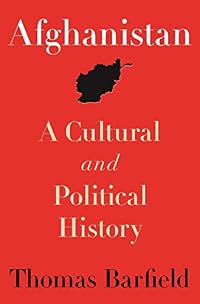
Afghanistan : a cultural and political history
by Thomas J. Barfield
On This Page
Description
Afghanistan traces the historic struggles and the changing nature of political authority in this volatile region of the world, from the Mughal Empire in the sixteenth century to the Taliban resurgence today. Thomas Barfield introduces readers to the bewildering diversity of tribal and ethnic groups in Afghanistan, explaining what unites them as Afghans despite the regional, cultural, and political differences that divide them. He shows how governing these peoples was relatively easy when show more power was concentrated in a small dynastic elite, but how this delicate political order broke down in the nineteenth and twentieth centuries when Afghanistan's rulers mobilized rural militias to expel first the British and later the Soviets. Armed insurgency proved remarkably successful against the foreign occupiers, but it also undermined the Afghan government's authority and rendered the country ever more difficult to govern as time passed. Barfield vividly describes how Afghanistan's armed factions plunged the country into a civil war, giving rise to clerical rule by the Taliban and Afghanistan's isolation from the world. He examines why the American invasion in the wake of September 11 toppled the Taliban so quickly, and how this easy victory lulled the United States into falsely believing that a viable state could be built just as easily. Afghanistan is essential reading for anyone who wants to understand how a land conquered and ruled by foreign dynasties for more than a thousand years became the "graveyard of empires" for the British and Soviets, and what the United States must do to avoid a similar fate. show lessTags
Recommendations





Member Reviews
Ever since The Kite Runner, A Thousand Splendid Suns, and Three Cups of Tea, I’ve found Afghanistan to be a strangely compelling region. In those books, there was a different sense of the humanity of the people compared to what is seen on the nightly news, and it was difficult to align the two in my mind. Mention Afghanistan to someone and all they usually come up with is the notorious Taliban or the crumbling ruins that appear on the news. How accurate is that image?
When I first received Afghanistan: A Cultural and Political History, I hoped to find that answer and at the same time, that the book wouldn’t be too dry or heavy on political rhetoric. I was pleased to find that it’s an incredibly readable history book that makes the show more subject understandable and reveals the complicated lives of the people of Afghanistan. The author manages to compile the history without a political agenda or motive.
First off is recognizing that culturally, Afghanistan is made up of both tribal and nontribal ethnic groups. These groups mean everything to the people, and unlike some cultures, “tribal and ethnic groups take primacy over the individual.” In other words, “individuals support decisions made by their group even when such support has negative consequences for themselves.” This is a somewhat unique trait, and contributes to the devotion many have for their leaders. They also have an intense oral history that is repeated through the ages that also creates a sense of cohesiveness between past and present. These people live in a land crisscrossed by history, from Genghis Khan to Alexander the Great (see the photo of his castle above right). It was conflict between tribal regions, a civil war, that made the ordinary Afghan people eager to have the US come in to intervene with the Taliban, as “a drowning person is not too picky about who throws him a line….Afghanistan had either been ignored or abused by the outside world as it descended into chaos.”
The Taliban, known for their desire to spread extremely conservative Islam, had riddled the nation with violence towards women and other religions. They’ve managed to alienate even those countries that were providing needed humanitarian aid. They do not have the support of the ‘ordinary’ citizen, as at times the Taliban members have numbered below 150 members. A good portion of the book deals with how and why the Taliban gained such power. Another portion discusses the occupation by Britain and Soviet Russia prior to more recent actions with the US.
The historical details are interesting, but it was the smaller things that were more revealing. For example, why is it that on the news you usually see only children or old people? Their hardscrabble lives, tending outdoors to agriculture and focused on manual labor, shows up on their faces and they appear prematurely aged. Are the devastated streets of broken concrete typical? Actually no, as the majority of citizens live in small villages far from urban areas such as Kabul. Is it just a land of dust and opium poppies? No again, as stone fruit, grapes, nuts, citrus fruits, melons, and rice are grown in different parts of the country, depending on what areas are irrigated. The famous mountainous region, known to have been a hiding place for bin Laden, is in the center of Afghanistan. Its steepness creates dynamic changes in climate in just a few hours of travel, and creates a diverse variety of crops.
The current situation in Afghanistan is covered in the sixth chapter, where Barfield addresses the complicated social concerns that continually plague the country. The resurgence of the Taliban and their religious ideology reverses social progress, while modern policies want to focus on reducing the religious power of clerics. Additional goals include establishing rights for women, tolerance of non-Muslim faiths, implementing educational policies, and modernizing archaic laws to better represent the desires of the majority. show less
When I first received Afghanistan: A Cultural and Political History, I hoped to find that answer and at the same time, that the book wouldn’t be too dry or heavy on political rhetoric. I was pleased to find that it’s an incredibly readable history book that makes the show more subject understandable and reveals the complicated lives of the people of Afghanistan. The author manages to compile the history without a political agenda or motive.
First off is recognizing that culturally, Afghanistan is made up of both tribal and nontribal ethnic groups. These groups mean everything to the people, and unlike some cultures, “tribal and ethnic groups take primacy over the individual.” In other words, “individuals support decisions made by their group even when such support has negative consequences for themselves.” This is a somewhat unique trait, and contributes to the devotion many have for their leaders. They also have an intense oral history that is repeated through the ages that also creates a sense of cohesiveness between past and present. These people live in a land crisscrossed by history, from Genghis Khan to Alexander the Great (see the photo of his castle above right). It was conflict between tribal regions, a civil war, that made the ordinary Afghan people eager to have the US come in to intervene with the Taliban, as “a drowning person is not too picky about who throws him a line….Afghanistan had either been ignored or abused by the outside world as it descended into chaos.”
The Taliban, known for their desire to spread extremely conservative Islam, had riddled the nation with violence towards women and other religions. They’ve managed to alienate even those countries that were providing needed humanitarian aid. They do not have the support of the ‘ordinary’ citizen, as at times the Taliban members have numbered below 150 members. A good portion of the book deals with how and why the Taliban gained such power. Another portion discusses the occupation by Britain and Soviet Russia prior to more recent actions with the US.
The historical details are interesting, but it was the smaller things that were more revealing. For example, why is it that on the news you usually see only children or old people? Their hardscrabble lives, tending outdoors to agriculture and focused on manual labor, shows up on their faces and they appear prematurely aged. Are the devastated streets of broken concrete typical? Actually no, as the majority of citizens live in small villages far from urban areas such as Kabul. Is it just a land of dust and opium poppies? No again, as stone fruit, grapes, nuts, citrus fruits, melons, and rice are grown in different parts of the country, depending on what areas are irrigated. The famous mountainous region, known to have been a hiding place for bin Laden, is in the center of Afghanistan. Its steepness creates dynamic changes in climate in just a few hours of travel, and creates a diverse variety of crops.
The current situation in Afghanistan is covered in the sixth chapter, where Barfield addresses the complicated social concerns that continually plague the country. The resurgence of the Taliban and their religious ideology reverses social progress, while modern policies want to focus on reducing the religious power of clerics. Additional goals include establishing rights for women, tolerance of non-Muslim faiths, implementing educational policies, and modernizing archaic laws to better represent the desires of the majority. show less
Reading this fascinating book is like registering for a survey course in the History of Afghanistan. However, this is a double-edged sword in that returning to read it is not necessarily a pleasure but almost the equivalent of fulfilling a classroom assignment. Once you're immersed in it, the book takes over, but the text is dense and academic and a tad dry, although leavened occasionally with a nice throw-away line. Barfield is a professor of anthropology, and his expertise lends a dimension to history; one learns, for example, of the key interactions between the nation's most important ethnic groups and how this interplay effected the actions of the State. It is quite amazing how ignorant the George W. Bush administration was of the show more country's culture; as usual, they got it wrong consistently and without fail. The impact of Al Qaeda is viewed against the background of a country which considered itself the leading exponent of Islam; the number of foreign Al Qaeda warriors was not appreciated by the population. The rural vs. urban nature of Afghanistan often translated into reactionary vs. radical (in the context of Afghan history). Rural Afghanistan remains one of the most underdeveloped regions in the world. And often, it was Afghan monarchs who refused to modernize, preferring the status quo which allowed them to rule without insurrection. When modernizers were dominant in Kabul, the state was often plunged into civil war or insurgencies. Also: there is a general, widespread love of country, which in times of foreign intervention translates into nation-wide resistance. However, this is not yet nationalism because the term "nation-state" does not apply to the entity of Afghanistan. There is little sense, for example, of how Afghanistan fits into a global picture--or even a regional one. There is merely the sense of nationhood. show less
Well-written and with meaningful insights, although text can be somewhat repetitive, or at least organised symphonically.
Make it 4.5. A must read for anyone interested in this country of mountains and rivers and warring tribes.
C’è un luogo al mondo su cui le persone che sanno di meno fanno le affermazioni più categoriche. Così scrive Thomas Barfield, antropologo e studioso di lungo corso, nel suo monumentale Afghanistan: una storia politica e culturale. E già questa frase, che apre il volume come una lama affilata, basterebbe a giustificare la lettura. Ma Barfield non si accontenta di smascherare le semplificazioni: le seziona, le storicizza, le mette in crisi. Il suo saggio è un viaggio nella complessità, un atlante critico che restituisce all’Afghanistan la dignità di soggetto storico e culturale — non solo teatro bellico, non solo pedina geopolitica. E lo fa senza impregnare il racconto storico di retorica politica, e questo, oggi, non è cosa show more da poco.
Il testo, tradotto in italiano da Luigi Giacone per Einaudi, si muove con passo sicuro tra secoli di dominazioni, resistenze, trasformazioni. Dalle antiche civiltà del XVI secolo alla rinascita talebana del XXI, Barfield ricostruisce le trame di un paese che non è mai stato davvero “conquistabile”, ma sempre “negoziabile”. E qui sta il cuore del suo approccio: l’Afghanistan non è un deserto di tribalismo (benché l’equilibrio tribale sia da sempre un punto chiave), né una terra di arretratezza (nonostante le aree rurali siano tra le più marginali del pianeta), ma un sistema politico fluido, capace di adattarsi, assorbire, reinventarsi. Un sistema che ha resistito agli inglesi, ai sovietici, agli americani — non solo con le armi, ma con la logica del compromesso, della frammentazione, della resilienza.
Barfield non indulge nel pittoresco né nel pietismo. La sua scrittura è analitica, non arida, semmai talvolta zelantemente accademica — al punto da obbligarci a prestare attenzione, magari tornando indietro tra le righe, come si fa con certi testi che non vogliono essere consumati, ma compresi. Ogni capitolo è un affondo nella struttura profonda del potere afghano: le forme di autorità, le economie locali, le alleanze etniche, le tensioni religiose. Chi legge non si aspetti una narrazione lineare, ma si prepari a seguire una mappa di forze che si intrecciano, si scontrano, si dissolvono. E proprio in questa tessitura — che alterna sapere e sentire — si coglie la cifra del libro: la storia dell’Afghanistan non è una sequenza di eventi, ma una grammatica di sopravvivenza.
Il saggio è anche una critica implicita — ma feroce — alla superficialità dell’informazione occidentale. Quella che riduce l’Afghanistan a scenario di guerra, a sfondo per reportage frettolosi — fatti di polvere, bambini, donne invecchiate precocemente e papaveri da oppio — a oggetto di indignazione intermittente. Barfield ci invita a guardare oltre: a capire perché certe strutture resistono, perché certi modelli falliscono, perché la democrazia imposta dall’alto non attecchisce. E lo fa, fortunatamente per chi legge, senza ostentare moralismi, ma con la lucidità di uno storico e la pazienza di un analista.
C’è la storia, ma c’è anche l’attualità: i talebani, il collasso economico, la disillusione della società civile. Ma anche qui, Barfield scansa la retorica. Piuttosto, ci mostra come il passato continui a informare il presente, come le logiche tribali e le memorie imperiali si riflettano nelle scelte politiche di oggi. L’Afghanistan non è un’anomalia, ma un prisma che rifrange le contraddizioni del mondo globale.
In definitiva, questo saggio è un invito a disinnescare le semplificazioni, a restituire profondità a ciò che viene trattato come superficie. Per chi cerca una lettura che non solo informi, ma trasformi, Afghanistan: una storia politica e culturale è un buon suggerimento di partenza. E per chi, come me, considera la recensione un gesto di testimonianza, è anche un’occasione per dire: non banalizziamo. Cerchiamo di capire la storia. Non smettiamo di pensare. show less
Il testo, tradotto in italiano da Luigi Giacone per Einaudi, si muove con passo sicuro tra secoli di dominazioni, resistenze, trasformazioni. Dalle antiche civiltà del XVI secolo alla rinascita talebana del XXI, Barfield ricostruisce le trame di un paese che non è mai stato davvero “conquistabile”, ma sempre “negoziabile”. E qui sta il cuore del suo approccio: l’Afghanistan non è un deserto di tribalismo (benché l’equilibrio tribale sia da sempre un punto chiave), né una terra di arretratezza (nonostante le aree rurali siano tra le più marginali del pianeta), ma un sistema politico fluido, capace di adattarsi, assorbire, reinventarsi. Un sistema che ha resistito agli inglesi, ai sovietici, agli americani — non solo con le armi, ma con la logica del compromesso, della frammentazione, della resilienza.
Barfield non indulge nel pittoresco né nel pietismo. La sua scrittura è analitica, non arida, semmai talvolta zelantemente accademica — al punto da obbligarci a prestare attenzione, magari tornando indietro tra le righe, come si fa con certi testi che non vogliono essere consumati, ma compresi. Ogni capitolo è un affondo nella struttura profonda del potere afghano: le forme di autorità, le economie locali, le alleanze etniche, le tensioni religiose. Chi legge non si aspetti una narrazione lineare, ma si prepari a seguire una mappa di forze che si intrecciano, si scontrano, si dissolvono. E proprio in questa tessitura — che alterna sapere e sentire — si coglie la cifra del libro: la storia dell’Afghanistan non è una sequenza di eventi, ma una grammatica di sopravvivenza.
Il saggio è anche una critica implicita — ma feroce — alla superficialità dell’informazione occidentale. Quella che riduce l’Afghanistan a scenario di guerra, a sfondo per reportage frettolosi — fatti di polvere, bambini, donne invecchiate precocemente e papaveri da oppio — a oggetto di indignazione intermittente. Barfield ci invita a guardare oltre: a capire perché certe strutture resistono, perché certi modelli falliscono, perché la democrazia imposta dall’alto non attecchisce. E lo fa, fortunatamente per chi legge, senza ostentare moralismi, ma con la lucidità di uno storico e la pazienza di un analista.
C’è la storia, ma c’è anche l’attualità: i talebani, il collasso economico, la disillusione della società civile. Ma anche qui, Barfield scansa la retorica. Piuttosto, ci mostra come il passato continui a informare il presente, come le logiche tribali e le memorie imperiali si riflettano nelle scelte politiche di oggi. L’Afghanistan non è un’anomalia, ma un prisma che rifrange le contraddizioni del mondo globale.
In definitiva, questo saggio è un invito a disinnescare le semplificazioni, a restituire profondità a ciò che viene trattato come superficie. Per chi cerca una lettura che non solo informi, ma trasformi, Afghanistan: una storia politica e culturale è un buon suggerimento di partenza. E per chi, come me, considera la recensione un gesto di testimonianza, è anche un’occasione per dire: non banalizziamo. Cerchiamo di capire la storia. Non smettiamo di pensare. show less
Oct 22, 2025Italian
Ratings
Members
- Recently Added By
Lists

r/AskHistorians' Recommended Books
1,068 works; 17 members
Author Information

9+ Works 575 Members
Series
Belongs to Publisher Series
Common Knowledge
- Canonical title
- Afghanistan : a cultural and political history
- Original publication date
- 2010
Classifications
- Genres
- Anthropology, History, Nonfiction, General Nonfiction, Politics and Government, Religion & Spirituality
- DDC/MDS
- 958.1 — History & geography History of Asia Central Asia: Afghanistan, Pakistan, Uzebekistan Afghanistan
- LCC
- DS357.5 .B37 — History of Europe, Asia, Africa and Oceania Asia History of Asia Afghanistan
- BISAC
Statistics
- Members
- 318
- Popularity
- 99,879
- Reviews
- 6
- Rating
- (4.00)
- Languages
- English, Italian
- Media
- Paper, Audiobook, Ebook
- ISBNs
- 10
- ASINs
- 5