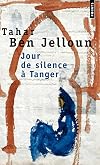
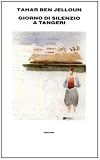
Giorno di silenzio a Tangeri
by Tahar Ben Jelloun
On This Page
Description
Este "Día de silencio en Tánger" pertenece al género del récit: el relato corto pero bien condensado que tantos buenos frutos ha dado a la lengua francesa. No vamos a encontrar en él el Tánger mítico de intelectuales y vividores europeos y americanos que allí se instalaron, sino una visión desde la ciudad interior, desde la perspectiva de la pequeña burguesía urbana del norte de Marruecos cuyos ambientes el autor conoce como la palma de su mano. Ahí damos con el retrato cabal de show more un hombre mediterráneo anciano de finales del siglo XX cristiano, que echa la vista atrás y hace balance, con sus achaques y manías, su peculiar sentido de la rectitud y la honradez, y los condicionamientos sociales y de carácter que han marcado sus relaciones con los demás. Una buena oportunidad para reflexionar sobre la propia vida y posiblemente un buen pasaporte para penetrar en el alma autóctona de una ciudad-encrucijada de destinos show lessTags
Recommendations






























Member Reviews
This was a fascinating read, with a beautiful ending. It touched on relationships between generations, races, friends and family. A short yet complex read, very well-written. It is making me re-think the reasons that a person might appear to mistreat those around him, even those upon whom he depends. More than once, I wondered if I may have been unjust toward some of those close to me whom I had expected to 'see' or intuitively understand my feelings. Perhaps for some people, it is just not possible, yet those same people can want to understand. For me, this was an impossibility, prior to reading Ben Jalloun. How could a person not understand that his words have power, and that his words can and do indeed do harm? Yet perhaps some show more simply do not see it, even if they want to. Time for me to learn to be more understanding?
(Too tired but will translate into French soon...)
ShiraDest
1st December, 12015 HE show less
(Too tired but will translate into French soon...)
ShiraDest
1st December, 12015 HE show less
This novella is about a man who refuses to accept the wretched, demeaning state he finds himself in at 80. While his mind is still fully functional, his body has deteriorated giving rise to untold irritation on his part. His typical thought pattern is: “I’m not sick; my lungs are a little congested, that’s all.”
On this cold, rainy day the man is steeped in a gloomy and deepening sense of interminable solitude. He pulls out an old phone book with the numbers of friends and family. As he peruses the pages looking for someone he might call for a chat or a visit, one realises just how old he is; most of his contemporaries have already died.
This is not a gloomy book. I enjoyed the quiet rumination. The good memories. The pride in show more success. As well as the regret, the pain, the rancour, even. Not one to keep quiet, he has ruined many a relationship with his acerbic tongue. He loves words, always has.
“He prefers words to be brief, subtle, full of nuance. He uses them with great finesse. He is famous for his words: they are arrows that wound, images that disturb, sounds that upset. He dreams of a house of words in which the syllables would be so tightly meshed they would form a long arabesque of light.”
He still takes delight in women and is infuriated that the house help isn’t attractive. His wife shows up in the room occasionally, but their emotional paths diverged a long time ago. Besides, she isn’t pleasing to the eye; has never been, he reckons. Even now he dreams of a beautiful woman at his side.
Ben Jelloun has created a flawed but ultimately likable character. Amidst the wracking pain he shows resilience and a healthy sense of humor. When a visiting friend enquires about his health, he remarks: “Fine. I’m fine. A little lonely, but otherwise not bad. I cough, I choke, I’m bored with myself, but I’m doing fine...”
His predicament, in a nutshell: “My problem is that I am a young man in an old man’s body. Age has nothing to do with it.” :)
All in all, another really good read by Tahar Ben Jelloun. show less
On this cold, rainy day the man is steeped in a gloomy and deepening sense of interminable solitude. He pulls out an old phone book with the numbers of friends and family. As he peruses the pages looking for someone he might call for a chat or a visit, one realises just how old he is; most of his contemporaries have already died.
This is not a gloomy book. I enjoyed the quiet rumination. The good memories. The pride in show more success. As well as the regret, the pain, the rancour, even. Not one to keep quiet, he has ruined many a relationship with his acerbic tongue. He loves words, always has.
“He prefers words to be brief, subtle, full of nuance. He uses them with great finesse. He is famous for his words: they are arrows that wound, images that disturb, sounds that upset. He dreams of a house of words in which the syllables would be so tightly meshed they would form a long arabesque of light.”
He still takes delight in women and is infuriated that the house help isn’t attractive. His wife shows up in the room occasionally, but their emotional paths diverged a long time ago. Besides, she isn’t pleasing to the eye; has never been, he reckons. Even now he dreams of a beautiful woman at his side.
Ben Jelloun has created a flawed but ultimately likable character. Amidst the wracking pain he shows resilience and a healthy sense of humor. When a visiting friend enquires about his health, he remarks: “Fine. I’m fine. A little lonely, but otherwise not bad. I cough, I choke, I’m bored with myself, but I’m doing fine...”
His predicament, in a nutshell: “My problem is that I am a young man in an old man’s body. Age has nothing to do with it.” :)
All in all, another really good read by Tahar Ben Jelloun. show less
This was a fascinating read, with a beautiful ending. It touched on relationships between generations, races, friends and family. A short yet complex read, very well-written. It is making me re-think the reasons that a person might appear to mistreat those around him, even those upon whom he depends. More than once, I wondered if I may have been unjust toward some of those close to me whom I had expected to 'see' or intuitively understand my feelings. Perhaps for some people, it is just not possible, yet those same people can want to understand. For me, this was an impossibility, prior to reading Ben Jalloun. How could a person not understand that his words have power, and that his words can and do indeed do harm? Yet perhaps some show more simply do not see it, even if they want to. Time for me to learn to be more understanding?
(Too tired but will translate into French soon...)
ShiraDest
1st December, 12015 HE show less
(Too tired but will translate into French soon...)
ShiraDest
1st December, 12015 HE show less
C'est l'histoire de tous ceux qui vieillissent. De la perspective des vieillards, mais aussi de la perspective des enfants. Il y a des vérités fondamentales dans ce livre concernant la relation du père et un fils adulte. Je m'y suis trouvé. Tout le temps.
Este Día de silencio pertenece al género del récit: el relato corto pero bien condensado que tantos buenos frutos ha dado a la lengua francesa. No vamos a encontrar en él el Tánger mítico de intelectuales y vividores europeos y americanos que allí se instalaron, sino una visión desde la ciudad interior, desde la perspectiva de la pequeña burguesía urbana del norte de Marruecos cuyos ambientes el autor conoce como la palma de su mano. Ahí damos con el retrato cabal de un hombre mediterráneo anciano de finales del siglo XX cristiano, que echa la vista atrás y hace balance, con sus achaques y manías, su peculiar sentido de la rectitud y la honradez, y los condicionamientos sociales y de carácter que han marcado sus show more relaciones con los demás. Una buena oportunidad para reflexionar sobre la propia vida y posiblemente un buen pasaporte para penetrar en el alma autóctona de una ciudad-encrucijada de destinos. show less
Jul 11, 2022Spanish
843.914 BEN
Apr 18, 2020Italian
Ratings
Members
- Recently Added By
Author Information

125+ Works 4,965 Members
Controversial winner of the prestigious French Prix Goncourt (1987), Tahar Ben Jelloun is a Moroccan writer who has not found much favor at home, despite his growing popularity abroad. According to some North African critics, Ben Jelloun intentionally sets out to please foreign readers. The critics contend that his writing reinforces European show more stereotypes by pandering to western tastes for quaint folklore and traditions, and exotic scenery. Moroccan critics have accused Ben Jelloun of creating artificial, fabricated stories that fail to convey a true picture of Morocco. They have also been offended by his criticism of Morocco, and the fact that he reveals sides of Moroccan life that are usually kept hidden. Ben Jelloun's story of a girl dressed as a boy, L'Enfant du Sable (The Sand Child) (1985), was scandalous in their eyes. After Ben Jelloun won the Prix Goncourt, a number of critics changed their minds and have begun to praise his work. (Bowker Author Biography) show less
Some Editions
Series
Belongs to Publisher Series
El confident (4)
Common Knowledge
- Canonical title*
- Jour de silence à Tanger
- Original title
- Jour de silence à Tanger
- Original publication date
- 1990
- Epigraph*
- "El temps és un vell que té la malícia dels infants"
Georges Schéhadé
L'emigrat de Brisbane - Dedication*
- Al meu pare
- First words*
- Vet aquí la història d'un home enganyat pel vent, oblidat pel temps i menyspreat per la mort.
- Last words*
- (Click to show. Warning: May contain spoilers.)Tinc els seus cabells a la cara i correm per un prat inundat de llum i de miralls.
- Original language
- French
*Some information comes from Common Knowledge in other languages. Click "Edit" for more information.
Classifications
Statistics
- Members
- 96
- Popularity
- 334,400
- Reviews
- 6
- Rating
- (3.43)
- Languages
- 10 — Catalan, Czech, Danish, Dutch, English, French, German, Italian, Spanish, Swedish
- Media
- Paper, Ebook
- ISBNs
- 18