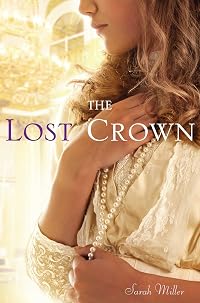
The Lost Crown
by Sarah Miller 
On This Page
Description
In alternating chapters, Grand Duchesses Olga, Tatiana, Maria, and Anastasia tell how their privileged lives as the daughters of the tsar in early twentieth-century Russia are transformed by world war and revolution.Tags
Recommendations
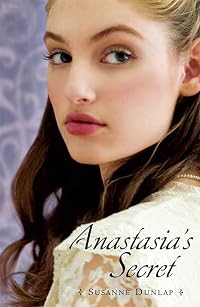
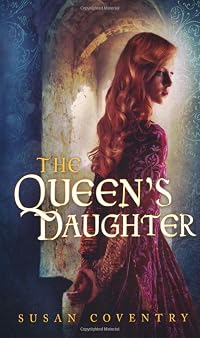
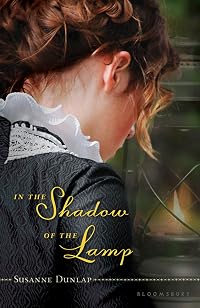
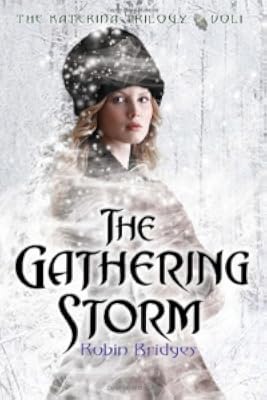

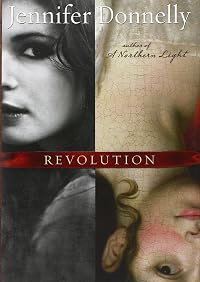
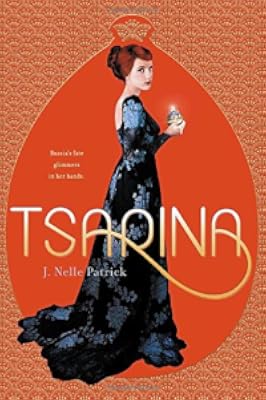
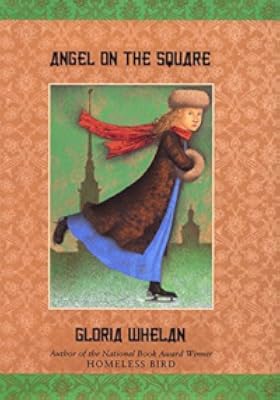
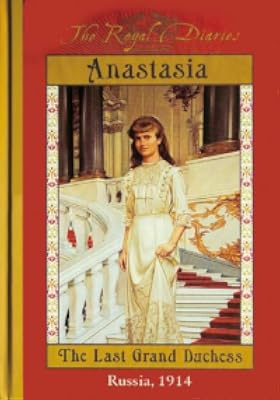
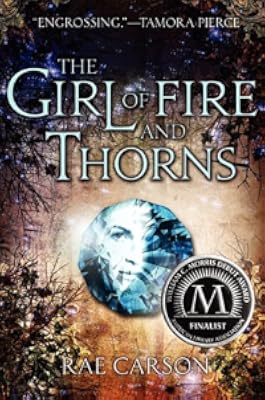
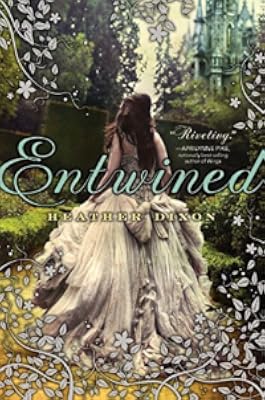
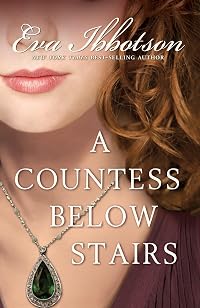
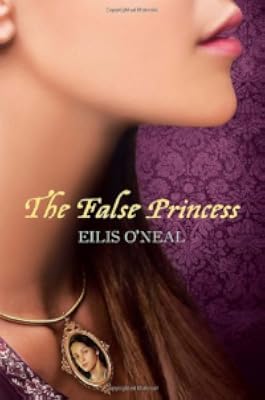



Member Reviews
I've always had a fascination with the Russian Revolution -the history part, at least. Because I've this, I've been searching for the perfect novel (or novels) about the final years of the Romanov family and their demise. When I first heard about The Lost Crown, it sounded like the perfect fit.
The Lost Crown explores the final years of the Romanov family and, most importantly, the Russian Revolution and the family's demise. Told through the rotating viewpoints of the four grand duchesses -Olga, Tatiana, Maria and Anastasia, The Lost Crown gives the young princesses the opportunity to tell their stories and show they the Revolution pulled them out of innocence and into reality.
Author Sarah Miller evokes early 20th century Russia with show more convincing detail and well-researched history -not to mention just a little personality. Each princess has their own unique voice and offers different insight into what was happening -whether it be war-torn Europe or problems at home, all of the girls react in interesting ways and, sometimes in ways that almost don't make sense.
This led to the most interesting part of the novel. I felt like, even up to their own deaths, the duchesses continued to be naively hopeful that their world would somehow turn around -or even wasn't all that bad. Despite the lyrical telling of this tale, I was a little bit disappointed in Miller's approach. She seemed to leave out certain things, or just didn't go into them very much, like the family's relationship with Rasputin or Alexei's homephelia or even the storming of the Winter Palace. It just seemed like some of these big events were just a little hazy in this story, like they didn't hold enough weight or power in the story.
I suppose Lost Crown was a good Russian Revolution-era novel, but it just didn't quite satisfy my craving for an epic Russian Revolution-era novel. I suppose my quest will have to continue for now, but at least Lost Crown as able to tide me over. A worthwhile read for fans of YA historical fiction. show less
The Lost Crown explores the final years of the Romanov family and, most importantly, the Russian Revolution and the family's demise. Told through the rotating viewpoints of the four grand duchesses -Olga, Tatiana, Maria and Anastasia, The Lost Crown gives the young princesses the opportunity to tell their stories and show they the Revolution pulled them out of innocence and into reality.
Author Sarah Miller evokes early 20th century Russia with show more convincing detail and well-researched history -not to mention just a little personality. Each princess has their own unique voice and offers different insight into what was happening -whether it be war-torn Europe or problems at home, all of the girls react in interesting ways and, sometimes in ways that almost don't make sense.
This led to the most interesting part of the novel. I felt like, even up to their own deaths, the duchesses continued to be naively hopeful that their world would somehow turn around -or even wasn't all that bad. Despite the lyrical telling of this tale, I was a little bit disappointed in Miller's approach. She seemed to leave out certain things, or just didn't go into them very much, like the family's relationship with Rasputin or Alexei's homephelia or even the storming of the Winter Palace. It just seemed like some of these big events were just a little hazy in this story, like they didn't hold enough weight or power in the story.
I suppose Lost Crown was a good Russian Revolution-era novel, but it just didn't quite satisfy my craving for an epic Russian Revolution-era novel. I suppose my quest will have to continue for now, but at least Lost Crown as able to tide me over. A worthwhile read for fans of YA historical fiction. show less
I rate this a solid five stars. The people and places were vividly conveyed, and the tone was pitch perfect. During the abdication crisis, I felt the tension mounting in the Alexander Palace. Later, as circumstances in captivity declined, I could feel the helplessness and growing despair.
I also appreciated that the narration alternated between the sisters. It gave me a chance to see them as individuals and not just OTMA (By the way, my favorite was Olga). Of course that did make the end even more heartbreaking...
I wish all historic fiction could be written this well.
I also appreciated that the narration alternated between the sisters. It gave me a chance to see them as individuals and not just OTMA (By the way, my favorite was Olga). Of course that did make the end even more heartbreaking...
I wish all historic fiction could be written this well.
Once upon a time, Russia was ruled by royalty. Like all monarchies, the czar’s word was law, and - like the world over regardless of government type – there were good czars and poor czars. All of them were subject to the problems of their times. Between a world war, a crippling economy, and a growing workers movement, the last czar faced very unique pressures that none of his predecessors had to face. In The Lost Crown, Sarah Miller explores the impact these forces had, not on the czar but on his family. As they struggle to understand how they can go from being a beloved national treasure to enforced imprisonment by the same people, so too do the readers as they get a glimpse of what life was like in those final months before the show more Russian crown was forever lost.
As with any novel utilizing multiple narrators, keeping track of which Grand Duchess is speaking in each scene can prove to be very challenging. There were many a time when the story required flipping to the beginning of the chapter to see which narrator was telling the story. Even though there are differences between each narrator’s voice, the differences are slight when taken as a whole and do not offset the similarities among them, of which there are many.
Similarly, Ms. Miller uses the multiple viewpoints in an attempt to present a broader picture of what was occurring in Russia and what was happening to the family. Unfortunately, because the family stayed together, either by choice or by being forced into close quarters, the viewpoints of the girls does not vary all that much. The older daughters have a better grasp on the seriousness of their situation, but other than that, all four are limited in their understanding of the revolution and its total impact on not only Russia but on their family as well. In fact, much of the time, the girls are in a state of disbelief that there is a noticeable decrease in the reverence towards the Czar and his family. Because there is so little difference of opinion or of understanding among the four girls, the use of four narrators does nothing but overcomplicates the story and bogs down the overall narrative.
While Ms. Miller does not gloss over the hardships the family faced as the revolution swept across Russia, the complex politics and economics behind the revolution are all but ignored. This lack of backdrop provides some surprising consequences. On the one hand, the lack of background information serves to highlight how sheltered the girls were from the outside world. Yet, without this crucial macro-level information, key elements of the revolution become nothing but a young girl’s rant at the unfairness of the world. Granted, from the girls’ perspective, their rough treatment, their subsequent imprisonment, and ultimate fate are unfair, but there is always another side of the equation and to avoid discussing this with younger readers diminishes the importance of what happened and its future consequences for the world at large.
The Lost Crown is definitely meant for younger audiences. While the rest of the world concerns itself with a world war, food shortages, economic hardships, and the like, the Romanov children worry about keeping their brother safe, boys, clothes, and their familial happiness. Theirs is a very isolated and self-centered world, and they remain blissfully ignorant – partially by choice and partially by role – of what is occurring outside the palace walls. Because they are so young, their self-centeredness is understandable because being self-absorbed is a top teen characteristic. Younger readers can and will appreciate their frolicking and obliviousness, but older readers will find their ignorance and self-absorption disconcerting, made all the more tragic by their utter confusion and shock when the outside world begins to impose its will on the family.
In The Lost Crown, Ms. Miller attempts to show the world the Russian Revolution from the Romanov perspective. By writing it for young adults and using a narrow, young, and one-sided perspective, she further romanticizes the Romanovs and their fate. There is nothing wrong with that because what happened to the entire family was terrible. Still, one cannot help but feel that an opportunity was lost to help explain the other side, why the peasants revolted as they did and how the revolt was hijacked by others to further their own socialist agenda. Historical fiction is best when one can learn something from it, and the novel fails in this regard. Between this disappointing omission and the confusion wrought by the multiple narrators, the story fails to impress older readers. Even younger readers may find the lack of romantic interest, the nebulous understanding of the circumstances, and the very unhappy ending to be a bit too much for one’s thorough enjoyment of the story. It is a disappointing reaction to a novel that looks gorgeous and has such amazing potential behind it. show less
As with any novel utilizing multiple narrators, keeping track of which Grand Duchess is speaking in each scene can prove to be very challenging. There were many a time when the story required flipping to the beginning of the chapter to see which narrator was telling the story. Even though there are differences between each narrator’s voice, the differences are slight when taken as a whole and do not offset the similarities among them, of which there are many.
Similarly, Ms. Miller uses the multiple viewpoints in an attempt to present a broader picture of what was occurring in Russia and what was happening to the family. Unfortunately, because the family stayed together, either by choice or by being forced into close quarters, the viewpoints of the girls does not vary all that much. The older daughters have a better grasp on the seriousness of their situation, but other than that, all four are limited in their understanding of the revolution and its total impact on not only Russia but on their family as well. In fact, much of the time, the girls are in a state of disbelief that there is a noticeable decrease in the reverence towards the Czar and his family. Because there is so little difference of opinion or of understanding among the four girls, the use of four narrators does nothing but overcomplicates the story and bogs down the overall narrative.
While Ms. Miller does not gloss over the hardships the family faced as the revolution swept across Russia, the complex politics and economics behind the revolution are all but ignored. This lack of backdrop provides some surprising consequences. On the one hand, the lack of background information serves to highlight how sheltered the girls were from the outside world. Yet, without this crucial macro-level information, key elements of the revolution become nothing but a young girl’s rant at the unfairness of the world. Granted, from the girls’ perspective, their rough treatment, their subsequent imprisonment, and ultimate fate are unfair, but there is always another side of the equation and to avoid discussing this with younger readers diminishes the importance of what happened and its future consequences for the world at large.
The Lost Crown is definitely meant for younger audiences. While the rest of the world concerns itself with a world war, food shortages, economic hardships, and the like, the Romanov children worry about keeping their brother safe, boys, clothes, and their familial happiness. Theirs is a very isolated and self-centered world, and they remain blissfully ignorant – partially by choice and partially by role – of what is occurring outside the palace walls. Because they are so young, their self-centeredness is understandable because being self-absorbed is a top teen characteristic. Younger readers can and will appreciate their frolicking and obliviousness, but older readers will find their ignorance and self-absorption disconcerting, made all the more tragic by their utter confusion and shock when the outside world begins to impose its will on the family.
In The Lost Crown, Ms. Miller attempts to show the world the Russian Revolution from the Romanov perspective. By writing it for young adults and using a narrow, young, and one-sided perspective, she further romanticizes the Romanovs and their fate. There is nothing wrong with that because what happened to the entire family was terrible. Still, one cannot help but feel that an opportunity was lost to help explain the other side, why the peasants revolted as they did and how the revolt was hijacked by others to further their own socialist agenda. Historical fiction is best when one can learn something from it, and the novel fails in this regard. Between this disappointing omission and the confusion wrought by the multiple narrators, the story fails to impress older readers. Even younger readers may find the lack of romantic interest, the nebulous understanding of the circumstances, and the very unhappy ending to be a bit too much for one’s thorough enjoyment of the story. It is a disappointing reaction to a novel that looks gorgeous and has such amazing potential behind it. show less
I love history...and the Russian Romanovs have always intrigued me,however most usually the children and their personalities are glossed over. Or they are talked about as a group.
OTMA is how the girls were referred to, but those 4 were deeply affected by their upbringing, surrounding and their parents woes. Naive and sensitive, intelligent but lacking in social skills, their growth was stunted in comparison to others in their age group.
Tho this book THE LOST CROWN is fiction it IS based on letters and diaries ,so the girls ( mostly - tho Alex is included) become PEOPLE not merely names. Heartbreaking in that the reader knows what the ending holds and yet, for some reason, hope remains. The time span covers the interim period of life in show more the palace and their deaths in captivity.
But they were loving young ladies who deserved much more than bullets and bayonets in the basement. show less
OTMA is how the girls were referred to, but those 4 were deeply affected by their upbringing, surrounding and their parents woes. Naive and sensitive, intelligent but lacking in social skills, their growth was stunted in comparison to others in their age group.
Tho this book THE LOST CROWN is fiction it IS based on letters and diaries ,so the girls ( mostly - tho Alex is included) become PEOPLE not merely names. Heartbreaking in that the reader knows what the ending holds and yet, for some reason, hope remains. The time span covers the interim period of life in show more the palace and their deaths in captivity.
But they were loving young ladies who deserved much more than bullets and bayonets in the basement. show less
The tragic tale of the Romanovs, the last Russian imperial family, is told here through the eyes of the family's four daughters - Olga, Tatiana, Maria, and Anastasia. A sad story, focusing on the last years of this family's life, as the Russian Revolution causes drastic changes in how the Romanovs live and eventually leads to their deaths. While I enjoyed this novel overall, at times I think I did feel a little of the boredom the Romanovs must have felt in their captivity. The family, particularly after their imprisonment, did not seem to be well-informed about the politics and turmoil surrounding them and while this is likely historically accurate, it does not make for the most fast-paced novel.
This book covers the last few years of the Romanovs through the eyes of the four daughters- Olga, Tatiana, Maria, and Anastasia. The start of World War I and the Bolshevik revolution is seen through their eyes. They are very sheltered as Grand Duchesses. They don't really get to see a lot of the world outside their palaces and vacations together. This changes some as the war goes on, and the girls minister to the troops in a local hospital. Soon however, they are caught up in a revolution that forces their father to abdicate. They are taken to Tobolsk and put under house arrest. Later, as Russia becomes more deeply embroiled in civil war, they are taken to Ekatarinburg where they are murdered.
I found it hard to read about these girls show more know what would happen to them. They come across as very sweet girls who were involved in something much bigger than they were. The point of view switches between each girl throughout the book. Anastasia's sections read as very young. You get a real sense of her personality and joy for life in her sections. There is less difference in the writing of the three older girls, but you still are able to get a sense of their different personalities.
Although the author admits she takes some liberties, I didn't mind. It made for a very interesting story. I wanted to be able to change history and let those girls live their lives for much longer. They had so many hopes and aspirations. As they are walking to the basement in the Ekaterinburg, they have no idea this is the end. It was so sad to read. I think that people who enjoy history, especially Russian history, will find this book very interesting. I know I did. Even though I knew how it was going to end, I found it fascinating to read it all from the girls' perspectives. This book is a great way to see history through the eyes of some major participants.
Galley provided by publisher for review. show less
I found it hard to read about these girls show more know what would happen to them. They come across as very sweet girls who were involved in something much bigger than they were. The point of view switches between each girl throughout the book. Anastasia's sections read as very young. You get a real sense of her personality and joy for life in her sections. There is less difference in the writing of the three older girls, but you still are able to get a sense of their different personalities.
Although the author admits she takes some liberties, I didn't mind. It made for a very interesting story. I wanted to be able to change history and let those girls live their lives for much longer. They had so many hopes and aspirations. As they are walking to the basement in the Ekaterinburg, they have no idea this is the end. It was so sad to read. I think that people who enjoy history, especially Russian history, will find this book very interesting. I know I did. Even though I knew how it was going to end, I found it fascinating to read it all from the girls' perspectives. This book is a great way to see history through the eyes of some major participants.
Galley provided by publisher for review. show less
This book is told from Tsar Nickolas daughter's POVs: Olga, Tatiana, Maria and Anastasia. To be honest in the beginning, I couldn't tell who's POV I was reading, if I put down my book for any reason I would come back and ask myself "who's POV am I reading?" Tatiana, Olga, and Maria's POV are very similar in the beginning, only Anastasia's read differently because she was the youngest. I feel like adding Alexei's POV would have added something to this book. Multiple points of view are always tricky, and in this book it does come in handy in the second part of the book. However, overall I'm not so sure if it contributes to the telling of the story, but it does help to feel connected to the girls.
The story is about the Romanov's family show more after the Russian Revolution, how the girls cope with being in house arrest. I enjoyed the story, I cared for the characters and at the end I found myself going to wikipedia to read more about the Romanov's. The author is great at giving details, and introducing the reader to the Russian lingo and costumes. This book made me want to read more about them. I would recommend getting this book in a hard copy as opposed to an ebook, because there's a picture of the Grand Duchesses in the beginning of every chapter, and there are photographs of the family at the end of the book. Also, to keep track of who's POV I was reading, I am just to clumsy to do this in my nook! show less
The story is about the Romanov's family show more after the Russian Revolution, how the girls cope with being in house arrest. I enjoyed the story, I cared for the characters and at the end I found myself going to wikipedia to read more about the Romanov's. The author is great at giving details, and introducing the reader to the Russian lingo and costumes. This book made me want to read more about them. I would recommend getting this book in a hard copy as opposed to an ebook, because there's a picture of the Grand Duchesses in the beginning of every chapter, and there are photographs of the family at the end of the book. Also, to keep track of who's POV I was reading, I am just to clumsy to do this in my nook! show less
Members
- Recently Added By
Published Reviews
ThingScore 82
The Lost Crown is a well-crafted and engrossing story that would make a worthwhile addition to any middle school or high school media center.
added by private library
Tsar Nicholas II’s four ill-fated daughters provide a fictional, inside look at Imperial Russia’s dying days in this thoroughly researched, poignant and compelling account of how the deposed Romanovs coped with abdication and arrest from 1914 to 1918. (STARRED)
added by private library
"This thoroughly researched novel brings the four young women to readers in their own voices... [E]ach girl is given time and space to reveal and reflect, and like the best historical novels, this allows modern-day teens to see parts of themselves in very different people....[B]y the heartbreaking book's conclusion, readers will be caught up in the girls' story."
added by private library
Lists

Absolute Power
107 works; 1 member

KayStJ's to-read list
1,616 works; 11 members
Author Information

8 Works 2,637 Members
Sarah Miller writes historical fiction novels for children. Her novels include Miss Spitfire: Reaching Helen Keller, The Lost Crown, and The Borden Murders: Lizzie Borden and the Trial of the Century. (Bowker Author Biography)
Sarah Miller is a LibraryThing Author, an author who lists their personal library on LibraryThing.
Awards and Honors
Distinctions
Notable Lists
Common Knowledge
- Original title
- The Lost Crown
- Alternate titles
- The Lost Crown: A Novel of Romanov Russia
- Original publication date
- 2011
- People/Characters
- Anastasia Romanov; Tatiana Romanov; Olga Romanov; Maria Romanov; Nicholas II, Emperor of Russia; Aleksei Romanov (show all 9); Grigori Rasputin; Alexandra Feodorovna, Empress of Russia; Yakov Yurovsky
- Important places
- St. Petersburg, Russia; Russia
- Important events
- Russian Revolution
- Dedication
- To Holly
- Publisher's editor
- Frank, Kiley
- Blurbers
- King, Greg; Rappaport, Helen; Wilson, Penny
Classifications
Statistics
- Members
- 259
- Popularity
- 125,196
- Reviews
- 12
- Rating
- (3.78)
- Languages
- English
- Media
- Paper, Ebook
- ISBNs
- 6
- ASINs
- 1