

Gila Almagor
Author of Under the Domim Tree
Works by Gila Almagor
החוב 1 copy
Associated Works
Tagged
Common Knowledge
- Legal name
- Alexandrowitz, Gila
- Birthdate
- 1939-07-22
- Gender
- female
- Occupations
- actor
radio show host - Organizations
- Gila Almagor Wish Fund
Israeli Artist Association - Awards and honors
- Israel Prize for Cinema (2004)
Hans Christian Andersen Ambassadorship (2005)
Liberitas Film Festival Prize for Lifetime Achievement (Croatia, 2007) - Nationality
- Israel
- Birthplace
- Haifa, Israel
- Places of residence
- British Mandate of Palestine
New York, USA
Tel Aviv, Israel - Associated Place (for map)
- Israel
Members
Reviews
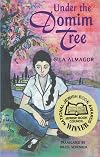
Under the Domim Tree is an autobiographical novel about a group of teenagers in a youth village in Israel in 1953. Aviya and Ayala are the only two sabras (native-born Israelis), the rest are from "over there", a euphemism for Europe and the Holocaust. Although the children may not discuss the Holocaust directly, it permeates everything, starting with why they are in the village at all. Most are orphans or assumed to be; Aviya is in the camp because her mother, a Holocaust survivor, is too show more unstable to care for her. But despite the desperate straits that brought them there, they find joy in the work, the lessons, and the nature around them. Together with the adults at the camp, they become a family.
I enjoyed this young adult story for its glimpse into post-war life in an Israeli youth village. The teens come from different places and experiences, bound together by the shadow of the Holocaust and their desire to move past it to a new future. The book lightly touches on several heavy themes—children looking for their parents, parents trying to replace lost children, PTSD—but it's also a book about first crushes, comraderies, and caring adults. The author lived in a youth village after the war and says it was the best home she ever had. Her affection for the place makes this less a book about the Holocaust and more about putting down roots and thriving in a new country. show less
I enjoyed this young adult story for its glimpse into post-war life in an Israeli youth village. The teens come from different places and experiences, bound together by the shadow of the Holocaust and their desire to move past it to a new future. The book lightly touches on several heavy themes—children looking for their parents, parents trying to replace lost children, PTSD—but it's also a book about first crushes, comraderies, and caring adults. The author lived in a youth village after the war and says it was the best home she ever had. Her affection for the place makes this less a book about the Holocaust and more about putting down roots and thriving in a new country. show less
Gila Almagor, the author of Under the Domim Tree, placed bits of her personal life into several characters in her first book, but most of them for the narrator, who tells the story in first person. Here are some of the basic elements that are autobiographical and define the character:
The book is a coming of age story for a group of young, mostly orphan, teens living in a children's village in Israel. The story is set in 1953, just late enough after the war that some of the children remember segments of their life in Poland and some don't. During the course of the novel at least four of them have to revisit (and face the darker parts of) their personal history in various ways. This process helps them heal on the long turn, but is painful in the short. What helps them the most is the friendship and solidarity with the other girls and boys.
The book is probably most enjoyed by young teen girls, after all a lot of the book is dealing with hopes, dreams and aspirations of that group. I enjoyed the mix of humor, the interpersonal and group dynamics, the inspiring strength of the young people mixed with their concerns that are often prematurely adult in their nature. The Domim Tree itself stands strong as a real place and a symbol of a solid point in the universe where they can pour their heart out. With their previously transient life and recurring nightmares they sure need something like this.
Hillel Schenker's translation (from Hebrew to English) is adequate but I got the sense that the original Hebrew might have been more poetic. The content of the book certainly allows more colorful language, although I have to keep in mind the target audience's age. As far as I know the book's sequel (Summer of Aviya) hasn't been translated to English. Interesting to note that the film version of the second book (1988) came out seven years before the film version of the first book (1995). The author who is one of the most well-known actors in Israel is playing in both, although not herself.
This is a recommended book for 12-15 year olds as they can learn about problems and problem solving, the value and advantages of friendships and the importance of being honest to yourself. show less
- A mother who is collapsing mentally under the weight of what happened during the Shoah.
- A father who was dead before the daughter was born.
- A group home for orphans, that includes both sabras (people born in
- Israel) and refugees from Europe.
The book is a coming of age story for a group of young, mostly orphan, teens living in a children's village in Israel. The story is set in 1953, just late enough after the war that some of the children remember segments of their life in Poland and some don't. During the course of the novel at least four of them have to revisit (and face the darker parts of) their personal history in various ways. This process helps them heal on the long turn, but is painful in the short. What helps them the most is the friendship and solidarity with the other girls and boys.
The book is probably most enjoyed by young teen girls, after all a lot of the book is dealing with hopes, dreams and aspirations of that group. I enjoyed the mix of humor, the interpersonal and group dynamics, the inspiring strength of the young people mixed with their concerns that are often prematurely adult in their nature. The Domim Tree itself stands strong as a real place and a symbol of a solid point in the universe where they can pour their heart out. With their previously transient life and recurring nightmares they sure need something like this.
Hillel Schenker's translation (from Hebrew to English) is adequate but I got the sense that the original Hebrew might have been more poetic. The content of the book certainly allows more colorful language, although I have to keep in mind the target audience's age. As far as I know the book's sequel (Summer of Aviya) hasn't been translated to English. Interesting to note that the film version of the second book (1988) came out seven years before the film version of the first book (1995). The author who is one of the most well-known actors in Israel is playing in both, although not herself.
This is a recommended book for 12-15 year olds as they can learn about problems and problem solving, the value and advantages of friendships and the importance of being honest to yourself. show less

The Hora 79 dance troupe was the face of Israeli folk dancing. Following a traumatic event. An accident? A murder? A suicide? The group ceased its activity and the members went their own ways. Now, 33 years later, the Karmiel Dance Festival initiates a reunion for a tribute to Hebrew dance. The encounter brims with nostalgia, tension, and guilt. Will they be able to overcome the dark ghosts of the past, the old conflicts, the betrayal of the body and of the memory? (fonte: imdb)
Oct 28, 2020 (Edited)Italian
Lists
Awards


You May Also Like
Associated Authors
Statistics
- Works
- 5
- Also by
- 3
- Members
- 103
- Popularity
- #185,854
- Rating
- 4.4
- Reviews
- 3
- ISBNs
- 13
- Languages
- 4