
Noel Barber (1909–1988)
Author of Tanamera
About the Author
Works by Noel Barber
The Fall of Shanghai: The splendor and squalor of the imperial city of trade, and the 1949 revolution that swept an era away (1979) 29 copies, 1 review
Associated Works
Tagged
Common Knowledge
- Canonical name
- Barber, Noel
- Legal name
- Barber, Noel John Lysberg
- Birthdate
- 1909-09-09
- Date of death
- 1988-07-10
- Gender
- male
- Occupations
- foreign correspondent (Daily Mail)
journalist
novelist - Organizations
- Daily Mail
- Nationality
- England
- Place of death
- London, England, UK
- Associated Place (for map)
- London, England, UK
Members
Reviews
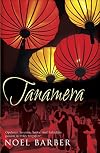
This was a wonderful novel covering a whole swath of Singaporean and Malayan history from the 1920s to the late 1950s, with a varied cast of characters from British planters, Chinese businessmen, ruthless Chinese guerrillas, heroic Malayan peasants, and various double agents of dubious provenance. This description may make it sound though this is a story of stereotypes, but it is anything but, covering difficult issues in relations between national and ethnic groups sensitively and from show more different viewpoints. Events inevitably focus mostly around the build up to the Second World War and its duration and aftermath, including the Communist insurgency of the late 1940s and 50s. Our central characters are Johnny Dexter, an English planter, who has grown up in Singapore in the eponymous house (which means "red earth" in Malay), built by his grandfather, and a Chinese girl Julie Soong, daughter of his father's business partner. They defy racial conventions of the time (on both English and Chinese sides) by becoming seriously involved, meeting with anger and rejection from their respective families. After a lot of vicissitudes, both romantic and war-related, they of course end up together.
As well as the central romantic narrative, the changing relations between the British and Malayan communities are obviously an ongoing theme. The Dexters are comparatively liberal and come to realise that independence is both inevitable and, ultimately, desirable. Before this all the communities in Singapore must go through the horrors of war, having until almost the last moment refused to believe that Singapore can truly be vulnerable to the Japanese. The sense of shock and dislocation is total. At the same time, despite horrific Japanese treatment of the Chinese in particular, the invaders have at the same time shown that the "yellow" man can overcome the white man. The final main sequence shows Julie and another woman being kidnapped by Communist guerrillas, including one who has a personal vendetta against Johnny. There are some quite horrifying and shocking scenes in this book, but also some beautiful descriptive passages, and a narrative drive that never flags. A great read. show less
As well as the central romantic narrative, the changing relations between the British and Malayan communities are obviously an ongoing theme. The Dexters are comparatively liberal and come to realise that independence is both inevitable and, ultimately, desirable. Before this all the communities in Singapore must go through the horrors of war, having until almost the last moment refused to believe that Singapore can truly be vulnerable to the Japanese. The sense of shock and dislocation is total. At the same time, despite horrific Japanese treatment of the Chinese in particular, the invaders have at the same time shown that the "yellow" man can overcome the white man. The final main sequence shows Julie and another woman being kidnapped by Communist guerrillas, including one who has a personal vendetta against Johnny. There are some quite horrifying and shocking scenes in this book, but also some beautiful descriptive passages, and a narrative drive that never flags. A great read. show less

I added titles from the defunct Common Reader catalog to my to-read list ages ago and finally thought to request them from the library. Not usually sympathetic to colonizers, I was not overly interested in the incident, and the book didn't inspire either or in the first few pages. With grotesque voyeurism, I flipped to the chapter, 3/4 of the way through, on the 14-hour horror itself. What I hadn't known that was worth learning was that the situation allowed the British to justify to show more themselves their stranglehold on India for the next nearly two centuries. show less

Barber's historical look into the 1756 Siege of Calcutta by Siraj-ud-Daula is chilling and fascinating all at once. His descriptions of the people involved in the struggle on their last day in the prison reaches a level that few historians can accomplish. Even though the first edition of this text was written 40 years ago, it still shows virtuosity and panache. Anyone interested in colonial history should read this.
I expected this 1980s book to be a little dated - a tale of cross-racial sex and marriage in Singapore in the early and mid 20th century has the potential to anchored in the time of the telling. But, against the odds, I found myself thoroughly enjoying it.
The son of a wealthy self-made British trading family in Singapore, born around the time of WW1, falls in love with the daughter of a wealthy self made Chinese trading family, around the time of WW2. The plot hangs on the fact that such show more cross-racial liaisons were only acceptable if they were temporary and/or paid for. An enduring relationship was beyond the pale. The lovers in this book treat their relationship as completely normal, and perhaps because such relationships are no longer anything other than routine, the effect wasn't jarring as the author intended to portray.
I also found the background of life in Singapore and the history of the island to be fascinating and apparently well researched. Not so the mention of the hero owning a pre-war Morris Minor - a car not produced until after WW2,.
Red Dec 2017 show less
The son of a wealthy self-made British trading family in Singapore, born around the time of WW1, falls in love with the daughter of a wealthy self made Chinese trading family, around the time of WW2. The plot hangs on the fact that such show more cross-racial liaisons were only acceptable if they were temporary and/or paid for. An enduring relationship was beyond the pale. The lovers in this book treat their relationship as completely normal, and perhaps because such relationships are no longer anything other than routine, the effect wasn't jarring as the author intended to portray.
I also found the background of life in Singapore and the history of the island to be fascinating and apparently well researched. Not so the mention of the hero owning a pre-war Morris Minor - a car not produced until after WW2,.
Red Dec 2017 show less
Lists
THE WAR ROOM (2)
You May Also Like


Associated Authors
Statistics
- Works
- 41
- Also by
- 4
- Members
- 1,676
- Popularity
- #15,334
- Rating
- 3.9
- Reviews
- 33
- ISBNs
- 210
- Languages
- 13
- Favorited
- 2