
Michaela DePrince (1995–2024)
Author of Taking Flight: From War Orphan to Star Ballerina
Works by Michaela DePrince
Hope in a Ballet Shoe: Orphaned by war, saved by ballet: an extraordinary true story (2014) — Author — 50 copies, 2 reviews
Born to Dance 1 copy
Associated Works
Tagged
Common Knowledge
- Legal name
- DePrince, Michaela Mabinty
- Other names
- Bangura, Mabinty (birth)
- Birthdate
- 1995-01-06
- Date of death
- 2024-09
- Gender
- female
- Occupations
- ballet dancer
- Organizations
- Joburg Ballet
Dance Theatre of Harlem
Dutch National Ballet
Boston Ballet
War Child Holland (ambassador) - Birthplace
- Sierra Leone
- Associated Place (for map)
- Sierra Leone
Members
Reviews
I love adoption memoirs and I love ballet memoirs, so it’s no surprise that I loved this book.
Mabinty was born to loving parents in Sierra Leone who treated her like a treasure even when other family members said it was a disappointment that she was a girl. They taught her to read at a very young age because their dream for her was an education. If you’re like me, you look at the photos first, and I was puzzled when I read that Mabinty was an only child, because there were lots of photos show more of her and her sister, who share a strong resemblance. Then Mabinty’s father was killed at his job in a diamond mine by rebels during the civil war, and her mother died of Lassa fever.Mabinty’s uncle took her to an orphanage, a real shady establishment, but at least there she was spared from starvation and being killed by rebel soldiers. She made a best friend there, also named Mabinty. (The children were ranked based by popularity and adoptability, so the two girls were known as Mabinty 26 and Mabinty 27, and referred to only by their numbers. Unfortunately there were only 27 children in the orphanage, so they were at the bottom of the pecking order and got the smallest amounts of food.) At one point our Mabinty finds an old copy of Dance Magazine. When she sees the ballerina on the cover, she knows that’s what she wants to be too. She was clearly born to dance ballet. All of this early material is told from a very authentic child’s POV. The bad people are fairy tale evil. Except it’s all real.
The whole orphanage had to evacuate to a refugee camp in Guinea. All the other children were given “family books” prepared by their American adoptive families, except our Mabinty. She is told no one wanted to adopt her because of her skin condition, vitiligo. So she reads her best friend Mabinty’s book, trying to live vicariously, but she’s heartbroken that not only was she not chosen, she’s going to lose her best friend too. But at the last moment she is told there is a family for her after all. Her best friend Mabinty’s new family has decided to adopt her too! So that was a fun surprise. And the mystery of the photos is solved.
I was even more surprised on the next page when we learn that her new parents had three much older living sons by birth as well as two sons by adoption named Michael and Cubby who had died of AIDS some years before. I realized I knew exactly who her new family was! I read her mother’s memoir/exposé Cry Bloody Murder in 1999. I had actually wanted to read it again, but couldn’t remember the name or the author’s name.
Having two children with the same name doesn’t work out, so the girls are given new American names, Michaela and Mia. They adjust to a very different life in the USA and the girls begin ballet lessons as soon as humanly possible. (Mia likes ballet okay, but she prefers playing the piano and oboe.) Then as the family is planning a trip to Scotland, the mom finds out about another girl from the same orphanage whose adoption has disrupted. “Can we take her?” she asks. “Of course not!” says the dad. “Do you know how complicated it would be to take someone else’s child to a foreign country?” “I mean can we adopt her?” the mom persists. The dad laughs. “I thought you wanted to take her to Scotland. Of course we can adopt her!” So Michaela gains another sister. During the course of the book, she gets three more sisters, but says almost nothing about them. I actually think that’s very smart. There was probably a lot of drama in their lives, and Michaela (and her mom who is the co-author) decided to keep that to themselves and give the sisters their privacy. There was definitely a focus in this book on keeping things positive.
However... I had a bad feeling that someone was going to die. I thought it was going to be sister Mia, but it turned out to be brother Teddy, who like his brothers was a hemophiliac and had contracted HIV/AIDS via contaminated blood-clotting product. I felt incredibly sympathy for this family, and I also admire their resilience. If even one of the things that happened to them happened to me, I would slink through the rest of my life barely getting by until at last I gratefully toppled into my own grave. But these people have dreams, drive, ambition, and a non-stop desire to help others. Which brings us to the ballet portion of this book.
I loved reading about Michaela’s dance studies and the competitions she was in and the different roles she learned. I would have liked even more about that but I know it’s hard to please everyone. I loved the part where she met Arthur Mitchell, and he gave her special coaching and truly terrible nicknames. And I loved when the family met Albert Evans at the New York State Theater but Michaela was afraid of him because he was wearing a camouflage pattern like the rebel soldiers in Sierra Leone. I loved when she found out who was the dancer on the magazine cover who had inspired her so much as a child (Magali Messac.) But it was sad reading about the institutionalized racism of the ballet world. I mean, basically, she encountered prejudiced assumptions everywhere (people constantly believe her to be her parents’ home health care aide) but it was particularly pernicious in the ballet setting. It seems as though nothing has changed much since Arthur Mitchell founded Dance Theatre of Harlem; it’s still incredibly unusual to find African-American ballerinas and there are as many bigoted stereotypes as ever.
Both writers, Micheala and her mother, were very modest about themselves. They had numerous opportunities to brag, but didn’t. I was very impressed at how Michaela’s mother could not only braid in hair extensions but could also create and dye a tutu from scratch. I’m glad that I had an opportunity to see Michaela dance with DTH during her year there, as I doubt I will ever see the company she is in now, the Dutch National Ballet.
Theme song: Dance of the Little Swans from Swan Lake by Tchaikovsky
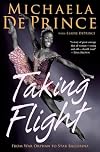
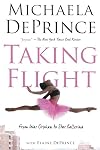
Book design: I can’t discuss this topic anymore, but I can pass on the reaction of the librarian as I checked out this book. I have taken hundreds of books out of that library, some extremely bizarre, but I only ever receive comments on books about ballet. The librarian said, “What a beautiful cover!” and stared at it. show less
Mabinty was born to loving parents in Sierra Leone who treated her like a treasure even when other family members said it was a disappointment that she was a girl. They taught her to read at a very young age because their dream for her was an education. If you’re like me, you look at the photos first, and I was puzzled when I read that Mabinty was an only child, because there were lots of photos show more of her and her sister, who share a strong resemblance. Then Mabinty’s father was killed at his job in a diamond mine by rebels during the civil war, and her mother died of Lassa fever.
The whole orphanage had to evacuate to a refugee camp in Guinea. All the other children were given “family books” prepared by their American adoptive families, except our Mabinty. She is told no one wanted to adopt her because of her skin condition, vitiligo. So she reads her best friend Mabinty’s book, trying to live vicariously, but she’s heartbroken that not only was she not chosen, she’s going to lose her best friend too. But at the last moment she is told there is a family for her after all. Her best friend Mabinty’s new family has decided to adopt her too! So that was a fun surprise. And the mystery of the photos is solved.
I was even more surprised on the next page when we learn that her new parents had three much older living sons by birth as well as two sons by adoption named Michael and Cubby who had died of AIDS some years before. I realized I knew exactly who her new family was! I read her mother’s memoir/exposé Cry Bloody Murder in 1999. I had actually wanted to read it again, but couldn’t remember the name or the author’s name.
Having two children with the same name doesn’t work out, so the girls are given new American names, Michaela and Mia. They adjust to a very different life in the USA and the girls begin ballet lessons as soon as humanly possible. (Mia likes ballet okay, but she prefers playing the piano and oboe.) Then as the family is planning a trip to Scotland, the mom finds out about another girl from the same orphanage whose adoption has disrupted. “Can we take her?” she asks. “Of course not!” says the dad. “Do you know how complicated it would be to take someone else’s child to a foreign country?” “I mean can we adopt her?” the mom persists. The dad laughs. “I thought you wanted to take her to Scotland. Of course we can adopt her!” So Michaela gains another sister. During the course of the book, she gets three more sisters, but says almost nothing about them. I actually think that’s very smart. There was probably a lot of drama in their lives, and Michaela (and her mom who is the co-author) decided to keep that to themselves and give the sisters their privacy. There was definitely a focus in this book on keeping things positive.
However... I had a bad feeling that someone was going to die. I thought it was going to be sister Mia, but it turned out to be brother Teddy, who like his brothers was a hemophiliac and had contracted HIV/AIDS via contaminated blood-clotting product. I felt incredibly sympathy for this family, and I also admire their resilience. If even one of the things that happened to them happened to me, I would slink through the rest of my life barely getting by until at last I gratefully toppled into my own grave. But these people have dreams, drive, ambition, and a non-stop desire to help others. Which brings us to the ballet portion of this book.
I loved reading about Michaela’s dance studies and the competitions she was in and the different roles she learned. I would have liked even more about that but I know it’s hard to please everyone. I loved the part where she met Arthur Mitchell, and he gave her special coaching and truly terrible nicknames. And I loved when the family met Albert Evans at the New York State Theater but Michaela was afraid of him because he was wearing a camouflage pattern like the rebel soldiers in Sierra Leone. I loved when she found out who was the dancer on the magazine cover who had inspired her so much as a child (Magali Messac.) But it was sad reading about the institutionalized racism of the ballet world. I mean, basically, she encountered prejudiced assumptions everywhere (people constantly believe her to be her parents’ home health care aide) but it was particularly pernicious in the ballet setting. It seems as though nothing has changed much since Arthur Mitchell founded Dance Theatre of Harlem; it’s still incredibly unusual to find African-American ballerinas and there are as many bigoted stereotypes as ever.
Both writers, Micheala and her mother, were very modest about themselves. They had numerous opportunities to brag, but didn’t. I was very impressed at how Michaela’s mother could not only braid in hair extensions but could also create and dye a tutu from scratch. I’m glad that I had an opportunity to see Michaela dance with DTH during her year there, as I doubt I will ever see the company she is in now, the Dutch National Ballet.
Theme song: Dance of the Little Swans from Swan Lake by Tchaikovsky
Book design: I can’t discuss this topic anymore, but I can pass on the reaction of the librarian as I checked out this book. I have taken hundreds of books out of that library, some extremely bizarre, but I only ever receive comments on books about ballet. The librarian said, “What a beautiful cover!” and stared at it. show less
This is a remarkable story - not only rags to riches, but starving to fed, abused to loved, endangered to safe. Michaela DePrince, born in Sierra Leone, war orphan and refugee, finds a ballet magazine at her orphanage and that treasure changes the entire trajectory of her life. She is adopted and adored by a white American family that has lost three hemophiliac sons to HIV. Her parents adopt four more West African daughters. They do everything in their power to make the girls feel secure, show more and yet all five are haunted by "debils", the child soldiers who raped and killed. Every loud male voice sends them fleeing. And yet they become swimming champions, ballerinas, and musicians.
Michaela also has vitiglio, a skin condition that causes loss of skin color in blotches. Happily, this does not prevent her from dancing with the ART, Dance Theatre of Harlem, and currently in the Dutch National Company. In a world where appearance is everything, where parents of white ballet students claim that her body is too "athletic" for ballet, she triumphs.
Michaela and Misty Copeland, another black ballerina, have recently shared their inspiring stories. Hopefully, classical ballet will seek out and promote black female dancers (black males are more plentiful in these companies) to be their swans, Dew Drop fairies, and firebirds! show less
Michaela also has vitiglio, a skin condition that causes loss of skin color in blotches. Happily, this does not prevent her from dancing with the ART, Dance Theatre of Harlem, and currently in the Dutch National Company. In a world where appearance is everything, where parents of white ballet students claim that her body is too "athletic" for ballet, she triumphs.
Michaela and Misty Copeland, another black ballerina, have recently shared their inspiring stories. Hopefully, classical ballet will seek out and promote black female dancers (black males are more plentiful in these companies) to be their swans, Dew Drop fairies, and firebirds! show less
I was really moved by Michaela DePrince's story as shown in the documentary, First Position. It's been wonderful watching her career take off with her move to HET National Ballet Company. I kept my eye on the American release date for this book and bought it the day it was released. I had a few hours yesterday so I sat down and read it cover to cover. It's heart wrenching and victorious. Her struggle in Sierra Leone as little more than a baby to discovering what it is to be a minority in a show more mixed family in the United States and finally what it means to break barriers of color in the professional ballet world. Miss DePrince is much to be admired and this book reveals a young lady still figuring it out. I hope all the best for her and I continue to watch her wonderful career as a dancer unfold.
Read the book and then pass it on. show less
Read the book and then pass it on. show less
I watched the ballet documentary "First Position" years ago when I was considering writing a novel with a teen competitive ballet dancer in it, and was delighted to find something I thought would help me with my research. Instead, I watched the DVD twice in one sitting, entranced. Michaela DePrince was in it, and I became a fan of hers. I raved about this book when I first read it, and I've read it twice since. DePrince is a war orphan who was adopted by an American couple and went on to show more become a professional ballerina. Her story doesn't gloss over tough subjects, but doesn't portray them in gory detail either. She's upfront about her emotions when everything was going on in the book, which can't have been easy to write about. She was adopted by a family who had adopted several other children over a period of years and continued to do so, and was adored by her adoptive parents. I was happy to read about it, and eager to read through her successes and her journey once again. I hope she continues to succeed. show less
Lists
Ballet Books (1)
Dance! (1)
Awards


You May Also Like


Associated Authors
Statistics
- Works
- 7
- Also by
- 2
- Members
- 644
- Popularity
- #39,180
- Rating
- 4.2
- Reviews
- 23
- ISBNs
- 35
- Languages
- 5