
Dominique Raccah
Author of Poetry Speaks Who I Am with CD: Poems of Discovery, Inspiration, Independence, and Everything Else
Works by Dominique Raccah
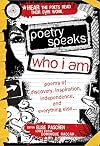
Poetry Speaks Who I Am with CD: Poems of Discovery, Inspiration, Independence, and Everything Else (2010) — Editor — 240 copies, 11 reviews
Associated Works
Poetry Speaks to Children, Read & Hear [book & CD] (2005) — Editor, some editions — 672 copies, 16 reviews
Poetry Speaks Expanded: Hear Poets Read Their Own Work from Tennyson to Plath (2007) — Series Editor — 157 copies, 2 reviews
Tagged
Common Knowledge
There is no Common Knowledge data for this author yet. You can help.
Members
Reviews
Poetry Speaks Who I Am with CD: Poems of Discovery, Inspiration, Independence, and Everything Else by Elise Paschen
I memorized some poetry when I was in 4th grade. It was a class requirement, but I really enjoyed it. Unfortunately, the poetry I memorized were mainly limericks; anything that wasn’t was some bit of doggerel that I read in a joke book. I never got into serious poetry, much to my eventual chagrin.
My daughter enjoys poetry. Most of what she reads is Shel Silverstein-ish poetry; a cut above my limericks, but still light. And most of the poetry geared toward kids is like that — I really show more think that one reason that kids have such a hard time when the hit high school and start doing more serious poetry is that they’ve been conditioned to think of poetry in very limited terms. Going from “Where the Sidewalk Ends” to Silvia Plath can be a bit disconcerting.
I’m not writing this to diss Silverstein, so don’t even comment if that’s what you’re thinking. I enjoy his work, and have memorized more than a couple of his poems. Both of my kids love his stuff, and as I keep mentioning, it’s far better than the crap I used to read and memorize. But there is more to poetry, and it’s important for kids to learn that, as early as possible.
Thankfully, there is the Poetry Speaks series. These books show kids poetry that they can relate to, that is serious (sometimes rather dark) and beautiful and emotional. There is a wide range in poets; in Poetry Speaks Who I Am, you can read selections from well-known poets like Maya Angelou, Edgar Allen Poe, Emily Dickinson, and lesser-known poets as well. There is free verse side-by-side with iambic pentameter. There is diversity in style.
There is also a diversity in subject and theme. Some poems explore coming of age themes (like Phillip Schultz’s “33″ and “49,” about the experience of a bar mitzvah, or even Parneshia Jones’ “Bra Shopping”). Others are classic self-exploration or self-statement (Maya Angelou contributes the classic “Still I Rise,” and of course there is Frost’s immortal “The Road Not Taken”). Elise Paschen has done an outstanding job of selecting work for this volume.
And there is audio. The book comes with a CD featuring many of the poets reading their work. I’ve always enjoyed hearing poetry read more than reading it myself (unless I’m reading out loud — odd, I know). And I think this is the part of the book my daughter (8) enjoys the most. Even after I took the book to read myself before writing this review, she was still enjoying the CD, listening to the poems.
If you have kids, you should look into this series, and this book. It will teach your kids about poetry; about rhythm, rhyme, meter, and all of that, but also about emotion and expression. It will teach them about rules, and when it’s OK to break them. And it will teach them that there is a huge diversity of poetry, and not all of it is happy. They’ll learn that some of the best poetry is born out of sorry, or difficulty, and they may learn that they like writing the stuff themselves. show less
My daughter enjoys poetry. Most of what she reads is Shel Silverstein-ish poetry; a cut above my limericks, but still light. And most of the poetry geared toward kids is like that — I really show more think that one reason that kids have such a hard time when the hit high school and start doing more serious poetry is that they’ve been conditioned to think of poetry in very limited terms. Going from “Where the Sidewalk Ends” to Silvia Plath can be a bit disconcerting.
I’m not writing this to diss Silverstein, so don’t even comment if that’s what you’re thinking. I enjoy his work, and have memorized more than a couple of his poems. Both of my kids love his stuff, and as I keep mentioning, it’s far better than the crap I used to read and memorize. But there is more to poetry, and it’s important for kids to learn that, as early as possible.
Thankfully, there is the Poetry Speaks series. These books show kids poetry that they can relate to, that is serious (sometimes rather dark) and beautiful and emotional. There is a wide range in poets; in Poetry Speaks Who I Am, you can read selections from well-known poets like Maya Angelou, Edgar Allen Poe, Emily Dickinson, and lesser-known poets as well. There is free verse side-by-side with iambic pentameter. There is diversity in style.
There is also a diversity in subject and theme. Some poems explore coming of age themes (like Phillip Schultz’s “33″ and “49,” about the experience of a bar mitzvah, or even Parneshia Jones’ “Bra Shopping”). Others are classic self-exploration or self-statement (Maya Angelou contributes the classic “Still I Rise,” and of course there is Frost’s immortal “The Road Not Taken”). Elise Paschen has done an outstanding job of selecting work for this volume.
And there is audio. The book comes with a CD featuring many of the poets reading their work. I’ve always enjoyed hearing poetry read more than reading it myself (unless I’m reading out loud — odd, I know). And I think this is the part of the book my daughter (8) enjoys the most. Even after I took the book to read myself before writing this review, she was still enjoying the CD, listening to the poems.
If you have kids, you should look into this series, and this book. It will teach your kids about poetry; about rhythm, rhyme, meter, and all of that, but also about emotion and expression. It will teach them about rules, and when it’s OK to break them. And it will teach them that there is a huge diversity of poetry, and not all of it is happy. They’ll learn that some of the best poetry is born out of sorry, or difficulty, and they may learn that they like writing the stuff themselves. show less
Poetry Speaks Who I Am with CD: Poems of Discovery, Inspiration, Independence, and Everything Else by Elise Paschen
It’s National Poetry Month, and could there be a better way to celebrate than with a first-rate collection of poems for middle grade readers? Even better, these poems focus on a topic that weighs heavy on the minds of young readers: personal identity. The poems come at this broad theme from many angles, sometimes taking it on very directly as in Gwendolyn Brooks’ poem “I Am Black,” sometimes in a more roundabout way.
I was especially impressed by the diversity of poets and poems that show more were chosen for inclusion. The collection presents a well-balanced mix of the old and the new, the serious and the funny, the well-known and the unfamiliar. But more than that, the poems come from a truly diverse group of poets. The editor has clearly put thought into the gender, race, class, and religious backgrounds of the contributors, and because of this careful selection every reader is likely to find a poem that will speak to who he or she is. Despite being well outside the target age of this anthology, the dog-eared pages of my copy show that I made my own connections to many selections.
The book opens with “Eternity” by Jason Shinder, which is a lovely introduction to the bond that can form between a reader and a writer of poetry, despite differences of time and culture. By highlighting a strong personal connection to poetry from the very first selection, the editor encourages young readers to make their own connections to the featured poems. Several more poems are specifically about the act of reading or writing poetry, and the book ends with a section of blank lined pages that encourage the reader to become a writer of poetry. I liked the sense of progression that these selections seem to encourage, starting as a reader of poetry, moving on to a person who makes a personal connection with poetry, and ending as a poet.
The selections move easily from one poem to the next, especially considering the wide variety of poetry that is included. The collection flows from theme to theme, and makes some nice connections along the way. Putting a poem in which John Keats addresses his fear of death next to the wonderful “Fears of the Eighth Grade” by Toi Derricotte, a modern poem about the fears of a middle school class, shows very starkly how the most universal themes stay the same. A few very explicit connections like this one will catch the attention of even a less-than-careful reader and will encourage them to make other connections between the poems.
I did find the artwork, which is on every page, a little bit distracting – particularly because much of it looks very pixelated and it covers words in two poems. I have a feeling that some of this will be fixed in the final book – I will be looking forward to seeing how it all comes together. A cd of the poets reading their work is included, and it makes a nice supplement to the collection. Molly Peacock’s audio segment addresses her personal identity and how it relates to her poem – including some word play that relates to ientity within the poem. It’s a nice way to add content, and will also help some readers who are not familiar to poetry get a feel for the rhythms of the poems they read. show less
I was especially impressed by the diversity of poets and poems that show more were chosen for inclusion. The collection presents a well-balanced mix of the old and the new, the serious and the funny, the well-known and the unfamiliar. But more than that, the poems come from a truly diverse group of poets. The editor has clearly put thought into the gender, race, class, and religious backgrounds of the contributors, and because of this careful selection every reader is likely to find a poem that will speak to who he or she is. Despite being well outside the target age of this anthology, the dog-eared pages of my copy show that I made my own connections to many selections.
The book opens with “Eternity” by Jason Shinder, which is a lovely introduction to the bond that can form between a reader and a writer of poetry, despite differences of time and culture. By highlighting a strong personal connection to poetry from the very first selection, the editor encourages young readers to make their own connections to the featured poems. Several more poems are specifically about the act of reading or writing poetry, and the book ends with a section of blank lined pages that encourage the reader to become a writer of poetry. I liked the sense of progression that these selections seem to encourage, starting as a reader of poetry, moving on to a person who makes a personal connection with poetry, and ending as a poet.
The selections move easily from one poem to the next, especially considering the wide variety of poetry that is included. The collection flows from theme to theme, and makes some nice connections along the way. Putting a poem in which John Keats addresses his fear of death next to the wonderful “Fears of the Eighth Grade” by Toi Derricotte, a modern poem about the fears of a middle school class, shows very starkly how the most universal themes stay the same. A few very explicit connections like this one will catch the attention of even a less-than-careful reader and will encourage them to make other connections between the poems.
I did find the artwork, which is on every page, a little bit distracting – particularly because much of it looks very pixelated and it covers words in two poems. I have a feeling that some of this will be fixed in the final book – I will be looking forward to seeing how it all comes together. A cd of the poets reading their work is included, and it makes a nice supplement to the collection. Molly Peacock’s audio segment addresses her personal identity and how it relates to her poem – including some word play that relates to ientity within the poem. It’s a nice way to add content, and will also help some readers who are not familiar to poetry get a feel for the rhythms of the poems they read. show less
Poetry Speaks Who I Am with CD: Poems of Discovery, Inspiration, Independence, and Everything Else by Elise Paschen
Elise Paschen’s Poetry Speaks Who I Am combines written verse with audio recitation of poetry by the poets themselves on CDs spark young readers’ love of poetry and verse. Readers between the ages of 11 and 14 will find poems in this volume that speak to their struggles with love, family, growing into adulthood, and making friends.
“[Paschen says,:] For me this poetry is life altering. It’s gritty. It’s difficult. And it hurts in all the ways that growing hurts. It’s meant to be show more visceral and immediate. It’s meant to be experienced.” (Page XI)
Gritty and real are the best terms to describe the struggles within these lines of verse, from being the only white kid in school to being a Black person at a time when political correctness suggests you are African-America. But more than that, there are poems about bra shopping — the stepping stones of becoming a woman — and the realization that the world is not perfect and that wars do exist.
Bra Shopping by Parneshia Jones (Page 16)
Mama and I enter into no man’s, and I mean no man in sight, land
of frilly lace, night gowns, grandma panties, and support everything.
A wall covered with hundreds of white bras, some with lace, ribbons,
and frills like party favors, as if bras are a cause for celebration.
Some have these dainty ditsy bows in the middle.
That’s a nice accent don’t you think? Mama says. Isn’t that cute?
Like a dumb bow in the middle of the bra will take away some of the
attention from two looking, bulging tissues.
Full of wit and sarcasm, this poem illustrates the angst and embarrassment of the narrator as she shops for bras with her mother under the watchful eye of the sales clerk. A number of poems illustrate these feelings of awkwardness and tenderness between friends and parents.
The audio CD that comes with the book is stunning as each poem is read with emphasis and care either by the poet themselves or a contemporary counterpart. In some cases, the poems are accompanied by ambient noise and/or nature sounds. Some poems will garner young readers’ attentions more than others, but overall the CD works.
Used Book Shop by X.J. Kennedy (Page 108)
Stashed in attics,
stuck in cellars,
forgotten books
once big best-sellers
now hopefully sit
where folks, like cows
in grassy meadows,
stand and browse.
In a yellowed old history
of Jesse James
two earlier owners
had scrawled their names.
I even found
a book my dad
when he was in high school
had once had,
and a book I found –
this is really odd –
was twice as much fun
as my new iPod.
I always get hooked
in this dusty shop.
Like eating popcorn,
it’s hard to stop.
Poetry Speaks Who I Am is a wonderful collection of classic and contemporary poems from the likes of Langston Hughes and Lucille Clifton to the contemporary works of Billy Collins and Molly Peacock. Each poem will reach out to young adolescents in new and exciting ways, having them nod their heads in agreement as emotions, situations, and dilemmas are unleashed in verse. Moreover, the poems selected in this volume will not have readers scratching their heads, wondering what it all means. These poems are straight forward and get to the heart of the adolescent matter. show less
“[Paschen says,:] For me this poetry is life altering. It’s gritty. It’s difficult. And it hurts in all the ways that growing hurts. It’s meant to be show more visceral and immediate. It’s meant to be experienced.” (Page XI)
Gritty and real are the best terms to describe the struggles within these lines of verse, from being the only white kid in school to being a Black person at a time when political correctness suggests you are African-America. But more than that, there are poems about bra shopping — the stepping stones of becoming a woman — and the realization that the world is not perfect and that wars do exist.
Bra Shopping by Parneshia Jones (Page 16)
Mama and I enter into no man’s, and I mean no man in sight, land
of frilly lace, night gowns, grandma panties, and support everything.
A wall covered with hundreds of white bras, some with lace, ribbons,
and frills like party favors, as if bras are a cause for celebration.
Some have these dainty ditsy bows in the middle.
That’s a nice accent don’t you think? Mama says. Isn’t that cute?
Like a dumb bow in the middle of the bra will take away some of the
attention from two looking, bulging tissues.
Full of wit and sarcasm, this poem illustrates the angst and embarrassment of the narrator as she shops for bras with her mother under the watchful eye of the sales clerk. A number of poems illustrate these feelings of awkwardness and tenderness between friends and parents.
The audio CD that comes with the book is stunning as each poem is read with emphasis and care either by the poet themselves or a contemporary counterpart. In some cases, the poems are accompanied by ambient noise and/or nature sounds. Some poems will garner young readers’ attentions more than others, but overall the CD works.
Used Book Shop by X.J. Kennedy (Page 108)
Stashed in attics,
stuck in cellars,
forgotten books
once big best-sellers
now hopefully sit
where folks, like cows
in grassy meadows,
stand and browse.
In a yellowed old history
of Jesse James
two earlier owners
had scrawled their names.
I even found
a book my dad
when he was in high school
had once had,
and a book I found –
this is really odd –
was twice as much fun
as my new iPod.
I always get hooked
in this dusty shop.
Like eating popcorn,
it’s hard to stop.
Poetry Speaks Who I Am is a wonderful collection of classic and contemporary poems from the likes of Langston Hughes and Lucille Clifton to the contemporary works of Billy Collins and Molly Peacock. Each poem will reach out to young adolescents in new and exciting ways, having them nod their heads in agreement as emotions, situations, and dilemmas are unleashed in verse. Moreover, the poems selected in this volume will not have readers scratching their heads, wondering what it all means. These poems are straight forward and get to the heart of the adolescent matter. show less
Poetry Speaks Who I Am: 100 Poems of Discovery, Inspiration, Independence, and Everything Else for Teens (A Poetry Speaks Experience, Includes CD) by Elise Paschen
Poetry Speaks: Who I Am is a unique anthology of poems selected especially for teens. The collection includes over 100 poems from both classic and contemporary poets like Langston Hughes, Maya Angelou, Sandra Cisneros and many others. Titles range from "The Road Not Taken" to "Bra Shopping" to "Indian Education." The poems reflect themes that matter to young people—identity, family, love, loss, friendship, belonging, and self-discovery.
What makes this anthology stand out is how it show more encourages personal reflection. Many poems are accompanied by brief notes from teens who explain why the piece resonates with them. There are unique lined pages in the back of the book so readers are invited to respond with their own thoughts, poems, or journal entries.
This book is great for middle and high school students who are figuring out their voice and want to see themselves and their feelings reflected in poetry. show less
What makes this anthology stand out is how it show more encourages personal reflection. Many poems are accompanied by brief notes from teens who explain why the piece resonates with them. There are unique lined pages in the back of the book so readers are invited to respond with their own thoughts, poems, or journal entries.
This book is great for middle and high school students who are figuring out their voice and want to see themselves and their feelings reflected in poetry. show less
Awards

You May Also Like
Associated Authors
Statistics
- Works
- 2
- Also by
- 2
- Members
- 241
- Popularity
- #94,247
- Rating
- 4.0
- Reviews
- 11
- ISBNs
- 3