
Yamuna Devi (1942–2011)
Author of Lord Krishna's Cuisine: The Art of Indian Vegetarian Cooking
About the Author
Works by Yamuna Devi
The Best of Lord Krishna's Cuisine: Favorite Recipes from The Art of Vegetarian Cooking (1991) 86 copies
Yamuna's Table: Healthy Vegetarian Cuisine Inspired by the Flavors of India (1992) 77 copies, 1 review
Associated Works
Ethnic Chicago Cookbook: Ethnic-Inspired Recipes from the Pages of The Chicago Tribune (1998) — Contributor — 15 copies
Tagged
Common Knowledge
- Legal name
- Campanella, Joan
- Birthdate
- 1942
- Date of death
- 2011-12-20
- Gender
- female
- Organizations
- International Society for Krishna Consciousness
- Places of residence
- San Francisco, California, USA
London, England, UK
Canada
Florida, USA - Place of death
- Melbourne Beach, Florida, USA
- Map Location
- USA
Members
Reviews
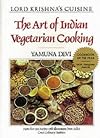
This cookbook contains a huge variety of vegetarian recipes from India, covering a large part of the continent. If you could only have one Indian cookbook, this would be the one. It's probably the cookbook I've read most thoroughly (except for Laurel's kitchen, maybe) and definitely the one I've used the most.
All the recipes are vegetarian, most are vegan (or can be made vegan by substituting oil for the butter or ghee) and all are also Vedic, which means that there are no onions or garlic show more throughout.
There's not a single call for "curry powder" that I can recall, instead each recipe has its own combinations of spices customized for the ingredients, the region and the flavoring. It does call for "garam masala", but there's not just one but 8 different recipes for this mixture from many of the different regions of the country.
There are a few areas of the book that I use less, but have still played with a bit. Making cheese was a real let down for me; it just took more time to boil the milk than it was worth to me. Making ghee (clarified butter) made the house smell wonderful, but after a few times trying this, I found some commercial ghee that was just as good at the co-op.
I've recently gotten a crock pot and have begun playing with using it for the soup (dahl) recipes. So far, I've had pretty good success converting them with no real changes.
Some of the ingredients have been challenging to find. The local grocery stores and co-ops carry the majority of the ingredients (for instance cilantro is in most stores these days) but an annual visit or two to an Indian grocery usually keeps me pretty well stocked on the harder to find items. They've even started selling frozen versions of some things like paneer and many of the different Indian flat breads. For those people who don't have an Indian grocery in their area, she lists several mail order sources. And finally, if you can't find something, just turn the page to another recipe with less hard to find ingredients. show less
All the recipes are vegetarian, most are vegan (or can be made vegan by substituting oil for the butter or ghee) and all are also Vedic, which means that there are no onions or garlic show more throughout.
There's not a single call for "curry powder" that I can recall, instead each recipe has its own combinations of spices customized for the ingredients, the region and the flavoring. It does call for "garam masala", but there's not just one but 8 different recipes for this mixture from many of the different regions of the country.
There are a few areas of the book that I use less, but have still played with a bit. Making cheese was a real let down for me; it just took more time to boil the milk than it was worth to me. Making ghee (clarified butter) made the house smell wonderful, but after a few times trying this, I found some commercial ghee that was just as good at the co-op.
I've recently gotten a crock pot and have begun playing with using it for the soup (dahl) recipes. So far, I've had pretty good success converting them with no real changes.
Some of the ingredients have been challenging to find. The local grocery stores and co-ops carry the majority of the ingredients (for instance cilantro is in most stores these days) but an annual visit or two to an Indian grocery usually keeps me pretty well stocked on the harder to find items. They've even started selling frozen versions of some things like paneer and many of the different Indian flat breads. For those people who don't have an Indian grocery in their area, she lists several mail order sources. And finally, if you can't find something, just turn the page to another recipe with less hard to find ingredients. show less
This book is like a Betty Crocker or Fannie Farmer of Indian cooking. It covers everything you need to know and proves definitively that a vegetarian diet is both delicious and varied. Also included is anecdotal information and an encyclopedia of ingredients. It's definitely a book that should be in every kitchen.
I've never been disappointed by a recipe in this book. My catering company did very well with the various samosas in here.
this is a great book--broad recipes and most of them aren't too complicated, but there are some more involved ones for days when you want to spend the day in the kitchen.
Awards

You May Also Like


Associated Authors
Statistics
- Works
- 5
- Also by
- 1
- Members
- 785
- Popularity
- #32,426
- Rating
- 4.3
- Reviews
- 10
- ISBNs
- 13
- Favorited
- 2