
Alli Sinclair
Author of The Codebreakers
About the Author
Works by Alli Sinclair
Tagged
Common Knowledge
There is no Common Knowledge data for this author yet. You can help.
Members
Reviews
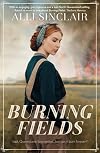
I have a really soft spot for Australian historical fiction. I honestly believe that I’ve learned more about our country from reading than I did in school – and of course, it’s a lot more pleasurable. One part of Aussie history I’m particularly interested in is the post-WWII era, when people from many different cultures came to Australia. Burning Fields covers the arrival of an Italian family to the sugar cane growing area of northern Queensland brilliantly and also the (slowly) show more changing role of women post war. Wrapped up beautifully in a story about family and romance, this is a fantastic book to spend a rainy weekend with.
Rosie Stanton, the heroine, returns home to the family cane farm to find things much changed. She’s coy about why she left Brisbane, but years working for the Australian Women’s Army Service have shown her that women have an active role to play anywhere. Unfortunately, her father and her home town haven’t moved with the times. Her father is reluctant to let Rosie play any role in the farm, despite having strong skills in accounting and mechanics. Her mother is falling apart after the loss of her brothers. Rosie’s growing friendship with Tomas Conti, recent arrival from Italy and part of the family who owns the neighbouring farm, is viewed with hostility. It seems that nobody wants Rosie’s knowledge and skills, unless it’s for ‘traditional’ women’s roles. But when Rosie’s father becomes ill, Rosie steps up to run the farm. People aren’t happy with the way she is doing things and Tomas’s own family is warning Rosie to stay away from him. Can Rosie make her way forward?
Alli Sinclair cleverly illustrates the old attitudes towards women and immigrants in Burning Fields without preaching. It fits in perfectly with the story and having Rosie as a strong, independent heroine further highlights the differences in a time that really wasn’t that long ago. Rosie isn’t perfect though, which makes her all the more likeable to the reader. She’s frustrated with the men in town treating her like dirt and her initial reaction to a family secret is honest (if not all that ladylike!) Tomas is a sweet hero. When I say sweet, I mean that he’s modern and content to let Rosie find her own way while he supports her in the background. His own war history was also fascinating to read, as it revealed a period in history I didn’t know a lot about. There is another character who nearly steals the show – Tomas’s Nonna. Nonna is a feisty lady who fully believes in the rights of women and cares deeply for her family. Nonna is also not backwards in coming forwards. She also introduces Rosie to the pleasures of delicious Italian food!
Overall, Burning Fields is a lovely story that details the role of women in the post-war era combined with a delightful romance. Definitely a fun read!
http://samstillreading.wordpress.com show less
Rosie Stanton, the heroine, returns home to the family cane farm to find things much changed. She’s coy about why she left Brisbane, but years working for the Australian Women’s Army Service have shown her that women have an active role to play anywhere. Unfortunately, her father and her home town haven’t moved with the times. Her father is reluctant to let Rosie play any role in the farm, despite having strong skills in accounting and mechanics. Her mother is falling apart after the loss of her brothers. Rosie’s growing friendship with Tomas Conti, recent arrival from Italy and part of the family who owns the neighbouring farm, is viewed with hostility. It seems that nobody wants Rosie’s knowledge and skills, unless it’s for ‘traditional’ women’s roles. But when Rosie’s father becomes ill, Rosie steps up to run the farm. People aren’t happy with the way she is doing things and Tomas’s own family is warning Rosie to stay away from him. Can Rosie make her way forward?
Alli Sinclair cleverly illustrates the old attitudes towards women and immigrants in Burning Fields without preaching. It fits in perfectly with the story and having Rosie as a strong, independent heroine further highlights the differences in a time that really wasn’t that long ago. Rosie isn’t perfect though, which makes her all the more likeable to the reader. She’s frustrated with the men in town treating her like dirt and her initial reaction to a family secret is honest (if not all that ladylike!) Tomas is a sweet hero. When I say sweet, I mean that he’s modern and content to let Rosie find her own way while he supports her in the background. His own war history was also fascinating to read, as it revealed a period in history I didn’t know a lot about. There is another character who nearly steals the show – Tomas’s Nonna. Nonna is a feisty lady who fully believes in the rights of women and cares deeply for her family. Nonna is also not backwards in coming forwards. She also introduces Rosie to the pleasures of delicious Italian food!
Overall, Burning Fields is a lovely story that details the role of women in the post-war era combined with a delightful romance. Definitely a fun read!
http://samstillreading.wordpress.com show less
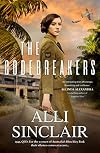
"The Codebreakers" was a fascinating novel by Alli Sinclair. It was inspired by the work Australian women carried out during WWII. Despite the loss of loved ones, harassment and sexism, these women were courageous, inspirational, loyal and highly intelligent. Sworn to secrecy, these women were responsible for saving hundreds of lives as they intercepted signals from around the world, mainly those being sent in the Pacific region. Their work and the need to keep what they did top-secret put a show more strain on their relationships, and it wasn't until 2011 that they were formally recognised for their efforts in helping to reduce the war by at least two years. It makes me sad knowing that, while their male counterparts were showered with medals and accolades, what these amazing women did was hidden for so many years. Shameful!
While I am familiar with Bletchley Park and its role in the war efforts, I had no idea that there were women doing a similar job in Australia. This story was beautifully written and extremely well researched, and highlighted the special work these women did in a garage at Nyrambia. I loved the close bond that formed between the Garage Girls. With very likeable characters, strong female camaraderie, a rural Queensland backdrop and highlighting an interesting part of Australian history that was not known until recently, "The Codebreakers" was a terrific read and would make an exciting movie. show less
While I am familiar with Bletchley Park and its role in the war efforts, I had no idea that there were women doing a similar job in Australia. This story was beautifully written and extremely well researched, and highlighted the special work these women did in a garage at Nyrambia. I loved the close bond that formed between the Garage Girls. With very likeable characters, strong female camaraderie, a rural Queensland backdrop and highlighting an interesting part of Australian history that was not known until recently, "The Codebreakers" was a terrific read and would make an exciting movie. show less
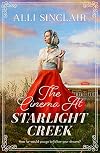
Alli Sinclair’s latest novel, The Cinema at Starlight Creek, has an absolutely beautiful cover and the story inside is just as gorgeous. Tying together a story that goes beyond the glamour of Old Hollywood with life behind the scenes in the 1990s, it’s a read that is full of surprises.
In the 1990s, Claire Montgomery is a location manager for a television series. Her task is to find locations for a series about a female Art Deco architect in outback Queensland. Just when she thinks show more she’s nailed it; unexpected drama means that she needs to find new locations and fast. She finds the perfect replacement in Starlight Creek, but it’s a place that isn’t very friendly or welcoming. Some inhabitants like Luke Jackson run hot and cold while others are openly disapproving. Claire doesn’t know which way things will turn out. In 1950s Hollywood, Lena Lee is an actress in the background, constantly frustrated by the underhand tactics of her main rival and the code that censors her movies. After some bold moves over time, she’s almost on top, but not without a lot of compromise. Can she change things for women in the industry or will the business take her down?
I must admit that I loved Lena’s story, but wasn’t so keen on Claire’s. Lena’s life is glamourous on the outside but takes the reader into the areas of Hollywood that aren’t so glamourous. Censorship and the extreme fear of communists or anyone who is just different has everyone looking over their shoulder a number of times more than they want to. The manufactured relationship a constant couple pairing was also fascinating. Lena’s drive is also very clear – she wants to be on top, and she wants to help other women who are struggling. I felt Claire’s determination was less clear and constant. At one time, she was fighting with all her heart to secure a cinema for filming, but later on she seems to have lost her way and willingness to fight for the location or job or her love. There were also multiple plot threads for Claire that didn’t really go that far, such as the rivalry with her colleague. It’s mentioned, but it doesn’t really eventuate into a strong plotline. With the changing of timelines between chapters, I felt some of Claire’s focus was lost. She is still an interesting character, but I tended to forget where she was ‘at’ in her character arc when compared with the fantastic Lena.
These small niggles aside, The Cinema at Starlight Creek is a delightful story. The descriptions of the cinema made me wish I could see it in person. The descriptions of the struggles that Lena, Claire and their friends face, such as gender equality, sexuality and treading your own path are sensitively and appropriately handled. I’d love to read more of the glamour of Hollywood life by Alli Sinclair!
Thank you to Harlequin and the author for the ARC. My review is honest.
http://samstillreading.wordpress.com show less
In the 1990s, Claire Montgomery is a location manager for a television series. Her task is to find locations for a series about a female Art Deco architect in outback Queensland. Just when she thinks show more she’s nailed it; unexpected drama means that she needs to find new locations and fast. She finds the perfect replacement in Starlight Creek, but it’s a place that isn’t very friendly or welcoming. Some inhabitants like Luke Jackson run hot and cold while others are openly disapproving. Claire doesn’t know which way things will turn out. In 1950s Hollywood, Lena Lee is an actress in the background, constantly frustrated by the underhand tactics of her main rival and the code that censors her movies. After some bold moves over time, she’s almost on top, but not without a lot of compromise. Can she change things for women in the industry or will the business take her down?
I must admit that I loved Lena’s story, but wasn’t so keen on Claire’s. Lena’s life is glamourous on the outside but takes the reader into the areas of Hollywood that aren’t so glamourous. Censorship and the extreme fear of communists or anyone who is just different has everyone looking over their shoulder a number of times more than they want to. The manufactured relationship a constant couple pairing was also fascinating. Lena’s drive is also very clear – she wants to be on top, and she wants to help other women who are struggling. I felt Claire’s determination was less clear and constant. At one time, she was fighting with all her heart to secure a cinema for filming, but later on she seems to have lost her way and willingness to fight for the location or job or her love. There were also multiple plot threads for Claire that didn’t really go that far, such as the rivalry with her colleague. It’s mentioned, but it doesn’t really eventuate into a strong plotline. With the changing of timelines between chapters, I felt some of Claire’s focus was lost. She is still an interesting character, but I tended to forget where she was ‘at’ in her character arc when compared with the fantastic Lena.
These small niggles aside, The Cinema at Starlight Creek is a delightful story. The descriptions of the cinema made me wish I could see it in person. The descriptions of the struggles that Lena, Claire and their friends face, such as gender equality, sexuality and treading your own path are sensitively and appropriately handled. I’d love to read more of the glamour of Hollywood life by Alli Sinclair!
Thank you to Harlequin and the author for the ARC. My review is honest.
http://samstillreading.wordpress.com show less
The Codebreakers is a novel that makes a story out of a little-known part of Australian war history and brings it to life through fiction. Set in World War II Brisbane, the story focuses on Ellie O’Sullivan who is recruited to work for the little-known Central Bureau. Through Ellie and her friends, the novel covers many of the facets of war in a story that is never boring.
Ellie is working as an engineer for Qantas when she keeps getting requests from a mystery army man. Eventually she show more gives in and takes the test he’s asking about, followed by recruitment into Central Bureau. Ellie has no idea who put her up for this or what it entails, but she wants to do her part for the war effort. This means moving from away from her roommate and landlady (who have become friends) and into the barracks. Once there, she finds an old friend in Florry and new ones. The work of the Garage Girls, as they call themselves, is to decipher communications from the Japanese using the Typex machines and support the work of Bletchley Park and other codebreaking units. But it’s not all codes, as the women have to fight their own battles – which include loss, betrayal, assault and the secrets that they must never reveal. These secrets hang heavy on the women in different ways, with some not wanting to discuss their war jobs and others like Ellie, wanting to be able to unburden on to others.
Alli Sinclair has done a great job of bringing these women to life and illustrating what an important job that did during the war. The research that has been done is clear, from the references to the grand house and garage where the women worked (Nyrambla – worth checking out) and the way the machine worked. There is a lot of drama happening and at times I wished that there was more on the dramatic events (for example, a character gets stabbed, wakes up in hospital and is back at work within a few pages) to really tease out the high stakes. Ellie is a great character who goes through a lot, but sometimes I did agree with other characters who said she looked on the bright side too often! (Although I don’t think I would have liked her so much if she was a misery guts). It was also nice that the story didn’t end with the end of the war, as the post-war years were just as tumultuous in different ways. I felt Ellie’s boredom and feelings of no longer being useful were captured really well. It’s an easy read, even though it’s quite big at over 460 pages as the story is gripping with never a dull moment. It’s a great read to learn more about little known aspects of Australian history and have fun along the way.
Thank you to Harlequin for the copy of this book. My review is honest.
http://samstillreading.wordpress.com show less
Ellie is working as an engineer for Qantas when she keeps getting requests from a mystery army man. Eventually she show more gives in and takes the test he’s asking about, followed by recruitment into Central Bureau. Ellie has no idea who put her up for this or what it entails, but she wants to do her part for the war effort. This means moving from away from her roommate and landlady (who have become friends) and into the barracks. Once there, she finds an old friend in Florry and new ones. The work of the Garage Girls, as they call themselves, is to decipher communications from the Japanese using the Typex machines and support the work of Bletchley Park and other codebreaking units. But it’s not all codes, as the women have to fight their own battles – which include loss, betrayal, assault and the secrets that they must never reveal. These secrets hang heavy on the women in different ways, with some not wanting to discuss their war jobs and others like Ellie, wanting to be able to unburden on to others.
Alli Sinclair has done a great job of bringing these women to life and illustrating what an important job that did during the war. The research that has been done is clear, from the references to the grand house and garage where the women worked (Nyrambla – worth checking out) and the way the machine worked. There is a lot of drama happening and at times I wished that there was more on the dramatic events (for example, a character gets stabbed, wakes up in hospital and is back at work within a few pages) to really tease out the high stakes. Ellie is a great character who goes through a lot, but sometimes I did agree with other characters who said she looked on the bright side too often! (Although I don’t think I would have liked her so much if she was a misery guts). It was also nice that the story didn’t end with the end of the war, as the post-war years were just as tumultuous in different ways. I felt Ellie’s boredom and feelings of no longer being useful were captured really well. It’s an easy read, even though it’s quite big at over 460 pages as the story is gripping with never a dull moment. It’s a great read to learn more about little known aspects of Australian history and have fun along the way.
Thank you to Harlequin for the copy of this book. My review is honest.
http://samstillreading.wordpress.com show less
Lists
Statistics
- Works
- 13
- Members
- 121
- Popularity
- #164,306
- Rating
- 3.7
- Reviews
- 11
- ISBNs
- 64
- Languages
- 1