
Donald J. Sobol (1924–2012)
Author of Encyclopedia Brown, Boy Detective
About the Author
Donald J. Sobol was born in the Bronx, New York on October 4, 1924. During World War II, he served in the Army as a sergeant in a combat engineer battalion in the Pacific. He received a B.A. degree from Oberlin College. He worked as a copy boy and then a reporter at The New York Sun and The Long show more Island Daily Press. In 1959, he began writing a syndicated fiction column called Two-Minute Mysteries. He is the creator of the Encyclopedia Brown series. His first book, Encyclopedia Brown, Boy Detective, was published in 1963. During his lifetime, he wrote more than 80 books. In 1976, he won an Edgar Award from the Mystery Writers of America for the Encyclopedia Brown series. He died from gastric lymphoma on July 11, 2012 at the age of 87. (Bowker Author Biography) show less
Series
Works by Donald J. Sobol
Encyclopedia Brown Double Mystery #1: Featured mysteries from Encyclopedia Brown, Boy Detective (2012) 20 copies
Encyclopedia Brown [4 Novels] (Enclyclopedia Brown Finds the Clues/Carries On/The Case of the Dead Eagles/The Exploding Plumbing) (1975) 4 copies
Encyclopedia Brown Double Mystery #2: Featured mysteries from Encyclopedia Brown, Boy Detective (2012) 4 copies
Encyclopaedia Brown : Boy detective ; Solves them all ; Saves the day : three books in one (1982) 3 copies
The Double Quest 3 copies
Encyclopedia Brown Double Mystery #4: Featured mysteries from Encyclopedia Brown, Boy Detective (2012) 2 copies
Encyclopedia Brown Double Mystery #3: Featured mysteries from Encyclopedia Brown, Boy Detective (2012) 2 copies
Encyclopedia Brown Double Mystery #5: Featured mysteries from Encyclopedia Brown, Boy Detective (2012) 2 copies
The Wide Window 1 copy
Strange But True 1 copy
Encyclopedia Brown Tracks Them Down / Encyclopedia Brown and the Case of the Disgusting Sneakers 1 copy
The Barbarian Invaders 1 copy
GREAT SEA STORIES 1 copy
Wie is de dader? 1 copy
Encyclopedia Brown Double Mystery #4: Featured mysteries from Encyclopedia Brown, Boy Detective 1 copy
דני ידעני מפענח תעלומות 1 copy
דני ידעני הנער הבלש 1 copy
דני ידעני מציל את המצב 1 copy
דני ידעני מפגין תושיה 1 copy
דני ידעני מגלה עקבות 1 copy
דני ידעני נלחם בפשע 1 copy
דני ידעני לוכד גנבים 1 copy
דני ידעני עוזר למשטרה 1 copy
Jovem Detective 1 copy
Mantém a Paz 1 copy
Mostra o Caminho 1 copy
Associated Works
Cricket Magazine, Vol. 4, No. 1, September 1976 — Contributor — 2 copies
Tagged
Common Knowledge
- Canonical name
- Sobol, Donald J.
- Birthdate
- 1924-10-04
- Date of death
- 2012-07-11
- Gender
- male
- Education
- Oberlin College (BA|1948)
New School for Social Research - Occupations
- children's book author
- Organizations
- Authors Guild
Authors League of America
Army Corps of Engineers (WWII)
New York Sun
Daily News - Awards and honors
- Special Edgar Award (1975)
Edgar Allan Poe Award (1975) - Relationships
- Sobol, Rose (wife)
- Cause of death
- gastric lymphoma
- Nationality
- USA
- Birthplace
- New York, New York, USA
- Place of death
- Miami, Florida, USA
- Associated Place (for map)
- USA
Members
Reviews

This book never should have been reprinted in the 21st century, especially not for children. One of the questions is about phone systems in the "older part of town", systems that were obsolete when this book was written in the 1970s. More generally, I started playing spot the error or bad assumption towards the end of this book; the answers were frequently based on stuff that's generally but not necessarily true (mules can get pregnant, Americans can use English spelling) or careful readings show more of conversation that simply doesn't support that close a reading. And there's quite a bit of overlap with the Encyclopedia Brown stories, to boot. Go ahead and read Encyclopedia Brown, if you're looking for this; at least there's story to go along with the puzzle. show less
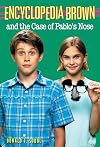
Rating for nostalgia. I loved these books as a kid, after I found old copies of my dad's at my grandparents' house. Some of the slang is hilariously dated now, but the short little mysteries hold up. It's honestly pretty impressive that decent little mysteries can fit in just a few pages, and I loved the flip-to-the-back-for-the-answer format. I learned a lot of interesting trivia from these books, and even remembered the solution to the first mystery in this particular collection.

Leroy Brown, aka Encyclopedia Brown, is Idaville neighborhood's ten-year-old star detective. With an uncanny knack for trivia, he solves mysteries for the neighborhood kids through his own detective agency. But his dad also happens to be the chief of the Idaville police department, and every night around the dinner table, Encyclopedia helps him solve his most baffling crimes. And with ten confounding mysteries in each book, not only does Encyclopedia have a chance to solve them, but the show more reader is given all the clues as well. Interactive and chock full of interesting bits of information--it's classic Encyclopedia Brown! show less
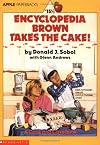
All the bizarre eccentricity of Donald J. Sobol is here, and more. This time there are recipes. Some are as mundane as refried beans (which, as I've learned from experience, some people consider exotic). Others have names like "Tooth collector's chocolate cake" and "Toothburger stew."
I read this stuff for the weirdness, and this book out-weirds them all.
I read this stuff for the weirdness, and this book out-weirds them all.
Lists
Awards


You May Also Like


Associated Authors
Statistics
- Works
- 144
- Also by
- 3
- Members
- 43,845
- Popularity
- #382
- Rating
- 3.8
- Reviews
- 213
- ISBNs
- 808
- Languages
- 9
- Favorited
- 6
