

Vikki Petraitis
Author of The Unbelieved
Works by Vikki Petraitis
Tagged
Common Knowledge
- Gender
- female
Members
Reviews
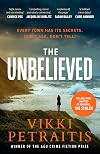
My first outing with Vikki Petraitis, probably not my last, although her usual genre, true crime, is not generally my cup of tea. So I hope she gives Senior Detective Antigone Pollard another outing.
The Prologue describes a situation 10 years earlier when an apparent murder-suicide is discovered. Later this case will serve to show how ill equipped the cops in a small town are to solve such cases, how ready they are to accept the obvious.
Antigone Pollard comes to the town she grew up in to show more escape a situation in Melbourne that went horribly wrong. Now she has to make herself again, in a town where the young men think they can do whatever they like, spike drinks, rape women, and so on, and never be caught. Even the police station is very male dominated, although Antigone's partner Wozza is a blessing in disguise, mainly because, as the father of 3 daughters, he sees the world differently. Almost on her first night in the town, at the pub, Antigone has her drink spiked, and then is attacked in the car park. When she takes the perpetrator back to the station she finds her version of events questioned by her boss.
Petraitis writes with great assurance. In the view she gives of small town policing, she reminds me very much of Garry Disher. show less
The Prologue describes a situation 10 years earlier when an apparent murder-suicide is discovered. Later this case will serve to show how ill equipped the cops in a small town are to solve such cases, how ready they are to accept the obvious.
Antigone Pollard comes to the town she grew up in to show more escape a situation in Melbourne that went horribly wrong. Now she has to make herself again, in a town where the young men think they can do whatever they like, spike drinks, rape women, and so on, and never be caught. Even the police station is very male dominated, although Antigone's partner Wozza is a blessing in disguise, mainly because, as the father of 3 daughters, he sees the world differently. Almost on her first night in the town, at the pub, Antigone has her drink spiked, and then is attacked in the car park. When she takes the perpetrator back to the station she finds her version of events questioned by her boss.
Petraitis writes with great assurance. In the view she gives of small town policing, she reminds me very much of Garry Disher. show less

With the publication of SALVATION Vikki Petraitis has written 9 true crime books, but in her notes at the back of SALVATION, she particularly mentions a book that was released in 1999 - Rockspider. The author wrote that book, with Inspector Chris O'Connor of the Victoria Police Child Exploitation Squad, to give the public an insight into how paedophile's operate. The suffering of the victims struck a chord when Rod Braybon first contacted her.
SALVATION is the story of Rod's life as a ward of show more the state. He was 6 years old in 1950, when his father died, leaving his mother with eight children to care for. She didn't cope, and in no time at all Rod and his brothers and sisters were left with the police, handed over to become wards of the state, by their own grandfather. Splitting up the siblings was devastating enough for kids who had been taught by their father to look after their own, but being handed over to a system that seems to have specialised in absolute brutality was enough to break the spirits of many of them. Particularly chilling is the difficulty Rod has now in understanding why he and his siblings were treated as they were. Whether his grandfather realised that his own petty prejudices had resulted in such a dreadful outcome for 8 undoubtedly wild, but ultimately just young country kids, with a mother that seems to have had her own mental health problems.
The tales of sexual assault, abuse, beatings and deprivation are starkly told. The attitudes and reactions of the perpetrators clearly spelt out, more sobering the lack of action within despite direct knowledge of the what was happening. The results in terms of the damage to psyche, and physical and mental health of the victims is undeniable. Anybody reading this account can't possibly be unaware of the ongoing pain and suffering of any victim of such appalling behaviour. All of that makes the attitude of the Salvation Army and their - well let's call it what it is - begrudging, petty and cruel written apology simply breathtaking. The analysis from the author at the end of the book which discusses the "corporate response" of organisations such as the Salvation Army, and the Catholic Church astutely sums up the attitude of all of these groups.
The writing of a book like this can't be an easy task - for the teller or the author. SALVATION tells this tale in a sympathetic, but not sensationalist way, respectful to the other victims who are also still alive. Working with Vikki, Rod has told his personal story - spelling out what these organisations did for so many years. Somewhere in this telling of the story there's a sense of this man firstly re-empowering himself, forging the way for other victims to do so as well, and finally after taking the opportunity to speak out, restart a life so dreadfully, stupidly, pointlessly diminished.
Vikki's books can be purchased from her website: http://www.vikkipetraitis.com show less
SALVATION is the story of Rod's life as a ward of show more the state. He was 6 years old in 1950, when his father died, leaving his mother with eight children to care for. She didn't cope, and in no time at all Rod and his brothers and sisters were left with the police, handed over to become wards of the state, by their own grandfather. Splitting up the siblings was devastating enough for kids who had been taught by their father to look after their own, but being handed over to a system that seems to have specialised in absolute brutality was enough to break the spirits of many of them. Particularly chilling is the difficulty Rod has now in understanding why he and his siblings were treated as they were. Whether his grandfather realised that his own petty prejudices had resulted in such a dreadful outcome for 8 undoubtedly wild, but ultimately just young country kids, with a mother that seems to have had her own mental health problems.
The tales of sexual assault, abuse, beatings and deprivation are starkly told. The attitudes and reactions of the perpetrators clearly spelt out, more sobering the lack of action within despite direct knowledge of the what was happening. The results in terms of the damage to psyche, and physical and mental health of the victims is undeniable. Anybody reading this account can't possibly be unaware of the ongoing pain and suffering of any victim of such appalling behaviour. All of that makes the attitude of the Salvation Army and their - well let's call it what it is - begrudging, petty and cruel written apology simply breathtaking. The analysis from the author at the end of the book which discusses the "corporate response" of organisations such as the Salvation Army, and the Catholic Church astutely sums up the attitude of all of these groups.
The writing of a book like this can't be an easy task - for the teller or the author. SALVATION tells this tale in a sympathetic, but not sensationalist way, respectful to the other victims who are also still alive. Working with Vikki, Rod has told his personal story - spelling out what these organisations did for so many years. Somewhere in this telling of the story there's a sense of this man firstly re-empowering himself, forging the way for other victims to do so as well, and finally after taking the opportunity to speak out, restart a life so dreadfully, stupidly, pointlessly diminished.
Vikki's books can be purchased from her website: http://www.vikkipetraitis.com show less
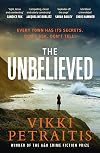
Senior Detective Antigone Pollard, disheartened by the failure of the justice system to support a victim of sexual assault, has left Melbourne and transferred to the station in her hometown of Deception Bay. She has barely started her new role when she becomes the target of a sexual predator, who attempts (but fails) to spike her drink at a local bar. Pollard arrests the perpetrator, who is promptly released on bail by the local Magistrate.
Pollard, with the assistance of her partner Wozza, show more uncovers similarities between hers and an alarming number of sexual assaults in the district. The bulk of the cases have received minimal police attention as the victims have not been believed. The blame has been firmly placed on the victims; being either too drunk, provocative or deliberately lying to cover up their own disgraceful behaviour and embarrassment. Pollard is forced to operate without the support of her immediate supervisor, and her investigation is dogged by the resentment of many senior male residents of the town. Sadly, it takes the assault of one of the daughters of a prominent member of the community, to spark real interest in the case.
Antigone is a strong and amazingly resilient character. Her disappointment, pain and fear are beautifully expressed. She finds the strength to carry on, despite the obstacles, through her belief in justice, the support of her friend and former supervisor, her need to support and nurture the women of the wider community, and most importantly, the love of her dog, Waffles. She is also trying to adjust to a single life, having ending her long-term relationship with a former colleague, Daniel, who failed to understand and support her dedication to the cause of a victim. It is wonderful to take this journey with a realistically flawed woman.
But it is not just Antigone, all of the characters are believable, some likeable and many relatable. I suspect that many readers will have met and been on the receiving end of the unwelcome sexual attention, snide remarks, and general disdain of insecure, small-minded men in their careers and/or lives. Each character, good, bad, and in-between adds realistic colour to the narrative.
The regional, coastal down is described brilliantly. You can feel, smell and hear the sounds of the bay, the atmosphere of the local drinking establishments and the remoteness of the residential locations.
This gripping crime novel will keep you reading. The plot flows and twists at a rapid pace. You won’t want to put this one down. Petraitis’ experience as a true crime author adds an easy feeling of reality to the story. The descriptions of some members of the Police Force's responses to reports of sexual assault, domestic violence, and general attitudes to women on the Force, ring true and smack of real-life accounts. The depth of feeling expressed in the writing shocks, upsets and engages the reader.
To say that “The Unbelieved” by Vikki Petraitis is an amazing debut fiction crime novel is an understatement. If you enjoy rural noir, and authors like Emma Viskic, Jane Harper, Garry Disher and Karina Kilmore, you will love “The Unbelieved”. I hope this will be the first of many novels from this author. show less
Pollard, with the assistance of her partner Wozza, show more uncovers similarities between hers and an alarming number of sexual assaults in the district. The bulk of the cases have received minimal police attention as the victims have not been believed. The blame has been firmly placed on the victims; being either too drunk, provocative or deliberately lying to cover up their own disgraceful behaviour and embarrassment. Pollard is forced to operate without the support of her immediate supervisor, and her investigation is dogged by the resentment of many senior male residents of the town. Sadly, it takes the assault of one of the daughters of a prominent member of the community, to spark real interest in the case.
Antigone is a strong and amazingly resilient character. Her disappointment, pain and fear are beautifully expressed. She finds the strength to carry on, despite the obstacles, through her belief in justice, the support of her friend and former supervisor, her need to support and nurture the women of the wider community, and most importantly, the love of her dog, Waffles. She is also trying to adjust to a single life, having ending her long-term relationship with a former colleague, Daniel, who failed to understand and support her dedication to the cause of a victim. It is wonderful to take this journey with a realistically flawed woman.
But it is not just Antigone, all of the characters are believable, some likeable and many relatable. I suspect that many readers will have met and been on the receiving end of the unwelcome sexual attention, snide remarks, and general disdain of insecure, small-minded men in their careers and/or lives. Each character, good, bad, and in-between adds realistic colour to the narrative.
The regional, coastal down is described brilliantly. You can feel, smell and hear the sounds of the bay, the atmosphere of the local drinking establishments and the remoteness of the residential locations.
This gripping crime novel will keep you reading. The plot flows and twists at a rapid pace. You won’t want to put this one down. Petraitis’ experience as a true crime author adds an easy feeling of reality to the story. The descriptions of some members of the Police Force's responses to reports of sexual assault, domestic violence, and general attitudes to women on the Force, ring true and smack of real-life accounts. The depth of feeling expressed in the writing shocks, upsets and engages the reader.
To say that “The Unbelieved” by Vikki Petraitis is an amazing debut fiction crime novel is an understatement. If you enjoy rural noir, and authors like Emma Viskic, Jane Harper, Garry Disher and Karina Kilmore, you will love “The Unbelieved”. I hope this will be the first of many novels from this author. show less

True Crime is probably best known for it's analysis or concentration on the investigation, the difficulties with identifying a perpetrator, the perpetrator's possible motives or psychology - basically the crimes themselves. In THE FRANKSTON SERIAL KILLER, Vikki Petraitis has covered those expected aspects, but she's also written a compelling story of the victims. The impact that their deaths have had on their families and friends, drawing out the poignancy of the deaths of three young show more women.
The nature of the loss of these women is probably even more stark given the sheer randomness of the way that their killer selected them. What's even more sobering is the way that their killer "uses" the notoriety of his crimes to continue to get his little bit of attention. By allowing the story of the lives of these women, as well as their disappearances evolve, Petraitis gives the reader a feeling for the desperation of the families and the police as they came to realise that there was a multiple killer lurking in Frankston. In particular, you get a really good feel for how it is often a series of random sightings, observations and recollections that ultimately lead to a suspect being identified.
Something Petraitis does particularly well is keep herself from the story. There is a comment in the book about her presence at one crime scene, and why, but this author carefully ensures that you aren't reading "her opinions" or "her involvement" which, frankly, is a huge relief. Petraitis presents the events, the facts, the victim's families feelings and the outcomes carefully - she tells the story of those victims, sometimes the investigators, the details of what happened objectively, there's no overt insertion of her presence, feelings and thoughts into the main part of the story. There are however, a few moments in the final chapters where Petraitis offers some analysis and opinion about the perpetrator of these crimes which are worth reading the book for on their own.
Whilst these crimes were solved, and there is somebody in jail for his actions, THE FRANKSTON SERIAL KILLER is a book that is about more than just that. It tells you how the girls were killed (taking care to not sensationalise), it shows you the impact that their disappearance and discovery had on their closest family, it tells you how the suspect was identified, and the case against him built, taking particular care to make sure that all the details were covered off. It gives you a real insight into the feeling in the community; it also gives you some insights into the police force that identified, built the case and ultimately charged the man found guilty. It tells a memorable and touching tale of 3 young women and the impact that their loss has and continues to have on their families and loved ones. It also gives a glimpse into the life of the family of a perpetrator and what they also endure when one of their own commits such inexplicable acts.
What you're sadly left with is the loss of 3 women and the idea that every society, no matter where or what, can find themselves having to come to grips with somebody who seems so mild and banal, who casts himself as a victim in his own right, but really truly is nothing of the kind.
(Disclaimer: I am lucky enough to wrangle http://www.clandestinepress.com.au as well as http://www.vikkipetratis.com I've not discussed this review with either Vikki or Lindy from CDP).
http://www.austcrimefiction.org/review/frankston-serial-killer-vikki-petraitis show less
The nature of the loss of these women is probably even more stark given the sheer randomness of the way that their killer selected them. What's even more sobering is the way that their killer "uses" the notoriety of his crimes to continue to get his little bit of attention. By allowing the story of the lives of these women, as well as their disappearances evolve, Petraitis gives the reader a feeling for the desperation of the families and the police as they came to realise that there was a multiple killer lurking in Frankston. In particular, you get a really good feel for how it is often a series of random sightings, observations and recollections that ultimately lead to a suspect being identified.
Something Petraitis does particularly well is keep herself from the story. There is a comment in the book about her presence at one crime scene, and why, but this author carefully ensures that you aren't reading "her opinions" or "her involvement" which, frankly, is a huge relief. Petraitis presents the events, the facts, the victim's families feelings and the outcomes carefully - she tells the story of those victims, sometimes the investigators, the details of what happened objectively, there's no overt insertion of her presence, feelings and thoughts into the main part of the story. There are however, a few moments in the final chapters where Petraitis offers some analysis and opinion about the perpetrator of these crimes which are worth reading the book for on their own.
Whilst these crimes were solved, and there is somebody in jail for his actions, THE FRANKSTON SERIAL KILLER is a book that is about more than just that. It tells you how the girls were killed (taking care to not sensationalise), it shows you the impact that their disappearance and discovery had on their closest family, it tells you how the suspect was identified, and the case against him built, taking particular care to make sure that all the details were covered off. It gives you a real insight into the feeling in the community; it also gives you some insights into the police force that identified, built the case and ultimately charged the man found guilty. It tells a memorable and touching tale of 3 young women and the impact that their loss has and continues to have on their families and loved ones. It also gives a glimpse into the life of the family of a perpetrator and what they also endure when one of their own commits such inexplicable acts.
What you're sadly left with is the loss of 3 women and the idea that every society, no matter where or what, can find themselves having to come to grips with somebody who seems so mild and banal, who casts himself as a victim in his own right, but really truly is nothing of the kind.
(Disclaimer: I am lucky enough to wrangle http://www.clandestinepress.com.au as well as http://www.vikkipetratis.com I've not discussed this review with either Vikki or Lindy from CDP).
http://www.austcrimefiction.org/review/frankston-serial-killer-vikki-petraitis show less
Awards

You May Also Like
Associated Authors
Statistics
- Works
- 20
- Members
- 210
- Popularity
- #105,677
- Rating
- 3.9
- Reviews
- 11
- ISBNs
- 44
- Favorited
- 1