
Erica Fischer
Author of Aimée & Jaguar
About the Author
Image credit: Erica Fischer
Works by Erica Fischer
Das kurze Leben der Jüdin Felice Schragenheim. 'Jaguar', Berlin 1922 - Bergen- Belsen 1945 (2002) 6 copies
1998 1 copy
Jenseits der Träume 1 copy
Associated Works
The Prostitution Papers: A Quartet for Female Voice (1971) — Translator, some editions — 83 copies, 2 reviews
Tagged
Common Knowledge
- Canonical name
- Fischer, Erica
- Birthdate
- 1943-01-01
- Gender
- female
- Occupations
- writer
translator
journalist - Organizations
- AUF – Eine Frauenzeitschrift
- Nationality
- Austria
- Birthplace
- St. Albans, Hertfordshire, England, UK
- Places of residence
- Wien, Austria
Berlin, Germany
Members
Reviews

A truly amazing love story between a Jewish woman and a Nazi woman in 1943, whose documentary-style format and poor translation quality were disappointing. I have heard the 1999 film portrays this amazing story with the emotion it deserves, so I'd steer potential non-academic readers in that direction first.
The Nazi/German layman perspective on the war was fascinating for me -- mandatory home service, the different way in which rations were allocated, and the plight of adult U-Boats (Jews show more gone underground) was similar-yet-different to me from the England-focused WWII books I tend to read, and the child-focused Holocaust novels I devoured. I found the language around "illegals" and "deportation" to concentration camps (historically accurate, apparently, and documented as such before any of the recent American debates kicked off) to be particularly evocative and effective at forcing my reflection on social responsibility, right vs. law, and political machinery.
As a whole, though, this story has a ton of promise, and I didn't leave with the sense that the author (and/or translator?) delivered on it. show less
The Nazi/German layman perspective on the war was fascinating for me -- mandatory home service, the different way in which rations were allocated, and the plight of adult U-Boats (Jews show more gone underground) was similar-yet-different to me from the England-focused WWII books I tend to read, and the child-focused Holocaust novels I devoured. I found the language around "illegals" and "deportation" to concentration camps (historically accurate, apparently, and documented as such before any of the recent American debates kicked off) to be particularly evocative and effective at forcing my reflection on social responsibility, right vs. law, and political machinery.
As a whole, though, this story has a ton of promise, and I didn't leave with the sense that the author (and/or translator?) delivered on it. show less

Diese und weitere Rezensionen findet ihr auf meinem Blog Anima Libri - Buchseele
Dieses Buch ist… schwierig.
Das liegt zum einen erstmal an der Art des Buchs: So handelt es sich hier nicht um Fiktion sondern viel mehr eine Art Dokumentation in Buchform. Frei geschriebene Texte wechseln sich mit Auszügen aus Briefen, Tagebüchern und Dokumenten ab und gerade die (Liebes)Briefe fangen an sich irgendwann zu wiederholen.
Zum anderen liegt das aber auch vor allem an Autorin Erica Fischer. Diese show more hat sich die Geschichte von Aimee und Jaguar ja von der 80-jährigen Lilly Wust (Aimée) erzählen lassen – allerdings ist man sich, spätestens beim Lesen des Epilogs – nicht mehr so recht sicher, warum sie das eigentlich getan hat. Denn Erica Fischer kann Lilly Wust nicht ausstehen – konnte sie vom ersten Treffen an nicht wirklich leiden.
Sicherlich kann es ermüdend sein, sich mit einer Seniorin über ihre Vergangenheit zu unterhalten, gerade wenn diese sich immer wieder in Details verliert, und natürlich ist es auch Autoren nicht-fiktionaler Texte durchaus erlaubt eine eigene Meinung zu haben. Aber gerade hier fragt man sich doch, warum sich die Autorin überhaupt die Mühe gemacht hat und ihre Antipathie für Aimée liegt die ganze Zeit wie ein Schatten über der Geschichte.
Ich habe kein Problem damit, dass Erica Fischer versucht hat, die Beschönigungen zu durchbrechen, die Lillys Erzählungen der Geschehnisse ab 1933 umgeben, so wie es wohl bei vielen Menschen ihrer Generation ist, die sich selbst einreden unwissender gewesen zu sein, als sie es eigentlich waren. Was mich stört, ist die Selbstgerechtigkeit mit der sie das tut. Ihr Epilog lässt eine gewisse Herablassung erspüren, die den vorangegangenen Darstellungen einen faden Beigeschmack gibt.
Das ändert allerdings nichts an der Eindringlichkeit der Geschichte von Aimée und Jaguar. Denn diese geht, trotz der nicht unbedingt geglückten Erzählweise, wirklich unter die Haut und berührt einen beim Lesen sehr. „Aimée & Jaguar: Eine Liebesgeschichte, Berlin 1943“ bietet bewegende Einblicke in das Leben zweier außergewöhnlicher Frauen und in ein wichtiges Stück deutsche Geschichte.
Ich fand dieses Buch sehr gut, habe mich aber an der Einstellung der Autorin im Nachhinein doch sehr gestört, sodass mir – oh Graus – die gleichnamige Verfilmung alles in allem tatsächlich fast noch eine Ecke besser gefallen hat. show less
Dieses Buch ist… schwierig.
Das liegt zum einen erstmal an der Art des Buchs: So handelt es sich hier nicht um Fiktion sondern viel mehr eine Art Dokumentation in Buchform. Frei geschriebene Texte wechseln sich mit Auszügen aus Briefen, Tagebüchern und Dokumenten ab und gerade die (Liebes)Briefe fangen an sich irgendwann zu wiederholen.
Zum anderen liegt das aber auch vor allem an Autorin Erica Fischer. Diese show more hat sich die Geschichte von Aimee und Jaguar ja von der 80-jährigen Lilly Wust (Aimée) erzählen lassen – allerdings ist man sich, spätestens beim Lesen des Epilogs – nicht mehr so recht sicher, warum sie das eigentlich getan hat. Denn Erica Fischer kann Lilly Wust nicht ausstehen – konnte sie vom ersten Treffen an nicht wirklich leiden.
Sicherlich kann es ermüdend sein, sich mit einer Seniorin über ihre Vergangenheit zu unterhalten, gerade wenn diese sich immer wieder in Details verliert, und natürlich ist es auch Autoren nicht-fiktionaler Texte durchaus erlaubt eine eigene Meinung zu haben. Aber gerade hier fragt man sich doch, warum sich die Autorin überhaupt die Mühe gemacht hat und ihre Antipathie für Aimée liegt die ganze Zeit wie ein Schatten über der Geschichte.
Ich habe kein Problem damit, dass Erica Fischer versucht hat, die Beschönigungen zu durchbrechen, die Lillys Erzählungen der Geschehnisse ab 1933 umgeben, so wie es wohl bei vielen Menschen ihrer Generation ist, die sich selbst einreden unwissender gewesen zu sein, als sie es eigentlich waren. Was mich stört, ist die Selbstgerechtigkeit mit der sie das tut. Ihr Epilog lässt eine gewisse Herablassung erspüren, die den vorangegangenen Darstellungen einen faden Beigeschmack gibt.
Das ändert allerdings nichts an der Eindringlichkeit der Geschichte von Aimée und Jaguar. Denn diese geht, trotz der nicht unbedingt geglückten Erzählweise, wirklich unter die Haut und berührt einen beim Lesen sehr. „Aimée & Jaguar: Eine Liebesgeschichte, Berlin 1943“ bietet bewegende Einblicke in das Leben zweier außergewöhnlicher Frauen und in ein wichtiges Stück deutsche Geschichte.
Ich fand dieses Buch sehr gut, habe mich aber an der Einstellung der Autorin im Nachhinein doch sehr gestört, sodass mir – oh Graus – die gleichnamige Verfilmung alles in allem tatsächlich fast noch eine Ecke besser gefallen hat. show less

Unique, moving, and true - this radiant love story is set against the horrific backdrop of World War II Nazi Germany. When Lilly "Aimee" Wust, a gentile mother of four and wife of a Nazi officer, met Felice "Jaguar" Schragenheim, a Jew living underground in Berlin, neither could have guessed that their brief initial encounter would develop into a blazing, devoted love. As the Nazi stranglehold closed in on them, Lilly and Felice found themselves fighting insurmountable odds to stay together. show more Extraordinarily passionate and heartrending, this is a rare and personal look at the love and strength of two women whose commitment to each other defied the brutality of their time. show less
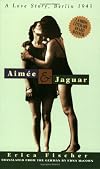
The World War II time period is one of my favorites to read about and study, so I was very curious to read this title. While I do not think the author's writing was very good (quite dry and boring), the story was astounding. In none of my other reading, courses or film watching have I heard a story from a similar lens. The lesbian angle is new of course, but so were all of the details about the Jews who managed to keep living underground (as it were) in Berlin throughout the conflict.
Much of show more the story, thank goodness, is told in snippets from Aimée's diary, Jaguar's poems, letters and interviews with the people who were still alive when this book was being constructed in the early 1990s. The number of primary sources included in the tale is unique, as well.
The epilogue of the book consists of Erica Fischer's comments on the creation of the book, most of which is a diatribe of Lilly. She does not trust Lilly, the main source for most of the recounted memories, because Lilly apparently knew her story too well and left gaps of time out. I cannot help but wonder if this is why her writing is so stilted and I did not care much for Aimée or Jaguar on a close level; I wanted them to live, of course, but I was not emotionally invested. I think Fischer's mistrust and judgment came into her writing and storytelling. For all that the cover names this a love story, she has her own opinions about that and it is quite evident.
After the war, Lilly wanted to convert to Judaism and thought of herself as a Jewess, about which Fischer has this to say: "I do not grant her the status of victim. I guard the line that runs between her and Felice, my mother, and myself obdurately, protective of my small piece of identity" (271). I leave this book skeptical of Erica Fischer as a historian, as she seems to biased, in this tale at least. Still, I am happy to have read it, if only for its unique historical perspective. show less
Much of show more the story, thank goodness, is told in snippets from Aimée's diary, Jaguar's poems, letters and interviews with the people who were still alive when this book was being constructed in the early 1990s. The number of primary sources included in the tale is unique, as well.
The epilogue of the book consists of Erica Fischer's comments on the creation of the book, most of which is a diatribe of Lilly. She does not trust Lilly, the main source for most of the recounted memories, because Lilly apparently knew her story too well and left gaps of time out. I cannot help but wonder if this is why her writing is so stilted and I did not care much for Aimée or Jaguar on a close level; I wanted them to live, of course, but I was not emotionally invested. I think Fischer's mistrust and judgment came into her writing and storytelling. For all that the cover names this a love story, she has her own opinions about that and it is quite evident.
After the war, Lilly wanted to convert to Judaism and thought of herself as a Jewess, about which Fischer has this to say: "I do not grant her the status of victim. I guard the line that runs between her and Felice, my mother, and myself obdurately, protective of my small piece of identity" (271). I leave this book skeptical of Erica Fischer as a historian, as she seems to biased, in this tale at least. Still, I am happy to have read it, if only for its unique historical perspective. show less
Lists
Awards

You May Also Like


Associated Authors
Statistics
- Works
- 15
- Also by
- 5
- Members
- 813
- Popularity
- #31,388
- Rating
- 3.9
- Reviews
- 11
- ISBNs
- 50
- Languages
- 12
- Favorited
- 1