
Howard Sachar (1928–2018)
Author of A History of Israel: From the Rise of Zionism to Our Time
About the Author
Howard Morley Sachar serves as Charles E. Smith Professor of History Emeritus at George Washington University.
Works by Howard Sachar
History of Israel 1 copy
Associated Works
Tagged
Common Knowledge
- Canonical name
- Sachar, Howard
- Legal name
- Sachar, Howard Morley
- Other names
- Sachar, Howard M.
- Birthdate
- 1928-02-10
- Date of death
- 2018-04-18
- Gender
- male
- Education
- Swarthmore College (BA)
Harvard University (MA and PHD) - Occupations
- professor (George Washington University)
historian - Organizations
- George Washington University
American Historical Association - Awards and honors
- National Jewish Book Award (1977, 1982)
- Relationships
- Sachar, David B. (brother)
Sachar, Edward J. (brother)
Sachar, Abram L. (father) - Nationality
- USA
- Birthplace
- St Louis, Missouri, USA
- Places of residence
- St. Louis, Missouri, USA (birth)
Kensington, Maryland, USA (residence) - Place of death
- Kensington, Maryland, USA
- Associated Place (for map)
- USA
Members
Reviews
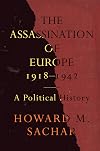
The Assassination of Europe 1918-1942: A Political History by Howard M Sachar is a history of the Interwar Period in Europe. He earned both his masters and PhD from Harvard and was a professor at Georgetown University for forty years. This is Sachar’s seventeenth book on history and political history.
As with a few other people who picked this book up, I was expecting a book on political assassinations. As I started reading the book the assassinations were of leftists and communists. show more Drawing on the simple black and red cover I thought it was about the anarchist and communist movements in Western Europe. Indeed, post WWI Europe was a dangerous place to be promoting Communism. Then the assassination of Ernst Rohm ended that train of thought. Then there was Trotsky death by Stalin’s order.
The book does center around political assassinations in Europe, but it is more than just that. The peace at the end of the war was going to bring democracy, an end to continental empires, and homelands for the minority populations. The League of Nations was going to ensure peace. The world was going to be entering a new era of peace and prosperity. Those grand ideas did not last. France plundered Germany for war reparations. Fascists rose and took over Italy under Mussolini. Democracies feared leftists and communists. Anti Semitism grew, not just in Germany but also France, Eastern Europe and Russia. Eastern European Jews fled their home countries after WWI and moved West. The influx of Jewish immigrants was seen by many as something to fear. That hatred became a leader in Germany.
In the Soviet Union there is political assassination and the rise and fall of Trotsky. Stalin and his mass political killings. Vichy France and the German collaborators were another blow to democracy and political freedom. Sachar uses individual assassinations to set the stage for a greater assassination: That of a continent. The assassination of Europe was more than just the death of individuals but of the nations and peoples.
The Assassination of Europe is the death of the hope of liberal democracies, peace, and prosperity that men dreamed of after the carnage of WWI. Sachar gives an in depth look in to the undoing of the Europe people wanted. The Great War was not enough to change the governments and selfishness of men. One on one political killing was only the symptom the much bigger problem. An excellent and very scholarly look into the politics of the interwar years. show less
As with a few other people who picked this book up, I was expecting a book on political assassinations. As I started reading the book the assassinations were of leftists and communists. show more Drawing on the simple black and red cover I thought it was about the anarchist and communist movements in Western Europe. Indeed, post WWI Europe was a dangerous place to be promoting Communism. Then the assassination of Ernst Rohm ended that train of thought. Then there was Trotsky death by Stalin’s order.
The book does center around political assassinations in Europe, but it is more than just that. The peace at the end of the war was going to bring democracy, an end to continental empires, and homelands for the minority populations. The League of Nations was going to ensure peace. The world was going to be entering a new era of peace and prosperity. Those grand ideas did not last. France plundered Germany for war reparations. Fascists rose and took over Italy under Mussolini. Democracies feared leftists and communists. Anti Semitism grew, not just in Germany but also France, Eastern Europe and Russia. Eastern European Jews fled their home countries after WWI and moved West. The influx of Jewish immigrants was seen by many as something to fear. That hatred became a leader in Germany.
In the Soviet Union there is political assassination and the rise and fall of Trotsky. Stalin and his mass political killings. Vichy France and the German collaborators were another blow to democracy and political freedom. Sachar uses individual assassinations to set the stage for a greater assassination: That of a continent. The assassination of Europe was more than just the death of individuals but of the nations and peoples.
The Assassination of Europe is the death of the hope of liberal democracies, peace, and prosperity that men dreamed of after the carnage of WWI. Sachar gives an in depth look in to the undoing of the Europe people wanted. The Great War was not enough to change the governments and selfishness of men. One on one political killing was only the symptom the much bigger problem. An excellent and very scholarly look into the politics of the interwar years. show less
The Assassination of Europe is an in depth look at influential people who were murdered to pave the way for the political ambitions of those rising to power post WWI, up to the middle of WWII. The author does a good job of setting the stage for each assassination and discusses the main actors in the killings. He also explains the impact of these deaths on the political map of Europe. A readable look into the time post WWI and the climate there that lead to WWII and the subsequent remapping show more of Europe. show less
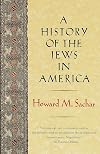
This is a huge 'doorstopper' of a paperback book used as a text in a course on Jewish American History I took for credit toward my Batchelor of Arts degree at the University of San Francisco in the nineties. The professor was very Jewish, very American, and very engaged in his subject matter, but is no longer employed by USF, and his last name escapes me, but his first name was Andrew...
We were required to read huge sections of the book and write reports on them. I confess I never finished show more Professor Howard M. Sachar's monumental book, but those portions that I did read, I found very helpful to understanding the movements of the Diaspora, the immigration patterns and urban development of the Jewish people in the New World republic, their relationships with the Christian majority, and their later relationship with the new state of Israel.
I bought this copy from the USF bookstore, and it still has its sticker on it for $20.00. show less
We were required to read huge sections of the book and write reports on them. I confess I never finished show more Professor Howard M. Sachar's monumental book, but those portions that I did read, I found very helpful to understanding the movements of the Diaspora, the immigration patterns and urban development of the Jewish people in the New World republic, their relationships with the Christian majority, and their later relationship with the new state of Israel.
I bought this copy from the USF bookstore, and it still has its sticker on it for $20.00. show less
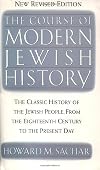
Comprehensive, scholarly work from French Revolution to present day, discusses the social and cultural influences on Jewish civilization
Awards

You May Also Like


Statistics
- Works
- 25
- Also by
- 1
- Members
- 1,747
- Popularity
- #14,722
- Rating
- 4.0
- Reviews
- 18
- ISBNs
- 40
- Languages
- 2
- Favorited
- 1