
Fiona Lowe
Author of Boomerang Bride
About the Author
Series
Works by Fiona Lowe
Associated Works
Tagged
Common Knowledge
- Gender
- female
Members
Reviews
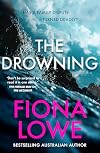
A story of family, secrets and betrayal, The Drowning is the ninth contemporary novel from award-winning Australian author Fiona Lowe, who has also authored more than 20 romances.
CC is thrilled when she learns she’s been willed a share of the home in which she spent her summers growing up. As the daughter of a single mother, her time spent with her cousins James, Ollie, Lily and Felix Friend in the Victorian coastal town of Kooramook was the highlight of her year. For CC the inheritance show more signifies her acceptance as a member of the family, so she’s stunned when some of the cousin’s object, and a feud regarding the home’s fate breaks out among the siblings. And then a drowning not only puts everyone on edge, it puts CC in the path of a desperate killer.
I was quickly invested in the escalating tension in The Drowning. The ill-feeling generated over the ownership and use of The Shack ratchets up as an explosive family secret is revealed, blackmail is attempted, and legal action is threatened. Additionally CC, believing she is being stalked, no longer knows who she can trust. There are several surprises in the well-paced plot, of which at least two I did not see coming.
Like CC I spent several summers in the company of cousins by the beach so I could absolutely relate to her feelings about the experience. It’s those happy memories that prevents CC recognising the dysfunction present in the Friend family, and the flaws of each of her cousins. There were times I didn’t particularly like CC but I really felt for her as she slowly came to terms with the realisation that the holidays together didn’t mean as much to the Friends as it did to her.
There’s a thread of romance in The Drowning too when CC meets pharmacist Tom. As her three month tenure as a registrar at the Portland Hospital provides a natural end for the relationship she gives in to their mutual attraction, but handles it badly when things become more serious. I liked the way this relationship contributed both to CC’s character and the plot as a whole.
Offering suspense, complex relationships, and intrigue, I found The Drowning to be an absorbing read. show less
CC is thrilled when she learns she’s been willed a share of the home in which she spent her summers growing up. As the daughter of a single mother, her time spent with her cousins James, Ollie, Lily and Felix Friend in the Victorian coastal town of Kooramook was the highlight of her year. For CC the inheritance show more signifies her acceptance as a member of the family, so she’s stunned when some of the cousin’s object, and a feud regarding the home’s fate breaks out among the siblings. And then a drowning not only puts everyone on edge, it puts CC in the path of a desperate killer.
I was quickly invested in the escalating tension in The Drowning. The ill-feeling generated over the ownership and use of The Shack ratchets up as an explosive family secret is revealed, blackmail is attempted, and legal action is threatened. Additionally CC, believing she is being stalked, no longer knows who she can trust. There are several surprises in the well-paced plot, of which at least two I did not see coming.
Like CC I spent several summers in the company of cousins by the beach so I could absolutely relate to her feelings about the experience. It’s those happy memories that prevents CC recognising the dysfunction present in the Friend family, and the flaws of each of her cousins. There were times I didn’t particularly like CC but I really felt for her as she slowly came to terms with the realisation that the holidays together didn’t mean as much to the Friends as it did to her.
There’s a thread of romance in The Drowning too when CC meets pharmacist Tom. As her three month tenure as a registrar at the Portland Hospital provides a natural end for the relationship she gives in to their mutual attraction, but handles it badly when things become more serious. I liked the way this relationship contributed both to CC’s character and the plot as a whole.
Offering suspense, complex relationships, and intrigue, I found The Drowning to be an absorbing read. show less
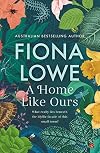
“Life was an unpredictable lottery. But surrounded by a community and a garden, the future was easier to face.”
An insightful, warm and engaging story, A Home Like Ours is another fabulous novel from award winning Australian author Fiona Lowe.
When Helen arrived in the small town of Boolanga in rural Victoria three years ago, she had been living in her car, searching for work, and a place to call home. Now, having secured a position as a caretaker of the town’s community garden which show more provides her with a small cottage, her new found stability is threatened when she insists a local group of refugee women be provided with plots.
Jade is a young mother with no family to speak of and a deadbeat, often absent, partner. To supplement her meagre pension, and provide her baby son with organic produce, she reluctantly agrees to assist Helen in the community garden. Though initially distrustful of everyone, especially the refugees, Jade slowly discovers a place she could belong.
Tara doesn’t understand why her husband, hardware store owner, Jon, seems to have lost interest in her. Wrapped up in her own self-pity, she is stunned when he is diagnosed with a debilitating condition, and is forced to consider what community really means.
The central theme of A Home Like Ours focuses on the effects of displacement. Like the protagonists of Lowe’s story, almost all of us are vulnerable to events such as illness, injury, relationship breakdown, unemployment, unplanned pregnancy, as well as extreme situations like war, which could result in a complete change of circumstance.
To face these sorts of unexpected challenges requires the support of a community - of family, of friends, and often even strangers. Lowe’s decision to centre the story on the town’s community garden is a clever one. Not only is it a site that allows her to reflect the population of the town at large, but it’s also a setting in which her very different characters can plausibly meet.
Portrayed with a realistic complexity, I really liked Lowe’s characters and found their stories to be engaging. It’s impressive that she is able to credibly depict women who are of widely disparate ages and backgrounds, and have diverse concerns. I would have liked for Fiza, a Sudanese refugee, to have had a larger role in the story, though I can understand why Lowe likely shied away from doing so.
Lowe also explores a range of specific issues relevant in Australia at the moment including racist attitudes towards refugees from African countries, the rise of homelessness experienced by women over 55, the inadequacy of current social support payments, the lack of support programs in rural areas, and government corruption. It seems like a lot, but these issues overlap and intertwine, enriching the story, and informing the reader.
I barely noticed that A Home Like Ours was almost 600 pages long, engrossed in the well-paced story I finished it in a day. This is a wonderful read that encourages empathy, compassion and community. show less
An insightful, warm and engaging story, A Home Like Ours is another fabulous novel from award winning Australian author Fiona Lowe.
When Helen arrived in the small town of Boolanga in rural Victoria three years ago, she had been living in her car, searching for work, and a place to call home. Now, having secured a position as a caretaker of the town’s community garden which show more provides her with a small cottage, her new found stability is threatened when she insists a local group of refugee women be provided with plots.
Jade is a young mother with no family to speak of and a deadbeat, often absent, partner. To supplement her meagre pension, and provide her baby son with organic produce, she reluctantly agrees to assist Helen in the community garden. Though initially distrustful of everyone, especially the refugees, Jade slowly discovers a place she could belong.
Tara doesn’t understand why her husband, hardware store owner, Jon, seems to have lost interest in her. Wrapped up in her own self-pity, she is stunned when he is diagnosed with a debilitating condition, and is forced to consider what community really means.
The central theme of A Home Like Ours focuses on the effects of displacement. Like the protagonists of Lowe’s story, almost all of us are vulnerable to events such as illness, injury, relationship breakdown, unemployment, unplanned pregnancy, as well as extreme situations like war, which could result in a complete change of circumstance.
To face these sorts of unexpected challenges requires the support of a community - of family, of friends, and often even strangers. Lowe’s decision to centre the story on the town’s community garden is a clever one. Not only is it a site that allows her to reflect the population of the town at large, but it’s also a setting in which her very different characters can plausibly meet.
Portrayed with a realistic complexity, I really liked Lowe’s characters and found their stories to be engaging. It’s impressive that she is able to credibly depict women who are of widely disparate ages and backgrounds, and have diverse concerns. I would have liked for Fiza, a Sudanese refugee, to have had a larger role in the story, though I can understand why Lowe likely shied away from doing so.
Lowe also explores a range of specific issues relevant in Australia at the moment including racist attitudes towards refugees from African countries, the rise of homelessness experienced by women over 55, the inadequacy of current social support payments, the lack of support programs in rural areas, and government corruption. It seems like a lot, but these issues overlap and intertwine, enriching the story, and informing the reader.
I barely noticed that A Home Like Ours was almost 600 pages long, engrossed in the well-paced story I finished it in a day. This is a wonderful read that encourages empathy, compassion and community. show less
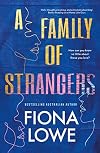
Another great read by Aussie author Fiona Lowe. A contemporary domestic drama set in small coastal town Rookery Cove in Tasmania. This book deals with many issues such as alcoholism, child abuse, miscarriage, workplace sexual harassment, school cyber-bullying and the difficulties of “coming out” but it manages to do so without being “issuey” or “preachy”. The story comes first, told with Lowe’s characteristic perspicacity and understanding of the intricacies of human behaviour show more and interactions.
The book has three main characters, firstly hardworking Addy Topic, who has returned to her childhood home, pursuing a seemingly wonderful career opportunity with a supportive, interested boss. Addy has many ghosts and secrets, including feeling very conflicted about music, having avoided her late parents’ wish for her to pursue a career in music.
Stephanie Gallagher has just made a sea change with her husband and toddler, seeking an idyllic work-from-home and share-the-home-tasks life. Things soon seem less blissful when her sulky teenage stepdaughter Zoe joins the household, and Steph soon realises the couple’s 50:50 sharing of domestic responsibility has become more like 80:20, and not in her favour.
Brenda Lambeck is a middle aged widow who has moved from the family farm and built a home in town, where she lives with a boarder Marilyn. She has invested much energy into a fairly fraught relationship with her daughter Courtney. She plans to escape the shackles and expectations of her past and live life the way she wants to now, but this is not without hardship as her family do not adjust well when her secrets come to the fore.
The three women come together in a community choir, and one eventful evening creates a huge rift and spills some of the tightly guarded secrets. The characters are all well drawn, not always likeable, but realistically so. I found Zoe to be a petulant teenager, at least initially, Courtney an annoying helicopter parent, and Marilyn very selfish and pushy in her attitude towards Brenda, but I could not put down the book. I was cheering for Addy with all her battles, and enjoyed the likeable Irish surfer Kieran. 4.5 stars for me. show less
The book has three main characters, firstly hardworking Addy Topic, who has returned to her childhood home, pursuing a seemingly wonderful career opportunity with a supportive, interested boss. Addy has many ghosts and secrets, including feeling very conflicted about music, having avoided her late parents’ wish for her to pursue a career in music.
Stephanie Gallagher has just made a sea change with her husband and toddler, seeking an idyllic work-from-home and share-the-home-tasks life. Things soon seem less blissful when her sulky teenage stepdaughter Zoe joins the household, and Steph soon realises the couple’s 50:50 sharing of domestic responsibility has become more like 80:20, and not in her favour.
Brenda Lambeck is a middle aged widow who has moved from the family farm and built a home in town, where she lives with a boarder Marilyn. She has invested much energy into a fairly fraught relationship with her daughter Courtney. She plans to escape the shackles and expectations of her past and live life the way she wants to now, but this is not without hardship as her family do not adjust well when her secrets come to the fore.
The three women come together in a community choir, and one eventful evening creates a huge rift and spills some of the tightly guarded secrets. The characters are all well drawn, not always likeable, but realistically so. I found Zoe to be a petulant teenager, at least initially, Courtney an annoying helicopter parent, and Marilyn very selfish and pushy in her attitude towards Brenda, but I could not put down the book. I was cheering for Addy with all her battles, and enjoyed the likeable Irish surfer Kieran. 4.5 stars for me. show less
A Home Like Ours offers an informative, occasionally troubling, but ultimately uplifting exploration of the lives of women in rural Australia.
The story is told from three separate perspectives, those of Tara, Helen and Jade.
Tara Hooper is among Boolanga's more affluent citizens, sharing her beautifully renovated heritage home with her husband Jon and two gorgeous children. She and her husband own the district's profitable hardware & nursery business, are part of a tight circle of friends show more and, on the surface at least, appear to have it all. But appearances aren't everything - Jon works long hours to maintain their store's market share in the face of competition from multinational competitors further affield, and often appears bored or disinterested. Tara is feeling unappreciated and angry, suspicious of Jon's apparent lack of attraction to her. She's taken up running with a personal trainer as a distraction from her increasing worries about the future of her marriage.
Helen Demetriou is entering later middle age without the security she'd always expected to have. She's endured periods of homelessness and subsists from day to day on her meagre income earned from a local takeaway store and her stipend as caretaker of Boolanga's community garden. Her brusque demeanour hides a sensitive soul who is fearful for her future and wary of forming close bonds with others in case they let her down. An activist at heart, Helen antagonises the rather conservative members of the community garden committee by pushing for the inclusion of all members of the community, rather than just the privileged few. Her long term goal is to establish a "tiny house" village for the use of older women who, like herself, have become homeless due to changed family and/or employment circumstances.
Jade Innes is the 19-year-old single mother of baby Milo. She's desperate to do a better job of parenting than her own mother, but is rather hamstrung by the disinterested attitude of Milo's father, an itinerant farm worker who seems more interested in drinking with his mates than being there for Jade and Milo. Jade's making tentative steps to make connections in Boolanga, joining the library to indulge her love of literature, and rather begrudgingly accepting a plot in the community garden, in which she can grow vegetables to eat and the flowers she's really more interested in.
The three women's lives intersect, and all three also make connections among the women from Boolanga's former refugee communities, originally from Afghanistan and Sudan. Initial prejudices and misconceptions are gradually broken down as new friendships are forged and each of the three main characters undergoes a sort of catharsis in terms of how they see themselves, their lives and their ideas of community.
Having grown up in a mid-sized rural town not too far north of fictional Boolanga's setting on the Victorian side of the great Murray River, I felt that Fiona Lowe's depiction of small town society, dynamics and xenophobia were well-described and representative of the reality many inhabitants experience. While there are many benefits of living in a smaller community, they can also be quite insular and offer limited opportunities for those who are struggling socially and/or financially.
The stories of all three women resonated with me, although my own present life circumstances probably most closely resemble those of the more privileged character, Tara. I found Lowe's storyline around the experience of unexpected chronic and debilitating illness particularly poignant.
At almost 600 pages, A Home Like Ours is a hefty tome and requires a reasonable degree of commitment from the reader. I haven't previously been a frequent reader of the "women's literature" genre beloved by so many of my friends and family, and it took me several chapters to really get into the feel of the book. However, by the halfway point I was well and truly hooked by the characters and their stories. I raced through the last portion of the book in a single sitting.
I'd recommend A Home Like Ours to readers interested in the lived experience of women, the challenges and wonderful gifts that come with living in an evolving multicultural community, and the importance of community in creating a sense of individual and group wellbeing.
My thanks to the author, Fiona Lowe, publisher Harlequin Australia (HQ Fiction / Mira) and Netgalley for the opportunity to read and review this title.
For additional information, see: https://www.harpercollins.com.au/9781489298683/a-home-like-ours/ show less
The story is told from three separate perspectives, those of Tara, Helen and Jade.
Tara Hooper is among Boolanga's more affluent citizens, sharing her beautifully renovated heritage home with her husband Jon and two gorgeous children. She and her husband own the district's profitable hardware & nursery business, are part of a tight circle of friends show more and, on the surface at least, appear to have it all. But appearances aren't everything - Jon works long hours to maintain their store's market share in the face of competition from multinational competitors further affield, and often appears bored or disinterested. Tara is feeling unappreciated and angry, suspicious of Jon's apparent lack of attraction to her. She's taken up running with a personal trainer as a distraction from her increasing worries about the future of her marriage.
Helen Demetriou is entering later middle age without the security she'd always expected to have. She's endured periods of homelessness and subsists from day to day on her meagre income earned from a local takeaway store and her stipend as caretaker of Boolanga's community garden. Her brusque demeanour hides a sensitive soul who is fearful for her future and wary of forming close bonds with others in case they let her down. An activist at heart, Helen antagonises the rather conservative members of the community garden committee by pushing for the inclusion of all members of the community, rather than just the privileged few. Her long term goal is to establish a "tiny house" village for the use of older women who, like herself, have become homeless due to changed family and/or employment circumstances.
Jade Innes is the 19-year-old single mother of baby Milo. She's desperate to do a better job of parenting than her own mother, but is rather hamstrung by the disinterested attitude of Milo's father, an itinerant farm worker who seems more interested in drinking with his mates than being there for Jade and Milo. Jade's making tentative steps to make connections in Boolanga, joining the library to indulge her love of literature, and rather begrudgingly accepting a plot in the community garden, in which she can grow vegetables to eat and the flowers she's really more interested in.
The three women's lives intersect, and all three also make connections among the women from Boolanga's former refugee communities, originally from Afghanistan and Sudan. Initial prejudices and misconceptions are gradually broken down as new friendships are forged and each of the three main characters undergoes a sort of catharsis in terms of how they see themselves, their lives and their ideas of community.
Having grown up in a mid-sized rural town not too far north of fictional Boolanga's setting on the Victorian side of the great Murray River, I felt that Fiona Lowe's depiction of small town society, dynamics and xenophobia were well-described and representative of the reality many inhabitants experience. While there are many benefits of living in a smaller community, they can also be quite insular and offer limited opportunities for those who are struggling socially and/or financially.
The stories of all three women resonated with me, although my own present life circumstances probably most closely resemble those of the more privileged character, Tara. I found Lowe's storyline around the experience of unexpected chronic and debilitating illness particularly poignant.
At almost 600 pages, A Home Like Ours is a hefty tome and requires a reasonable degree of commitment from the reader. I haven't previously been a frequent reader of the "women's literature" genre beloved by so many of my friends and family, and it took me several chapters to really get into the feel of the book. However, by the halfway point I was well and truly hooked by the characters and their stories. I raced through the last portion of the book in a single sitting.
I'd recommend A Home Like Ours to readers interested in the lived experience of women, the challenges and wonderful gifts that come with living in an evolving multicultural community, and the importance of community in creating a sense of individual and group wellbeing.
My thanks to the author, Fiona Lowe, publisher Harlequin Australia (HQ Fiction / Mira) and Netgalley for the opportunity to read and review this title.
For additional information, see: https://www.harpercollins.com.au/9781489298683/a-home-like-ours/ show less
Awards

You May Also Like


Associated Authors
Statistics
- Works
- 53
- Also by
- 1
- Members
- 624
- Popularity
- #40,356
- Rating
- 3.6
- Reviews
- 34
- ISBNs
- 264
- Languages
- 2