
Gregory Spatz
Author of Inukshuk
About the Author
Born in New York City, Gregory Spatz holds degrees from Haverford College, University of New Hampshire, and The University of Iowa Writers' Workshop. He is the author of No One But Us, an acclaimed first novel, published by Algonquin Books of Chapel Hill. Wonderful Tricks received the Mid-List show more Press First Series Award for Short Fiction. (Publisher Provided) show less
Works by Gregory Spatz
Tagged
Common Knowledge
- Legal name
- Spatz, Gergory
- Gender
- male
- Education
- Harvard
University of New Hampshire
The University of Iowa Writer's Workshop - Awards and honors
- Washington State Book Award
National Endowment for the Arts Fellowship in fiction - Short biography
- Gregory Spatz is the author of three previous books of fiction and his stories have appeared in many publications, including The New Yorker. A graduate of the Iowa Writers’ Workshop, recipient of a Washington State Book Award and a 2012 National Endowment for the Arts Literature Fellowship, he teaches at Eastern Washington University in Spokane and plays the fiddle in the JUNO-nominated bluegrass band John Reischman and the Jaybirds.
- Places of residence
- Spokane, Washington, USA
- Associated Place (for map)
- Washington, USA
Members
Reviews
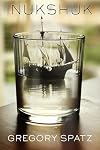
Inukshuk is a very creative story of a father and son, each lonely after being essentially abandoned by their wife / mother. The loss of the mother is the epicentre of the story. Thomas, 15 years old and obsessed with the 19th century Franklin expedition of the Arctic, recreates the hardships encountered by the ill-fated sailors through his imagination and by playing with his health. He tries to control what he can, his body and thoughts, amidst many changes beyond the control of a child. show more This is his coming of age. John, his father also finds refuge in the imagination. We catch him in a mid-life crisis. Both father and son inhabit the same space, home and school, yet are whirling in self-absorbed fantasies.
The book is well written and the characters are interesting. How hopeless this kid’s teenage years must seem for him to identify with a doomed Arctic expedition! The cover art deserves mentioning...love the ship through the glass of water. It's perfect for the story. show less
The book is well written and the characters are interesting. How hopeless this kid’s teenage years must seem for him to identify with a doomed Arctic expedition! The cover art deserves mentioning...love the ship through the glass of water. It's perfect for the story. show less
 This review was written for LibraryThing Early Reviewers.
People obsess over a whole range of things and often those obsessions are unfathomable to people who don’t share them. Sometimes obsessions are connected with a person’s job or vocation but they can simply be a topic or item that catches a person’s fancy and gives him a direction on which to focus with laser attention. Some obsessions are harmless but others have the potential to do damage. Inukshuk, the new novel by Gregory Spatz, is haunted by obsessions and the incredible depth of show more feeling of which those who obsess are so capable.
Thomas Franklin is a fifteen year old boy who is convinced he is distantly related to Sir John Franklin who led the ill-fated Northwest Passage expedition through the Arctic and perished in the attempt. This expedition is his consuming obsession. Thomas is trying to adjust to the fact that his mother has left to pursue her interest in environmental concerns in the far north of Canada without much remorse for the child she’s left behind, that his older brother has gone off to college, and that his high school teacher father has moved him to the remote, cold, barren town of Houndstitch while he works on finally completing a poetry cycle about a selkie that he’s been working on for years. Prior to the breakdown of his parents' marriage and the move to Houndstitch, Thomas had conceived of a movie about the fate of Franklin's expedition and he continues to work on his storyboards and screenplay becoming so obsessed with the men, the voyage, and their ultimate fates that he determines to give himself scurvy so he'll better understand their state of mind, the desperation and hopelessness that eventually leads to the crew's cannibalism.
His father John, not the John Franklin of the expedition, is so caught up in whether or not to accept his marriage's end, his renewed interest and insight in his poetry, and the subtle courtship dance he's conducting with a former colleague, who also happens to be the mother of the boy bullying and tormenting his own son, that he is blind to the despair and danger consuming lonely, outcast Thomas. All John knows is his own struggle and unrelenting pre-occupation with trying to put his own feet in front of one another such that he cannot spare much worrying about his son's well-being.
Told from three different narrative perspectives, that of Thomas, John, and of the men slowly starving to death on the Arctic expedition (or at least Thomas' hallucinations of same), all three narratives grow bleaker, more desperate, deteriorating slowly as the story progresses. Thomas and John's characters are isolated from each other both because of the screens of their obsessions, Franklin's expedition and poetry but also because of their inability to connect with each other emotionally, to step outside themselves and see and care about each others' suffering.
The shifts between the three different narratives were abrupt and were not delineated in any way stylistically and so could be confusing as the reader struggled to realize the scene had in fact shifted. The scenes with Thomas and his younger, almost girlfriend, both those that were sexually charged and those that weren't, were dreamlike and uncomfortable and probably fairly accurate renderings of a teenaged boy's thoughts. His father's similarly lust-fueled fantasies are equally descriptive. Thomas and John may be separated by thirty years but their confused and lonely crises are staggeringly similar.
The inclusion of Franklin's harrowing, doomed search for the Northwest Passage, one that has horrified and captured the imagination for so many years highlighted the unspoken despair felt by the modern day Franklin men. And Thomas's musings on ways to film the darkness and the dread without sacrificing the appropriate atmosphere provide some of the most interesting passages in the novel. Spatz is a good writer but like the unfeeling ice that trapped Sir John Franklin, there's a bone deep emotional chill in these pages that make it hard to really connect with the characters. The irony, of course, is that the characters cannot connect with each other either. show less
Thomas Franklin is a fifteen year old boy who is convinced he is distantly related to Sir John Franklin who led the ill-fated Northwest Passage expedition through the Arctic and perished in the attempt. This expedition is his consuming obsession. Thomas is trying to adjust to the fact that his mother has left to pursue her interest in environmental concerns in the far north of Canada without much remorse for the child she’s left behind, that his older brother has gone off to college, and that his high school teacher father has moved him to the remote, cold, barren town of Houndstitch while he works on finally completing a poetry cycle about a selkie that he’s been working on for years. Prior to the breakdown of his parents' marriage and the move to Houndstitch, Thomas had conceived of a movie about the fate of Franklin's expedition and he continues to work on his storyboards and screenplay becoming so obsessed with the men, the voyage, and their ultimate fates that he determines to give himself scurvy so he'll better understand their state of mind, the desperation and hopelessness that eventually leads to the crew's cannibalism.
His father John, not the John Franklin of the expedition, is so caught up in whether or not to accept his marriage's end, his renewed interest and insight in his poetry, and the subtle courtship dance he's conducting with a former colleague, who also happens to be the mother of the boy bullying and tormenting his own son, that he is blind to the despair and danger consuming lonely, outcast Thomas. All John knows is his own struggle and unrelenting pre-occupation with trying to put his own feet in front of one another such that he cannot spare much worrying about his son's well-being.
Told from three different narrative perspectives, that of Thomas, John, and of the men slowly starving to death on the Arctic expedition (or at least Thomas' hallucinations of same), all three narratives grow bleaker, more desperate, deteriorating slowly as the story progresses. Thomas and John's characters are isolated from each other both because of the screens of their obsessions, Franklin's expedition and poetry but also because of their inability to connect with each other emotionally, to step outside themselves and see and care about each others' suffering.
The shifts between the three different narratives were abrupt and were not delineated in any way stylistically and so could be confusing as the reader struggled to realize the scene had in fact shifted. The scenes with Thomas and his younger, almost girlfriend, both those that were sexually charged and those that weren't, were dreamlike and uncomfortable and probably fairly accurate renderings of a teenaged boy's thoughts. His father's similarly lust-fueled fantasies are equally descriptive. Thomas and John may be separated by thirty years but their confused and lonely crises are staggeringly similar.
The inclusion of Franklin's harrowing, doomed search for the Northwest Passage, one that has horrified and captured the imagination for so many years highlighted the unspoken despair felt by the modern day Franklin men. And Thomas's musings on ways to film the darkness and the dread without sacrificing the appropriate atmosphere provide some of the most interesting passages in the novel. Spatz is a good writer but like the unfeeling ice that trapped Sir John Franklin, there's a bone deep emotional chill in these pages that make it hard to really connect with the characters. The irony, of course, is that the characters cannot connect with each other either. show less
My one regret while reading Half as Happy by Gregory Spatz is that I didn't have the time to savor the stories and the writing quite as much as it deserves to be appreciated. This collection of eight short stories is expertly wrought with a great attention to details and descriptions. It's the kind of collection that could turn anyone into a fan of the art of the short story.
The collection includes:
"Any Landlord's Dream" concerns a couple who rent a house in the attempt to help them recover show more from a great loss.
In "Happy For You," an older woman contemplates her life during a very early morning call from a son
"No Kind of Music" concerns a failed relationship
"Luck" is about a couple on an Alaskan cruise.
"The Bowmaker's Cats" is about a bow maker and disappearance.
"A Bear For Trying" is about twins and their connection to each other.
"Half as Happy" is about a wife who is losing too much weight.
"String" is about a group of good kids who did something wrong.
Of course, none of these descriptions come close to capturing the magic in these melancholy, complex stories. Their beauty lies in the completeness of the characters. They are fully realized, even in these short stories. The detailed descriptions add to the intricate stories. Don't expect cheerful outcomes where everything turns out for the best in the end. Even when the outcome seems good, or at least acceptable, there are still compromises that are made and burdens that must be born. The characters may not even be aware of their flaws and foibles. They are, all of them, dysfunctional and emotionally stunted, but very human and hurting.
Very Highly Recommended
Disclosure: I received an advanced reading copy of this book from the publisher and TLC for review purposes. show less
The collection includes:
"Any Landlord's Dream" concerns a couple who rent a house in the attempt to help them recover show more from a great loss.
In "Happy For You," an older woman contemplates her life during a very early morning call from a son
"No Kind of Music" concerns a failed relationship
"Luck" is about a couple on an Alaskan cruise.
"The Bowmaker's Cats" is about a bow maker and disappearance.
"A Bear For Trying" is about twins and their connection to each other.
"Half as Happy" is about a wife who is losing too much weight.
"String" is about a group of good kids who did something wrong.
Of course, none of these descriptions come close to capturing the magic in these melancholy, complex stories. Their beauty lies in the completeness of the characters. They are fully realized, even in these short stories. The detailed descriptions add to the intricate stories. Don't expect cheerful outcomes where everything turns out for the best in the end. Even when the outcome seems good, or at least acceptable, there are still compromises that are made and burdens that must be born. The characters may not even be aware of their flaws and foibles. They are, all of them, dysfunctional and emotionally stunted, but very human and hurting.
Very Highly Recommended
Disclosure: I received an advanced reading copy of this book from the publisher and TLC for review purposes. show less
Fifteen-year-old Thomas Franklin believes he is a descendant of Sir John Franklin, the Arctic explorer. He is obsessed with Franklin's last expedition and devotes almost all of his free time to sketching a movie of that ill-fated voyage. Trying to realistically recreate the conditions experienced by Franklin's crew, Thomas even follows a diet that will induce scurvy.
In the meantime Thomas's father (John) is trying to come to terms with the end of his marriage to Jane, his wife who has show more abandoned her family to conduct research in the Arctic. John flounders as a single parent; pre-occupied with his own emotional woes from which he escapes by writing poetry, he is oblivious to his son's inner turmoil: "Most of the time Franklin could stay focused enough on his own concerns not to realize [his son's anger and hurt]" (80).
The novel alternates between John and Thomas's points of view, the latter often immersing the reader in details about the doomed Arctic expedition. The story of the crew's struggle to survive while their ships are ensconced in ice is obviously a parallel to Thomas and John's struggles to survive after the family has been torn asunder. Thomas feels "stuck in the same old routines" (81)and John is unable to step over "the crucial psychic dividing line separating . . . Jane forever from him" (219).
Franklin was unsuccessful at finding the Northwest Passage, but at the end of the book there is hope that Thomas and John will find a passage to each other, to connect and bridge "the distance between them" (55).
Stylistically, the use of parallel stories was innovative, but often the story of the Franklin expedition was more interesting than the contemporary story of a dysfunctional family. Several times I found myself losing patience with John who seemed almost totally clueless as a father.
Despite these flaws, the book is probably worth a re-read during which the reader can focus more on the symbolic similarities between the two Franklin narratives. show less
In the meantime Thomas's father (John) is trying to come to terms with the end of his marriage to Jane, his wife who has show more abandoned her family to conduct research in the Arctic. John flounders as a single parent; pre-occupied with his own emotional woes from which he escapes by writing poetry, he is oblivious to his son's inner turmoil: "Most of the time Franklin could stay focused enough on his own concerns not to realize [his son's anger and hurt]" (80).
The novel alternates between John and Thomas's points of view, the latter often immersing the reader in details about the doomed Arctic expedition. The story of the crew's struggle to survive while their ships are ensconced in ice is obviously a parallel to Thomas and John's struggles to survive after the family has been torn asunder. Thomas feels "stuck in the same old routines" (81)and John is unable to step over "the crucial psychic dividing line separating . . . Jane forever from him" (219).
Franklin was unsuccessful at finding the Northwest Passage, but at the end of the book there is hope that Thomas and John will find a passage to each other, to connect and bridge "the distance between them" (55).
Stylistically, the use of parallel stories was innovative, but often the story of the Franklin expedition was more interesting than the contemporary story of a dysfunctional family. Several times I found myself losing patience with John who seemed almost totally clueless as a father.
Despite these flaws, the book is probably worth a re-read during which the reader can focus more on the symbolic similarities between the two Franklin narratives. show less
This review was written for LibraryThing Early Reviewers.Awards

Statistics
- Works
- 8
- Members
- 83
- Popularity
- #218,810
- Rating
- 3.4
- Reviews
- 22
- ISBNs
- 8
